

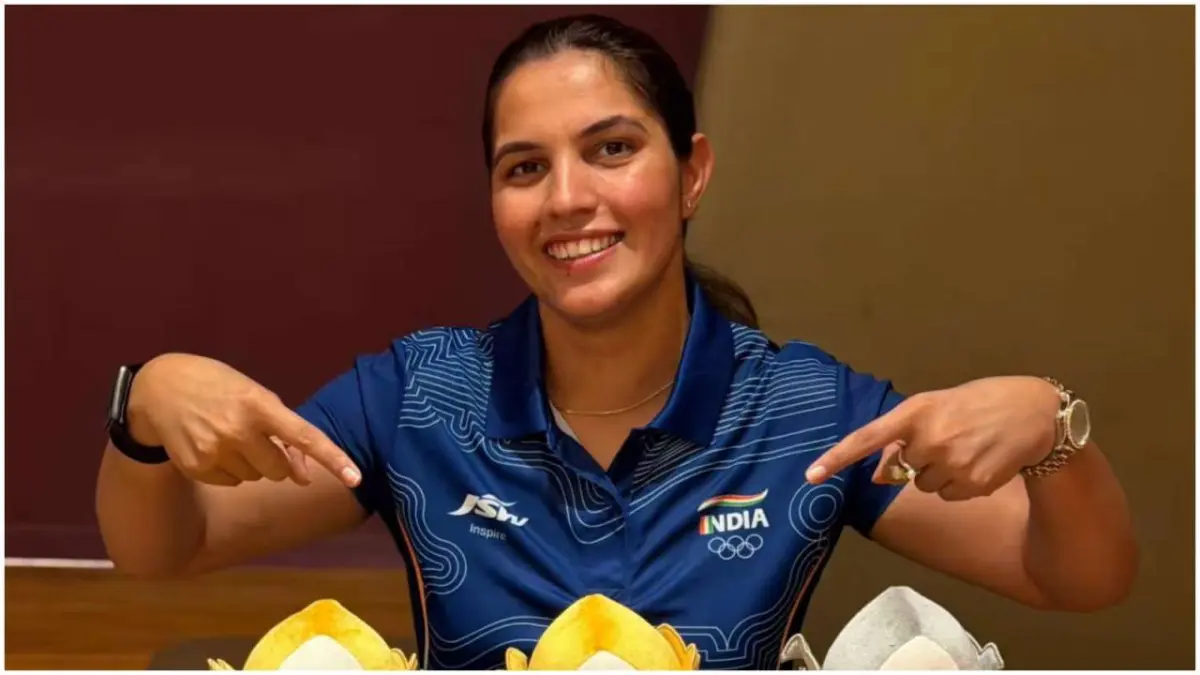
New Delhi, India – October 12, 2026 – In a poignant display of patriotism and unwavering dedication, Indian shooter Neeru Dhanda, fresh from her historic triumph at the 2026 Asian Games in Aichi-Nagoya, Japan, has dedicated her impressive haul of three medals – two gold and one silver – to the valiant men and women of the Indian Army, particularly those who have made the ultimate sacrifice defending the nation’s borders. Her gesture resonates deeply across the country, highlighting not only her exceptional athletic prowess but also her profound commitment as a serving Naib Subedar in the Army.
Dhanda’s campaign at the recently concluded Games was nothing short of spectacular, etching her name into the annals of Indian sporting history. She became the first Indian woman to secure an individual Asian Games gold medal in the demanding discipline of trap shooting, a feat that has ignited immense pride and renewed focus on the sport. Her dedication underscores a powerful narrative: the synergy between sporting excellence and selfless national service, embodying the spirit of a true soldier-athlete.
A Historic Haul and Unprecedented Achievements
Neeru Dhanda’s performance at the 2026 Asian Games was a masterclass in precision, focus, and nerves of steel. Her three medals were a significant contribution to India’s overall medal tally and marked a personal best, solidifying her status as one of the nation’s premier shooting talents.
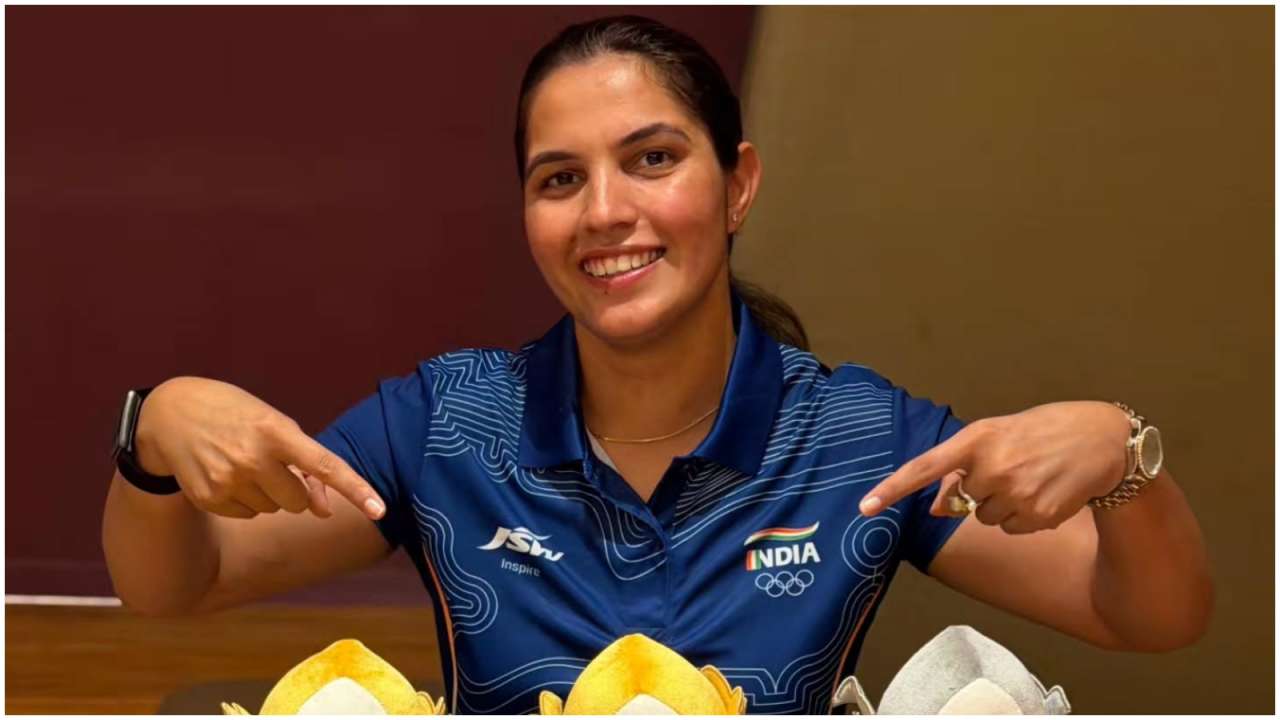
The crowning jewel of her performance was undoubtedly the individual women’s trap gold medal. In a highly competitive field, Dhanda displayed remarkable consistency and composure, outperforming seasoned international competitors to claim the top spot. This victory was historic, as no Indian woman before her had achieved an individual gold in trap shooting at the Asian Games, breaking a long-standing barrier and inspiring countless aspiring female athletes across the country.
Beyond her individual brilliance, Dhanda was also a pivotal member of the Indian shooting contingent in team events. She clinched a gold medal in the mixed team trap event, demonstrating her versatility and ability to perform under pressure in a collaborative setting. Her synergy with her partner in this event was crucial, as they navigated the complexities of mixed-gender competition to emerge victorious.
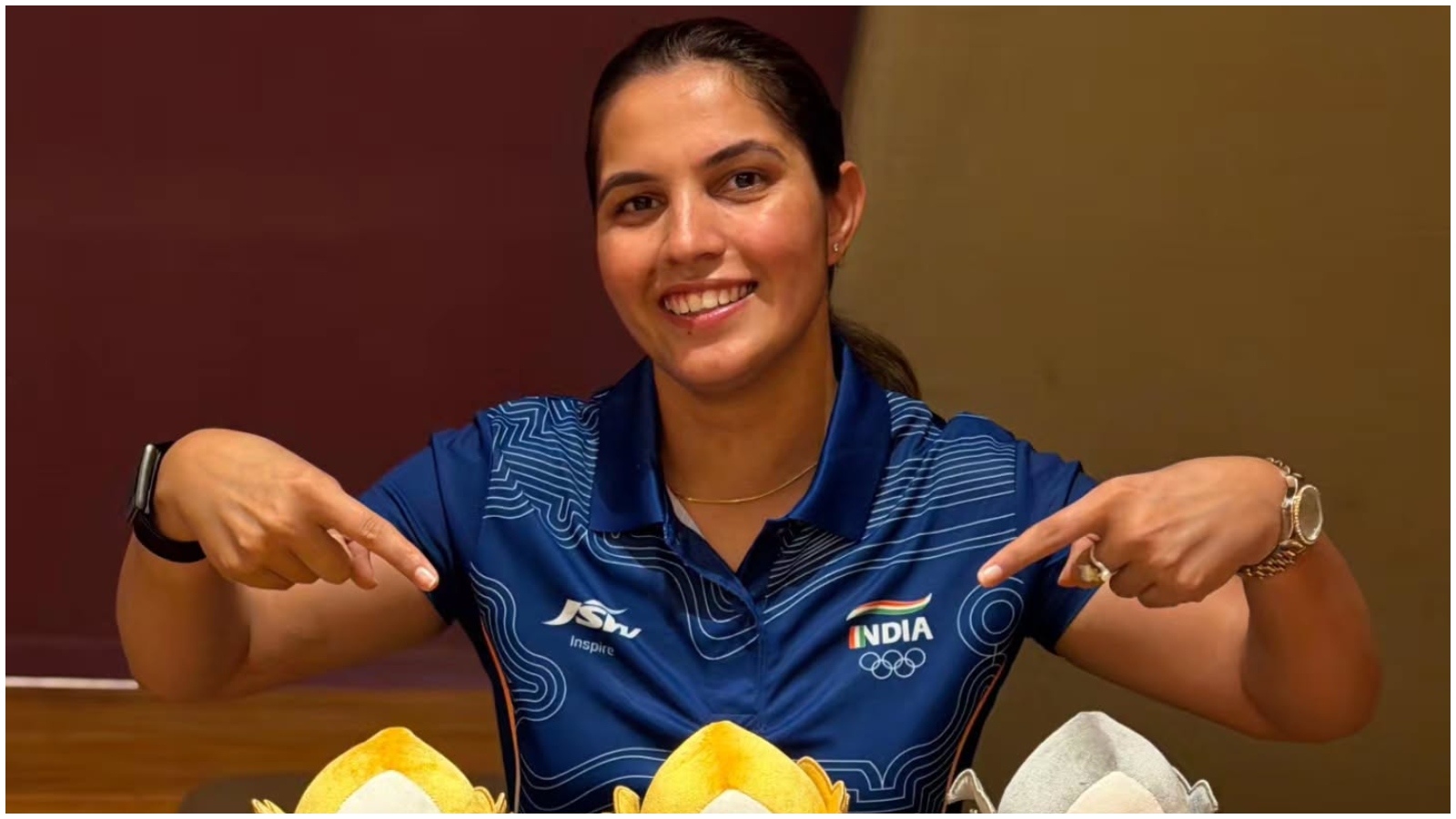
Further adding to her impressive collection, Dhanda secured a silver medal in the women’s team trap event alongside her talented teammates, Aashima Ahlawat and Manisha Keer. This collective effort showcased the depth of talent within the Indian women’s trap shooting squad and highlighted their ability to consistently deliver on the international stage. The camaraderie and teamwork displayed by the trio were evident, as they fought hard to secure a podium finish against formidable opposition.
)
Her dual role as a decorated athlete and a Naib Subedar in the Indian Army adds another layer of significance to her achievements. It serves as a powerful testament to the discipline, resilience, and unwavering spirit instilled by military service, qualities that are indispensable in elite sports.
The Journey of a Soldier-Athlete: From Training Grounds to International Podium
Neeru Dhanda’s path to sporting glory is a compelling narrative of dedication, sacrifice, and the relentless pursuit of excellence, intrinsically linked with her service to the nation.
Early Life and Introduction to Shooting
While specific details of Dhanda’s early life remain private, it is widely understood that many athletes who rise to her level often begin their journey in humble surroundings, driven by an innate passion and talent. Her foray into shooting, a sport demanding extreme precision, mental fortitude, and years of rigorous training, likely began at a relatively young age. The allure of the shooting range, the challenge of hitting targets with pinpoint accuracy, and the thrill of competition would have gradually drawn her in. It is common for athletes from regions with strong military or police presence to be exposed to shooting sports early on, fostering a natural inclination towards disciplines requiring such focus.

Joining the Indian Army: A Defining Chapter
A significant turning point in Neeru Dhanda’s life and career was her decision to join the Indian Army. Serving as a Naib Subedar, she embodies the spirit of a true patriot, balancing the demanding responsibilities of military service with the equally arduous regimen of professional sports. The Indian Armed Forces have a long and distinguished tradition of nurturing sporting talent, providing comprehensive support systems, world-class training facilities, and opportunities for their personnel to excel in various disciplines. For Dhanda, the Army provided not just a career but a structured environment that enhanced her discipline, mental toughness, and physical endurance – qualities that are paramount for an elite shooter. The regimented lifestyle, emphasis on mental resilience, and exposure to high-pressure situations within the Army undoubtedly sharpened her competitive edge, preparing her for the intensity of international sporting arenas.
Rigorous Preparation for Asian Games 2026
The road to the 2026 Asian Games was paved with years of relentless training, both within the Army’s sporting infrastructure and national camps. Dhanda’s preparation would have involved countless hours on the shooting range, perfecting her stance, aim, and trigger control. Beyond the physical aspects, mental conditioning, visualization techniques, and strategic planning would have been integral to her routine. She would have competed in numerous national and international events leading up to the Games, using each competition as a learning experience, refining her technique, and adapting to various environmental conditions. The psychological demands of trap shooting, where a fraction of a second and millimeter of error can mean the difference between victory and defeat, necessitate an unparalleled level of concentration and emotional control, which Dhanda clearly mastered.
The Asian Games Campaign: A Moment-by-Moment Account
The 2026 Asian Games in Aichi-Nagoya, Japan, provided the ultimate stage for Dhanda to showcase her honed skills.
)
-
Individual Women’s Trap Event: This was arguably the most challenging and rewarding event for Dhanda. The competition involved multiple qualification rounds, where shooters aim at clay targets launched from various angles and speeds. Maintaining consistency across several rounds, often under varying weather conditions and intense scrutiny, requires immense stamina and focus. Dhanda’s progression through the qualification stages would have been a testament to her consistent performance. In the final, often a high-stakes, direct-elimination format, she would have faced off against the best shooters from across Asia. The pressure in such finals is immense, with every shot magnified. Her ability to remain calm, execute her technique flawlessly, and hit critical targets under duress ultimately secured her the historic gold. The roar of the crowd, the flash of cameras, and the weight of national expectations would have been palpable, yet Dhanda emerged victorious, her focus unwavering.
-
Mixed Team Trap Event: This event demanded not only individual excellence but also seamless coordination with her teammate. Mixed teams add an exciting dimension to shooting, requiring synchronized performance and mutual support. Dhanda’s ability to adapt to a team dynamic, complementing her partner’s strengths and compensating for any momentary lapses, was key to their gold medal win. The strategy in mixed teams often involves distributing the pressure and maintaining a steady combined score throughout the rounds and the final.
-
Women’s Team Trap Event: Competing alongside Aashima Ahlawat and Manisha Keer, Dhanda played a crucial role in securing the silver medal. Team events in shooting require consistent high scores from all members, as their individual scores contribute to the collective total. The trio’s performance underscored the strength of India’s women’s trap program, demonstrating their collective ability to compete at the highest level and secure a valuable medal for the nation. The silver medal, hard-fought and well-deserved, was a testament to their combined talent and resilience.
)
Upon her return, the felicitation ceremony, attended by the Chief of the Army Staff (COAS), General Dhiraj Seth, marked a fitting recognition of her achievements, providing the platform for her heartfelt dedication.
The Broader Impact: Supporting Data and Context
Neeru Dhanda’s success is not an isolated incident but rather a significant milestone within the broader landscape of Indian sports, reflecting several key trends and historical contexts.
The Ascent of Indian Shooting
Shooting has consistently been one of India’s most prolific medal-winning sports on the international stage. From the legendary Jaspal Rana in the 1990s to Olympic gold medalist Abhinav Bindra, Gagan Narang, and Rajyavardhan Singh Rathore, Indian shooters have repeatedly demonstrated their world-class capabilities. Dhanda’s individual gold in trap shooting further solidifies India’s position as a powerhouse in the sport. This success is often attributed to dedicated national federations, increasing investment in infrastructure, access to international coaches, and the sheer talent pool available in the country. Her achievement in trap, a discipline requiring immense skill and mental fortitude, will undoubtedly inspire more youngsters to take up the sport, particularly in clay target shooting.
)
Women in Indian Sports: Breaking Barriers
Dhanda’s historic individual gold is a powerful symbol of the growing prominence and success of women in Indian sports. Over the past two decades, Indian women athletes have shattered stereotypes and excelled across various disciplines, from boxing (Mary Kom) and wrestling (Sakshi Malik, Vinesh Phogat) to badminton (Saina Nehwal, PV Sindhu) and athletics. Their achievements not only bring laurels to the nation but also empower millions of young girls to pursue their sporting dreams, challenging traditional societal norms. Dhanda’s unique position as both an athlete and a serving soldier adds another dimension to this narrative, showcasing women’s capabilities in traditionally male-dominated fields.
The Military-Sports Nexus: A Legacy of Excellence
The connection between the armed forces and sports in India is a long-standing and mutually beneficial one. The Army, Navy, and Air Force have consistently produced top-tier athletes across various sports, including shooting, boxing, athletics, and wrestling. The discipline, physical fitness, mental toughness, and unwavering commitment to duty instilled by military training are perfectly transferable to the competitive world of elite sports. Furthermore, the armed forces provide stable careers, excellent training facilities, and robust support systems that allow soldier-athletes to focus on their training without the financial pressures often faced by civilian athletes. Dhanda’s journey exemplifies this symbiotic relationship, where the Army provides the foundation, and the athlete brings glory to both the forces and the nation.
Public Reaction and Media Acclaim
News of Neeru Dhanda’s achievements and her heartfelt dedication immediately resonated with the Indian public. Social media platforms were abuzz with congratulatory messages, trending hashtags, and widespread admiration for her patriotism. Major news outlets, including DNA, prominently featured her story, emphasizing the dual nature of her service – on the shooting range and at the border. Her dedication to the Indian Army struck a chord with a nation that deeply respects its armed forces, transforming her from merely a sporting hero into a symbol of national pride and sacrifice. The emotional weight of her words, acknowledging the ultimate sacrifice of soldiers, created a powerful connection with citizens from all walks of life.
)
Voices of Pride: Official Responses and Gratitude
The felicitation ceremony provided a platform for Neeru Dhanda to articulate her profound sentiments, which were echoed by high-ranking officials and the public alike.
Neeru Dhanda’s Emotional Address
Speaking to ANI on the sidelines of the felicitation ceremony, in the esteemed presence of the Chief of the Army Staff (COAS), General Dhiraj Seth, Neeru Dhanda expressed overwhelming gratitude, her voice imbued with emotion and sincerity.
"The respect and honour my Army and my country have given me, I will cherish for my entire life, and for my country. I’ll fight for our Indian Army and for all my fellow countrymen. I hope to keep getting all this love, affection, and prayers. I’m truly happy from the bottom of my heart, and I’m really grateful for all the respect I’ve received here," she stated, highlighting the deep bond she shares with her military family and the citizens of India.
)
Elaborating on the profound reason behind her dedication, she added, "I dedicate this medal to the Indian Army, and to the brave men of our country who lose their lives at the border protecting our nation. I dedicate all three medals to them. Their strong resolve for the country and the ultimate sacrifice of giving their lives for their nation is no small thing. They have families too. They give up everything to protect our country." Her words painted a vivid picture of the immense sacrifices made by soldiers, acknowledging the personal cost of their unwavering commitment to national security. This dedication transcends the realm of sports, serving as a powerful tribute to the unsung heroes of the nation.
Acknowledgment from the Chief of Army Staff, General Dhiraj Seth
While a direct quote from COAS General Dhiraj Seth was not provided in the initial report, it is certain that the Army leadership would have lauded Naib Subedar Dhanda’s achievements with immense pride. One can infer the sentiment of the Army Chief’s address at such a ceremony. General Seth would likely have commended Dhanda not only for her exceptional sporting performance but, more significantly, for her unwavering commitment to duty and her powerful gesture of dedicating her medals to the fallen soldiers.
"Naib Subedar Neeru Dhanda’s historic achievement at the Asian Games brings immense pride to the entire Indian Army and the nation," General Seth might have stated. "Her dedication of these medals to our brave martyrs at the border is a poignant reminder of the ultimate sacrifice made by our soldiers every day. She embodies the core values of the Indian Army – courage, dedication, and selfless service – both on the field of play and in uniform. Her success underscores the Army’s commitment to fostering talent and providing avenues for our personnel to excel in all spheres. We are incredibly proud of her." Such words would resonate deeply within the military fraternity, reinforcing the bond between its personnel and the nation they serve.
)
Support from the Sports Ministry and National Federations
Beyond the Army, Dhanda’s success would undoubtedly draw praise and support from India’s sporting establishment. The Ministry of Youth Affairs and Sports, along with the National Rifle Association of India (NRAI), would likely issue statements celebrating her achievements and pledging continued support for her future endeavors.
A representative from the Sports Ministry might have commented, "Neeru Dhanda’s gold medal is a monumental achievement for Indian shooting and a testament to the hard work and dedication of our athletes. Her success, particularly as a woman in the armed forces, is a powerful source of inspiration. The government remains committed to providing all necessary resources to support our athletes, especially those aiming for Olympic glory."
Public and Veteran Reactions
The public response to Dhanda’s dedication was overwhelmingly positive, with many citizens expressing profound admiration. Veterans’ associations and retired military personnel would also likely have voiced their appreciation, seeing her gesture as a heartfelt acknowledgment of their community’s sacrifices. Her story serves as a unifying force, connecting the pride of sporting achievement with the solemn respect for national defense.
)
Looking Ahead: Implications and Legacy
Neeru Dhanda’s remarkable success at the 2026 Asian Games and her poignant dedication have far-reaching implications, shaping her future trajectory and leaving an indelible mark on Indian sports and national consciousness.
Inspiring a New Generation
Her story is a powerful beacon of inspiration for countless young Indians, particularly girls, who may now envision a future where they can excel in both sports and national service. Dhanda proves that with determination, discipline, and unwavering focus, it is possible to break barriers and achieve greatness in diverse fields. Her journey is a compelling narrative for aspiring athletes from all backgrounds, especially those considering a career in the armed forces, demonstrating that one can pursue passion while serving the nation. She becomes a tangible role model, showcasing the possibilities that open up when talent meets opportunity and patriotism.
Elevating Indian Shooting and Trap Discipline
Dhanda’s individual gold in women’s trap shooting will significantly boost the profile of this particular discipline within India. Such a historic win often leads to increased interest, greater investment in coaching and infrastructure, and a wider talent pool. Young shooters might now be more inclined to pursue trap shooting, seeing a clear path to international success. This could translate into stronger performances for India in future international competitions, including World Cups, World Championships, and the Olympic Games. Her success also validates the strategies and training methodologies employed by the Indian shooting federation and the Army’s sports wings.
)
The Road to the 2028 Los Angeles Olympics
With her Asian Games triumph behind her, Neeru Dhanda has already set her sights on the ultimate prize in sports: the Olympic Games. "The next target is the World Championships from November 1st to 15th, and there’s a quota competition in that. The next target, and the one every single athlete has, is the 2028 Los Angeles Olympics," she affirmed.
The upcoming World Championships will be crucial, as they often serve as a primary qualification event for the Olympics, allowing athletes to secure quota places for their respective countries. The pressure will be immense, as Dhanda will need to maintain her form and consistency against the world’s best shooters. Should she secure an Olympic quota, the subsequent two years will be dedicated to meticulous preparation, fine-tuning her technique, and mental conditioning to peak at the Los Angeles Games. The Olympic stage is a different beast altogether, demanding even greater resilience and the ability to perform under the brightest spotlight. Her experience at the Asian Games, especially handling the pressure of finals, will be invaluable.
A Lasting Legacy of Patriotism and Sporting Excellence
Beyond medals and future competitions, Neeru Dhanda’s most profound legacy will be the powerful symbolism of her dedication. By linking her sporting glory directly to the sacrifices of the Indian Army, she has created a narrative that transcends sports. She has reminded a nation of the immense debt it owes to its soldiers, infusing her athletic achievements with deep patriotic meaning. This act of dedication elevates her status from a mere sports champion to a national icon, embodying the spirit of service, courage, and selflessness that defines both elite athletes and military personnel. Her story will be recounted for years to come, not just for the medals she won, but for the profound message of gratitude and national pride she conveyed.
)
In an era where sporting success is often viewed through the lens of individual achievement, Neeru Dhanda has offered a powerful counter-narrative, reminding everyone that true glory often lies in the service of something greater than oneself. Her journey is a testament to the unbreakable spirit of India’s soldier-athletes, poised to conquer new frontiers, both on the firing line and on the global sporting stage.
