

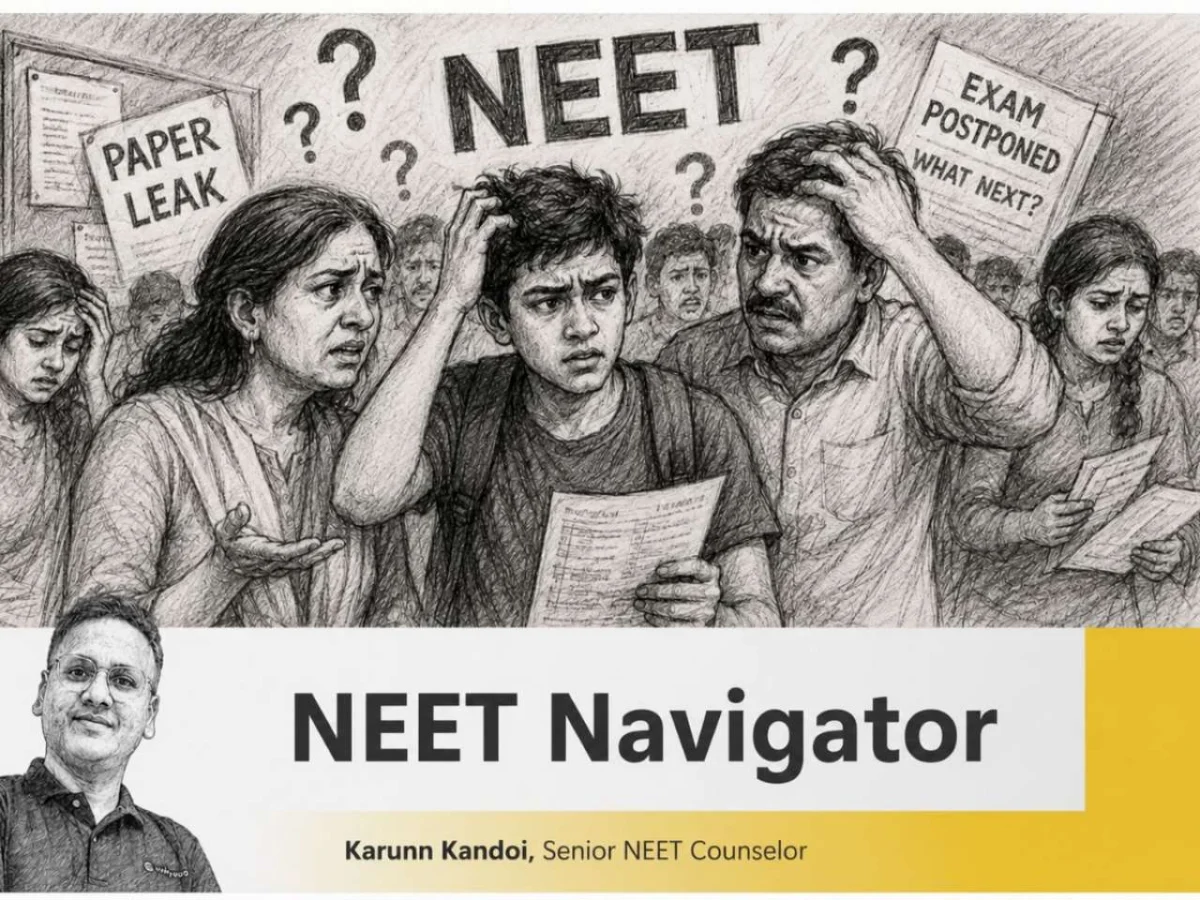
The National Testing Agency (NTA) has ushered in a significant shift for the NEET UG 2026 examination, extending the duration to a comprehensive 195 minutes. This strategic alteration presents a powerful opportunity for aspirants, transforming the examination from a race against time into a meticulously planned conquest. However, with this extended window comes the amplified challenge of maintaining focus, strategically navigating the vast syllabus, and critically, outsmarting the pervasive threat of negative marking. This in-depth analysis offers a sharp, actionable blueprint for leveraging this extended duration, mitigating the pitfalls of incorrect answers, and ultimately, maximizing scores for NEET UG 2026.
The NEET UG examination, a gateway to India’s most coveted medical colleges, is inherently a high-stakes battleground. With an ever-increasing number of aspirants vying for limited seats, the competition intensifies annually. The NTA’s decision to extend the exam duration by 15 minutes, bringing the total to 195 minutes (from 2:00 PM to 5:15 PM), is a calculated move. While this offers a strategic advantage, its true value lies in its judicious application. This article delves into precise, actionable strategies designed to optimize this extra time, fortify defenses against negative marking, and elevate overall performance.
The 15-Minute Conundrum: Transforming Extra Time into Strategic Advantage
The initial reaction to an extended exam duration might be one of relief or, conversely, apprehension about sustained concentration. However, panic is a detrimental companion in any high-pressure scenario, often leading to preventable errors. The additional 15 minutes, when approached with a strategic mindset, can be a game-changer.
Harnessing the Initial Minutes for Foundation Building:
)
The most pragmatic use of these initial minutes is to establish a solid administrative foundation. This includes:
- Biometric Verification: Ensuring seamless and accurate biometric registration is paramount. Any discrepancies here can lead to significant stress and potential disqualification.
- OMR Sheet Completion: Carefully and meticulously filling out all required details on the OMR sheet is crucial. This includes your roll number, name, signature, and the correct question booklet code. A single error here can invalidate your entire answer sheet.
By dedicating these initial moments to these critical administrative tasks, candidates can alleviate the pressure of rushing later and ensure that their focus can be entirely dedicated to the academic challenges ahead. A calm and organized start directly translates to fewer silly mistakes and the secure allocation of valuable marks.

Decoding the Negative Marking Maze: From Risk to Reward
Negative marking remains a formidable adversary for NEET aspirants. Each incorrect answer not only fails to add marks but actively subtracts from the total score, making it a significant determinant of rank. The psychological pressure to attempt every question, driven by the fear of missing out on potential points, is often the biggest impediment to success.
The Art of Calculated Skipping: A Paradigm Shift in Strategy
)
As Sanjay Gupta, Director of Marvikmantra Education, aptly states, "The biggest NEET mistake? Knowing the answer but losing the time. Don’t chase every question. Chase your rank." This profound statement underscores the necessity of a strategic approach that prioritizes accuracy and efficient time management over sheer volume of attempts.
A Two-Round Approach to Maximizing Accuracy:
)
A highly effective strategy to combat negative marking involves dividing the exam into two distinct rounds:
- Round 1: The Certainty Sweep: In this initial phase, focus exclusively on questions you are unequivocally 100% sure about. These are the questions where your knowledge is solid, and the answer is readily apparent. Attempting these first builds confidence and secures foundational marks without any risk.
- Round 2: The Calculated Risk Assessment: Once the certainty sweep is complete, move on to questions where you can confidently eliminate at least two incorrect options. This leaves you with a 50-50 chance. Attempting such questions, while carrying a calculated risk, is far more advantageous than blind guessing. If, after careful consideration, all four options appear unfamiliar or equally plausible, it is prudent to skip the question immediately.
"Many students lose ranks not because they lack knowledge, but because they couldn’t resist guessing," notes an esteemed education expert. "Treat skipping a high-risk question as a scoring move." This perspective reframes the act of skipping from a failure to an intelligent strategic decision that protects your existing score and conserves valuable time for questions you are more likely to answer correctly.
)
Optimizing Rough Work: Transforming Pages into Clarity
The NTA provides a generous four pages for rough work – two at the front and two at the back of the question booklet. This is not merely an afterthought but a crucial resource that can significantly impact accuracy and efficiency.
Systematic Organization for Seamless Corrections:
)
Physics and Chemistry, in particular, often involve complex calculations where errors can easily creep in. Messy and disorganized rough work can lead to wasted time, frustration, and the need to restart calculations entirely.
Strategy for Effective Rough Work:
)
- Sectional Clarity: Dedicate specific sections or pages for calculations related to Physics and Chemistry. This helps in maintaining order.
- Step-by-Step Detailing: Write down each step of your calculation clearly and systematically. This not only aids in tracing your logic but also makes it easier to spot errors.
- Legible Notation: Use clear and legible handwriting for formulas, variables, and numerical values.
- Double-Checking Mechanism: A well-organized rough work page allows for quick re-evaluation and correction of any missteps without losing track of the overall problem-solving process.
The examination is designed to assess your understanding and application of knowledge. Your rank, however, is determined by your decision-making within the exam hall. Approaching each question with confidence and knowing when to confidently skip are equally vital components of success.
Strategic Attempt Sequence: A Psychological Edge
While individual preferences for exam sequence exist, adopting a psychologically sound approach can significantly enhance performance. Experimentation on exam day is strongly discouraged; instead, stick to a pre-determined sequence that aligns with your strengths and maximizes your cognitive efficiency.
)
A Recommended Sequence for NEET UG 2026:
- Biology First: The Confidence Builder: Biology, typically less calculation-intensive and relying more on recall and conceptual understanding, is an excellent starting point. Successfully answering a significant portion of Biology questions early on can build crucial confidence and momentum, setting a positive tone for the rest of the exam. This also helps in securing a substantial chunk of marks quickly.
- Chemistry Second: Maintaining Momentum: Chemistry often presents a blend of conceptual and application-based questions. By tackling Chemistry after Biology, you can maintain the intellectual momentum. Focus on direct questions from Organic and Inorganic Chemistry first, as these often require less time and can be answered with higher certainty.
- Physics Last: The Analytical Challenge: Physics demands a calm, analytical, and focused mind, often involving complex problem-solving and calculations. Attempting Physics last ensures that you are approaching these challenging questions when your mental energy is still relatively high, and you are not rushing through intricate calculations under pressure. This allows for a more deliberate and accurate approach to the most demanding section.
This sequence is designed to leverage your strengths, build confidence, and strategically allocate your cognitive resources to the sections that require them most.
)
The Night Before: Anchoring Preparation and Peace of Mind
The eve of the NEET UG examination is a critical period that can either solidify your preparation or sow seeds of doubt. The most crucial advice for the night before is to close your books early.
Key Recommendations for the Final Hours:
)
- No New Topics: Resist the temptation to delve into new or complex topics. This late-stage learning is unlikely to be absorbed effectively and is more likely to increase anxiety and self-doubt. Trust the preparation you have diligently undertaken over months, or even years.
- Pack Smart and Systematically: Double-check and pack all essential items. This includes:
- Admit Card: Ensure it is printed clearly, and any required new details or photographs are affixed as per NTA guidelines.
- Photographs: Carry passport-sized photographs as specified in the NEET UG information bulletin.
- Original ID Proof: A valid government-issued identification document (Aadhaar card, Voter ID, Passport, etc.).
- Pen and Stationery: Carry blue/black ballpoint pens for the OMR sheet and any necessary stationery.
- Relax and Rejuvenate: Engage in light activities that help you relax. A healthy meal, some gentle conversation, and a good night’s sleep are far more beneficial than last-minute cramming.
A Message of Empowerment:
Remember, you have invested significant time, effort, and dedication into preparing for NEET UG 2026. You have absorbed vast amounts of information, honed your problem-solving skills, and navigated countless mock tests. This hard work has prepared you. Approach the examination hall with a calm demeanor, a strategic mindset, and unwavering confidence in your abilities.
)
Best of luck for NEET UG 2026!
(This article has been thoughtfully curated by Karunn Kandoi, Founder & CEO of Vidysea, a distinguished leader in the EdTech sector with over two decades of experience in global education and technology, and co-authored by Sanket Patel.)
