

TECHNOLOGY
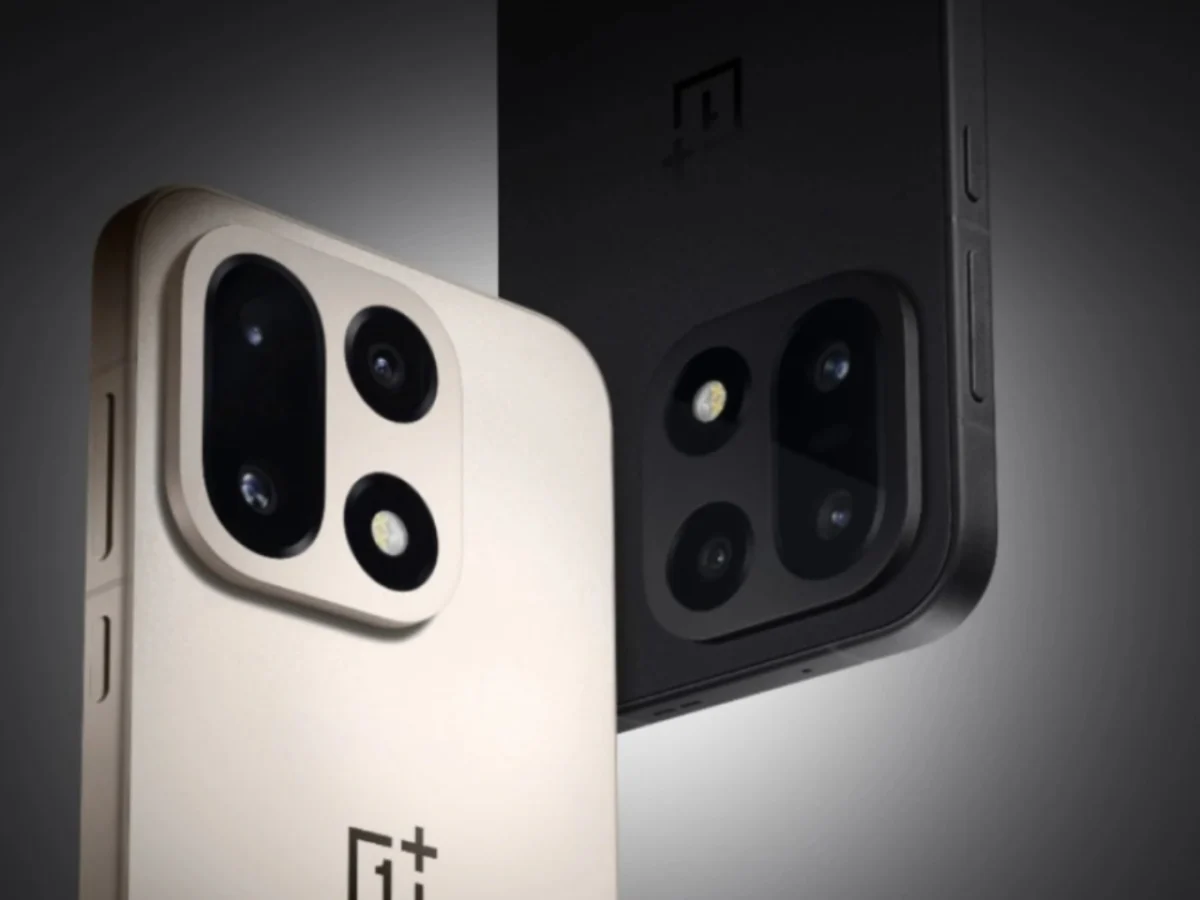
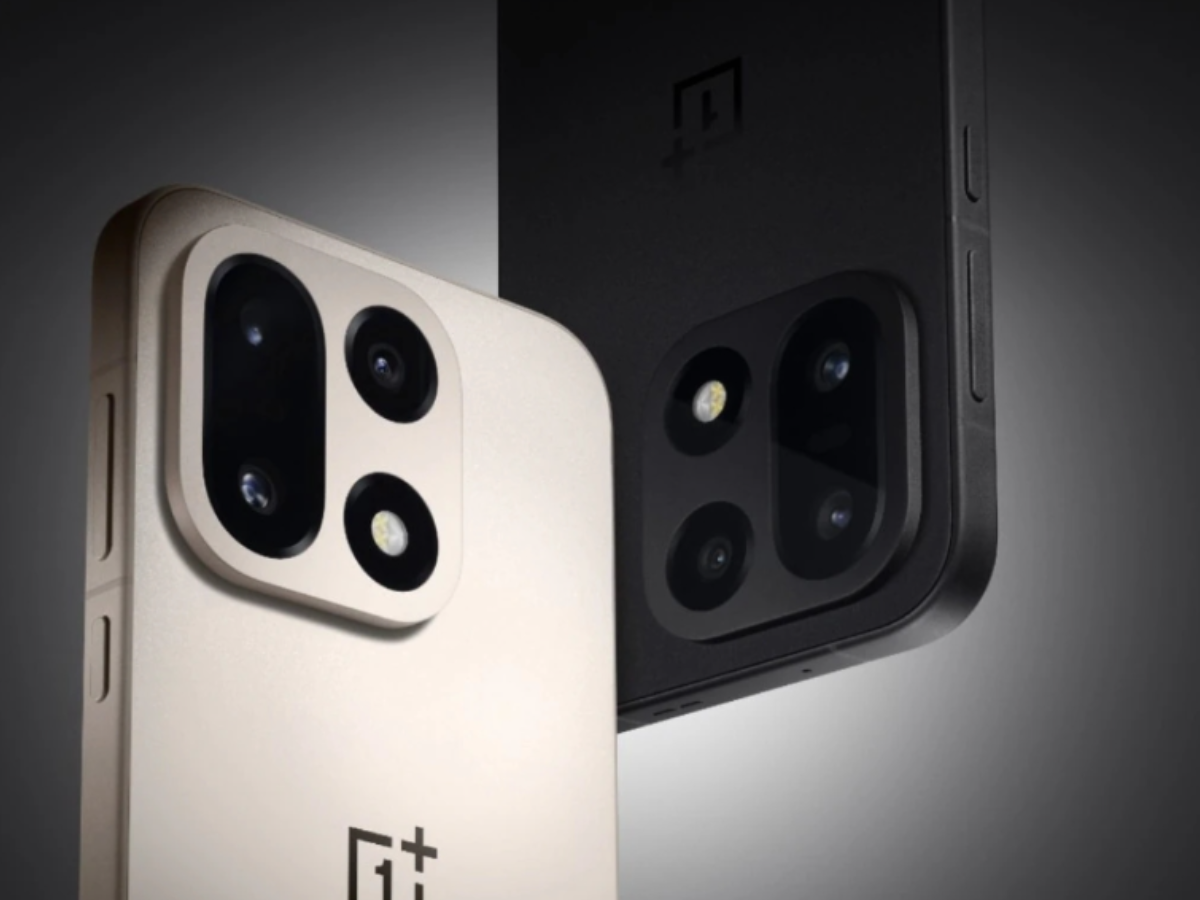
The smartphone industry, a crucible of rapid innovation and fierce competition, is currently witnessing significant strategic shifts from key players. At the heart of a recent storm of speculation and confirmed changes lies OnePlus, a brand that once carved out a niche as a "flagship killer" revered by tech enthusiasts. While OnePlus has officially confirmed a pivotal software integration, replacing its custom OxygenOS with Oppo’s ColorOS, as part of a broader group-wide strategy, the company simultaneously faces swirling reports of a potential global restructuring that could see it scale back operations in crucial markets, including India.
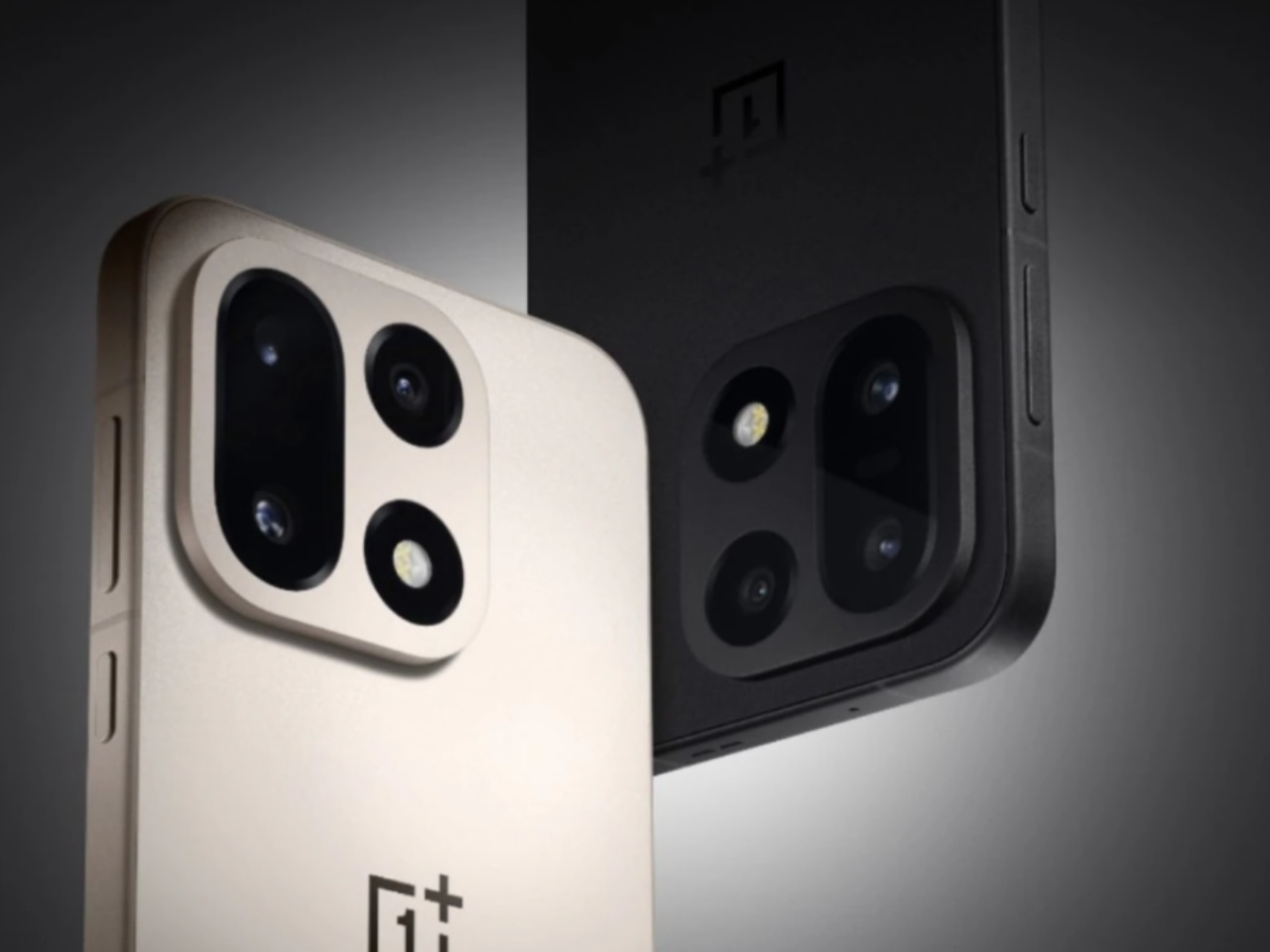
This article delves into the intricate web of these developments, examining the confirmed changes, addressing the unverified reports, and exploring the profound implications for consumers, brand identity, and the wider smartphone ecosystem, particularly in the strategically vital Indian market.
Main Facts: A Dual Narrative of Change and Denial
At the core of the current discourse surrounding OnePlus are two distinct, yet interconnected, narratives: one of confirmed strategic integration and another of unverified, unsettling market rumors.
)
The Confirmed Software Overhaul: The most concrete development is OnePlus’s decision to integrate its proprietary OxygenOS with Oppo’s ColorOS. This move is not merely a cosmetic change but represents a fundamental shift in the software experience for OnePlus users globally. The company has articulated this as part of a wider software integration strategy aimed at unifying development efforts across its brands, thereby accelerating software updates and improving resource allocation. While acknowledging this significant change, OnePlus has affirmed its intention to remain "independent entities" in India, seeking to reassure its substantial user base in the subcontinent.
The Unverified Restructuring Rumors: Counterbalancing this official stance are persistent and widely circulated reports suggesting a more drastic global overhaul. Sources, including a prominent Bloomberg report, claim that OnePlus may be contemplating an exit from key Western markets like the US and Europe, and potentially scaling down its operations in India globally by as early as 2027. These reports paint a picture of a brand grappling with broader challenges faced by its parent company, Oppo, and the larger BBK Electronics conglomerate.

OnePlus’s Official Rebuttal: In response to these alarming reports, OnePlus has been swift and unequivocal in its denial regarding an exit from India. The company has publicly stated that its India business continues to operate normally, urging media outlets and the public not to amplify unverified reports that could cause unnecessary alarm among its customer base and partners. This creates a fascinating tension between official assurances and persistent market speculation, leaving consumers and industry observers seeking clearer guidance.
Chronology: Tracing the Path to Integration and Speculation
To fully grasp the current situation, it is crucial to trace the chronological developments that have led OnePlus to this pivotal juncture.
)
Early 2020s: The Dawn of Integration: The seeds of the current software integration were sown years ago. OnePlus, initially known for its independent spirit and a loyal community built around its distinct OxygenOS, began a gradual process of integration with its parent company, Oppo. This began subtly with shared hardware components and supply chains, evolving into closer collaboration on research and development. The initial rationale was clear: leverage the vast resources and expertise of a larger entity to enhance product development, manufacturing efficiency, and market reach.
June 2021: The R&D Merger Announcement: A significant milestone occurred in June 2021 when OnePlus CEO Pete Lau announced a deeper integration with Oppo, specifically merging their hardware R&D teams. This was presented as a move to streamline operations and share resources more effectively. While initially focused on hardware, it laid the groundwork for future software unification. Lau reassured users that OnePlus would continue to operate independently within the new structure, maintaining its distinct brand and user experience.
)
August 2021: OxygenOS and ColorOS Unification First Announced: The formal announcement of OxygenOS merging with ColorOS for a unified operating system came in August 2021. This decision, though initially met with mixed reactions from the loyal OnePlus community, was framed as a strategic necessity. The goal was to combine the "fast and smooth" experience of OxygenOS with the "rich and robust" features of ColorOS, promising a more refined, stable, and feature-rich software experience, alongside faster and more consistent updates. This marked the definitive end of OxygenOS as a completely distinct software entity.
Late 2021 – Early 2022: Initial Rollouts and User Feedback: The first devices featuring the integrated software began rolling out, prompting immediate feedback from users. While some appreciated the new features and improved stability, many long-time OnePlus fans expressed nostalgia for the cleaner, more minimalist interface of the original OxygenOS. This period highlighted the challenge of balancing innovation with brand heritage and user expectations.
)
Mid-2022 onwards: Continued Integration and Strategic Investments: Over the subsequent months, the integration continued across various aspects of the business, from supply chain optimization to shared marketing strategies. Crucially, during this period, OnePlus also began to announce significant strategic investments aimed at strengthening its presence in key markets, particularly India. Project Starlight, an allocation of Rs 6,000 crore, was unveiled, specifically targeting localization, research and development, and enhancing after-sales service in India.
June 2025 & August 2025: Manufacturing Partnerships in India: Further solidifying its commitment to the Indian market, OnePlus entered into key manufacturing partnerships. In June 2025, it collaborated with Optiemus Electronics Limited for the production of premium IoT devices. This was followed by a partnership with Bhagwati Products Limited in August 2025 for the manufacturing of premium tablets. These moves were widely interpreted as strong signals of long-term investment and alignment with India’s "Make in India" initiative, directly contrasting any notion of scaling back.
)
Recent Reports and Denials (Late 2025 / Early 2026): Despite these proactive investments, the recent Bloomberg reports, emerging in late 2025 or early 2026, reintroduced a layer of uncertainty. These reports, detailing potential global restructuring and a scaling back of operations in the US, Europe, and potentially India by 2027, reignited concerns. OnePlus’s subsequent firm denials, reiterating its normal operations and independent status in India, underscore the current state of conflicting information and the ongoing need for clarity.
Supporting Data: The Broader Landscape and Underlying Pressures
The reports of OnePlus’s potential global restructuring do not emerge in a vacuum. They are reflective of broader challenges facing the smartphone industry and, more specifically, the strategic imperatives and pressures on its parent conglomerate, BBK Electronics.
)
Global Smartphone Market Slowdown: The smartphone market has matured significantly over the past decade. After years of exponential growth, global sales have experienced a noticeable slowdown. Factors contributing to this include market saturation in developed economies, longer device upgrade cycles due to incremental innovations, and macroeconomic headwinds suchading inflation and reduced consumer spending power. This slowdown puts immense pressure on manufacturers to optimize operations, reduce costs, and consolidate resources to maintain profitability. For a multi-brand conglomerate like BBK, which operates Oppo, Vivo, Realme, and iQOO alongside OnePlus, such a climate necessitates a reassessment of its brand portfolio and market strategies.
Intensifying Competition and Slimming Margins: The smartphone arena remains intensely competitive, with a few dominant players (Samsung, Apple, Xiaomi) capturing the lion’s share of profits. While OnePlus historically positioned itself in the "affordable flagship" segment, this space has become increasingly crowded. Brands like Xiaomi’s POCO, Realme, and even Oppo itself, offer compelling devices at aggressive price points, squeezing profit margins for all players. Maintaining a distinct identity and market share requires significant investment in R&D, marketing, and after-sales service, making efficiency a paramount concern.
)
Geopolitical Headwinds and Market Access Challenges: Chinese smartphone manufacturers, including those under the BBK umbrella, have faced increasing geopolitical challenges, particularly in Western markets. Concerns over data privacy, national security, and broader trade tensions between the US and China have led to heightened scrutiny and, in some cases, restrictions on market access. Operating in regions like the US and parts of Europe has become more complex and costly due to regulatory hurdles, political pressures, and a sometimes-skeptical consumer base. This environment could make a strategic withdrawal or significant scaling back from less profitable or more challenging markets a pragmatic business decision. The costs of compliance, lobbying, and navigating a complex political landscape might outweigh the potential returns.
The Apple Trade Secrets Lawsuit: Adding another layer of complexity and financial strain is the trade secrets lawsuit filed by Apple against Oppo (and by extension, potentially impacting OnePlus given their integration). While the specifics of such lawsuits are often confidential, these legal battles can be incredibly costly, consuming significant financial resources, diverting management attention, and potentially impacting the company’s ability to operate in certain jurisdictions if adverse rulings are made. A Bloomberg report explicitly linked this lawsuit as one of the catalysts for the wider restructuring exercise, suggesting its severity and potential impact on Oppo’s global strategy.
)
Oppo’s Wider Restructuring Imperative: It is crucial to view the OnePlus situation within the larger context of Oppo’s overall business health and strategic direction. As the parent company, Oppo is itself grappling with the aforementioned challenges. A "wider restructuring exercise" by Oppo implies a comprehensive re-evaluation of its global footprint, brand portfolio, and operational efficiencies. This could involve consolidating brands, exiting unprofitable markets, streamlining product lines, and centralizing resources to achieve greater economies of scale. OnePlus, despite its unique brand identity, is ultimately part of this larger corporate structure and would naturally be subject to such overarching strategic decisions.
Official Responses: Reassurance Amidst the Rumors
In the face of intense media speculation and consumer anxiety, OnePlus has adopted a consistent strategy of reassurance, particularly concerning its operations in India.
)
Categorical Denial of India Exit: OnePlus has vehemently denied any plans to exit the Indian market. Its official statements emphasize that its "India business continues to operate normally" and remains a critical market for the brand. This denial is crucial given India’s status as one of the largest and fastest-growing smartphone markets globally, and a region where OnePlus has cultivated a significant and loyal customer base. The company’s immediate response aims to quell fears of abandonment among its users and partners in the country.
Commitment to "Independent Entities" in India: While confirming the software integration with ColorOS, OnePlus has reiterated that it will maintain its status as "independent entities" within India. This suggests that while there will be underlying operational and technological synergies with Oppo, the OnePlus brand will continue to manage its sales, marketing, and perhaps product differentiation strategies specifically for the Indian market, distinct from Oppo’s direct operations. This strategic nuance attempts to preserve some level of brand autonomy and cater to the specific preferences of Indian consumers who have grown accustomed to the OnePlus brand identity.
)
Project Starlight: A Multi-Billion Rupee Commitment: A cornerstone of OnePlus’s official narrative of commitment to India is "Project Starlight." The allocation of Rs 6,000 crore (approximately $720 million USD) under this initiative is a substantial investment aimed at strengthening localization, research, and after-sales service within the country.
- Localization: This involves adapting products and services to local market needs, including software features, language support, and content partnerships. It also implies a greater emphasis on local manufacturing.
- Research and Development: Investing in local R&D capabilities suggests a long-term vision for developing products and technologies specifically for the Indian market, potentially even contributing to global product lines.
- After-Sales Service: Enhancing the service network is critical for consumer trust. The commitment to expand service centers through Oppo’s network from 400 to 600 is a tangible promise designed to alleviate concerns about post-purchase support.
Strategic Manufacturing Partnerships: The recent manufacturing partnerships with Optiemus Electronics Limited (for premium IoT devices in June 2025) and Bhagwati Products Limited (for premium tablets in August 2025) serve as further concrete evidence of OnePlus’s investment in India’s manufacturing ecosystem. These collaborations align with the Indian government’s "Make in India" initiative, demonstrate a commitment to local value creation, and underscore a strategy of long-term presence rather than withdrawal. By locally producing devices, OnePlus can also potentially benefit from government incentives, reduce import duties, and optimize supply chains for the Indian market.
)
Call for Media Responsibility: OnePlus has also appealed to media outlets to exercise caution and refrain from amplifying unverified reports. This plea highlights the company’s concern about the detrimental impact of speculation on consumer confidence, brand perception, and market stability.
Implications: Navigating Uncertainty for Consumers and the Brand
The ongoing situation presents a complex set of implications for various stakeholders, from the end-user to the global smartphone industry.
)
1. For Indian Consumers: A Mixed Bag of Assurances and Uncertainties
- After-Sales Service and Warranty: The immediate concern for existing and potential OnePlus buyers in India revolves around after-sales support. OnePlus’s assurance that warranty and service will continue through Oppo’s expanding network (from 400 to 600 service centers) is a significant relief. This leverages Oppo’s extensive infrastructure, which is a positive development for service accessibility.
- Long-Term Spare Parts and Software Support: However, a critical long-term question mark remains over the availability of spare parts and software updates if a significant restructuring or scaling down were to occur globally. While current commitments are reassuring, the longevity of support for devices purchased now, especially beyond a typical 2-3 year lifespan, becomes uncertain. If product lines are streamlined or phased out in certain regions, the supply chain for specific components could be affected. Similarly, while the unified ColorOS promises faster updates, the commitment to continued feature updates and security patches for older devices would need continuous clarification.
- Purchase Decisions: For prospective buyers, the situation presents a dilemma. The recommendation to buy a OnePlus device "if they’re getting a good deal and plan to use it for 2-3 years" acknowledges the excellent hardware quality but implicitly accepts the inherent uncertainty. This advises against long-term investment based on the brand’s historical longevity, shifting it towards a more transactional purchase.
- Loss of OxygenOS Identity: The transition to ColorOS, while offering functional benefits, signifies a departure from the unique OxygenOS experience that many long-time OnePlus users cherished. The "clean," "near-stock Android" feel was a major draw, and its absence, even with improvements in ColorOS, represents a significant shift in user experience and brand differentiation.
2. For OnePlus’s Brand Identity: From "Flagship Killer" to Sub-Brand
)
- Dilution of Uniqueness: OnePlus’s historical appeal stemmed from its "Never Settle" ethos, its focus on performance, and a strong community around its distinctive software. The deeper integration with Oppo and the adoption of ColorOS, while strategically sound for efficiency, inevitably blurs the lines between OnePlus and its parent brand. This could lead to a dilution of its unique identity, making it harder to stand out in a crowded market where Oppo, Vivo, and Realme also operate.
- Target Audience Shift: The brand might struggle to retain its core base of tech enthusiasts who valued its independence and specific software philosophy. It may transition into a premium sub-brand of Oppo, appealing to a broader, but perhaps less fervent, audience.
- Perceived Autonomy: Despite official declarations of "independent entities," the operational realities of deeper integration inevitably challenge the perception of genuine autonomy. This could impact brand loyalty and consumer trust over time.
3. For Oppo and BBK Electronics: Strategic Consolidation and Global Challenges
- Resource Optimization: The overarching strategy of integrating brands and streamlining operations is a clear move towards resource optimization. By unifying software development, sharing R&D, and leveraging a common supply chain, BBK aims to reduce costs, enhance efficiency, and accelerate time-to-market for new products across its diverse portfolio.
- Market Consolidation: The potential scaling back from certain markets (US, Europe) could be part of a broader strategy to consolidate resources in more profitable or strategically important regions, such as India and Southeast Asia, where BBK brands have a stronger foothold and fewer geopolitical headwinds.
- Navigating Headwinds: The restructuring is a direct response to the "slowing sales, rising costs, and mounting geopolitical challenges." It reflects a pragmatic business decision to adapt to a tougher global environment and protect the overall profitability of the conglomerate. The Apple lawsuit, in particular, adds pressure to conserve resources and minimize exposure in contentious markets.
4. Industry-Wide Impact: A Precedent for Consolidation?
)
- Trend Towards Consolidation: The OnePlus situation could serve as a case study for broader consolidation trends in the smartphone industry. As the market matures, smaller brands or sub-brands within larger conglomerates might increasingly find their unique identities subsumed into larger entities for operational efficiency.
- Challenges for Niche Brands: It highlights the immense challenges faced by niche brands, even those with strong initial momentum, in sustaining distinctiveness and profitability without the backing of a larger ecosystem.
- The Future of Custom Android Skins: While OxygenOS is being integrated, other custom Android skins might face similar pressures, leading to a more homogenized software experience across brands from the same parent company.
The Road Ahead: Clarity Amidst Persistent Uncertainty
The narrative surrounding OnePlus is currently a delicate balance between official assurances and persistent, credible reports of significant change. While the shift from OxygenOS to ColorOS is a confirmed reality, signaling a new chapter in OnePlus’s software journey, the broader implications of a global restructuring remain shrouded in a fog of speculation, despite the company’s strong denials regarding India.
For the substantial base of Indian consumers, the immediate future appears stable, bolstered by OnePlus’s Project Starlight investment and the expanded Oppo service network. However, the long-term outlook for spare parts and software updates beyond the immediate horizon warrants continuous vigilance and clearer communication from the brand.
)
Ultimately, the road ahead for OnePlus is unclear unless the company provides a more comprehensive and transparent roadmap addressing the global restructuring rumors head-on. In an industry where consumer trust and brand loyalty are paramount, unambiguous communication will be key to navigating these turbulent waters and reassuring its dedicated user base worldwide. The coming months will be crucial in determining whether OnePlus can successfully evolve its identity while retaining the core values that once made it a disruptive force in the smartphone market.
