

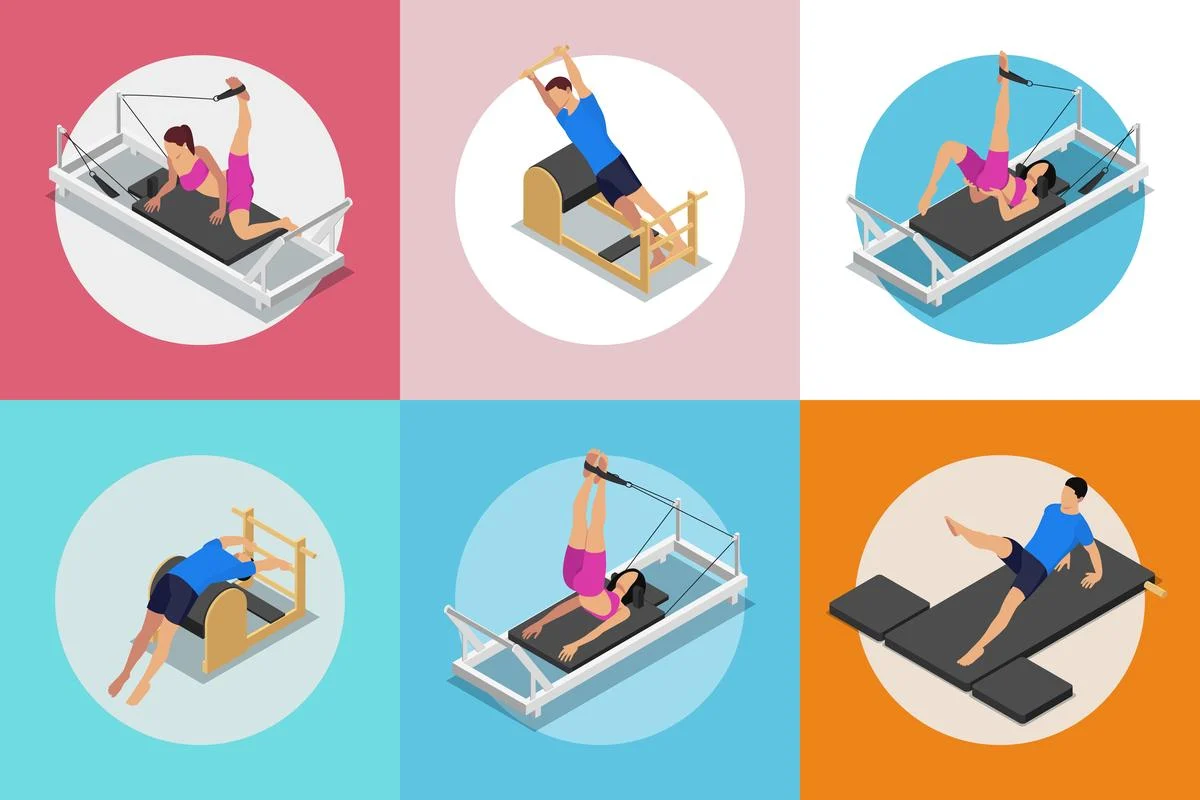
In an era increasingly focused on holistic health, Pilates, a mind-body exercise system developed over a century ago, has experienced a remarkable resurgence. Far from a fleeting trend, this meticulously crafted discipline offers a scientifically validated pathway to enhanced core strength, improved posture, injury prevention, and profound mental clarity. From its humble origins to its diverse contemporary manifestations, Pilates is reshaping how we approach fitness and well-being.
The Genesis of a Movement: Joseph Pilates and "Contrology"
The story of Pilates is inextricably linked to its visionary founder, Joseph Pilates. Born in Germany in the late 19th century, Pilates himself was a frail child, plagued by asthma, rickets, and rheumatic fever. This personal struggle fueled a lifelong quest for physical perfection and the development of a comprehensive system of exercise. He drew inspiration from a broad spectrum of disciplines, including gymnastics, boxing, yoga, and Zen meditation, forging a unique approach that emphasized the interconnectedness of mind and body.
Pilates termed his method "Contrology," a name that perfectly encapsulates its core philosophy. The emphasis was not merely on physical exertion, but on the precise and controlled execution of movements, guided by conscious mental engagement. He believed that true strength and vitality stemmed from a robust and stable core, which he considered the "powerhouse" of the body. This powerhouse, encompassing the abdominal muscles, lower back, hips, and buttocks, was the central focus of his exercises, designed to create a strong foundation for all bodily movements.
A Journey to New York and the Birth of a Studio
In 1926, Joseph Pilates embarked on a transformative journey, relocating to New York City. Recognizing the strong connection between physical conditioning and athletic performance, he strategically opened his first studio in close proximity to the New York City Ballet. This location allowed him to work with dancers and athletes, refining his method and demonstrating its efficacy in enhancing performance, preventing injuries, and accelerating recovery.
His studio became a hub for those seeking to improve their physical condition through his innovative approach. Pilates was known for his rigorous training style and his unwavering commitment to the principles of Contrology. He meticulously documented his exercises and principles, laying the groundwork for a discipline that would eventually gain global recognition. The initial popularity he cultivated in New York served as the bedrock for the enduring legacy of Pilates.
The Evolution of Pilates: From Contrology to Contemporary Adaptations
While Joseph Pilates was fiercely protective of his original method, the inherent adaptability of his principles led to its evolution over time. The initial framework of "Contrology" has since branched into several distinct, yet interconnected, forms:
-
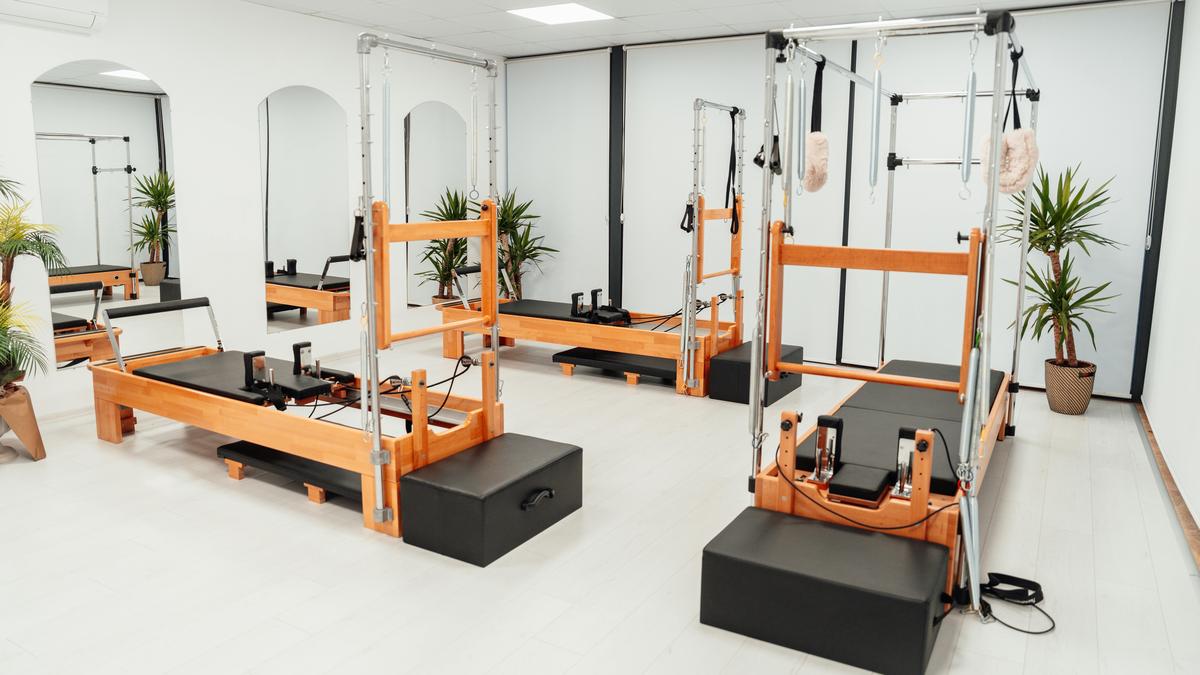
Contrology (The Original Method): This represents the purest form of Joseph Pilates’s teachings. It involves a precise and limited repertoire of exercises, many of which require specialized apparatuses. The order and execution of these movements were paramount, and Joseph Pilates was reportedly resistant to modifications that deviated from his established "Contrology." The emphasis was on precise form, controlled breathing, and deep core engagement.
-
Classical Pilates: Developed by Joseph Pilates’s direct disciples, Classical Pilates retains the core principles and exercises of Contrology but allows for minor modifications and additions. These disciples, having trained under the master himself, brought their own interpretations and insights, enriching the repertoire while staying true to the original spirit. Classical Pilates is often considered a direct continuation of Joseph Pilates’s work, preserving its integrity with subtle enhancements.
-
Contemporary Pilates: This represents the most evolved and adaptable form of the discipline. Contemporary Pilates incorporates modern biomechanical understanding and a broader range of exercises. It often includes more modifications, additional equipment, and a greater degree of flexibility in exercise sequencing. This version embraces innovation and can be seamlessly integrated with other fitness modalities, making it accessible to a wider audience with diverse needs and goals.
The adaptability of Pilates has led to the creation of numerous hybrid forms, reflecting its integration into the broader fitness landscape. Yogilates merges the mindful movement of yoga with the core-centric focus of Pilates. Cardiopilates infuses cardiovascular elements into Pilates routines, offering a more dynamic workout. Piloxing, a popular fusion, combines the power and speed of boxing with the core-strengthening benefits of Pilates and the flexibility of dance. Beyond these, Aquapilates, performed in water, offers a low-impact yet effective workout, while Aeropilates, utilizing trampolines and resistance cords, provides joint-friendly resistance training.
The Scientific Validation of Pilates: Beyond the Hype
The recent surge in Pilates’s popularity is not merely a product of social media trends or the "fear of missing out." A growing body of scientific research has lent considerable weight to its effectiveness as a legitimate and powerful exercise method. Studies published in reputable journals such as the Journal of Orthopaedic & Sports Physical Therapy and by the American Council on Exercise have consistently highlighted the profound benefits of Pilates.
Key research findings underscore Pilates’s efficacy in:

- Enhancing Spinal Stability and Posture: Pilates exercises are meticulously designed to strengthen the deep stabilizing muscles of the spine, leading to improved posture and a significant reduction in spinal pain. This controlled strengthening minimizes the risk of injury often associated with more aggressive workout regimens.
- Improving Core Strength and Muscular Control: The "powerhouse" activation central to Pilates cultivates exceptional core strength, which is fundamental for overall physical function, athletic performance, and injury prevention. This improved control translates to greater efficiency in everyday movements.
- Increasing Flexibility and Balance: Regular Pilates practice leads to enhanced flexibility and improved proprioception (the body’s awareness of its position in space), contributing to better balance and coordination.
- Reducing Chronic Pain: Numerous studies have indicated that Pilates can be an effective intervention for managing chronic pain, particularly in the back and neck, by strengthening supporting muscles and improving alignment.
- Boosting Mental Health and Well-being: The mindful nature of Pilates, with its emphasis on breath control and concentration, promotes mental focus, reduces stress, and can alleviate symptoms of anxiety. It offers a form of "movement meditation" that cultivates a deeper connection between the mind and body.
- Maintaining Bone Density: While not a weight-bearing exercise in the traditional sense, the controlled resistance and muscular engagement in Pilates can contribute to maintaining bone density, potentially aiding in the prevention of osteoporosis.
The scientific validation of Pilates transforms it from a niche fitness activity into a scientifically supported approach to health and wellness, offering a compelling alternative for individuals seeking sustainable, injury-conscious, and mind-body integrated exercise.
Implications for Modern Wellness and Future Directions
The enduring appeal and scientifically validated benefits of Pilates suggest its continued prominence in the wellness landscape. As individuals increasingly seek holistic approaches to health that address both physical and mental well-being, Pilates offers a comprehensive solution. Its adaptability ensures its relevance across different age groups, fitness levels, and rehabilitation needs.
The integration of Pilates into physical therapy programs, corporate wellness initiatives, and even sports training regimes is likely to expand. As awareness grows, we can anticipate further research exploring its specific applications for various conditions, its long-term impact on health markers, and its potential to complement emerging trends in personalized fitness.
In conclusion, Pilates, born from the ingenuity of Joseph Pilates over a century ago, stands as a testament to the power of mindful movement and controlled strength. Its journey from a specialized discipline to a globally recognized wellness practice underscores its profound effectiveness. As we navigate the complexities of modern life, the principles of Contrology—core strength, body awareness, and mental focus—offer a timeless and invaluable pathway to a healthier, more balanced, and more resilient existence.
