

BUSINESS
New Delhi, August 13, 2026 – India’s vibrant precious metals market continues to navigate a complex interplay of global economic currents, robust local demand, and fluctuating currency valuations. As of August 13, 2026, both gold and silver have registered noteworthy price movements, capturing the attention of investors, consumers, and the jewellery industry nationwide. The slight uptick in gold prices underscores persistent inflationary pressures and a renewed global appetite for safe-haven assets, while silver’s valuation reflects its dual role as both a precious metal and a critical industrial commodity.
Today’s prices serve as a crucial indicator of broader economic sentiment, with significant implications for household savings, investment strategies, and the upcoming festive and wedding seasons. Understanding the nuances behind these figures is paramount for anyone engaged with India’s enduring affinity for gold and silver.
Current Snapshot: Gold and Silver Prices on August 13, 2026
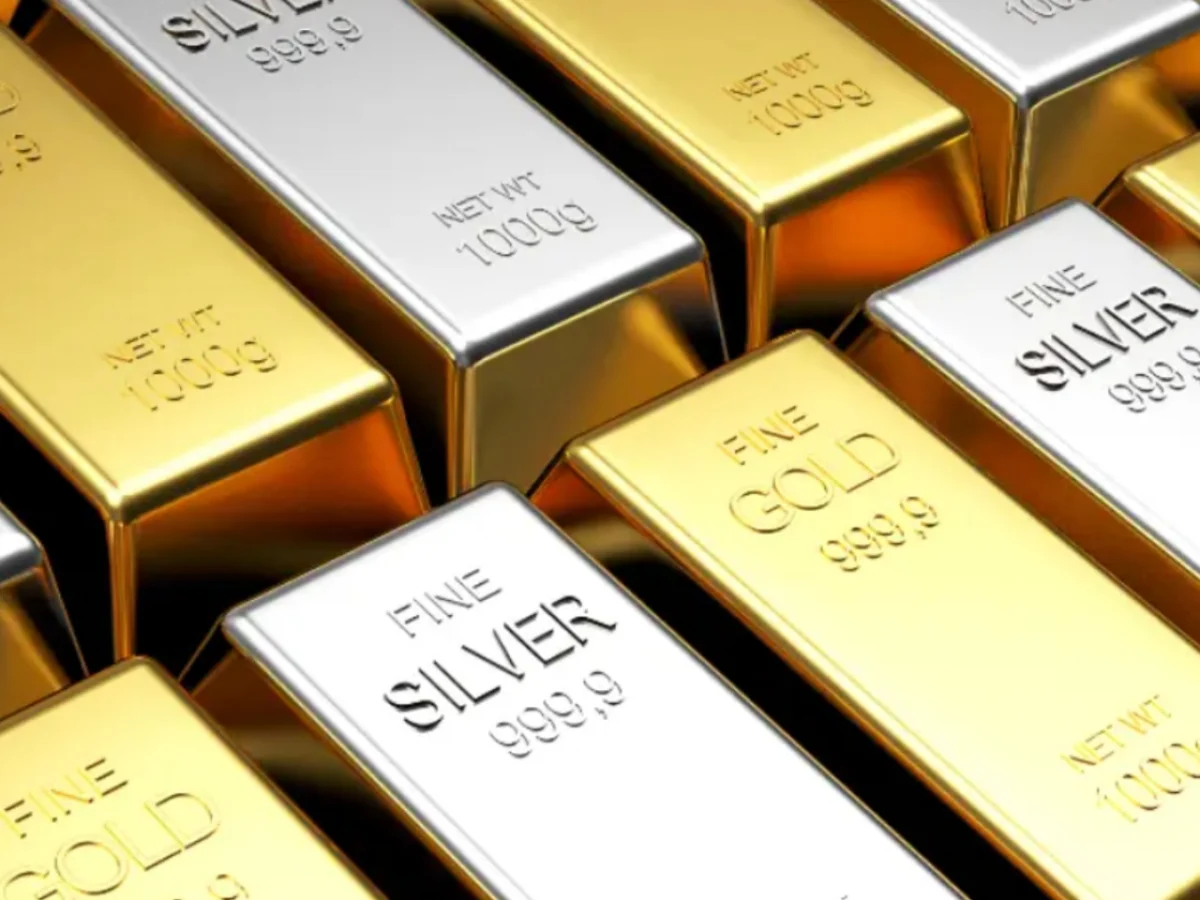
The Indian precious metals market opened today with gold showing a marginal increase, primarily driven by international trends and domestic inflationary concerns. The price of 24K gold (999 pure gold) stands at Rs 15,487 per gram nationally. For those eyeing jewellery purchases, 22K gold (91.67% pure) is priced at Rs 14,196 per gram. These rates reflect a market sensitive to global economic shifts, notably the US Dollar exchange rate, which directly impacts the cost of imported gold.
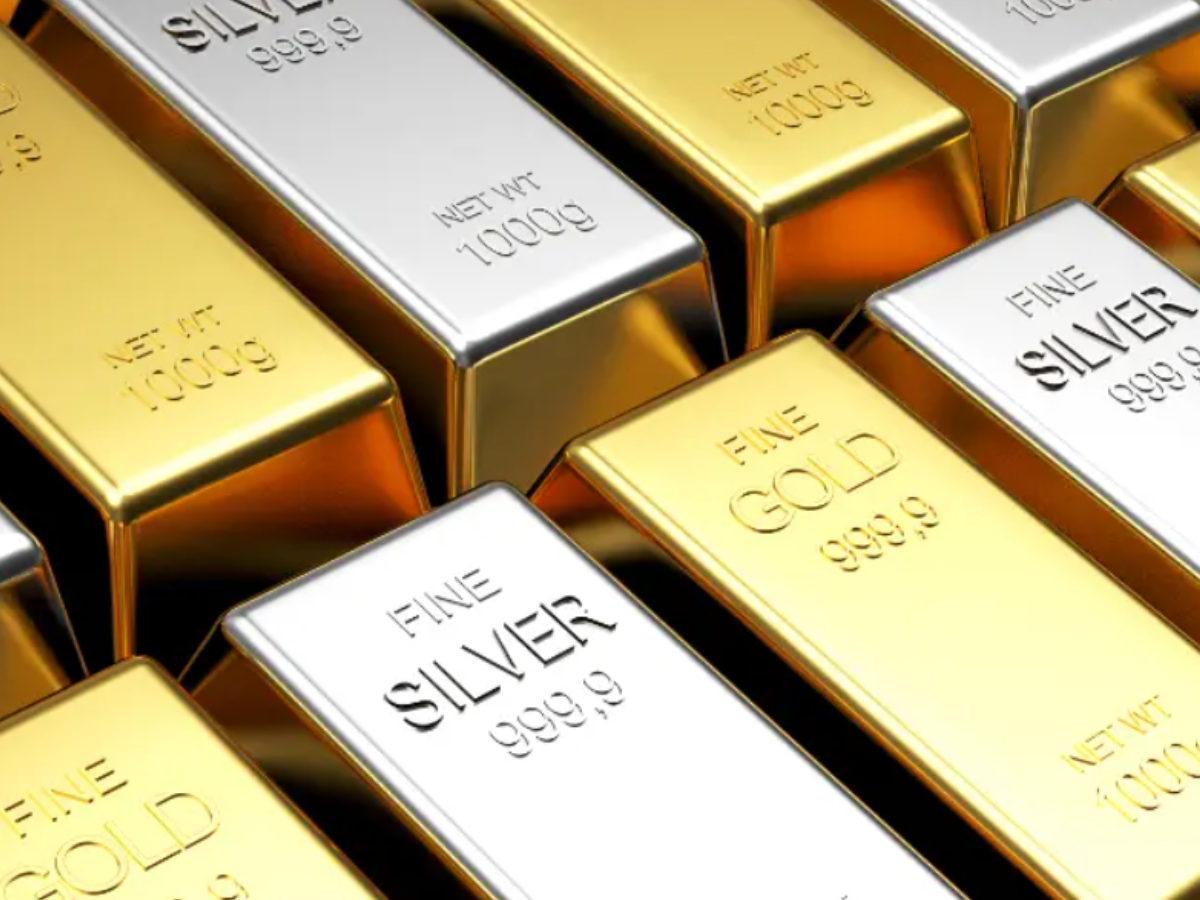)
Silver, often considered gold’s more volatile counterpart, has also seen its value adjusted. The national average for pure silver (999) is approximately Rs 2,54,900 per kilogram, translating to Rs 2,549 per 10 grams. Meanwhile, Silver 925 (sterling silver) is quoted at Rs 2,54,000 per kilogram. Silver’s trajectory is heavily influenced by its extensive industrial applications, which can introduce greater volatility compared to gold.
Chronology: Tracing the Path to Today’s Prices
The journey to August 13, 2026, has been marked by a dynamic period for precious metals. Over the past year, leading up to today, gold has largely maintained its reputation as a reliable hedge against economic uncertainty. Following a period of global economic recalibration post-2024, characterized by fluctuating interest rates and varying inflation forecasts across major economies, gold experienced several peaks and troughs. Early 2026 saw a resurgence in its appeal as central banks globally signaled a more cautious approach to monetary policy, fostering an environment where non-yielding assets like gold regained favour. Geopolitical tensions, though not overtly stated, have also played a subtle role, nudging investors towards traditional safe havens.

Silver, conversely, has witnessed a more complex narrative. While benefiting from its precious metal status alongside gold during periods of economic apprehension, its industrial demand has been the primary driver of its more pronounced price swings. The global push towards green energy, particularly the expansion of solar power infrastructure, and advancements in 5G technology and electric vehicles, significantly boosted silver’s industrial consumption throughout 2025 and early 2026. However, any slowdown in global manufacturing or supply chain disruptions could quickly temper this demand, leading to price corrections. The period preceding August 2026 saw a relatively stable but cautiously optimistic outlook for silver, with its industrial utility providing a floor for its value, even amidst broader market volatility.
Supporting Data: A Deep Dive into Market Dynamics
Gold Prices Today: A Detailed Look
As of August 13, 2026, the national average for 24K gold stands at Rs 15,487 per gram, and 22K gold at Rs 14,196 per gram. However, these figures are subject to regional variations, influenced by local taxes, transportation costs, and specific regional demand patterns.
)
- Gold Prices in Delhi:
- 24K Gold: Rs 15,502 per gram
- 22K Gold: Rs 14,211 per gram
- Analysis: Delhi, a major trading hub and consumption centre, often sees slightly higher prices due to its significant market size and logistical considerations.
- Gold Prices in Mumbai:
- 24K Gold: Rs 15,487 per gram
- 22K Gold: Rs 14,196 per gram
- Analysis: Mumbai, India’s financial capital and a key port for gold imports, typically reflects the national average closely, serving as a benchmark for the broader market.
- Gold Prices in Kolkata:
- 24K Gold: Rs 15,487 per gram
- 22K Gold: Rs 14,196 per gram
- Analysis: Kolkata, another significant market with a rich tradition of gold jewellery, mirrors Mumbai’s pricing, indicating a relatively uniform national average for these major cities.
- Gold Prices in Chennai:
- 24K Gold: Rs 15,492 per gram
- 22K Gold: Rs 14,201 per gram
- Analysis: Chennai, a prominent market in South India where gold holds immense cultural significance, shows a minor deviation, potentially influenced by regional demand cycles and specific state taxes.
The "slight increase due to global demand and inflationary pressures" is a critical point. In 2026, persistent global inflation remains a concern, prompting investors to seek safety in assets like gold, which historically maintains its value during periods of currency debasement. Central banks’ cautious stance on interest rate hikes, or even potential cuts in some economies, further diminishes the opportunity cost of holding non-yielding gold, boosting its attractiveness.
Furthermore, the "exchange rate of the US Dollar" plays a pivotal role. A stronger US Dollar typically makes gold more expensive for holders of other currencies, but a weaker rupee against the dollar makes imported gold costlier in India, thereby increasing domestic prices. India imports nearly all its gold, making the INR-USD exchange rate a primary determinant of local prices.
)
Domestic demand, particularly ahead of the "festive season," is another significant factor. India’s cultural calendar, replete with auspicious occasions like Raksha Bandhan, Ganesh Chaturthi, Diwali, and the extensive wedding season stretching into early next year, fuels an unparalleled demand for gold jewellery and investment. These periods invariably see a surge in purchases, contributing to price fluctuations.
Silver Prices Today: Market Dynamics Unpacked
Silver, while less expensive than gold, is a significant commodity for both investment and industrial applications. As of today, the price of pure silver (999) is Rs 2,54,900 per kilogram, or Rs 2,549 per 10 grams. Sterling silver (925) is priced at Rs 2,54,000 per kilogram.
)
- Silver Price in Delhi: Rs 2,549 per 10 grams
- Silver Price in Mumbai: Rs 2,549 per 10 grams
- Silver Price in Kolkata: Rs 2,549 per 10 grams
- Silver Price in Chennai: Rs 2,599 per 10 grams
- Analysis: The noticeable difference in Chennai’s silver price (Rs 50 higher per 10 grams) could be attributed to higher industrial demand in the southern region or unique cultural preferences for silver ornaments, which are particularly prevalent there.
Silver’s price trajectory is heavily influenced by "industrial demand." Industries like solar panel manufacturing, electric vehicle production, 5G technology components, and medical applications are major consumers of silver. The ongoing global transition to renewable energy sources and the continuous advancement in electronics ensure a steady, often growing, demand for silver. Any projected growth or slowdown in these sectors directly impacts silver prices. As a popular choice for both investment and jewellery, especially in regions where silver ornaments are deeply entrenched in tradition, its market is robust, albeit with higher volatility compared to gold.
Key Influencers of Precious Metal Prices: An In-depth Analysis
- Global Economic Indicators: Reports on GDP growth, manufacturing output, and employment figures from major economies like the US, EU, and China significantly influence investor sentiment. During periods of economic strength, investors might gravitate towards riskier assets, while downturns often see a flight to safe havens like gold.
- Geopolitical Stability: Escalations in international conflicts, trade wars, or political instability in key regions can trigger safe-haven buying, pushing gold prices higher. While 2026 has been relatively stable, underlying tensions continue to simmer, providing latent support for gold.
- Central Bank Policies: Decisions by central banks, particularly the US Federal Reserve, on interest rates and quantitative easing/tightening, have a profound impact. Higher interest rates typically increase the opportunity cost of holding non-yielding gold, while dovish policies make gold more attractive.
- Indian Domestic Demand: India’s cultural and economic relationship with gold is unique. Weddings, festivals (Diwali, Akshaya Tritiya, Dhanteras), and the traditional role of gold as a store of wealth drive unparalleled seasonal demand. This strong domestic appetite often acts as a floor for prices, cushioning global downturns.
- Currency Fluctuations: As noted, the strength of the Indian Rupee against the US Dollar is crucial. A depreciation of the Rupee makes gold imports more expensive, thereby increasing local prices, even if international prices remain stable.
- Inflation Expectations: Gold is widely regarded as a hedge against inflation. When inflation expectations rise, investors turn to gold to preserve purchasing power, leading to price appreciation. The current "inflationary pressures" mentioned in the report are a key driver.
- Supply and Demand Dynamics (Global): Global mining output, recycling rates, and central bank gold reserves play a role. Any significant disruption in supply or a major purchase/sale by a central bank can move the market.
- Government Policies: Import duties on gold and silver, as well as taxation policies like GST, directly affect the final retail prices in India. Changes in these policies can have immediate and significant impacts on the market.
Official Responses: Expert Insights and Market Commentary
To gain a comprehensive understanding of the current market scenario, we sought insights from leading economists and industry experts.
)
Dr. Anjali Sharma, Chief Economist at Zenith Capital, commented on the broader economic context: "Today’s gold prices reflect a market grappling with persistent, albeit moderating, global inflationary pressures. While central banks have been vigilant, the underlying economic uncertainties, particularly regarding growth trajectories in key global economies, continue to fuel demand for gold as a portfolio diversifier and inflation hedge. For Indian consumers, the rupee’s relative stability against the dollar has provided some respite, but any significant depreciation could swiftly push prices higher. Silver, on the other hand, is a fascinating case study; its industrial demand, driven by the green energy transition and advanced electronics, provides a strong base, but also introduces greater sensitivity to global manufacturing cycles."
Mr. Rajesh Kumar, President of the All India Jewellers Association (AIJA), offered a perspective on domestic demand: "We are observing a steady demand for both gold and silver across India, especially as we approach the latter half of the year, which is traditionally a strong period for jewellery sales. The slight increase in gold prices hasn’t deterred the discerning Indian consumer, who views gold not just as an adornment but as an essential part of their financial security. The upcoming festive season, beginning with Raksha Bandhan and culminating in Diwali and the wedding season, is anticipated to see robust demand. Jewellers are prepared with diverse collections to cater to varied tastes and budgets, ensuring that consumers can still find value."
)
Ms. Priya Singh, a Senior Analyst at Global Commodity Research, provided an outlook on future trends: "Looking ahead, gold is likely to remain supported by ongoing geopolitical uncertainties and the evolving monetary policies of major central banks. Any indication of further quantitative easing or a dovish pivot could provide significant upside momentum. For silver, its fortunes are increasingly tied to the pace of industrial innovation and the global commitment to sustainable technologies. While short-term volatility is to be expected, the long-term outlook for silver remains bullish, driven by its indispensable role in the clean energy revolution. Investors should consider silver for its growth potential, while gold offers stability."
Implications: Future Outlook and Consumer Guidance
For Indian Consumers
The current price levels mean that consumers planning to purchase gold or silver for personal use or gifting should remain vigilant. While prices have seen a slight increase, they are still subject to daily fluctuations. It is advisable to:
)
- Monitor Daily Rates: Check prices regularly from reputable sources before making a purchase.
- Understand Purity: Be aware of the difference between 24K (investment) and 22K (jewellery) gold and the corresponding pricing. For silver, distinguish between 999 pure and 925 sterling.
- Factor in Making Charges: Jewellery prices include making charges and GST, which can significantly add to the base metal price.
- Consider Timing: If a major purchase is planned for an auspicious occasion, staggered buying or purchasing during a slight dip might be a prudent strategy, though predicting market bottoms is challenging.
- Explore Digital Gold/ETFs: For investment purposes, digital gold platforms or Gold Exchange Traded Funds (ETFs) offer a convenient way to buy and sell gold without the hassle of physical storage, often at slightly better prices.
For Investors
For those considering gold and silver as investment avenues, the current market conditions offer both opportunities and considerations:
- Portfolio Diversification: Gold continues to be an excellent diversifier, particularly in portfolios seeking to hedge against equity market volatility and inflation.
- Silver’s Growth Potential: Silver, with its dual industrial and precious metal characteristics, offers higher volatility but also potentially higher upside, especially if global industrial growth accelerates.
- Long-Term vs. Short-Term: Gold is often a long-term strategic asset, while silver can be more appealing for those looking for shorter-term tactical plays due to its higher beta.
- Consult Financial Advisors: It is always recommended to consult with a financial advisor to align precious metal investments with individual risk tolerance and financial goals.
Economic Impact
The prices of gold and silver have broader economic implications for India:
)
- Current Account Deficit: India’s substantial gold imports can strain the current account deficit, impacting the country’s balance of payments. High prices might encourage recycling of old gold, partially offsetting import needs.
- Household Savings: Gold remains a significant component of household savings in India. Price fluctuations affect the perceived wealth of millions of households.
- Inflationary Pressures: While gold acts as an inflation hedge for individuals, rising gold prices can also reflect underlying inflationary pressures in the economy, impacting the overall cost of living.
Future Outlook and Recommendations
The outlook for precious metals for the remainder of 2026 remains cautiously optimistic. Gold is expected to find continued support from global economic uncertainties, geopolitical developments, and the ongoing debate surrounding central bank interest rate policies. Should inflation persist or escalate, gold’s appeal as a safe haven will only strengthen.
Silver’s trajectory will be heavily influenced by the health of the global manufacturing sector and the continued expansion of green technologies. Any slowdown in these areas could introduce headwinds, while sustained growth could see silver outperforming gold.
)
Consumers and investors are advised to stay informed about global economic news, central bank announcements, and domestic market trends. The enduring allure of gold and silver in India ensures that these metals will continue to be a focal point of economic and cultural discussion. While daily price movements are a reality, the long-term value proposition of precious metals remains robust, making them an integral part of India’s financial landscape.
Find your daily dose of All Latest News including Sports News, Entertainment News, Lifestyle News, explainers & more. Stay updated, Stay informed- Follow DNA on WhatsApp.
