

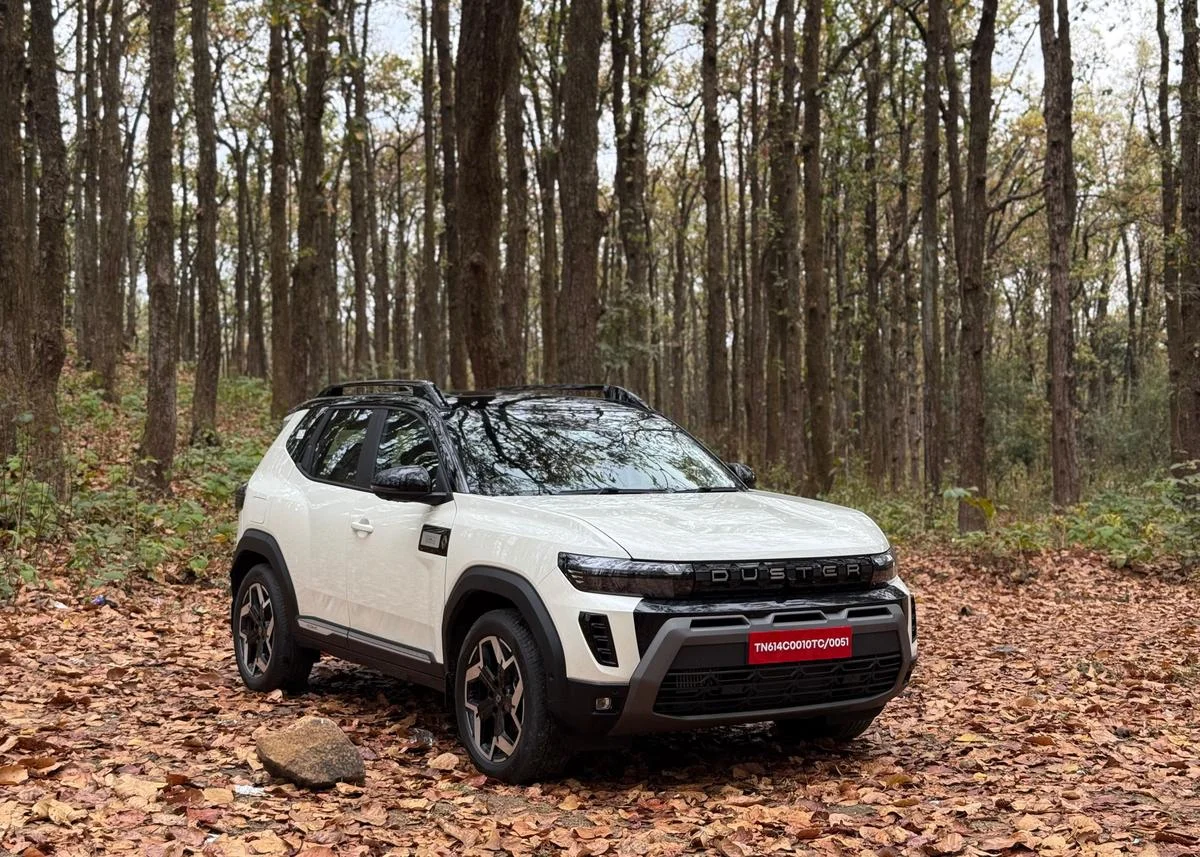
Chennai, India — In the high-stakes arena of the Indian automotive market, Renault is no longer content with being a niche player defined by the occasional blockbuster. Instead, the French automaker is orchestrating a profound structural transformation. At the heart of this metamorphosis is the Renault Bridger Concept, a vehicle that serves as more than just a design study; it is a manifesto for the brand’s future.
As the Indian automotive landscape shifts toward a complex "multi-energy" reality—where internal combustion engines (ICE), hybrids, and electric vehicles (EVs) must coexist—Renault is deploying a sophisticated dual-platform strategy. By 2030, the company aims to expand its portfolio to seven models, positioning India as one of its top three global markets and a primary hub for engineering and exports.
I. Main Facts: The Bridger Concept and the New Architecture
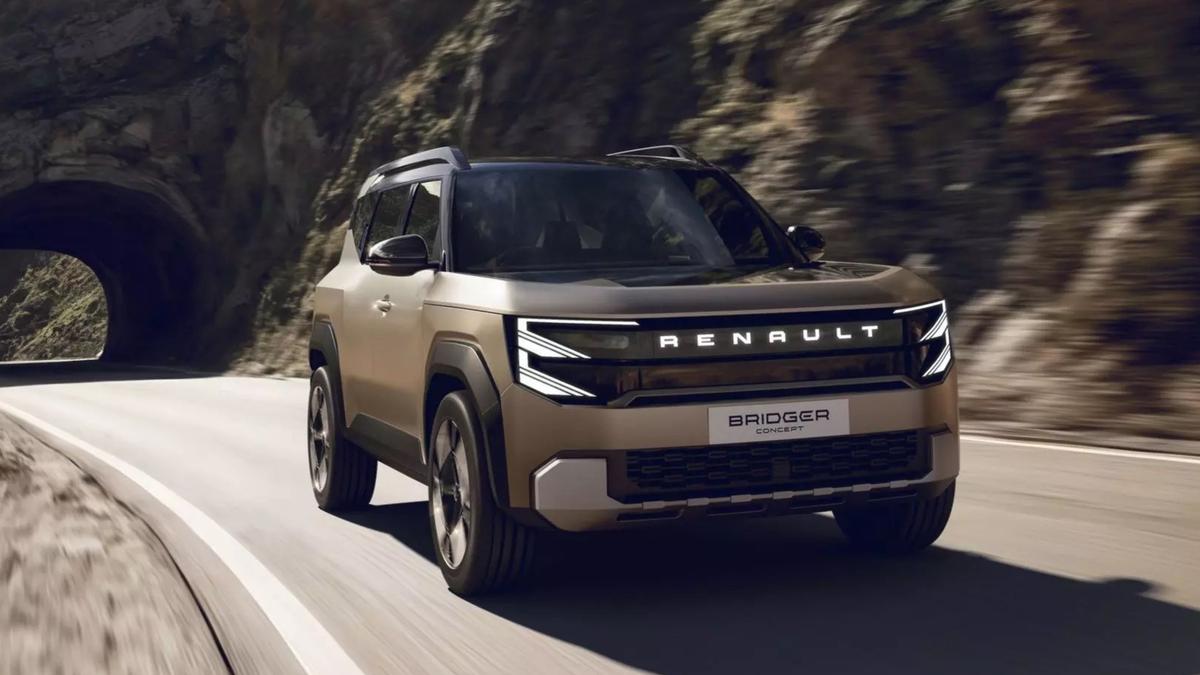
The Renault Bridger Concept represents the brand’s most aggressive entry into the B-SUV segment to date. Designed specifically with the Indian consumer in mind, it balances the rugged aesthetics of an off-roader with the practical dimensions required for urban navigation.
The Design Philosophy
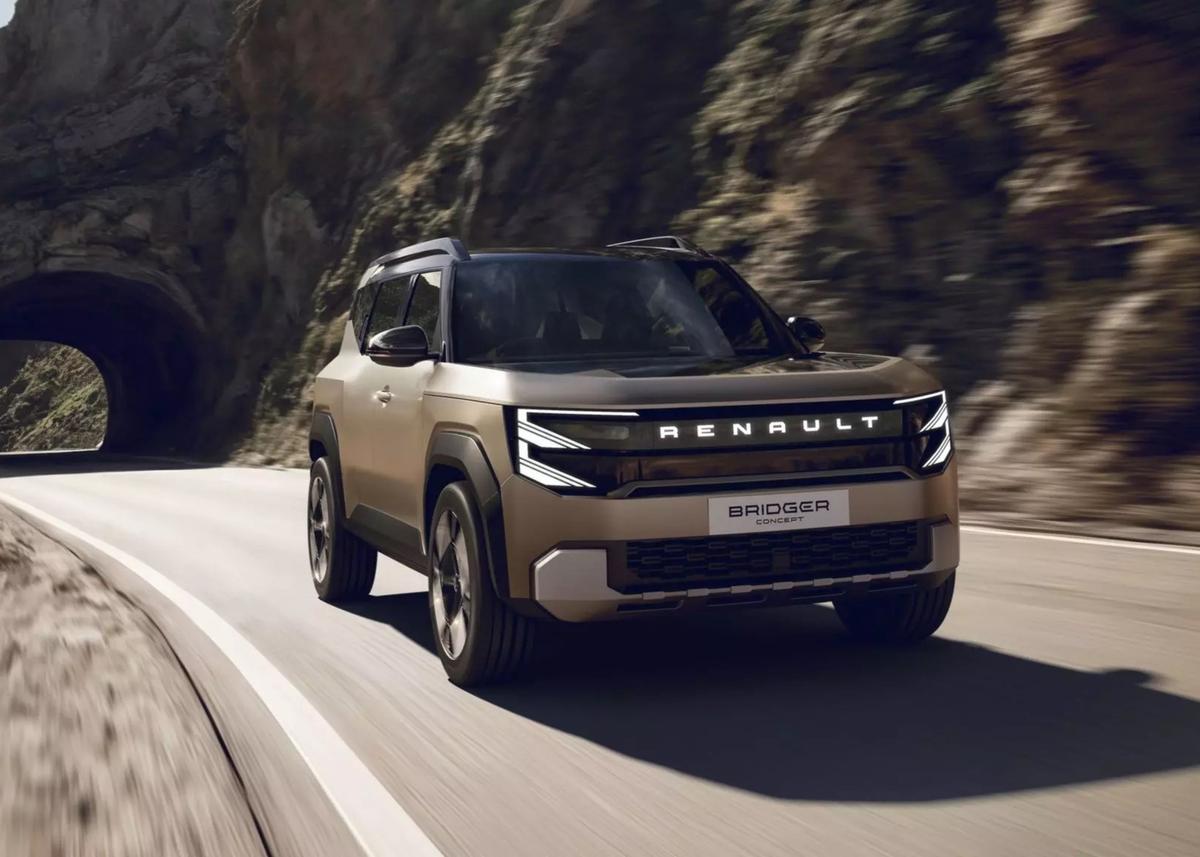
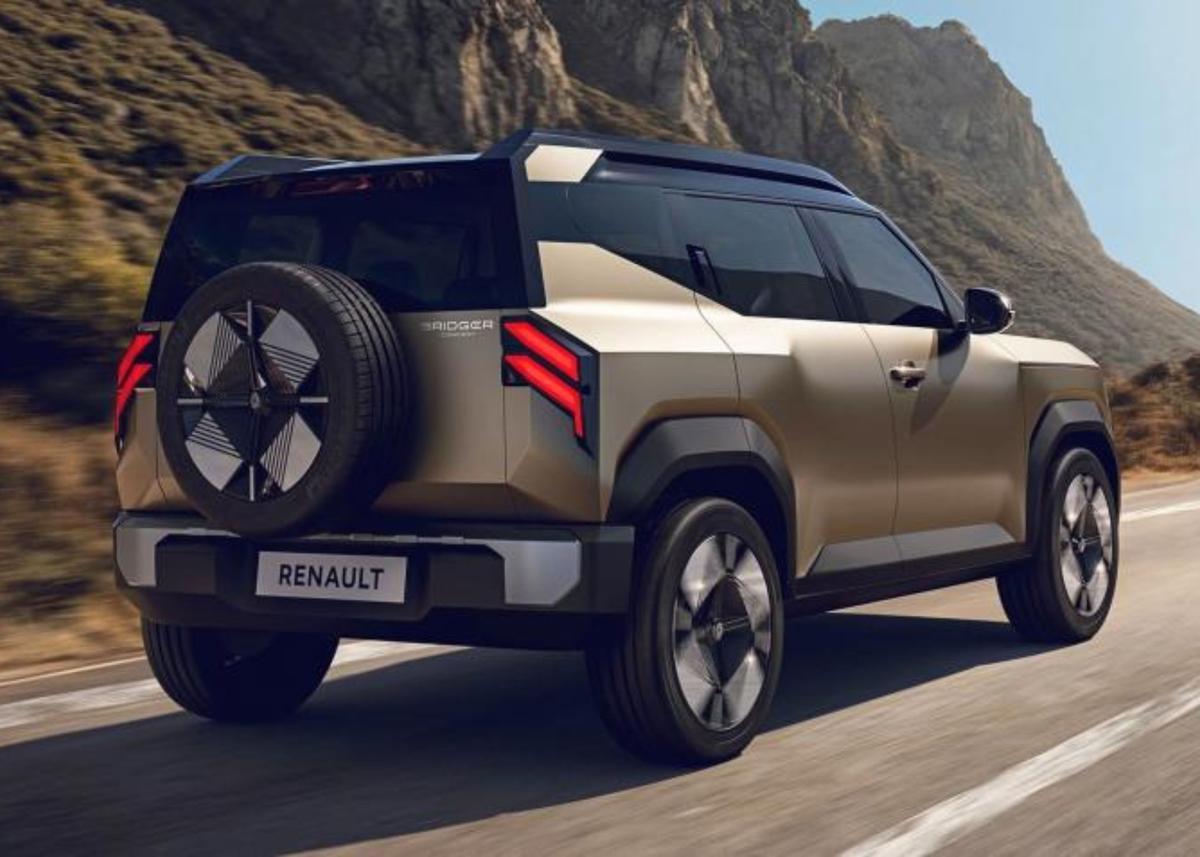
In person, the Bridger Concept exudes a "utilitarian chic" aesthetic. It features an upright nose, squared-off wheel arches, and clean, muscular surfacing. Unlike many concepts that lean toward futuristic abstraction, the Bridger feels grounded in reality. Its tight overhangs and controlled footprint suggest a vehicle optimized for India’s congested city streets, while its high ground clearance and "lifestyle" visual cues tap into the growing demand for adventure-ready vehicles.
The RGMP Breakthrough
While the exterior captures the imagination, the true innovation lies beneath the skin. The Bridger will be the second vehicle built on the Renault Group Modular Platform (RGMP). This architecture is the cornerstone of Renault’s premiumization strategy in India. Unlike older platforms that were restricted to specific engine types, the RGMP is a "multi-energy" toolkit. It has been engineered from the ground up to support:
- Turbocharged Petrol Engines
- Flex-fuel (Ethanol-blended) applications
- Strong Hybrid systems
- Battery Electric Vehicles (BEVs)
This flexibility ensures that Renault can pivot its production based on shifting government regulations or consumer demand without the prohibitive costs of re-engineering the entire chassis.
II. Chronology: From the Duster’s Return to a 2030 Vision
Renault’s current trajectory is the result of a carefully timed rollout designed to recapture the momentum the brand enjoyed during the original Duster’s heyday.
Phase 1: The Return of an Icon
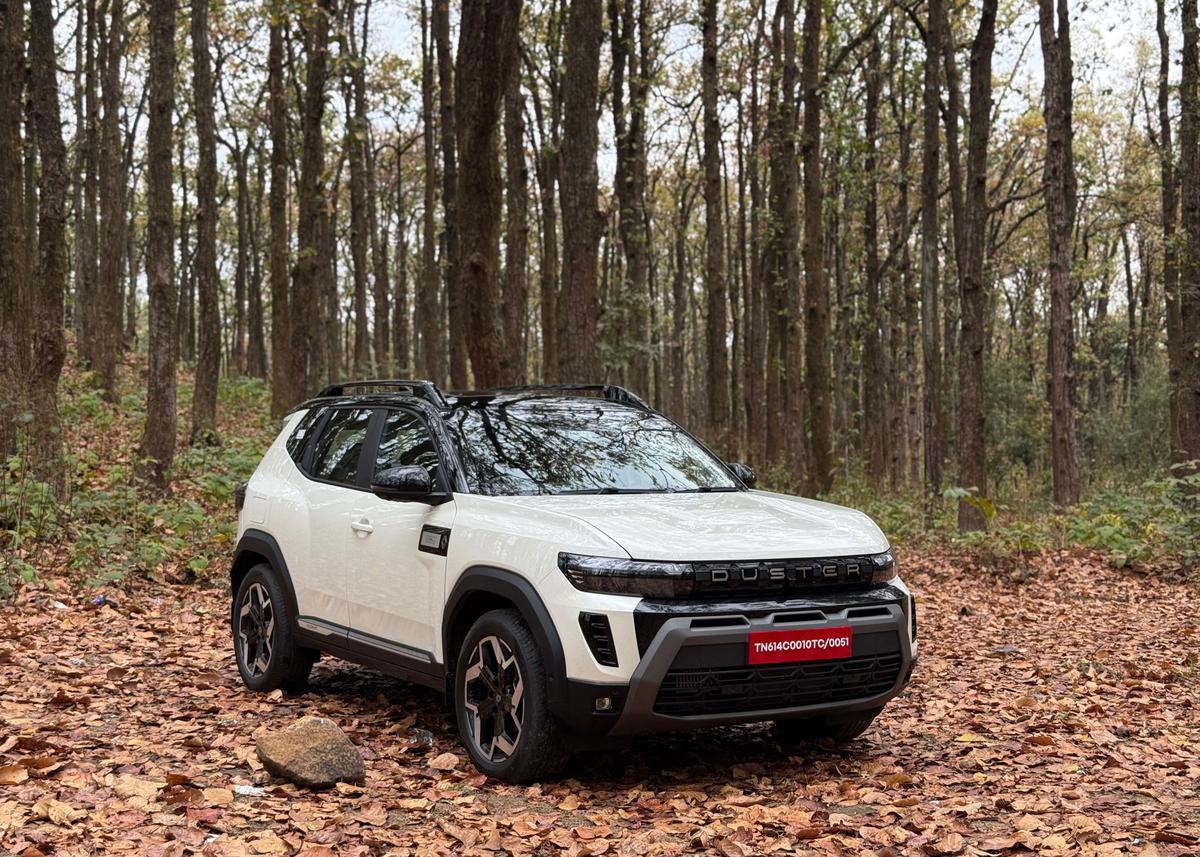
The first chapter of this new era began with the reintroduction of the Renault Duster. Based on the RGMP, the new Duster re-entered the midsize SUV space with a focus on performance via turbo-petrol engines. To bridge the gap toward electrification, a strong hybrid variant of the Duster is scheduled for launch during the current festive season, serving as a litmus test for hybrid adoption in the segment.
Phase 2: The Bridger and Portfolio Expansion
Following the Duster, the Bridger will move into production to dominate the B-SUV category. This will be followed by a series of launches that will see Renault’s Indian lineup grow to seven distinct models by 2030. This cycle represents the most comprehensive product renewal in Renault India’s history.
Phase 3: Refreshing the Entry Segment
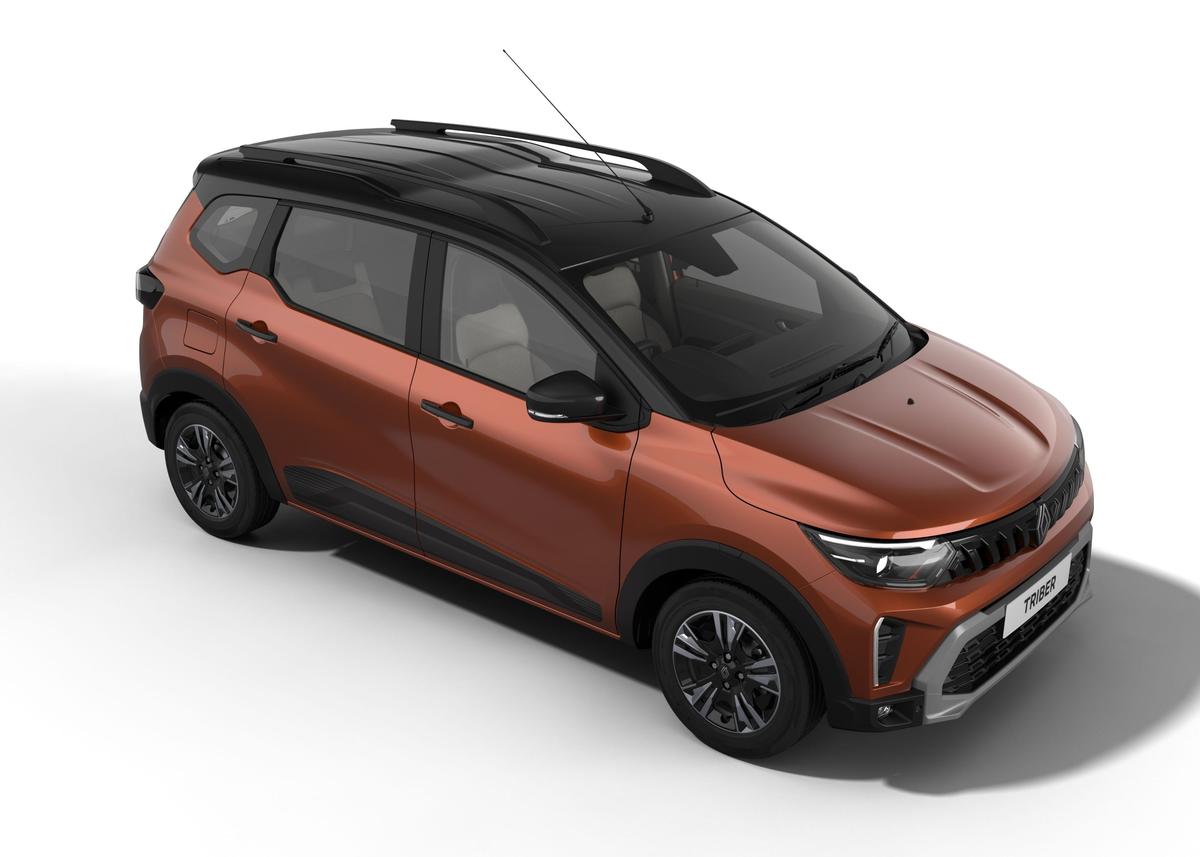
Simultaneously, Renault is not abandoning the value-conscious buyers who made the Kwid, Kiger, and Triber successes. In the immediate pipeline are CNG variants of the Kiger and Triber. Furthermore, the Triber—a unique seven-seater in the compact segment—is slated to receive a more powerful engine option to address consumer feedback regarding its performance under full load.
III. Supporting Data: The Dual-Platform Strategy
To maintain profitability while expanding its reach, Renault is utilizing a two-pronged platform approach. This allows the company to cover the entire price spectrum of the Indian market.
1. RGEP (Renault Group Entry Platform)
The RGEP remains the backbone of Renault’s high-volume, "value-driven" offerings.
- Target Models: Kwid, Kiger, Triber.
- Focus: Cost optimization, fuel efficiency, and accessibility.
- Evolution: Currently being updated to support alternative fuels like CNG to cater to the rising demand for low running costs.
2. RGMP (Renault Group Modular Platform)
The RGMP is the "next-generation" toolkit designed for sophisticated, technology-led products.
- Target Models: Duster, Bridger, and future C-segment SUVs.
- Focus: Advanced electronic architecture, software integration, and superior safety ratings.
- Global Relevance: This platform is shared with international markets, ensuring that Indian-made Renaults meet global standards for export.
Market Projections
Renault’s commitment to India is backed by aggressive internal targets. The company has stated that India is expected to contribute approximately 35 per cent of its total global sales in the near future. This makes the Chennai manufacturing plant and the local R&D center critical nodes in Renault’s global supply chain.
IV. Official Responses: Leadership Insights
During a recent showcase of the RGMP architecture in Chennai, top executives from Renault Group emphasized that their strategy is rooted in "pragmatic innovation."
Francois Provost, CEO of Renault Group (International Development), highlighted the strategic importance of the Indian market:
"India is not just a market for us; it is a global hub for engineering. The flexibility of the RGMP allows us to offer the right technology at the right time. Whether the market moves toward hybrids or jumps straight to EVs, our architecture is ready to respond."
Stephane Deblaise, CEO of Renault India, commented on the design philosophy of the Bridger:
"The Bridger Concept is a direct response to the evolving Indian buyer. They want a vehicle that looks tough and feels premium, but remains practical for daily use. By building this on the RGMP, we are ensuring that the ‘substance’ of the car matches its ‘style’."
Engineering teams at the Chennai facility also noted that the localization levels for the RGMP are among the highest for any global platform launched in India, which will be key to maintaining price competitiveness against domestic giants like Tata Motors and Mahindra.
V. Implications: What This Means for the Indian Market
Renault’s shift from a "single-hit" wonder to a "platform-ecosystem" player has several long-term implications for the industry and consumers.
1. The End of the "One Engine Fits All" Era
By investing in a multi-energy platform, Renault is hedging its bets. While competitors may struggle to adapt ICE platforms for electric powertrains (often resulting in compromised cabin space or battery placement), the RGMP’s native support for batteries ensures that future Renault EVs will not suffer from "converted-car" syndrome.
2. Democratizing Hybrid Technology
The upcoming Duster Hybrid and the potential for a Bridger Hybrid could democratize "strong hybrid" technology, which has largely been the domain of Toyota and Maruti Suzuki in India. This provides consumers with a fuel-efficient alternative to diesel, which is increasingly under regulatory pressure.
3. Strengthening the "Make in India" Export Narrative
With full control over its manufacturing facility and a massive engineering base in Chennai, Renault is positioning India as a primary export base for right-hand-drive markets. The work being done on the Bridger and RGMP will likely find its way to markets in Latin America, Africa, and Southeast Asia, bolstering India’s reputation as a global automotive manufacturing hub.
4. Addressing the Power Gap
The decision to upgrade the Triber’s engine is a significant admission of the need to balance "value" with "performance." By addressing the power limitations of its entry-level vehicles while simultaneously launching premium SUVs like the Bridger, Renault is attempting to retain its existing customer base as they "trade up" to their next vehicle.
Conclusion: A Measured and Robust Future
Renault’s "Phase 2" in India is characterized by a level of technical depth and strategic cohesion that was perhaps missing in previous years. The Bridger Concept is the visible tip of a very large iceberg—an iceberg composed of modular architectures, localized engineering, and a clear-eyed understanding of the Indian consumer’s psyche.
As the company moves toward its 2030 goal of seven models, the success of this strategy will depend on how effectively it can scale the RGMP. If the Bridger can deliver on the promise of its rugged design and multi-energy versatility, Renault may well find itself not just participating in the Indian SUV boom, but leading it.
Motorscribes, in association with The Hindu, brings you the latest in cars and bikes. Follow them on Instagram @motorscribes
