

The landscape of the Indian automotive industry is undergoing a seismic shift, moving away from simple price-point competition toward a complex interplay of technology, platform versatility, and lifestyle-oriented design. At the center of this transformation is Renault. No longer content with being a niche player defined by a single hit like the original Duster, the French automaker has unveiled a comprehensive, multi-layered roadmap for the Indian subcontinent.
The centerpiece of this new era is the Renault Bridger Concept. While technically a design study, the Bridger is far more than a show floor beauty; it is a manifesto of Renault’s future in the highly competitive B-SUV segment. Combined with a radical "dual-platform" strategy and a commitment to launch seven new models by 2030, Renault is positioning India as one of its top three global markets, with the expectation that the region will eventually contribute nearly 35 percent of its global sales.
1. Main Facts: The Bridger Concept and the RGMP Architecture
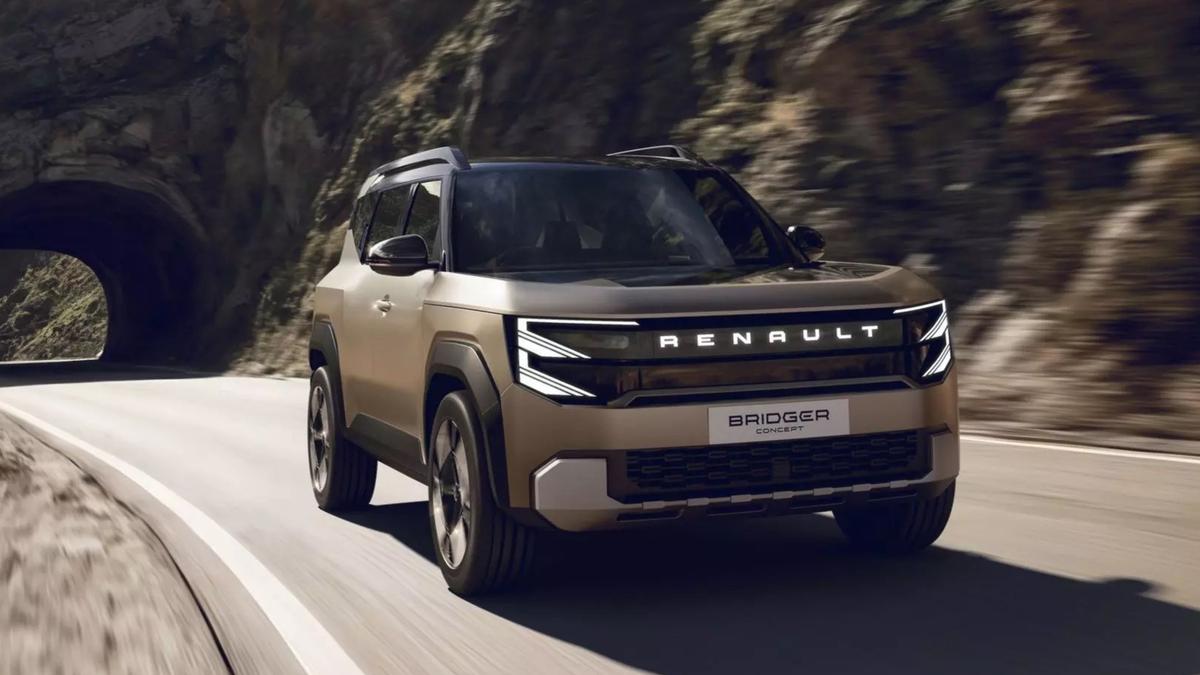
The Renault Bridger Concept serves as the visual and technical vanguard for the brand’s next phase. Positioned in the heart of the B-SUV segment—a category that currently dominates Indian consumer interest—the Bridger balances urban practicality with a rugged, "go-anywhere" aesthetic.
Design and Presence
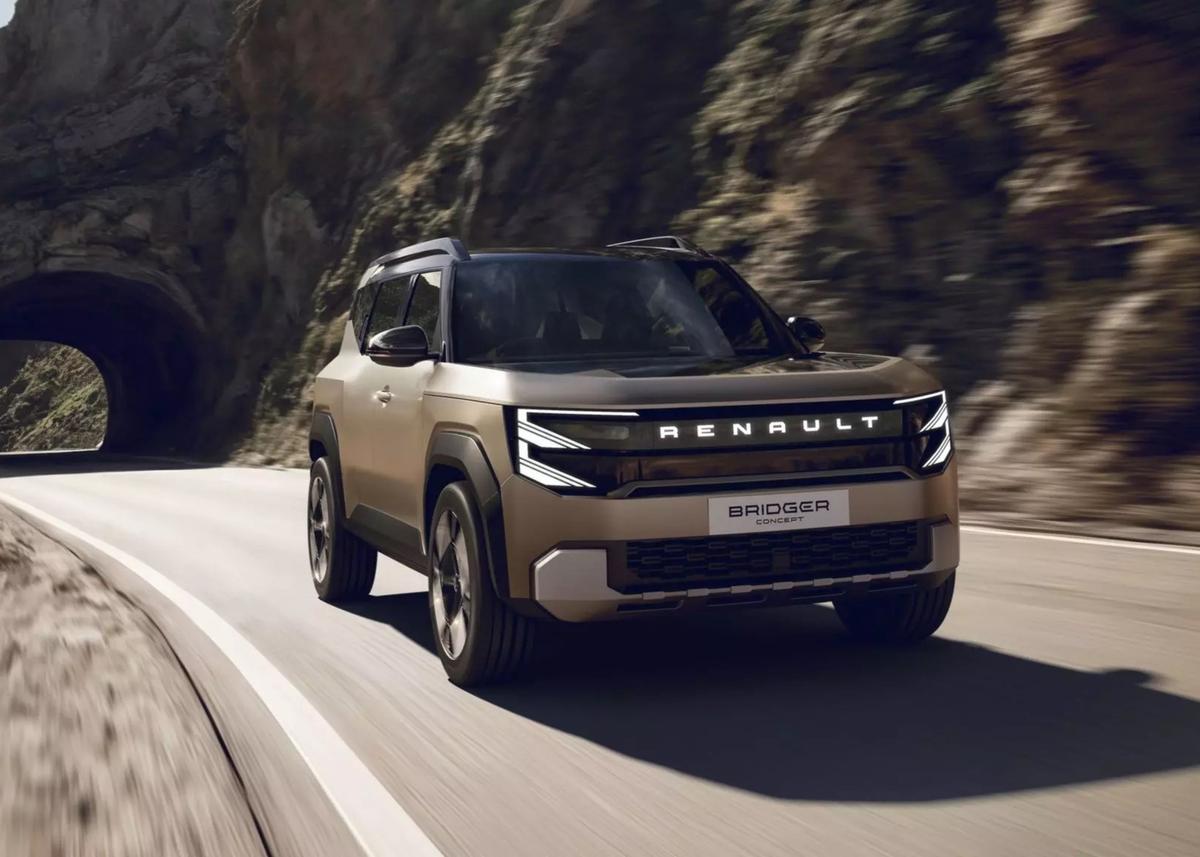
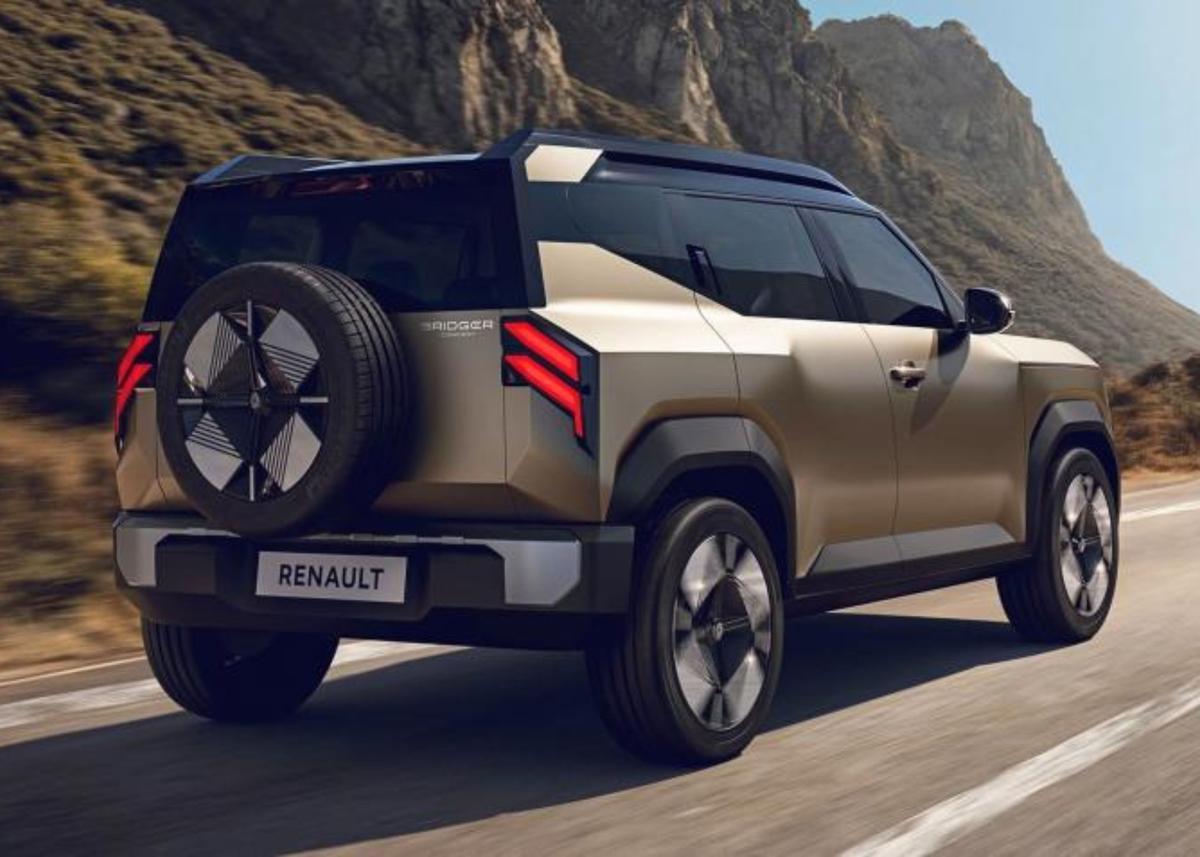
In person, the Bridger Concept commands attention through what designers call "controlled aggression." It features an upright nose, squared-off wheel arches, and clean, muscular surfacing. Unlike many SUVs in this segment that attempt to look larger than they are through excessive chrome or bloated bodywork, the Bridger focuses on "tight packaging." Its short overhangs and deliberate footprint suggest a vehicle built for the tight confines of Indian metros like Mumbai or Bengaluru, while its high ground clearance and utilitarian styling tap into the aspirational lifestyle narrative of the modern Indian buyer.
The RGMP Foundation
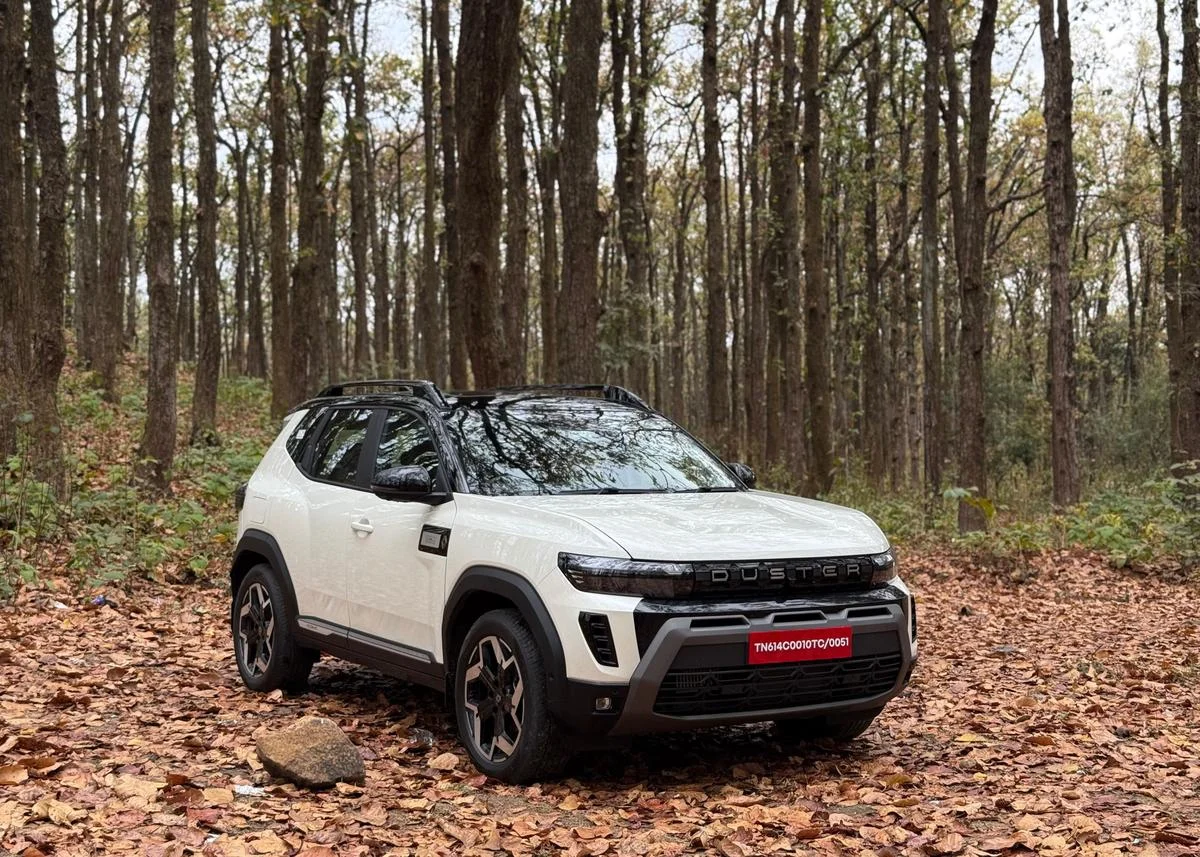
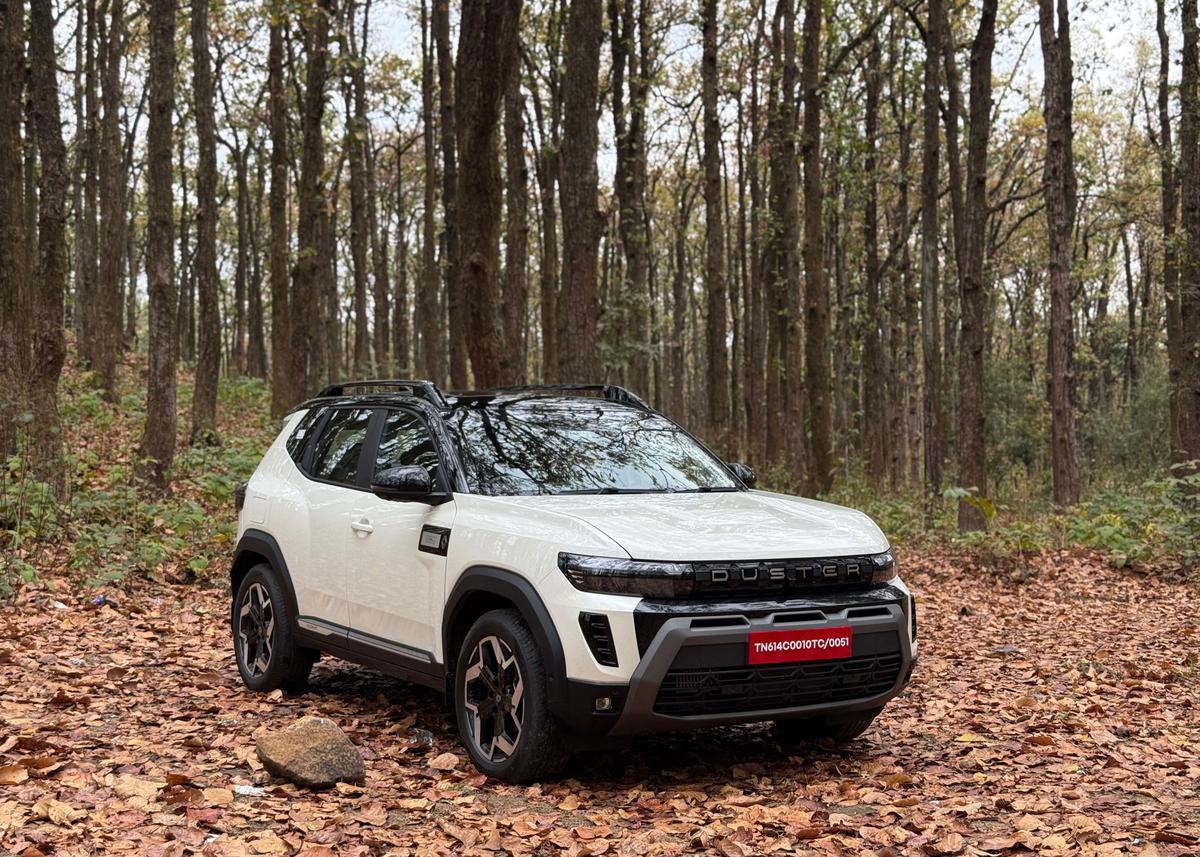
The true significance of the Bridger, however, lies beneath its skin. It is the second vehicle slated to utilize the Renault Group Modular Platform (RGMP). This architecture debuted in India with the recently launched all-new Renault Duster. The RGMP is a "multi-energy" toolkit, meaning it was engineered from the ground up to support a variety of propulsion systems:
- Internal Combustion Engines (ICE): High-efficiency turbo-petrol units.
- Flex-Fuel: Ready for India’s upcoming ethanol-blending mandates.
- Strong Hybrids: A technology increasingly favored by Indian buyers seeking EV-like efficiency without range anxiety.
- Full Electric (BEV): Ensuring the platform remains relevant well into the next decade.
2. Chronology: From Pioneer to Strategic Powerhouse
To understand Renault’s current trajectory, one must look at the brand’s decade-long evolution in India, which has been a journey of high-impact entries and strategic consolidation.
The Duster Era (2012–2021)
Renault’s journey in India was truly defined by the original Duster. It effectively created the midsize SUV segment, offering a monocoque chassis with the ruggedness of a traditional ladder-frame SUV. While the Duster eventually phased out, it established Renault as a brand capable of delivering "tough" engineering.
The "Entry-Level" Dominance (2015–2023)
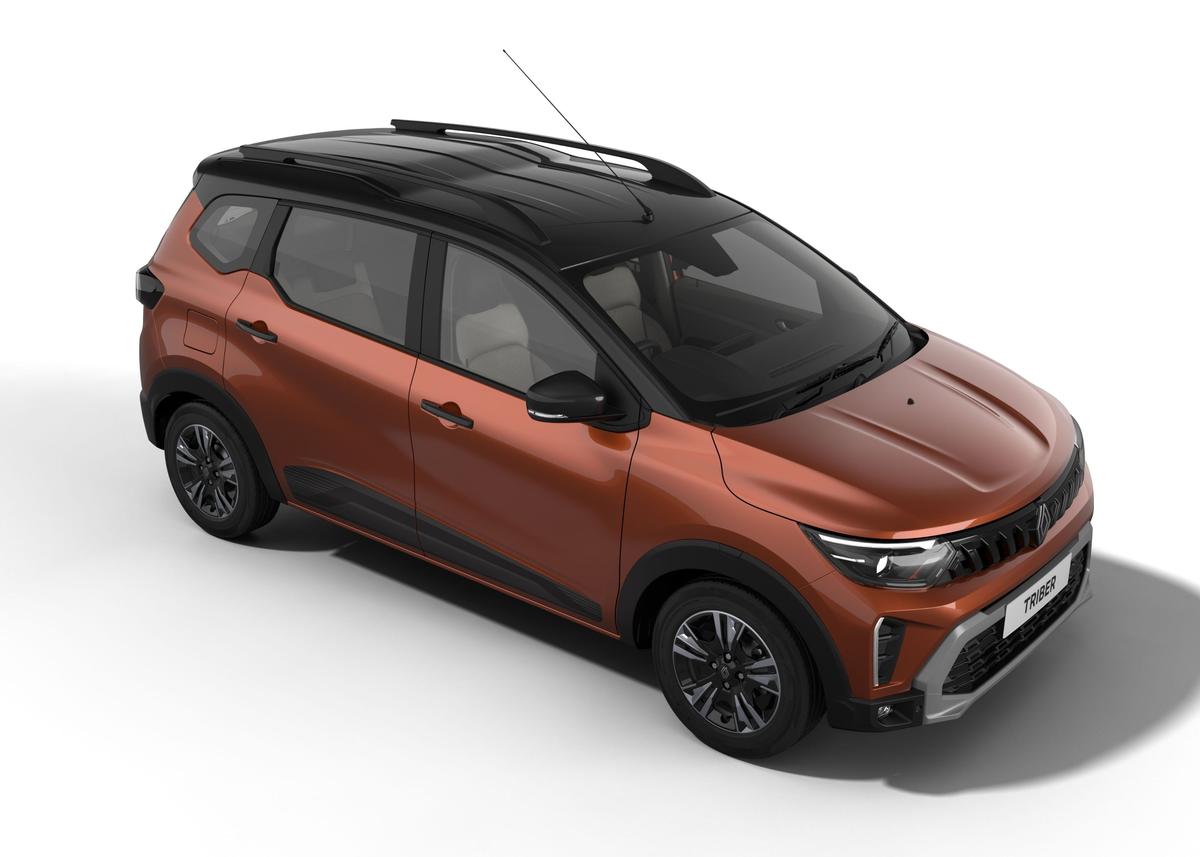
Following the Duster’s initial success, Renault pivoted to the Renault Group Entry Platform (RGEP). This led to the launch of the Kwid, the Triber (a unique 7-seater sub-4m vehicle), and the Kiger compact SUV. This phase was about democratization—bringing design and features to the value-conscious buyer.
The "Renaulution" and the 2024 Pivot
Today, Renault is entering its third and most ambitious phase. The re-introduction of the Duster on the RGMP platform earlier this year marked the beginning. The unveiling of the Bridger Concept follows this, signaling a shift toward more sophisticated, technology-led products. By 2030, this chronology will culminate in a seven-model lineup that covers every major volume segment in the country.
3. Supporting Data: The Dual-Platform Strategy
Renault’s ability to compete in India hinges on its "Dual-Platform" approach. This strategy allows the company to balance affordability with cutting-edge technology, ensuring they do not lose their value-driven customer base while attracting premium buyers.
RGMP: The High-Tech Toolkit
The Renault Group Modular Platform is the company’s "next-generation" architecture.
- Advanced Electronics: RGMP supports more complex electrical architectures, allowing for Level 2 ADAS (Advanced Driver Assistance Systems), larger infotainment screens, and over-the-air (OTA) updates.
- Global Standards: Vehicles on this platform are designed to meet stringent global safety and emission norms, making them viable for export.
- Duster Integration: The new Duster is already utilizing this platform to offer turbo-petrol options, with a "Strong Hybrid" variant confirmed for the upcoming festive season.
RGEP: The Volume Backbone
While RGMP targets the mid-to-high segments, the Renault Group Entry Platform (RGEP) remains the backbone for mass-market volumes.
- Kiger and Triber: These models will continue to evolve on this cost-optimized platform.
- CNG Integration: Recognizing the rising cost of liquid fuels, Renault is currently developing CNG versions of both the Kiger and the Triber.
- Enhanced Performance: To address feedback regarding the Triber’s performance under full load, Renault is preparing a more powerful engine option for the 7-seater, likely a turbocharged variant.
Market Share and Sales Targets
Renault has set an aggressive target: India is to contribute 35% of its global sales. This is supported by an engineering base in Chennai that employs thousands of developers. This facility isn’t just for "localizing" French designs; it is a global hub where platforms are being co-developed for international markets.
4. Official Responses: The Vision from the Top
The strategic importance of India was recently underscored by the leadership at Renault Group during a series of briefings at their Chennai operations.
Mr. Francois Provost, CEO of Renault Group (International Markets), emphasized that the company no longer views India as a "developing market" in the traditional sense. "India is a laboratory for frugality and innovation," Provost noted. He highlighted that the flexibility of the RGMP platform is a direct response to the "multi-technology" reality of India, where ICE, hybrids, and EVs will coexist for at least another decade.
Mr. Stephane Deblaise, CEO of Renault Group India, focused on the "Glocal" nature of their engineering. He stated that the Bridger Concept and the new Duster are products of a "Chennai-first" mindset. "With full control over our manufacturing facility and a massive engineering footprint, we can respond to Indian consumer trends faster than ever before," Deblaise explained. He pointed out that the decision to bring a Strong Hybrid to the Duster was a direct result of monitoring the shifting preferences of Indian SUV buyers.
Both executives reiterated that the goal is not just to sell cars in India, but to use India as a springboard for exports to Latin America, Africa, and Southeast Asia, effectively making the Chennai plant a cornerstone of Renault’s global industrial footprint.
5. Implications: What This Means for the Indian Market
The "Renaulution" in India has several far-reaching implications for consumers, competitors, and the industry at large.
For the Consumer: More Choice, Better Tech
The arrival of the Bridger (in production form) will provide a fresh alternative in the B-SUV segment, which is currently dominated by players like Maruti Suzuki and Hyundai. Buyers can expect a vehicle that offers European driving dynamics and safety standards but with the local "ruggedness" required for Indian roads. Furthermore, the introduction of Strong Hybrids in the Duster and potentially the Bridger will offer a middle ground for those not yet ready to commit to a full EV infrastructure.
For the Competition: A Renewed Threat
For a few years, Renault’s momentum seemed to have plateaued as it focused on the entry-level segment. This new seven-model offensive, backed by a sophisticated modular platform, marks Renault’s return to the "premium-mainstream" space. Competitors will now have to contend with a brand that has high localization levels (keeping prices competitive) but possesses global-standard technology.
For the Industry: The Hybrid vs. EV Debate
Renault’s decision to double down on a "multi-energy" platform like RGMP validates the theory that the transition to green energy in India will be gradual. By investing in Flex-fuel, CNG, and Hybrids alongside EVs, Renault is hedging its bets. This approach is likely to be emulated by other manufacturers who fear that a "pure EV" strategy might be premature given the current charging infrastructure.
Conclusion: A Cohesive Ecosystem
Step back from the individual announcements of the Bridger and the Duster, and a clear picture emerges. Renault is building a cohesive ecosystem where the RGEP platform handles volume and accessibility, while the RGMP platform pushes the brand into the future with technology and versatility.
The Bridger Concept is the "direction of travel," but the roadmap is paved with technical robustness and a deep understanding of the Indian buyer. If Renault can successfully execute this seven-model rollout by 2030, it won’t just be a participant in the Indian market—it will be one of its primary architects. India is no longer just a destination for Renault; it is the engine room of its global future.
