

Introduction
Hyundai Motor India Limited (HMIL), the nation’s second-largest passenger vehicle manufacturer, has officially announced a marginal yet significant price revision across its entire product lineup. Effective from September 1, 2026, the company will implement a price increase of up to 1% on its various models and variants. This strategic move comes at a critical juncture for the Indian automotive industry, as manufacturers grapple with a complex interplay of rising production costs and a shifting macroeconomic landscape.
While a 1% increase may seem modest at first glance, the cumulative effect on high-value models—particularly in the popular SUV and electric vehicle segments—will be noticeable to prospective buyers. As the industry prepares for the high-volume festive season, Hyundai’s decision sets a precedent that may influence the pricing strategies of its primary competitors.
1. Main Facts: The Scope and Scale of the Revision
The price adjustment announced by Hyundai is characterized by its "portfolio-wide" nature, meaning no model—from the entry-level Grand i10 Nios to the flagship Ioniq 5 electric SUV—is entirely exempt. However, the company has clarified that the "up to 1%" figure is a ceiling; the actual quantum of the increase will vary based on the specific model, the trim level (E, S, SX, SX(O), etc.), and the powertrain configuration (Petrol, Diesel, CNG, or Electric).
Key Details of the Announcement:
- Effective Date: September 1, 2026.
- Maximum Increase: 1% of the ex-showroom price.
- Applicability: All passenger vehicles currently sold by Hyundai in India.
- Primary Reason: Escalating input costs and global supply chain pressures.
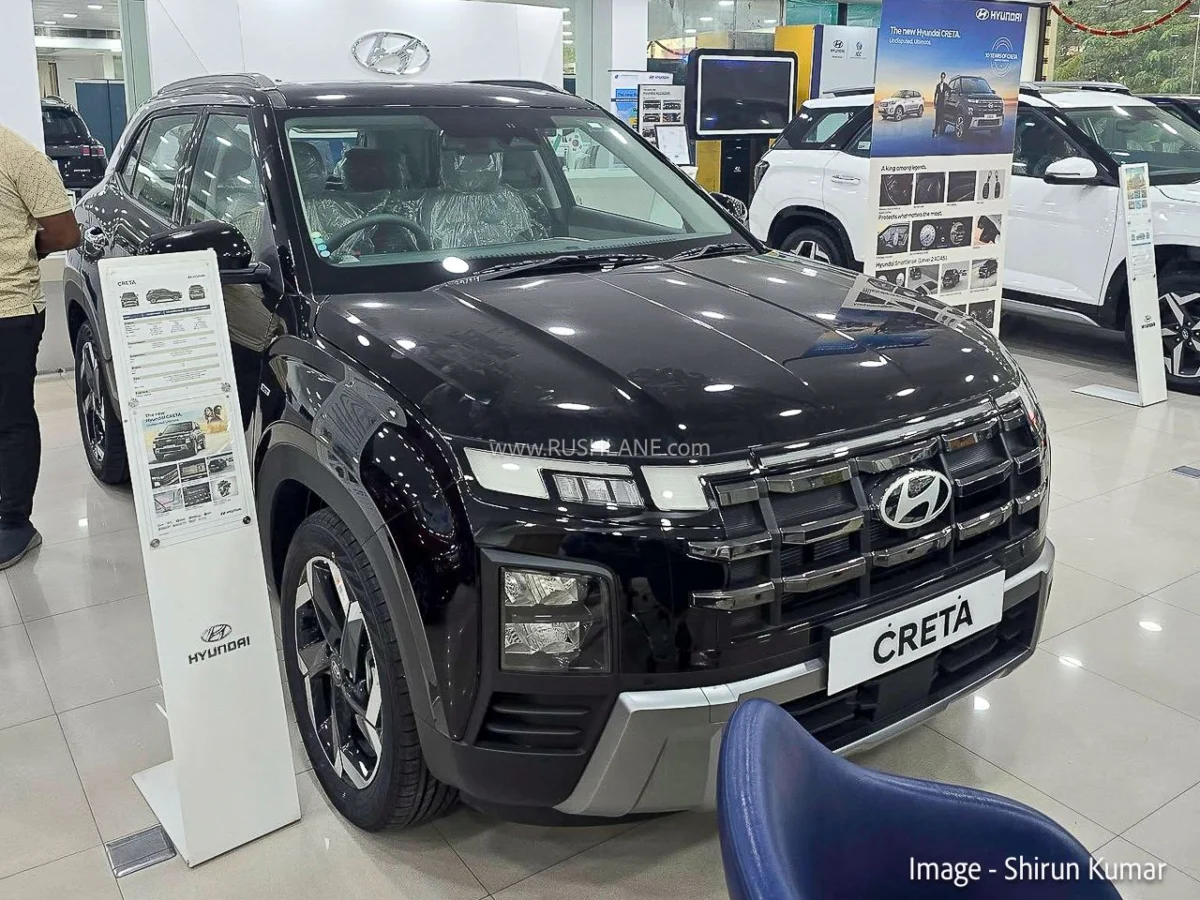
For a best-selling model like the Hyundai Creta, which ranges roughly between ₹11 lakh and ₹21 lakh (ex-showroom), a 1% hike translates to an increase of approximately ₹11,000 to ₹21,000. For the premium Ioniq 5, the hike could exceed ₹45,000. Conversely, for the budget-friendly Grand i10 Nios, the increase might be as low as ₹6,000.
2. Chronology: The Road to the September 2026 Adjustment
The journey toward this price hike has been building throughout the 2026 calendar year. To understand the timing, one must look at the sequence of events that led Hyundai to this decision:
- Q1 2026 (January – March): The year began with a standard industry-wide price correction. Hyundai, like most of its peers, adjusted prices by 0.5% to 1.5% to account for the transition into the new model year and updated regulatory requirements.
- Q2 2026 (April – June): During this period, global commodity markets for steel and aluminum began showing signs of volatility due to geopolitical tensions in key mining and processing regions. While Hyundai maintained price stability during these months to support sales momentum, internal pressure on margins began to mount.
- July 2026: Sales data for July (as indicated by internal reports) showed a steady demand, yet the cost of logistics and energy remained stubbornly high. Freight costs, in particular, saw a spike due to disruptions in major maritime routes.
- August 2026: Hyundai conducted an internal audit of operational expenses. Recognizing that absorbing the entirety of the cost increase was no longer sustainable for long-term fiscal health, the company finalized the decision for a September hike.
- Late August 2026: The official announcement was made to the public and dealership networks to provide a window for customers to finalize purchases under the current price structure.
3. Supporting Data: The Economic Drivers Behind the Hike
Hyundai’s decision is not an isolated event but a response to several hard economic data points. The automotive manufacturing process is highly sensitive to the cost of raw materials and the efficiency of global logistics.
A. Commodity Price Inflation
Raw materials constitute roughly 70% to 75% of a vehicle’s manufacturing cost. In 2026, the price of high-grade automotive steel and aluminum—the backbones of vehicle chassis and engine components—has seen a year-on-year increase. Additionally, the cost of precious metals like palladium and rhodium, essential for catalytic converters to meet stringent emission norms, has remained volatile.
B. Geopolitical and Macroeconomic Uncertainties
The global supply chain has remained under duress throughout 2026. Geopolitical conflicts in Eastern Europe and the Middle East have had a cascading effect on energy prices. Higher fuel costs directly translate to higher transportation and logistics expenses for moving parts from vendors to the factory and finished vehicles from the factory to dealerships across India.
C. Operational and Labor Costs
As inflation impacts the broader economy, operational expenses—including factory wages, electricity, and maintenance—have naturally risen. Hyundai has invested heavily in its manufacturing facilities in Chennai to modernize production lines, and some of these capital expenditures, combined with higher utility costs, have added to the "per-unit" cost of production.

D. Sales Performance Context
According to July 2026 sales data, Hyundai has maintained a strong Year-on-Year (YoY) growth trajectory. However, the company is operating in a "high-volume, low-margin" environment. To protect its ability to reinvest in future technologies—such as EVs and Advanced Driver Assistance Systems (ADAS)—maintaining a healthy bottom line is imperative.
4. Official Responses: The Corporate Stance
Hyundai Motor India has been transparent regarding the necessity of this price revision. In official communications, the company emphasized that this move was a last resort after exhausting various cost-optimization strategies.
The "Absorption" Strategy:
A spokesperson for Hyundai stated, "We have consistently endeavored to absorb the rising costs of production through internal efficiencies and lean manufacturing processes. Our goal has always been to minimize the financial burden on our valued customers. However, given the persistent nature of commodity price hikes and global economic headwinds, it has become necessary to pass on a small portion of these costs to the market."
Commitment to Value:
The company reiterated that while the price is increasing, the value proposition of their vehicles remains unchanged. Hyundai continues to lead in providing "segment-first" features and a robust after-sales service network. The company also clarified that this is a "pure pricing adjustment" and does not coincide with any reduction in features or specifications for the existing models.
5. Implications: What This Means for the Market and Consumers
The timing of this price hike—just before the onset of the festive season—carries significant implications for various stakeholders in the Indian automotive ecosystem.
I. Impact on the Festive Season Sales
The months of September through November, encompassing festivals like Ganesh Chaturthi, Navratri, and Diwali, typically account for nearly 25% to 30% of annual car sales in India. By raising prices just before this period, Hyundai is banking on the fact that the 1% hike is small enough not to deter serious buyers. However, it does change the "on-road" calculation for budget-conscious consumers who may now have to reconsider their choice of variant or accessories.
II. Competitive Response
In the Indian market, pricing moves by a leader like Hyundai often trigger a "domino effect." Competitors such as Maruti Suzuki, Tata Motors, and Mahindra & Mahindra are likely watching this development closely. If these manufacturers are facing similar cost pressures, we can expect a round of price hikes across the industry in early September, effectively resetting the market’s price floor.
III. The "Buy Now" Incentive
The announcement serves as a strategic "nudge" for customers currently in the consideration phase. Dealerships are expected to see a surge in footfalls and bookings in the final week of August as buyers rush to "lock in" current prices. This could result in a significant boost for Hyundai’s August sales figures, helping the company end the month on a high note.
IV. Segment-Specific Impacts
- The SUV Segment: Models like the Creta and Venue are currently the primary drivers of Hyundai’s volume. A 1% hike in this competitive segment might push some buyers toward newer entrants or rival models that haven’t yet adjusted their pricing.
- The EV Segment: With the government’s focus on electrification, the Ioniq 5 and Kona Electric (if applicable) will see the largest absolute price increases. This may slightly dampen the momentum for EV adoption among price-sensitive early adopters.
V. Resale Value and Financing
A rise in new car prices often leads to a proportional increase in the value of used cars. Existing Hyundai owners may see a slight uptick in the trade-in value of their vehicles. On the financing side, bank EMIs (Equated Monthly Installments) will see a marginal increase. For a five-year loan on a ₹15 lakh car, a 1% price hike might add only ₹200–₹300 to the monthly EMI, which many buyers may find manageable.
Conclusion
Hyundai Motor India’s decision to implement a 1% price hike from September 2026 is a pragmatic response to the harsh realities of the global manufacturing economy. While no consumer welcomes a price increase, the transparency with which Hyundai has attributed the hike to commodity and operational costs helps maintain brand trust.
For the Indian automotive industry, this move signals that the era of aggressive price wars may be giving way to a period of margin protection. As we move into the festive season, the success of this pricing strategy will depend on whether Hyundai’s strong brand equity and feature-rich product lineup can outweigh the slight increase in the "sticker price." For now, the message to prospective buyers is clear: if you have a Hyundai in your sights, the final days of August represent the most cost-effective window to make that dream a reality.
