

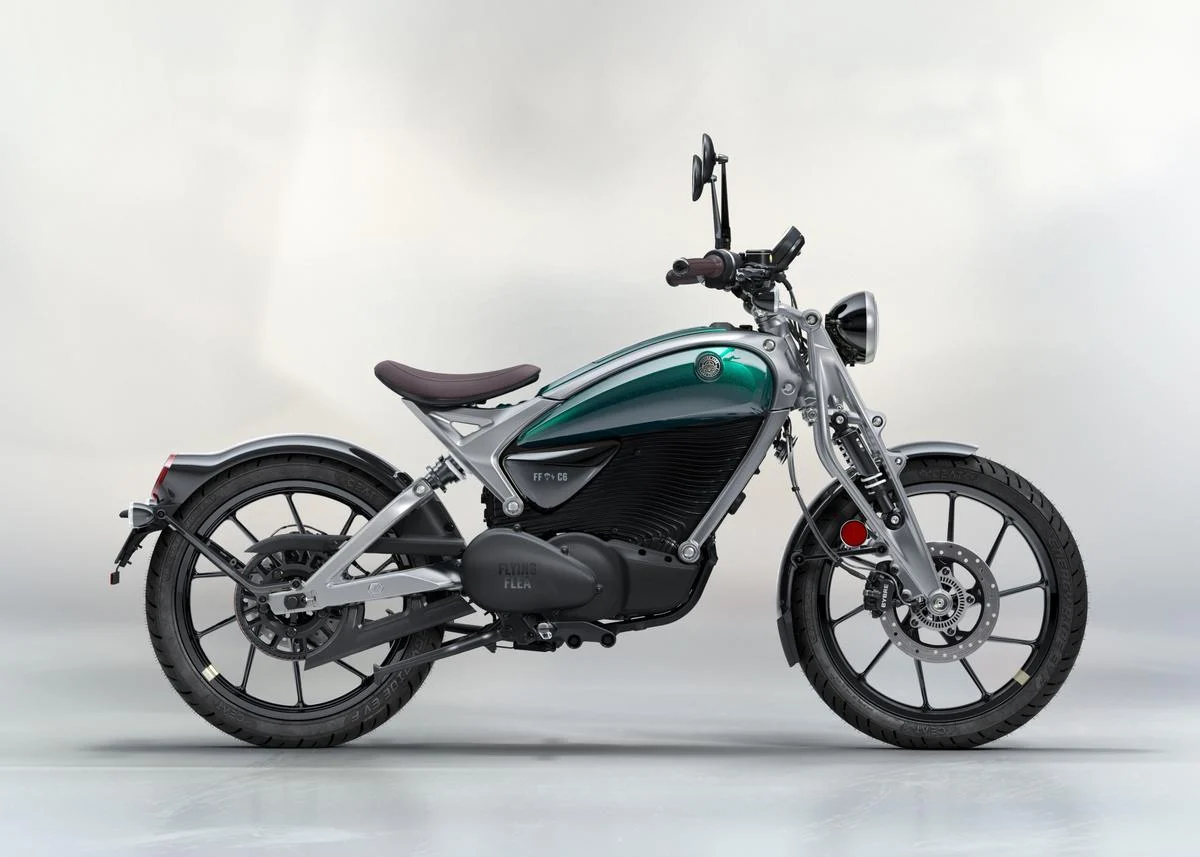
In a move that signals a historic pivot for one of the world’s oldest motorcycle manufacturers, Royal Enfield has officially entered the electric vehicle (EV) sector with the launch of the Flying Flea C6. This is not merely a new model but the flagship offering of a dedicated sub-brand, "Flying Flea," designed to redefine urban mobility through a blend of mid-century aesthetic charm and cutting-edge propulsion technology.
The Flying Flea C6 represents a departure from the heavy, "thumping" cruisers that have defined Royal Enfield for decades. Instead, it introduces a philosophy of lightweight agility, seamless connectivity, and sustainable urban exploration. As the global automotive industry shifts toward electrification, the C6 serves as Royal Enfield’s manifesto for the future, proving that heritage and high-tech can coexist in a single, silent package.
Main Facts: A New Identity for Urban Commuting
The Flying Flea C6 is a ground-up electric platform, meticulously engineered to navigate the complexities of modern city environments. Unlike many electric conversions that attempt to fit batteries into existing frames, the C6 utilizes a bespoke architecture optimized for the unique weight distribution and thermal requirements of an EV.
Key Specifications at a Glance:
- Powertrain: 15.4 kW electric motor generating 60 Nm of peak torque.
- Energy Storage: 3.91 kWh high-density lithium-ion battery.
- Performance: A top speed of 115 km/h, tailored for urban and suburban arterial roads.
- Weight: An exceptionally low kerb weight of 124 kg.
- Pricing: ₹2.79 lakh (ex-showroom), with a Battery-as-a-Service (BaaS) entry point of ₹1.99 lakh.
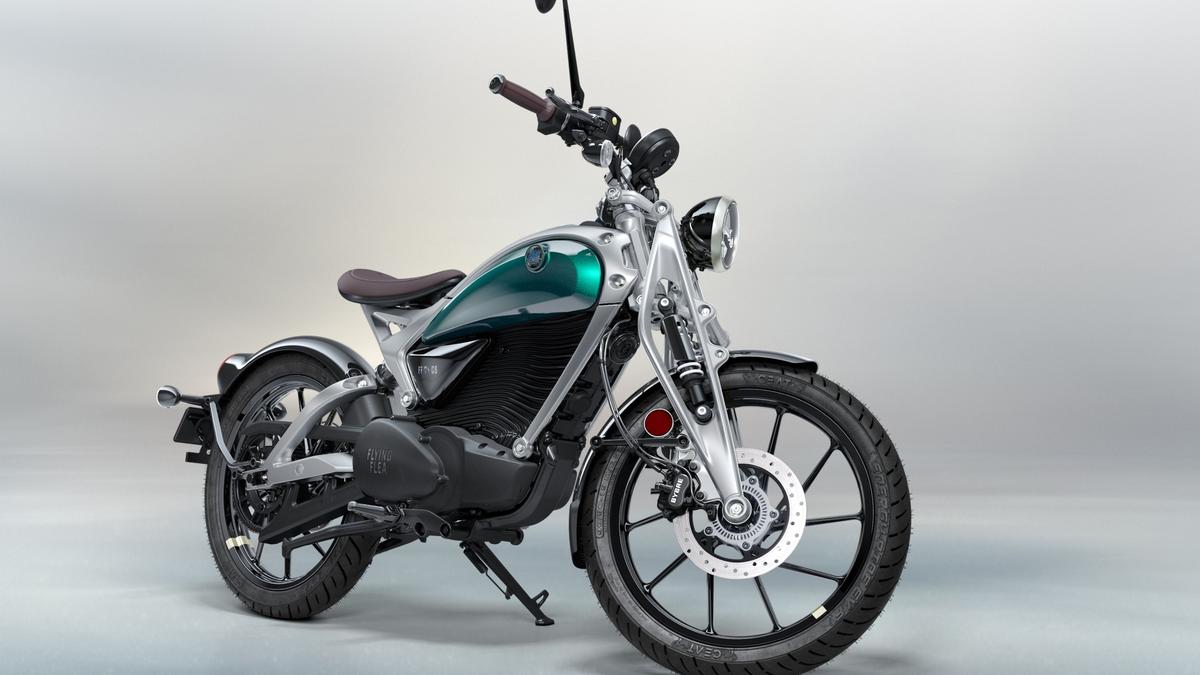
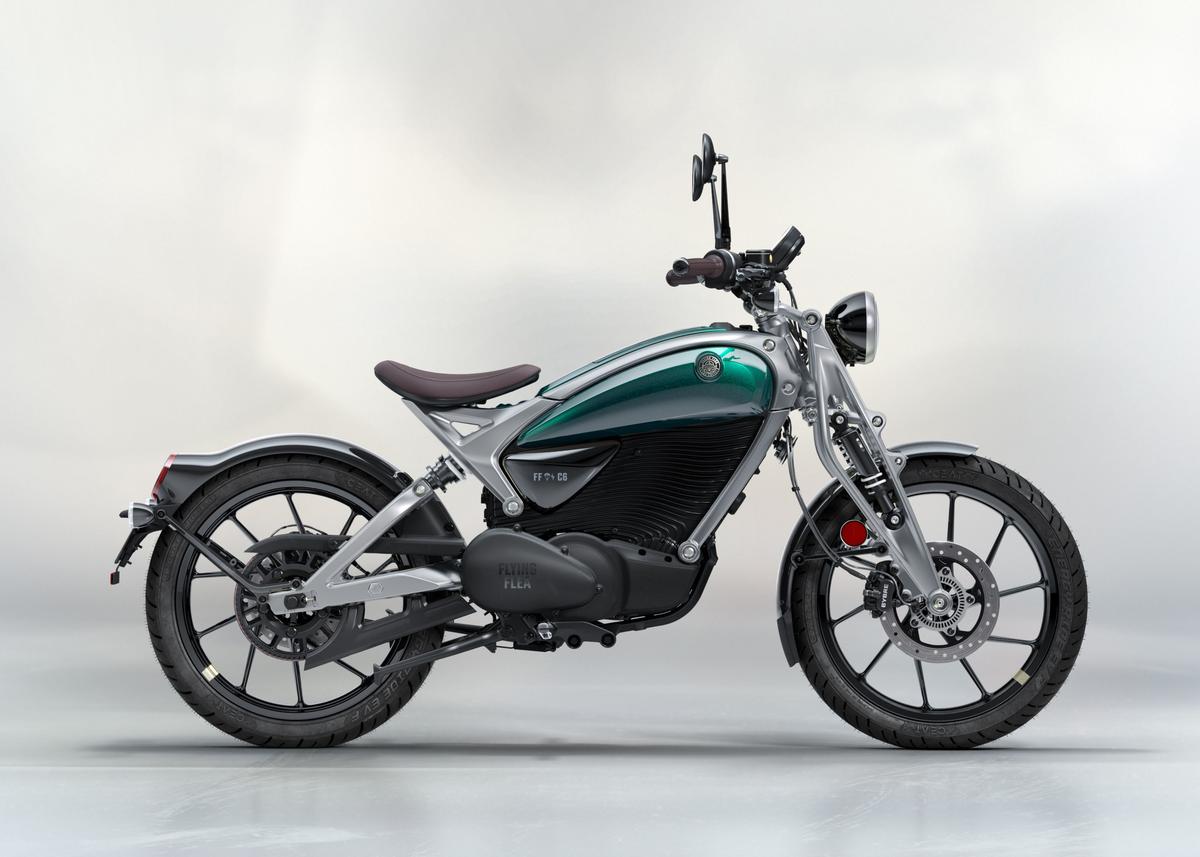
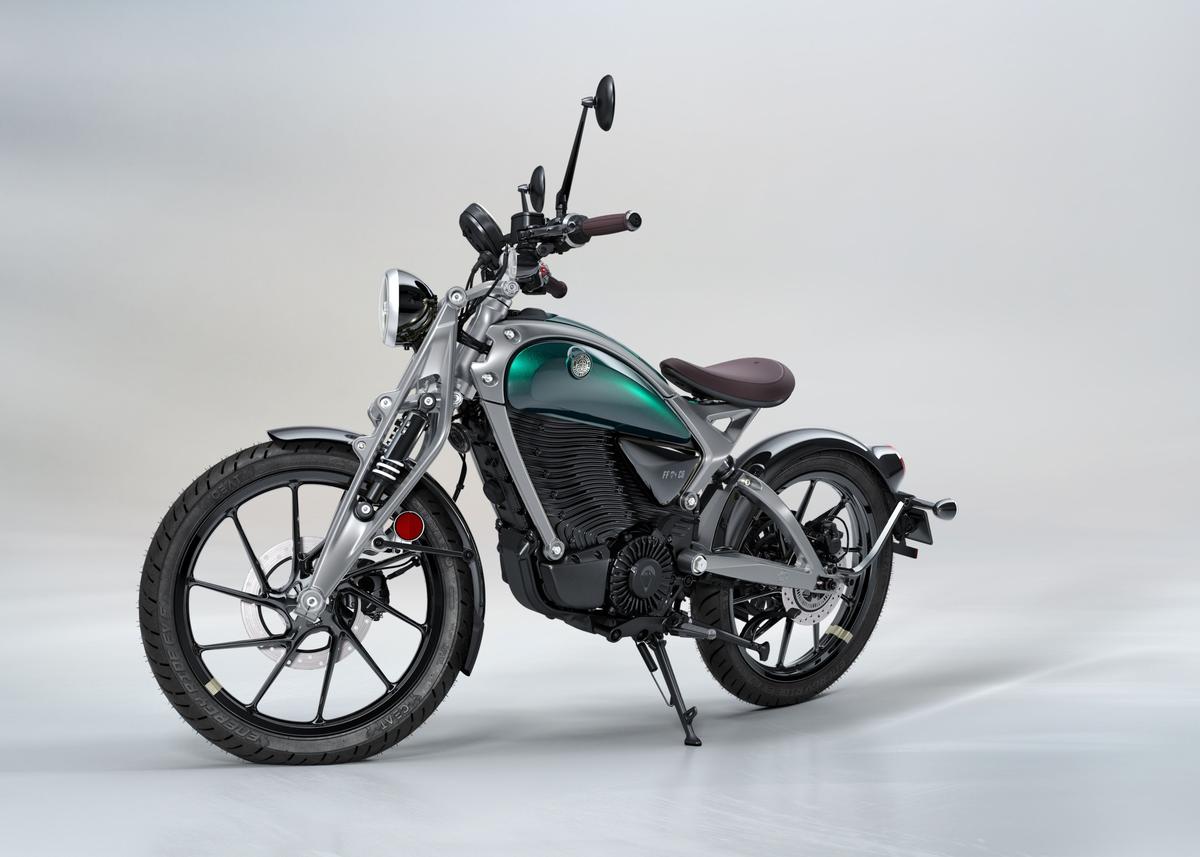
The C6 is positioned as a premium urban tool. Its design language is a sophisticated "retro-futurism," characterized by a forged aluminium girder fork—a visual nod to the 1940s—paired with a circular TFT touchscreen that serves as the nerve center for the motorcycle’s extensive digital features.
Chronology: From Parachutes to Plug-ins
The "Flying Flea" name is steeped in military history, and its revival for the electric era is a deliberate attempt to link the brand’s past with its future.
1940s: The Original WD/RE 125
During World War II, Royal Enfield produced the WD/RE 125, affectionately known as the "Flying Flea." This lightweight, 125cc two-stroke motorcycle was designed to be dropped out of airplanes in protective cradles to support paratroopers behind enemy lines. Its defining characteristics were simplicity, lightness, and the ability to traverse terrain where larger vehicles would fail.
2020–2024: The Secret Development
Behind closed doors, Royal Enfield began investing heavily in EV research and development. This period saw the acquisition of a stake in the Spanish electric off-road brand Stark Future SL and the establishment of a dedicated EV wing within the company’s UK and India technical centers. The goal was to create an electric bike that didn’t just feel like a gadget, but like a Royal Enfield.
April 2026: The Global Reveal
The Flying Flea C6 was officially unveiled, marking the birth of the sub-brand. The launch in Bengaluru serves as the first phase of a global rollout, targeting urban centers where emissions regulations and traffic density are driving a demand for premium electric two-wheelers.

Supporting Data: Technical Excellence and Architecture
The Flying Flea C6’s performance is a result of meticulous weight management and thermal engineering. At 124 kg, the C6 is nearly 70 kg lighter than a Royal Enfield Classic 350, providing a power-to-weight ratio that ensures brisk acceleration in "stop-and-go" city traffic.
The Power Unit and Battery Management
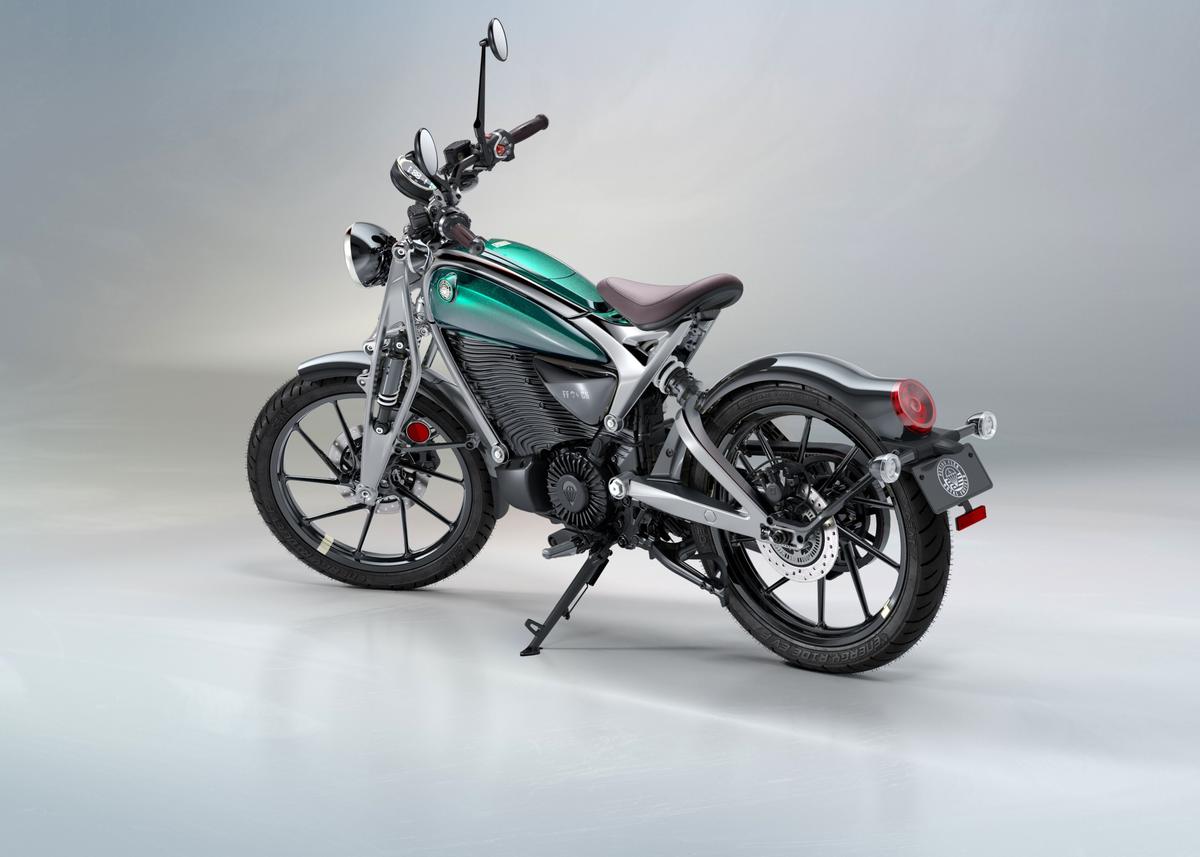
The 3.91 kWh battery is encased in a finned magnesium-alloy housing. These fins are functional, providing passive cooling to the cells during high-drain usage and rapid charging. The motor, producing 60 Nm of torque, delivers its power instantaneously, a hallmark of electric propulsion that allows the C6 to out-accelerate many 250cc internal combustion engine (ICE) motorcycles in the 0–60 km/h range.
Charging Versatility
Recognizing that charging infrastructure remains a primary concern for EV adopters, Royal Enfield has equipped the C6 with a flexible charging system:
- Home Charging: Compatible with a standard 16 Amp wall socket.
- Rapid Charging: The battery can be replenished from 20% to 80% in approximately 65 minutes.
- Efficiency: The system is optimized to add roughly 1 km of range for every minute of charging under ideal conditions.
- Regenerative Braking: The C6 features adjustable levels of "regen," allowing the motor to act as a generator during deceleration, feeding energy back into the battery and reducing wear on the mechanical brakes.
Chassis and Suspension
The standout feature is the forged aluminium girder fork. While modern motorcycles almost universally use telescopic forks, the girder setup on the C6 allows for a unique aesthetic while maintaining high longitudinal stiffness. This is paired with an articulating mudguard that moves in tandem with the wheel, ensuring a tight, clean silhouette.
Official Responses and Strategic Positioning
While the company maintains a focus on its heritage, official communications emphasize that the Flying Flea brand is a "digital-first" entity. The C6 is the first Royal Enfield product to feature a fully integrated software stack developed in-house.
The Software Ecosystem
The C6 is perpetually connected via 4G, WiFi, and Bluetooth. This connectivity enables:
- Over-the-Air (OTA) Updates: Allowing the company to improve motor controllers, battery management algorithms, and UI features remotely.
- Adaptive Learning: The motorcycle’s software monitors rider behavior to optimize range predictions and throttle response over time.
- Safety Suite: In a first for this segment, the C6 includes lean-sensitive ABS and traction control, utilizing an Inertial Measurement Unit (IMU) to adjust safety interventions based on the bike’s lean angle.
The Battery-as-a-Service (BaaS) Model
In a strategic move to lower the barrier to entry, Royal Enfield is introducing a BaaS ownership model. By decoupling the cost of the battery from the vehicle, the upfront price drops to ₹1.99 lakh. Customers then pay a subscription fee for the battery, which includes guarantees on battery health and potential future upgrades. This model addresses the "residual value" anxiety often associated with aging EV batteries.
Implications: A New Era for the "Thump"
The introduction of the Flying Flea C6 has profound implications for both Royal Enfield and the wider motorcycle industry.
1. Brand Evolution
For decades, Royal Enfield’s brand equity was tied to the "thump" of its long-stroke engines. The C6 proves that the brand can survive—and perhaps thrive—without it. By leaning into the "Flying Flea" history, the company is successfully rebranding "lightweight" and "silent" as premium attributes rather than compromises.
2. The Urban Premium Segment
The C6 does not compete with budget electric scooters. Instead, it carves out a new "Urban Premium" niche. It targets the professional who wants a stylish, eco-conscious commuter that offers the soul of a motorcycle rather than the utility of a step-through scooter.
3. Technological Leadership
The inclusion of high-end features like lean-sensitive ABS, a forged girder fork, and a full connectivity suite signals that Royal Enfield is no longer a "legacy" manufacturer playing catch-up. They are now competing directly with tech-heavy startups and established European manufacturers in the EV space.
4. Future Scalability
The C6 is just the beginning. The platform is designed to be modular, hinting at future iterations that could include scrambler variants, "S6" sportier versions, or even long-range touring models as battery density improves. The Flying Flea sub-brand provides Royal Enfield with a "sandbox" to experiment with radical designs without alienating the traditionalist fanbase of the Bullet or Classic series.
Conclusion
The Flying Flea C6 is more than a motorcycle; it is a calculated risk that appears poised to pay off. By honoring its wartime heritage while embracing a software-driven future, Royal Enfield has created a vehicle that feels both nostalgic and inevitable.
As deliveries begin in Bengaluru in May 2026, the industry will be watching closely. If the C6 succeeds, it will not only secure Royal Enfield’s place in the electric future but also provide a blueprint for how legacy brands can reinvent themselves without losing their soul. The "Flea" has returned, and this time, it flies on electrons.
This report was compiled in association with Motorscribes and The Hindu. For the latest updates on the evolving world of automotive technology, follow @motorscribes on Instagram.
