

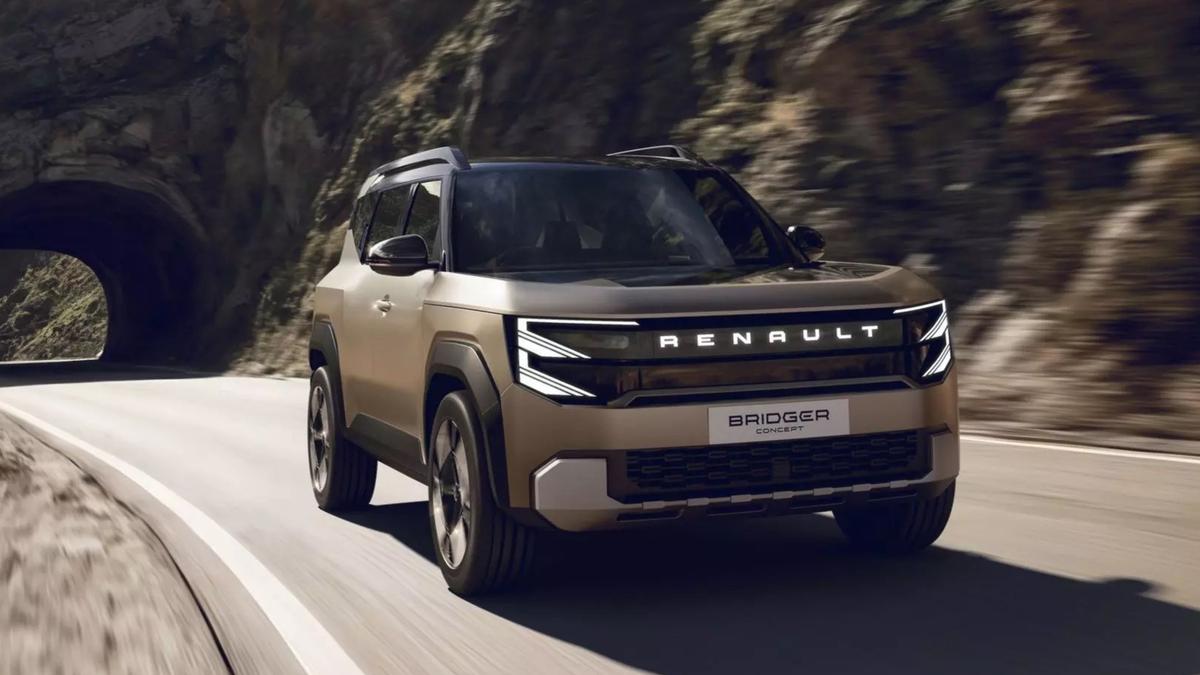
CHENNAI — In the high-stakes arena of the Indian automotive market, Renault is no longer content with being a niche player defined by past successes. The French automaker has unveiled a comprehensive, layered strategy that signals a fundamental shift in its approach to the subcontinent. At the heart of this transformation is the Renault Bridger Concept, a vehicle that serves as both a preview of a critical new B-SUV and a manifesto for the brand’s technological future.
This new phase, characterized by a dual-platform strategy and a commitment to "multi-energy" powertrains, aims to propel India into Renault’s top three global markets. With a goal to contribute nearly 35 percent of its global sales from the Indian market in the coming years, Renault is doubling down on localization, engineering flexibility, and a product offensive that will see seven new models launched by 2030.
Main Facts: A Dual-Platform Foundation
Renault’s strategy is built upon two distinct architectural pillars designed to cover the entire spectrum of the Indian market, from value-conscious first-time buyers to tech-savvy urban professionals.
The RGMP: The High-Tech Future
The Renault Group Modular Platform (RGMP) is the brand’s next-generation toolkit. It is engineered to support a sophisticated array of electronics and software, but its most critical feature is its "multi-energy" capability. Unlike older architectures that required significant re-engineering to switch from petrol to electric, the RGMP was designed from the outset to accommodate:
- Internal Combustion Engines (ICE)
- Flex-fuel applications
- Strong Hybrids
- Full Battery Electric Vehicles (BEV)
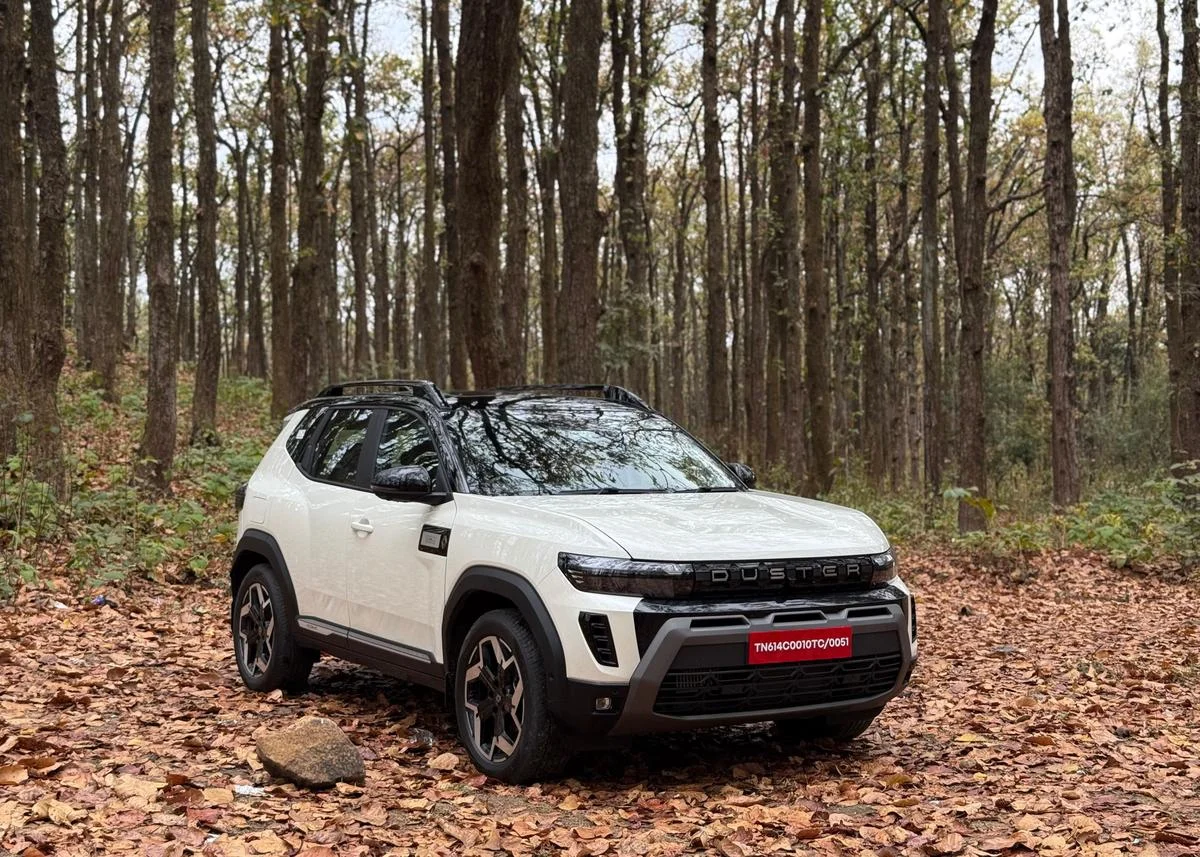
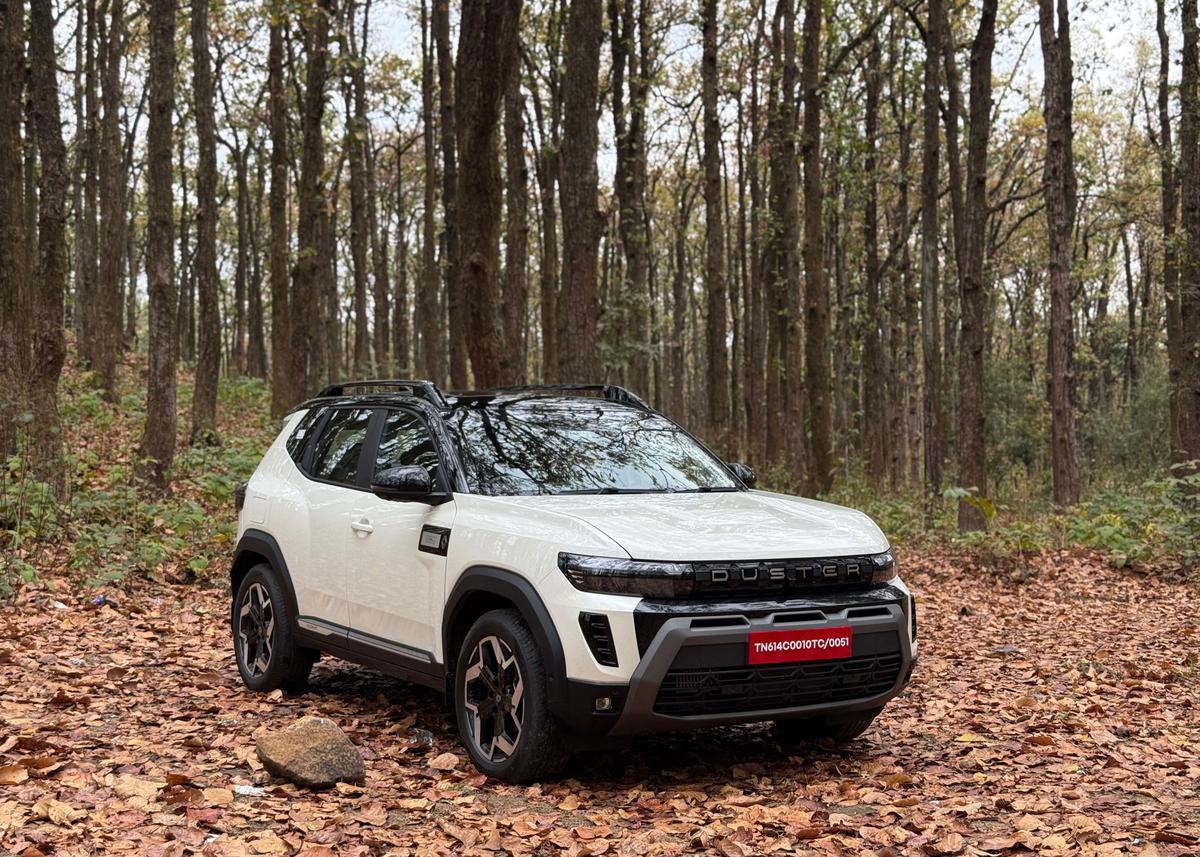
The recently launched Renault Duster was the first to utilize this platform in India. The Bridger Concept will be the second, solidifying the RGMP as the backbone of Renault’s premium and mid-size offerings.
The RGEP: The Volume Driver
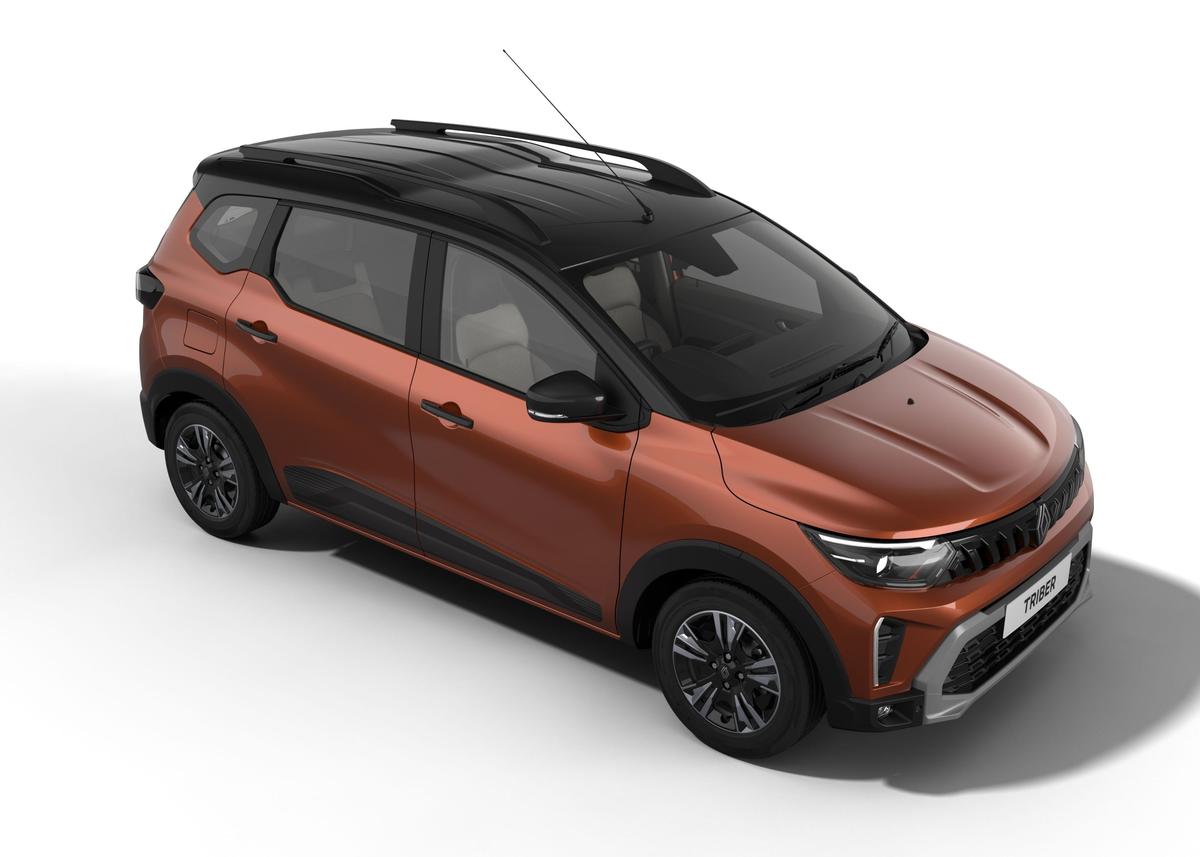
The Renault Group Entry Platform (RGEP) continues to serve as the foundation for Renault’s most accessible models, such as the Kiger and Triber. While it focuses on cost-optimization, it is being evolved to include alternative fuels like CNG to meet the demand for lower running costs in the value segment.
Chronology: From the Duster Legacy to the 2030 Vision
To understand Renault’s current trajectory, one must look at the timeline of its evolution in India, a journey marked by disruptive successes and strategic recalibrations.
- 2012–2019: The Disruptor Phase: Renault established itself with the original Duster, which effectively created the mid-size SUV segment in India. This was followed by the Kwid, which challenged the entry-level hatchback monopoly.
- 2019–2023: The Value Expansion: The launch of the Triber (a unique sub-4m seven-seater) and the Kiger (a compact SUV) demonstrated Renault’s ability to maximize space and design on the RGEP platform.
- 2024: The RGMP Era Begins: The introduction of the all-new Duster marks the transition to the RGMP architecture. This year also saw the unveiling of the Bridger Concept, bridging the gap between the compact Kiger and the mid-size Duster.
- Late 2024 (Festive Season): Renault is slated to launch the "Strong Hybrid" variant of the Duster, marking its first major push into electrified powertrains in India.
- 2025–2030: The Product Offensive: Renault plans to scale its portfolio to seven models, including the production version of the Bridger and full electric vehicles based on the RGMP architecture.
Supporting Data: Engineering the Bridger Concept
The Bridger Concept is positioned in the "heart" of the B-SUV segment, a territory currently dominated by heavyweights like the Maruti Suzuki Brezza and Tata Nexon. However, Renault’s approach with the Bridger is more nuanced.
Design and Packaging
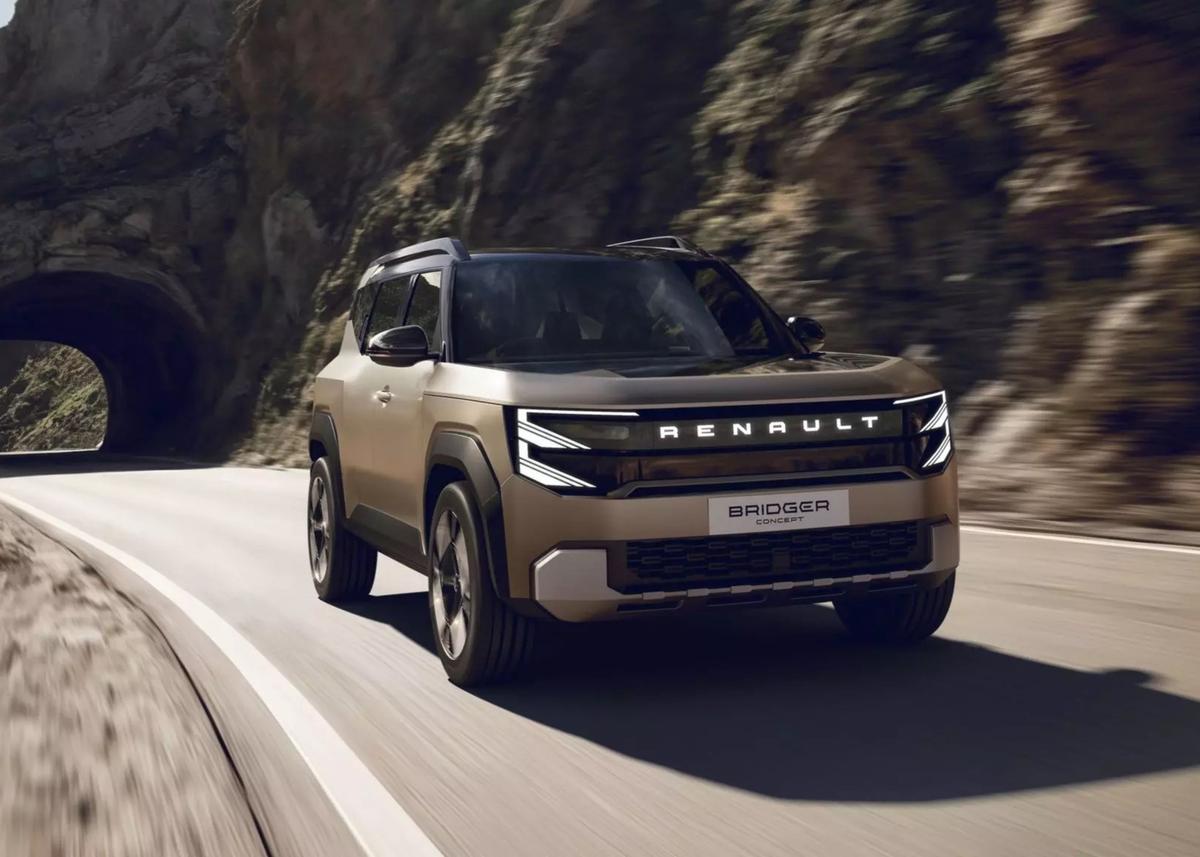
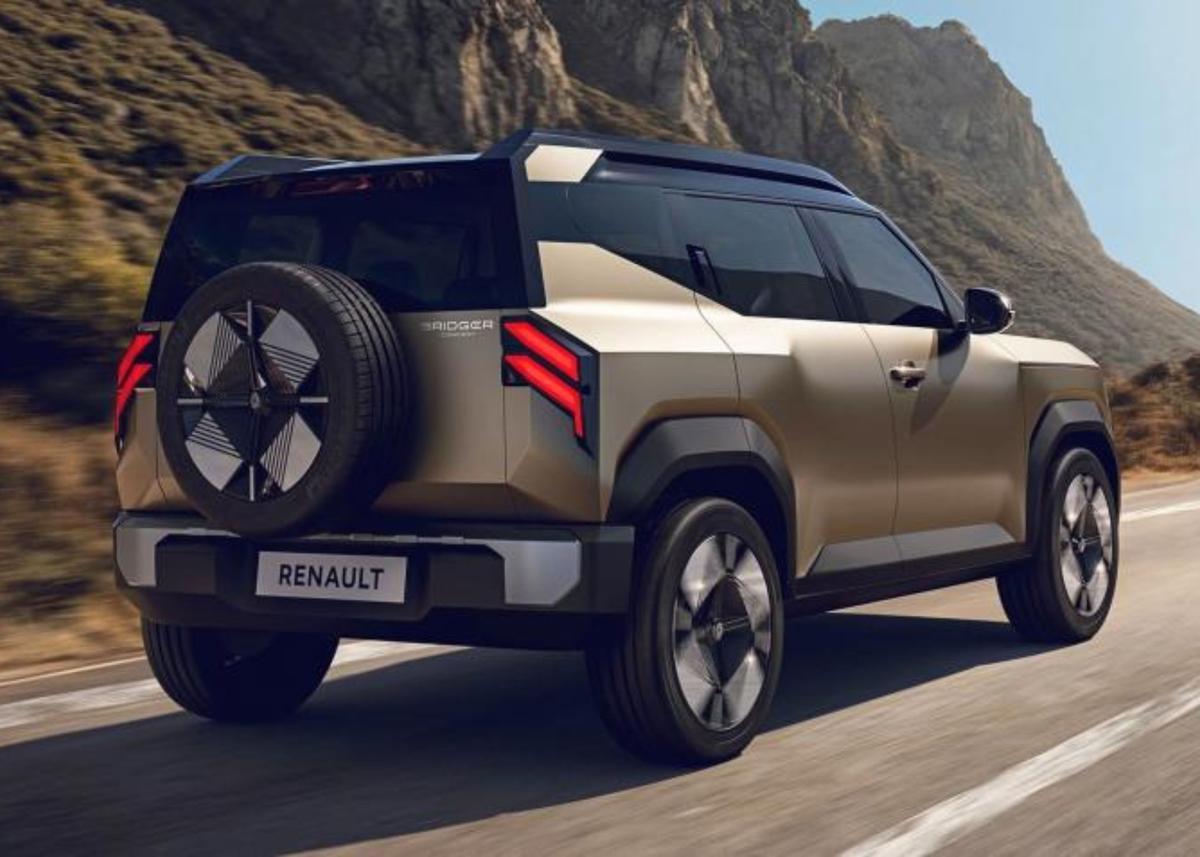
In terms of physical presence, the Bridger moves away from the soft, crossover aesthetics of the past. Its design language features:
- An upright nose and squared-off wheel arches for a rugged, "utilitarian-chic" look.
- Tight overhangs and a compact footprint, specifically engineered for the tight maneuvers required in urban Indian traffic.
- Clean surfacing that avoids unnecessary clutter, focusing instead on a "lifestyle" narrative that appeals to younger buyers.
Technical Versatility
The Bridger is not merely a design study; it is a proof of concept for the RGMP’s versatility. Because the platform supports advanced electrical architectures, the production version of the Bridger is expected to feature a significantly more advanced infotainment and ADAS (Advanced Driver Assistance Systems) suite than current RGEP-based models.
Market Context
The Indian B-SUV segment accounts for a massive portion of total passenger vehicle sales. By utilizing the RGMP for the Bridger, Renault can offer a more "premium" mechanical feel—better ride quality and higher safety standards—than competitors built on older, budget-oriented platforms.
Official Responses: A Global Hub in Chennai
The leadership at Renault Group views the Indian operations not as a peripheral branch, but as a central nervous system for their international growth. During a recent showcase at the Renault-Nissan manufacturing facility in Chennai, top executives outlined the scale of their ambition.
Francois Provost, CEO of Renault Group (International Development), emphasized that India is now a cornerstone of the brand’s global strategy. "India is among Renault’s top three global markets," Provost noted, highlighting that the innovations developed in Chennai—particularly regarding the RGMP’s cost-efficiency and multi-energy flexibility—will eventually feed back into Renault’s global programs.
Stephane Deblaise, CEO of Renault Group India, pointed out the tactical importance of the dual-platform approach. He explained that by maintaining the RGEP for volume and the RGMP for technology, the company can address the "two Indias"—the value-conscious rural/semi-urban markets and the tech-driven metropolitan hubs.
Deblaise also confirmed that the brand is listening to consumer feedback regarding existing models. This includes the development of CNG variants for the Kiger and Triber, as well as a more powerful engine option for the Triber to address performance concerns in the seven-seater.
Implications: What This Means for the Indian Market
Renault’s strategic pivot has several far-reaching implications for consumers, competitors, and the broader Indian automotive ecosystem.
1. The End of "One-Size-Fits-All" Powertrains
By adopting the RGMP, Renault is hedging its bets against the uncertainty of government regulations. Whether the Indian market leans toward Strong Hybrids, Flex-fuels, or stays with ICE, Renault can pivot the Bridger and Duster production lines with minimal downtime. This "future-proofing" is a significant advantage over manufacturers tied to single-fuel platforms.
2. India as an Export Powerhouse
The Chennai facility is being positioned as a global development and export hub. This means that vehicles like the Bridger are being engineered to meet international standards from day one. For the Indian consumer, this translates to better build quality and safety features that are often reserved for European markets.
3. Addressing the "Performance Gap"
The commitment to a more powerful engine for the Triber and the introduction of turbo-petrol and hybrid options for the RGMP vehicles shows that Renault is moving away from its "frugal-only" image. They are now targeting the enthusiast and the long-distance traveler, segments they had partially ceded to rivals in recent years.
4. Competitive Pressure
Renault’s aggressive plan to reach seven models by 2030 will put immense pressure on mid-tier players. By offering a "Strong Hybrid" in the Duster during the upcoming festive season, Renault is directly challenging the dominance of Toyota and Maruti Suzuki in the hybrid space, potentially driving down prices through increased competition.
Conclusion: A Measured and Robust Ecosystem
The Renault Bridger Concept is more than just a new car; it is a symbol of a more cohesive and confident Renault. The strategy on display in Chennai suggests a brand that has moved past the "trial and error" phase of its Indian journey.
By leveraging the foundational strength of the RGMP, maintaining the volume-generating RGEP, and addressing existing product gaps (like the Triber’s power output and CNG requirements), Renault has created a measured, technically robust roadmap. As the automotive world shifts toward electrification and software-defined vehicles, Renault’s "multi-energy" flexibility ensures that it won’t just survive the transition in India—it intends to lead it.
With India targeted to contribute 35 percent of Renault’s global sales, the Bridger is the first of many steps in a long-term play to redefine what a European brand can achieve in one of the world’s most complex and rewarding markets.
Motorscribes, in association with The Hindu, brings you the latest in cars and bikes. Follow them on Instagram @motorscribes
