

PAHALGAM, JAMMU & KASHMIR — On a clear day, when the arterial highways of Jammu and Kashmir are not choked by civilian traffic or slowed by the rhythmic, heavy movement of security convoys, the journey from the summer capital of Srinagar to the mountain retreat of Pahalgam takes exactly two and a half hours. This is the estimate provided by Aishaq Hassan, a veteran driver whose life is measured in the miles between the Jhelum and the Lidder rivers.
"Stare out the window," Hassan suggests, his tone a mix of professional hospitality and the weary familiarity of a man who has seen these roads through both peace and peril. "I will play you my list of old Hindi songs. Even if you do not understand the lyrics, you will understand the mood."
As the urban sprawl and polluted corridors of Srinagar fade into the rearview mirror, the landscape begins to mirror the evocative verses of the late poet Agha Shahid Ali. For many who grew up in India, the scenery evokes the lines of Postcard from Kashmir: "This is home. And this the closest I’ll ever be to home… the Jhelum’s waters so clean, so ultramarine." The air thins and sharpens, cooling the lungs as the vehicle climbs toward the sturdy, grey mountains, their peaks still speckled with the remnants of winter snow. The route is a tapestry of Kashmiri life: acres of apple orchards waiting for the bloom, and ancient Chinar trees with trunks as thick as fortress walls.
However, beneath this pastoral beauty lies a community navigating the complex aftermath of trauma. Exactly one year after a devastating militant attack shattered the peace of the Baisaran Valley, Pahalgam is at a crossroads—striving to reconcile its identity as a "Heaven on Earth" with the stark realities of regional volatility.
Main Facts: A Destination in Transition
Pahalgam, historically the crown jewel of Kashmir’s tourism sector, is currently witnessing a fragile but determined recovery. Following the terror attack on April 21, 2025, which claimed the lives of 26 tourists in the Baisaran meadow, the town’s primary industry—tourism—plummeted to near-zero levels for several months.
Today, the situation is evolving. According to industry data and local stakeholders:
- Hotel Occupancy: Current occupancy rates across Pahalgam’s hotels have climbed back to approximately 60%, a significant recovery from the single-digit figures seen in the summer of 2025.
- Economic Shift: There is a notable transition from "day-trippers" to long-stay guests, with tourists spending an average of 3–4 nights in the valley.
- Security Restrictions: While the core "A-B-C" valleys (Aru, Betaab, and Chandanwadi) are open, the Baisaran Valley and several high-altitude trekking routes remain restricted or under heavy surveillance by the Central Armed Police Forces (CAPF).
- Local Sentiment: Despite the return of footfall, local service providers—including drivers, caddies, and pony riders—report a lingering atmosphere of "prejudice" and "suspicion" from domestic travelers.
Chronology: From Carnage to Contentment
The timeline of Pahalgam’s recent history is bifurcated by the events of April 2025. To understand the present state of the valley, one must look at the sequence of the past year.
April 21, 2025: The Day the Music Stopped
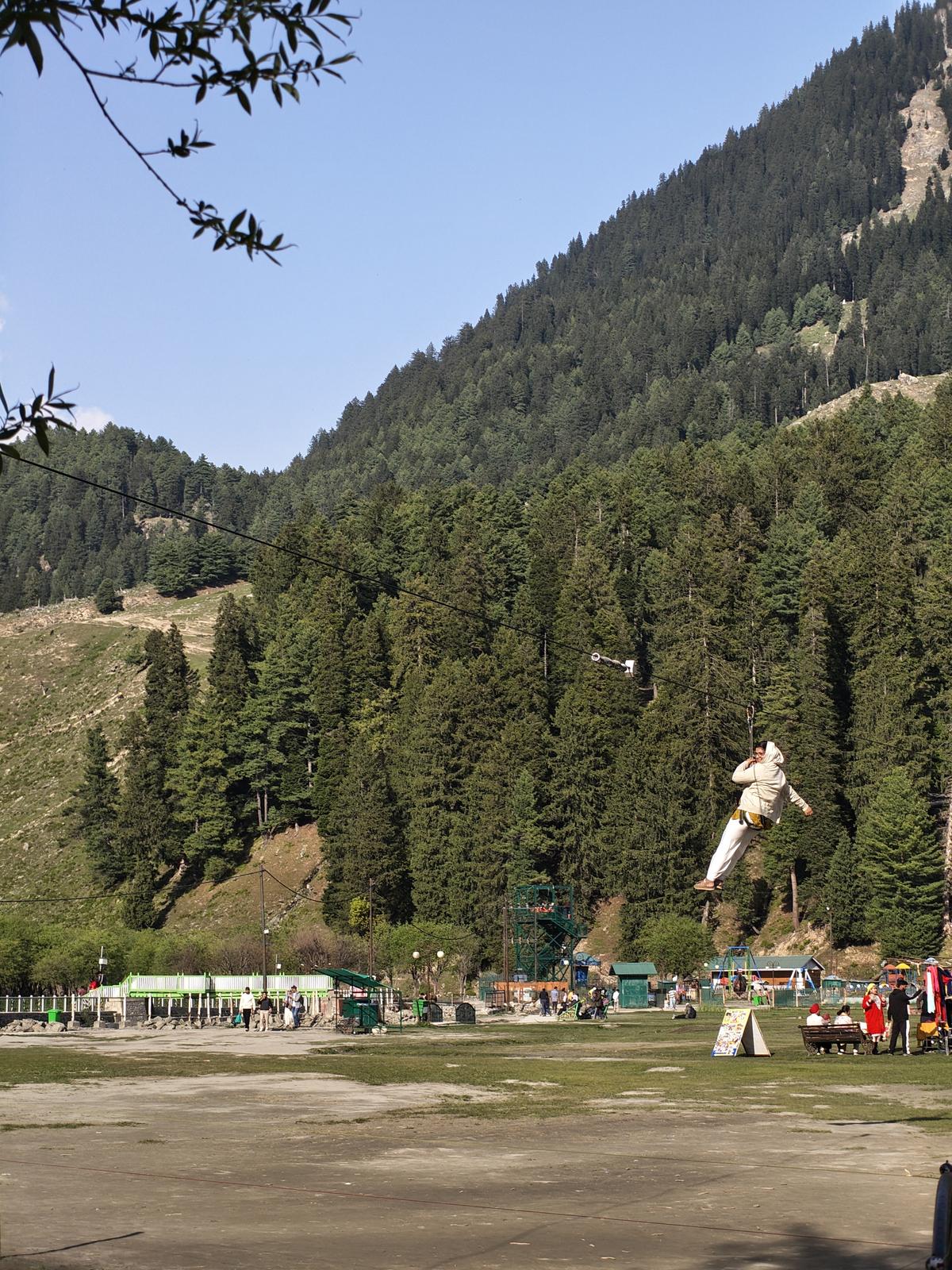
In the mid-afternoon, militants opened fire on a group of tourists in the Baisaran Valley, a picturesque meadow often referred to as "Mini Switzerland." The attack was uniquely horrific for the digital age; a tourist on a zipline captured the initial moments of the carnage on a GoPro, footage that was subsequently looped on national news channels for weeks.

"We heard the shots from the property," recalls Nazir Ahmed, the Resident Manager at Pine and Peak, a Welcomhotel by ITC. "Baisaran is only a six-kilometer trek from here. We are familiar with the sound of bullets in this region, but this was different. It was sustained."
In the immediate aftermath, local drivers and hotel staff—rather than fleeing—rushed toward the danger. Jahangeer Ahmad Shah, a local driver, describes a chaotic scene where locals scrambled to gather tourists from Aru and Chandanwadi, fearing a coordinated multi-point attack. "It was a horrific day that I hope we never relive," Shah says.
Summer 2025: The Silent Season
For the remainder of 2025, Pahalgam became a ghost town. The vibrant markets, which usually bustle from April through December, were reclaimed by local youths. Muzaffer Raina, a caddy at the Lidder Valley Golf Course, remembers the eerie silence. "The main markets were used for playing cricket. There were no cars, no cameras, no tourists. Just us and the mountains."
April 2026: The Tentative Return
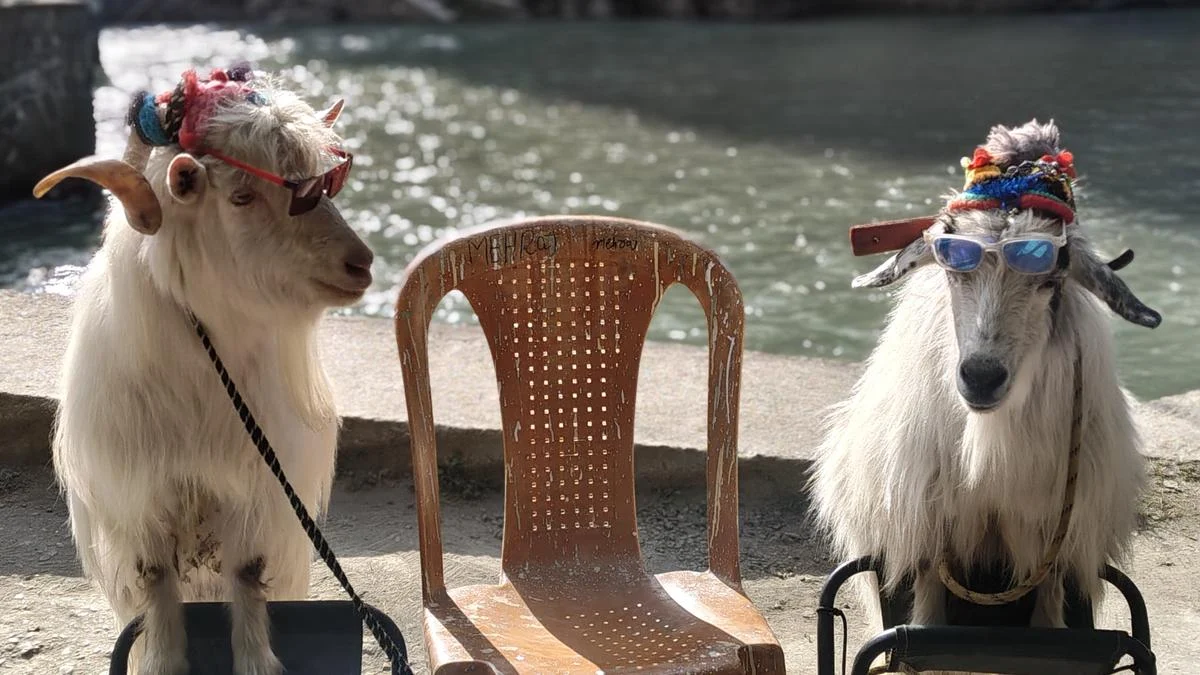
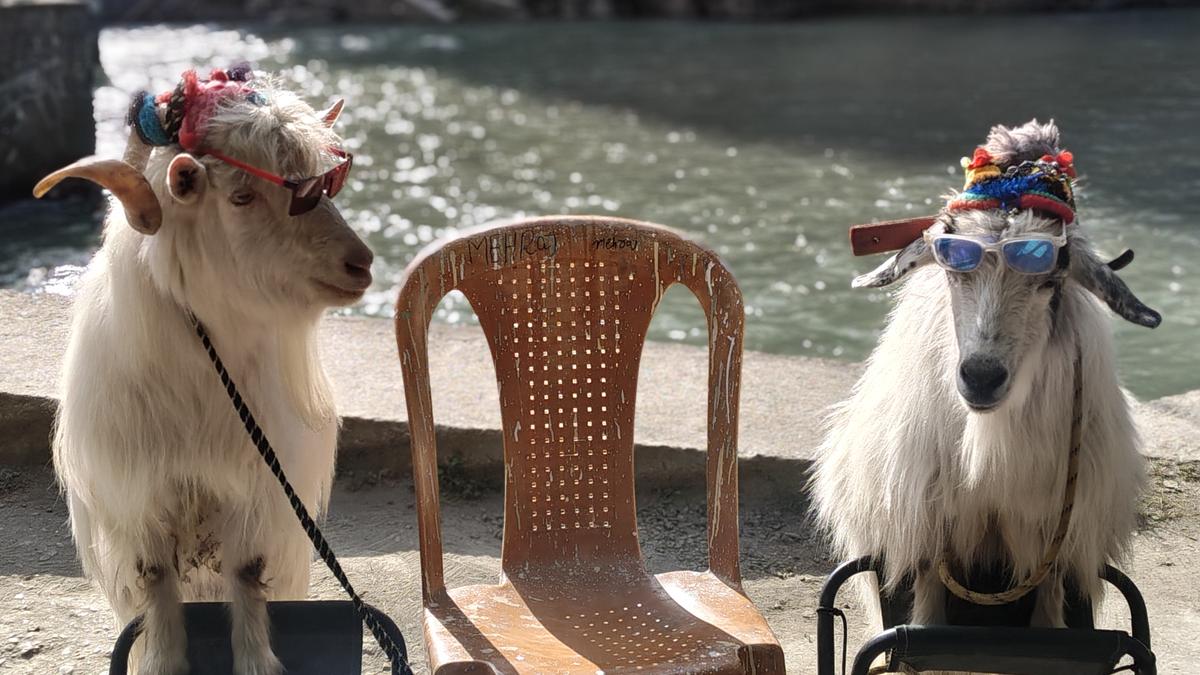
One year later, the tide has turned. The 2026 spring season has seen a surge in domestic arrivals. The "A-B-C" circuit is once again crowded with tourists taking "comical looking colored sleds" across patches of snow and posing with goats adorned with sunglasses and pompoms—a kitschy but essential part of the Pahalgam experience.
Supporting Data: The Economics of Recovery
The economic heartbeat of Pahalgam is tourism, and the numbers provided by the Pahalgam Hotels and Owners Association (PHOA) suggest a resilient, albeit cautious, market.
| Metric | 2024 (Pre-Attack) | 2025 (Post-Attack) | 2026 (Current) |
|---|---|---|---|
| Avg. Hotel Occupancy | 85% | 15% | 60% |
| Room Rate Range | ₹2,000 – ₹35,000 | ₹800 – ₹15,000 | ₹1,000 – ₹30,000 |
| Primary Tourist Source | Domestic (India) | Minimal | Domestic (India) |
| Key Attraction Status | All open | Baisaran Closed | Baisaran Restricted |
Javed Burza, President of the PHOA, notes that the pricing strategy has remained flexible to encourage the return of travelers. "The price of rooms ranges from ₹1,000 for budget stays to ₹30,000 a night for luxury suites. We are seeing a diverse demographic, from backpackers to luxury seekers, which is vital for a holistic recovery."
However, the "Pahadi Maggi" phenomenon—a staple of Himalayan tourism that only gained traction in Kashmir post-pandemic—has become a surprising economic driver. Small kiosks that once sold traditional snacks are now thriving on instant noodles, catering to the specific culinary comforts of mainland Indian tourists.
Official Responses and Community Efforts
The response to the 2025 tragedy has been twofold: an increase in state-led security and a community-led push for "experiential" tourism.

Security and Surveillance
In response to the security lapses of the previous year, the government deployed 89 additional CAPF units to the region. Real-time monitoring and advanced surveillance drones are now a common sight during the lead-up to the Amarnath Yatra. While these measures provide a safety net, they also contribute to the "fortress" feel that some tourists find unsettling.
Rebranding the Experience
Hotels like Pine and Peak are moving away from traditional sightseeing models. Nazir Ahmed explains that they are now packaging experiences that foster direct interaction with the local community. "We offer village walks, fishing expeditions in the Lidder, and picnics in hidden spots known only to the locals. The goal is to move past the ‘us and them’ narrative."
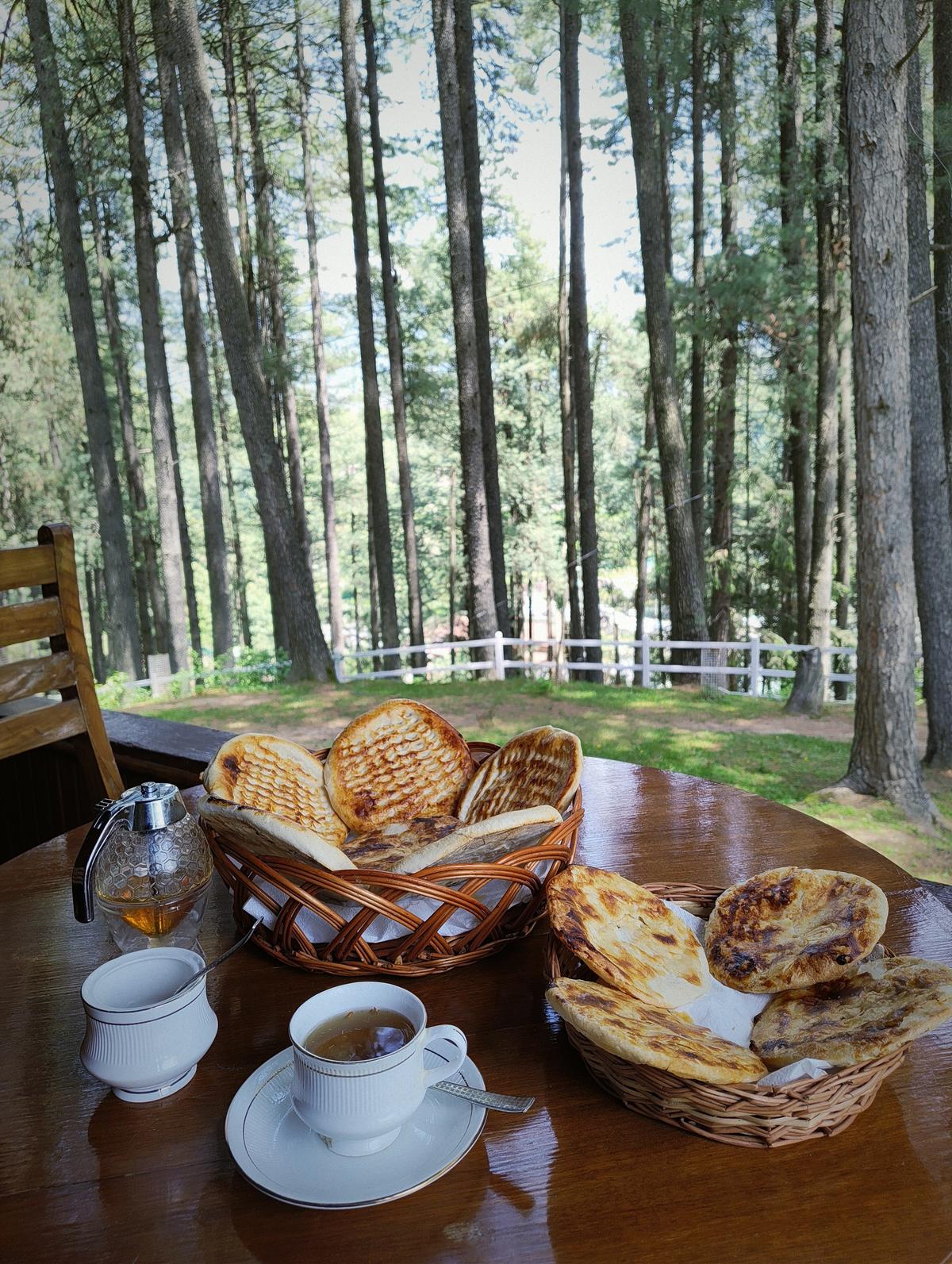
The local culinary heritage is also being used as a bridge. The Wazwan—a multi-course feast featuring dishes like Rogan Josh and Tabak Maaz—and the constant flow of Kahwa (saffron tea) laden with almonds from Pampore, serve as cultural ambassadors. "Every turn is a journey," Ahmed says. "We want people to stay, to eat, and to understand that we are as much victims of this violence as the tourists were."
Implications: Overcoming the "Prejudice of the Zipline"
The most significant hurdle facing Pahalgam today is not the threat of violence, but the persistence of prejudice. The "zipline video" of 2025 created a lasting mental image of Kashmir for many Indians—one of inherent danger and local complicity.
Shabir Malik, a pony rider who was among the first to aid in the rescue of tourists before the Army arrived, speaks of the daily indignities he faces. For six months after the attack, every pony rider in the valley was required to present themselves at the Pahalgam police station twice a day for "verification."
"One customer told me three times, ‘You’re going to take me somewhere and shoot me,’" Malik says, his voice devoid of emotion. "What can you do when this is someone’s sense of humor? I am here to do my job and feed my family. The discrimination is indiscriminate."
Yet, there are signs of a shift in consciousness. At Betaab Valley—named after the 1983 Bollywood film that made it famous—a young veterinary student from Mumbai reflects on her initial fears. "My friends joked that I was going to be shot. I even asked my Muslim friends to teach me some verses of the Quran, just in case," she admits, requesting anonymity. "But since I arrived, every person has been nothing but kind. It has made me resist the idea of an ‘us’ and ‘them’. You cannot look at these mountains and feel hate."
Conclusion: The Kindness of the Valley
Kashmir is a land mired in multiplicities: self-determination and Internet shutdowns exist alongside magical landscapes and the warmth of a tandoor full of freshly baked bread. In the face of the 2025 tragedy, the valley has chosen a path of quiet endurance.
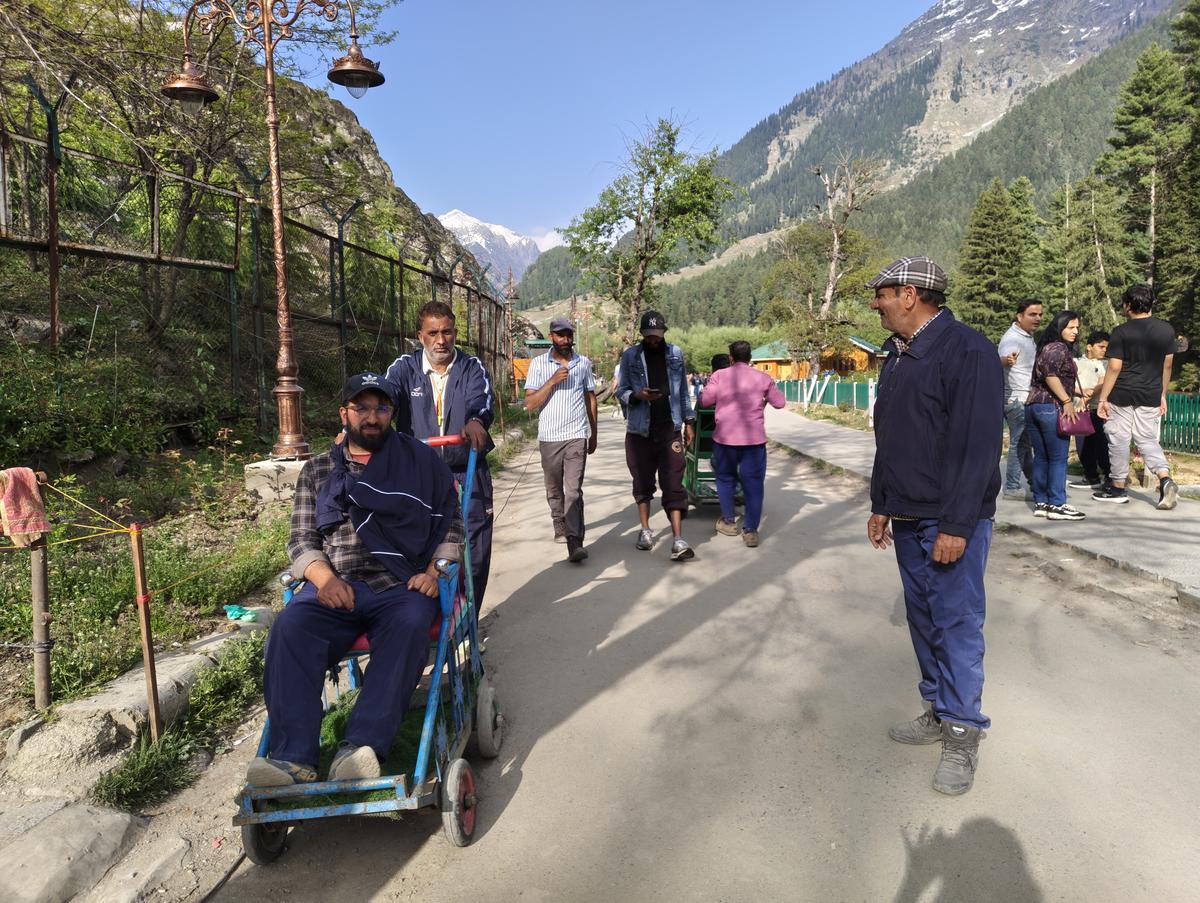
The overarching lesson for the traveler in 2026 is simple: leave the prejudice of the news cycle at the Jawahar Tunnel. Sip the Kahwa, listen to the whistling thrush by the Lidder, and acknowledge the resilience of a people who have mastered the art of hospitality in the shadow of hardship.
As the sun sets over the Lidder Valley Golf Course, turning the dandelion-speckled grass into a field of gold, the sentiment remains the same: The heavens, after all, beckon the kind.
Travel Advisory: Visiting Pahalgam in 2026
- Access: The best way to reach Pahalgam is by road from Srinagar. Private taxis are available, and the journey takes approximately 2.5 to 3 hours.
- Accommodation: Welcomhotel By ITC Hotels Pine N Peak offers a blend of luxury and local immersion. It is recommended to book in advance during the peak months of May–June and September–October.
- Activities: While Baisaran is restricted, the Aru Valley offers excellent light trekking. Ensure you carry valid ID at all times due to frequent security checkpoints.
