

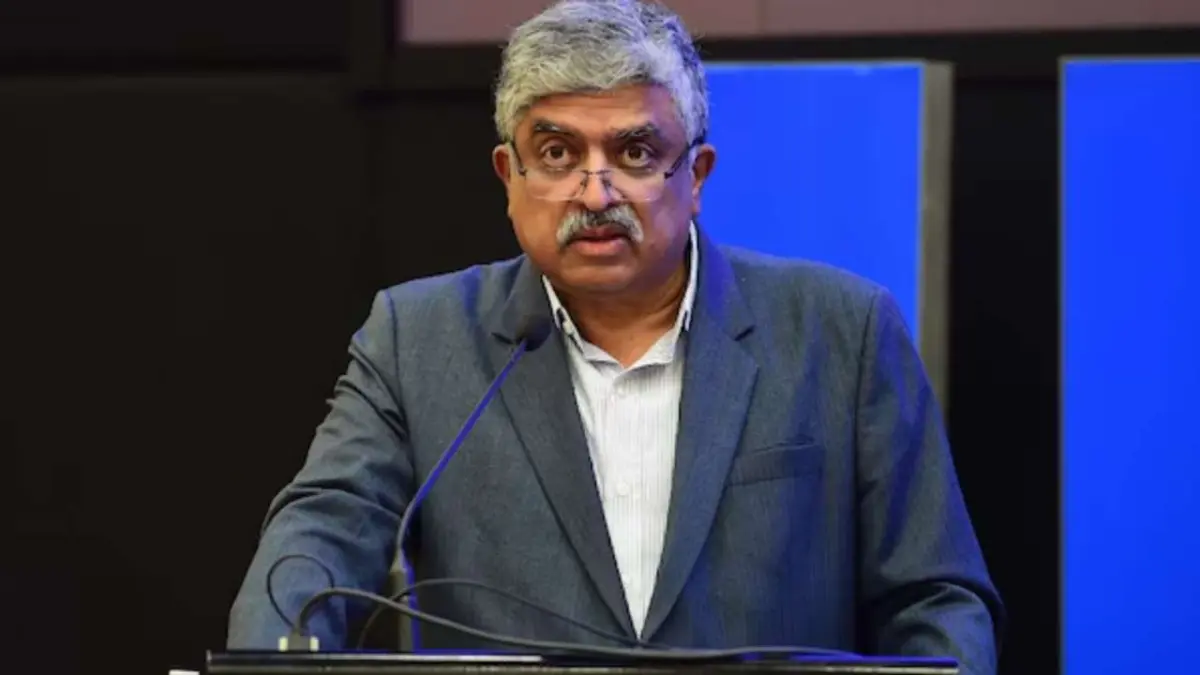
New Delhi, India – October 14, 2026 – In a bold and potentially game-changing proposal aimed at eradicating the pervasive issue of exam paper leaks, Nandan Nilekani, the visionary co-founder of Infosys and a leading figure in India’s digital revolution, has put forth a radical idea: generating question papers using Artificial Intelligence (AI) at the eleventh hour. This groundbreaking suggestion, unveiled at the Bloomberg New Economy Forum 2026, underscores a paradigm shift being considered for the nation’s examination system, with a strong push towards a fully computer-based testing (CBT) model.
Nilekani, who is spearheading a high-powered six-member task force on exam reforms constituted by the central government in July, articulated his vision for a future where the very concept of a pre-printed, leak-prone question paper is rendered obsolete. This initiative comes at a critical juncture, with recurring instances of paper leaks casting a dark shadow over the integrity of numerous competitive and academic examinations across India, often leading to widespread student distress and public outcry.
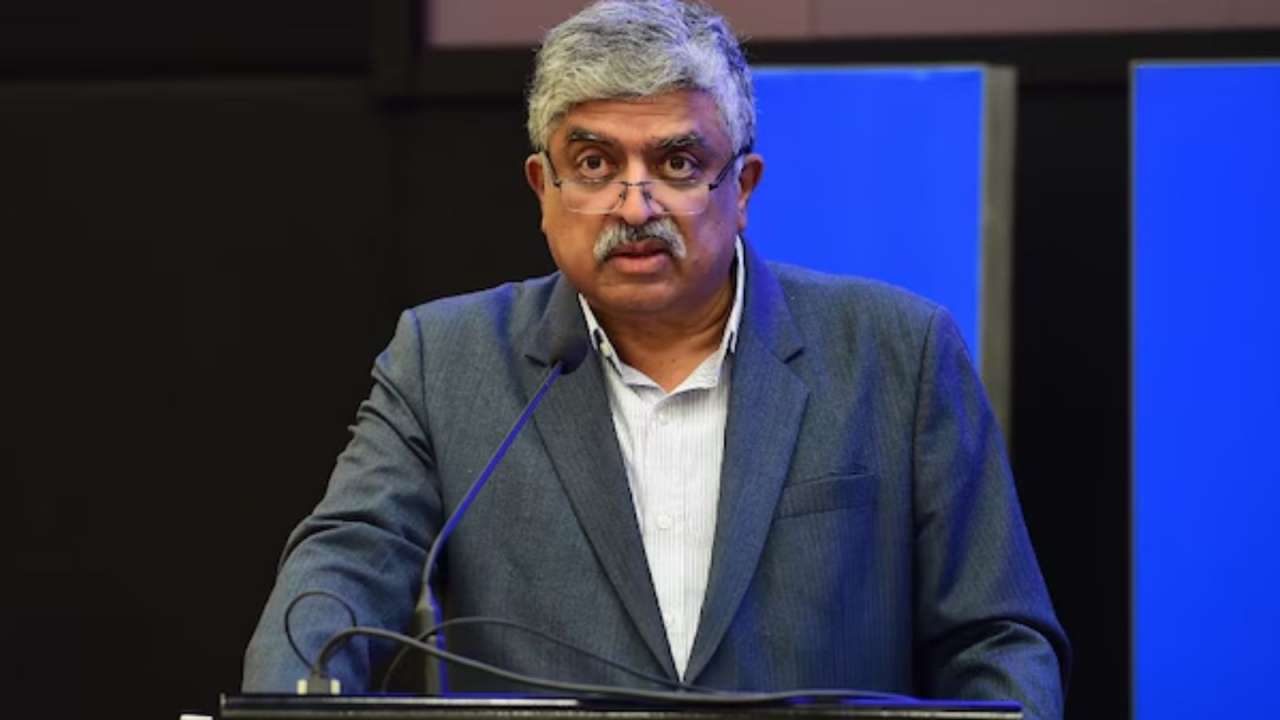
The Genesis of a Leak-Proof System: AI at the Helm
The core of Nilekani’s proposal lies in leveraging the power of AI to dynamically create question papers. He articulated the fundamental flaw in the current system: "Why do we need to have something called ‘a question paper’? Because that creates an economic incentive for it to be sold." By eliminating the static, predetermined nature of question papers, the motive for their leak and subsequent sale is significantly diminished.
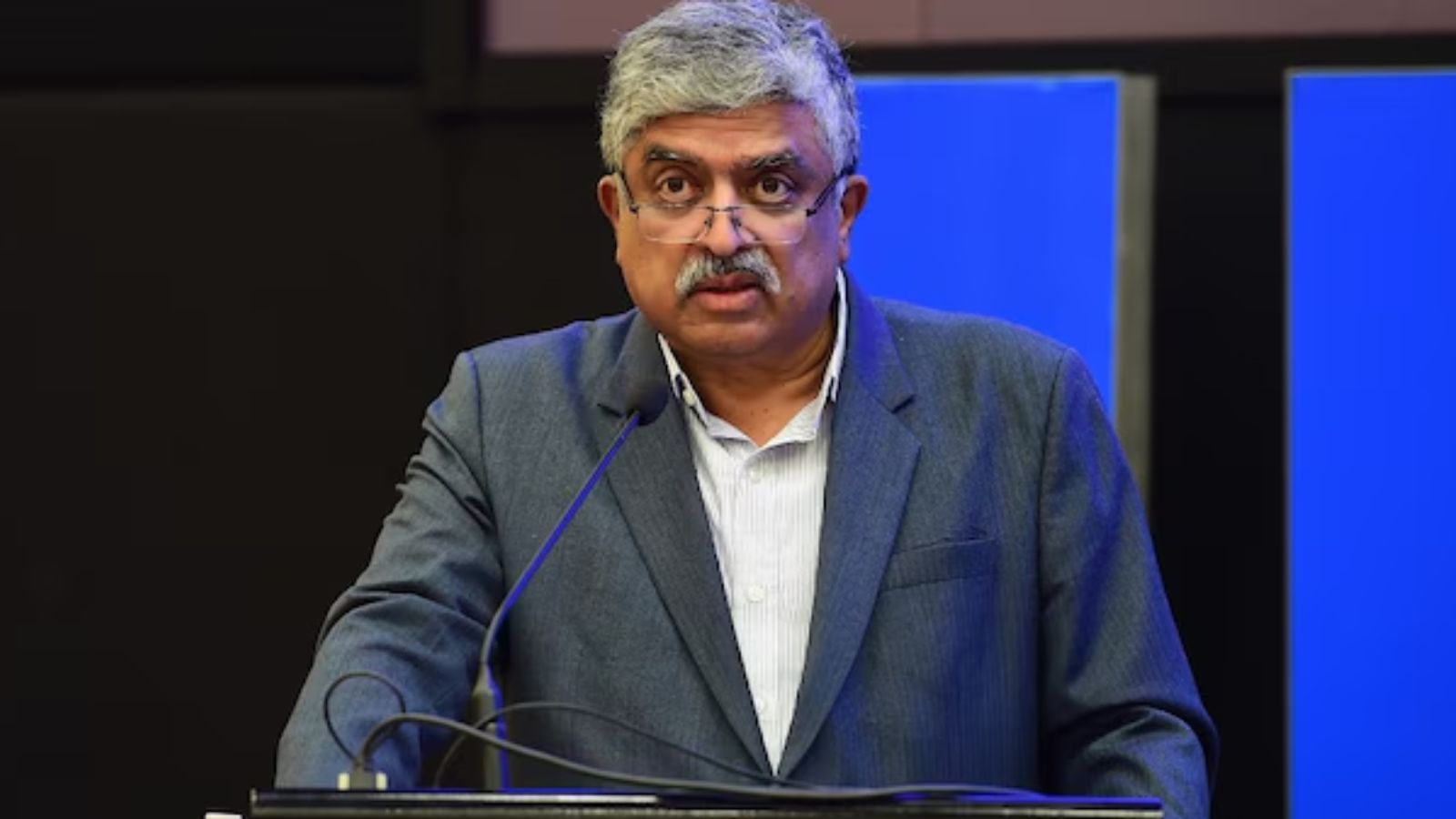
"One way to look at how to solve it is to have a massive bank of questions, and only at the last minute generate the question paper for the day," Nilekani explained. This approach envisions a vast, meticulously curated repository of questions, from which AI algorithms would then assemble unique question papers for each examination session, just moments before the test commences. This would not only make it virtually impossible to obtain the paper in advance but would also ensure a high degree of variation, thus mitigating concerns about widespread cheating based on prior knowledge of specific questions.
)
However, Nilekani acknowledged that this sophisticated model is contingent on a fundamental shift in the examination infrastructure. He emphasized that this concept is only feasible if examinations are conducted in a computer-based test mode. The inherent flexibility and real-time generation capabilities of AI are best harnessed within a digital testing environment, allowing for instant paper creation and secure delivery to examination centers. While Nilekani did not elaborate on potential vulnerabilities of a large question bank itself to leaks, the immediate generation of the final paper addresses the primary pathway for leaks in the current system.
A Digital Leap Forward: The Case for Computer-Based Testing
The proposition of AI-generated question papers is intrinsically linked to Nilekani’s broader vision of transitioning all major examinations to a computer-based testing (CBT) format. The task force is actively exploring the feasibility and implementation strategies for this widespread adoption of CBT.

"The committee is looking at how to make sure all exams are done on CBT," Nilekani stated, underscoring the strategic importance of this digital transition. "That requires a network of locations. We have 1,50,000 locations where young candidates can take a test and that needs to be expanded." This indicates a plan to significantly scale up the existing infrastructure to accommodate the surge in demand for computer-based testing centers.
The push for CBT is not merely about modernizing the examination process; it is a strategic move to enhance efficiency, security, and accessibility. CBT offers several advantages, including faster result dissemination, reduced logistical complexities associated with paper management, and the potential for more sophisticated cheating detection mechanisms. Furthermore, it lays the groundwork for the AI-driven question paper generation, as digital platforms are essential for real-time paper assembly and delivery.
)
Navigating the Digital Divide: Challenges and Solutions
While the vision of widespread CBT and AI-generated papers is compelling, its implementation in a country as vast and diverse as India presents significant challenges, particularly concerning the digital divide. The equitable access to technology and reliable internet connectivity remains a critical concern, especially in rural and remote areas. Nilekani’s statement did not explicitly address how these disparities would be overcome, a point that warrants careful consideration and strategic planning.
The National Testing Agency (NTA), the primary body responsible for conducting various entrance and recruitment examinations, is reportedly collaborating with the All India Council for Technical Education (AICTE) to identify suitable IT infrastructure and government institutions for establishing standardized testing centers. A crucial aspect of this collaboration is the deliberate avoidance of private centers due to perceived integrity concerns, suggesting a preference for controlled and government-monitored facilities to ensure a secure testing environment. This proactive approach aims to build trust and transparency in the examination process.
)
The expansion of the testing network will likely involve a multi-pronged strategy. This could include upgrading existing government educational institutions, leveraging community centers, and potentially establishing dedicated testing facilities in underserved regions. The success of the CBT transition hinges on ensuring that no student is disenfranchised due to a lack of access to technology or stable internet. This might necessitate the provision of subsidized internet access, mobile testing units, or alternative examination formats for extremely remote locations, albeit with stringent security protocols.
A Task Force with a Mandate: Addressing Deep-Rooted Issues
The establishment of this high-powered task force on exam reforms is a direct response to the persistent problem of paper leaks, which have eroded public confidence in the examination system. The task force was constituted on July 26, following significant public pressure and the resignation of Education Minister Dharmendra Pradhan amid widespread protests over alleged paper leaks in several high-stakes examinations.
)
Chaired by Nandan Nilekani, a figure synonymous with technological innovation and institutional reform, the panel comprises eminent personalities with diverse expertise. This includes former ISRO chief S. Somanath, bringing his unparalleled experience in complex project management and technological implementation, and former IB director Tapan Deka, whose insights into intelligence gathering and security would be invaluable in addressing leakages. The inclusion of such distinguished individuals signals the government’s commitment to finding comprehensive and robust solutions.
The task force has been granted a three-month period to submit its report. During this time, it has been actively engaged in a thorough and inclusive consultation process. The panel has already conducted 18 internal meetings and engaged in extensive deliberations with over 40 stakeholders, including students, parents, educators, and representatives from various examination bodies such as the National Recruitment Agency (NRA), Staff Selection Commission (SSC), and Railway Recruitment Boards (RRB). The sheer volume of over 50,000 suggestions gathered from these stakeholders underscores the widespread concern and the urgent need for reform.
)
Broader Implications and the Future of Assessment
The implications of Nilekani’s proposal extend far beyond simply preventing paper leaks. The widespread adoption of AI-generated question papers and a fully computer-based testing model could revolutionize the entire assessment landscape in India.
Enhanced Security and Integrity: The most immediate benefit would be a drastic reduction, if not elimination, of paper leaks, thereby restoring faith in the fairness and meritocracy of the examination system. This would ensure that deserving candidates are selected based on their knowledge and skills, rather than their ability to access leaked material.
)
Improved Efficiency and Timeliness: CBT, coupled with AI-driven question generation, can significantly expedite the examination process. This includes quicker paper setting, reduced logistical overheads, and potentially faster result declarations, benefiting students and institutions alike.
Personalized and Adaptive Testing: In the longer term, AI can facilitate the development of adaptive testing platforms. These systems can adjust the difficulty of questions in real-time based on a student’s performance, providing a more accurate and nuanced assessment of their capabilities. This moves beyond a one-size-fits-all approach to evaluation.
)
Data-Driven Insights: A digital testing ecosystem generates a wealth of data that can be analyzed to understand learning patterns, identify areas of weakness in the curriculum, and inform educational policy. This data can be instrumental in improving teaching methodologies and curriculum design.
Global Benchmarking: Embracing advanced technologies in examination systems aligns India with global best practices and can enhance the credibility of its educational and professional certifications on an international stage.
)
However, the transition will not be without its challenges. Significant investments will be required in developing robust IT infrastructure, training personnel, and ensuring cybersecurity. Furthermore, continuous research and development will be necessary to keep pace with evolving AI capabilities and potential new avenues for malpractices.
The proactive approach of the task force, with its broad mandate and inclusion of diverse expertise, offers a ray of hope for a more secure, efficient, and equitable examination system. Nandan Nilekani’s visionary proposal, while ambitious, points towards a future where technology serves as a powerful ally in upholding the integrity of education and ensuring that merit truly prevails. The success of this initiative will undoubtedly hinge on meticulous planning, inclusive implementation, and a sustained commitment to innovation.
