

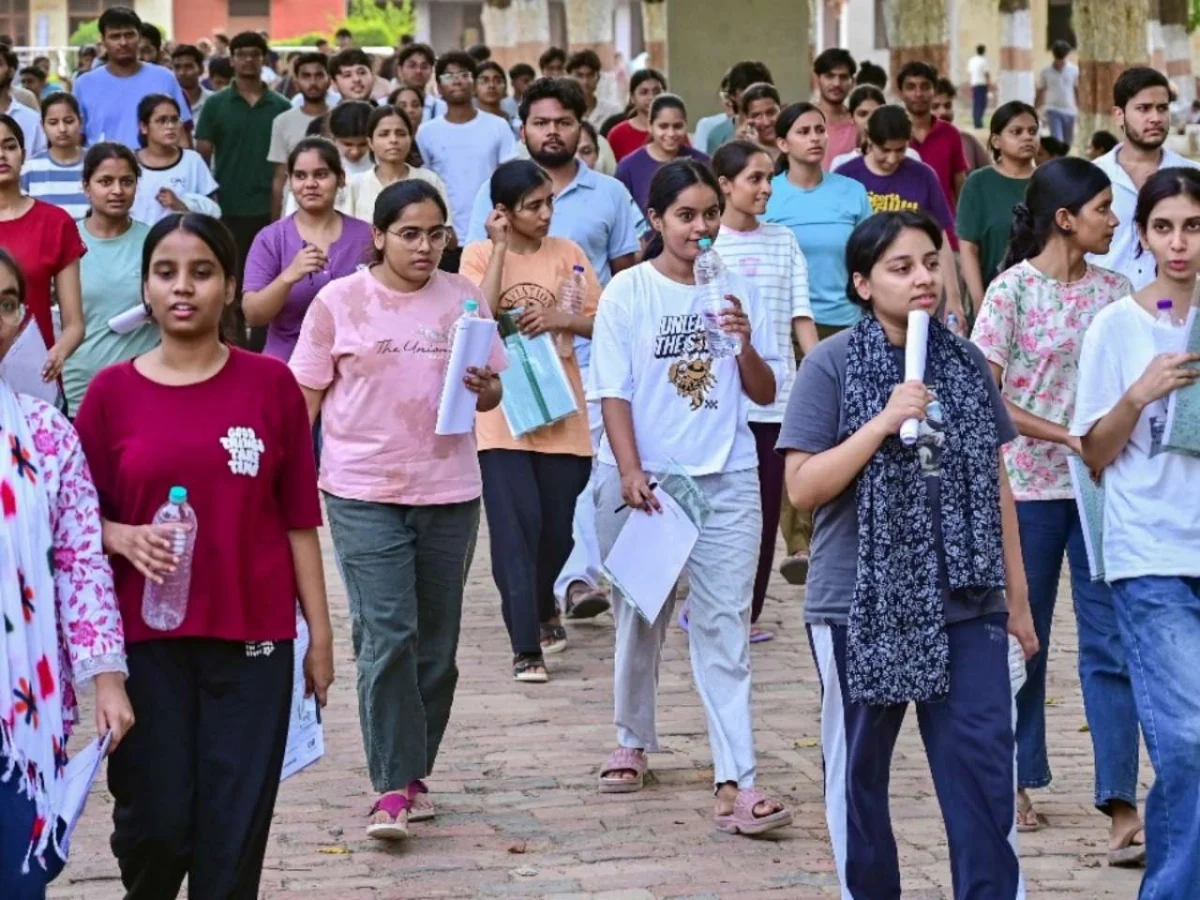
New Delhi, India – July 29, 2026 – In a significant stride towards a more efficient, transparent, and student-friendly medical admissions process, the Medical Counselling Committee (MCC) has announced a series of pivotal changes to the NEET UG 2026 counselling. These reforms, set to commence shortly, aim to streamline procedures, reduce logistical hurdles for aspiring medical professionals, and enhance the overall user experience for all stakeholders. The Ministry of Health and Family Welfare, in an official notice released today, highlighted that these enhancements are underpinned by substantial software modifications, signaling a commitment to leveraging technology for improved governance in the crucial NEET UG counselling domain.
The core of these changes revolves around three key areas: eliminating the mandatory physical reporting for seat upgradation, introducing a fully online resignation facility, and enabling NRI candidates to upload their crucial documentation directly via the MCC portal. These measures are expected to significantly alleviate the administrative burden on students and their families, often facing complex travel arrangements and time constraints during the intensive counselling period.
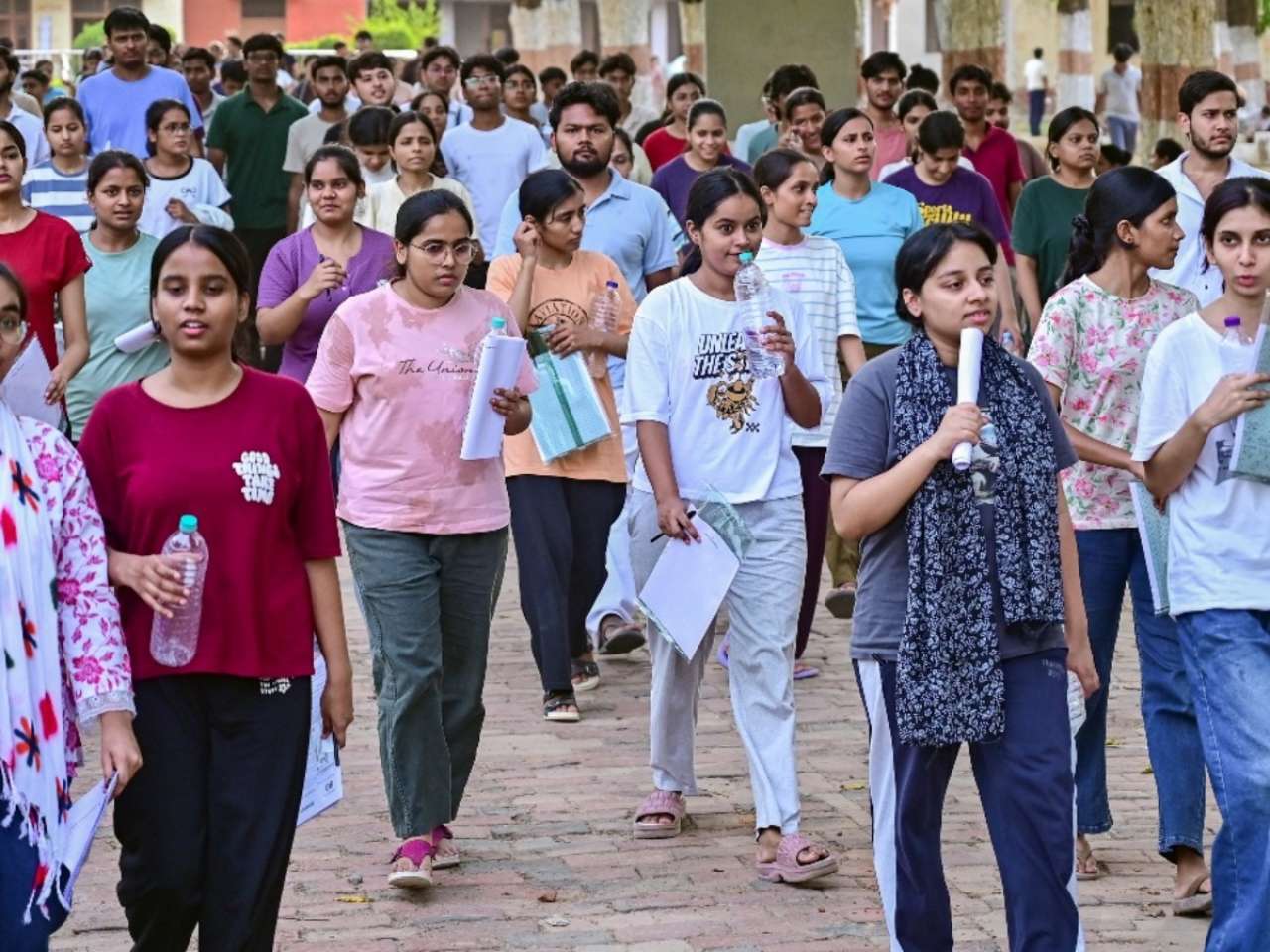
The Pillars of Reform: A Deeper Dive into MCC’s New Directives
The NEET UG examination, a gateway to undergraduate medical and dental programs across India, attracts millions of aspirants annually. The subsequent counselling process, therefore, is a critical juncture that demands precision, clarity, and accessibility. The MCC’s latest announcements address long-standing pain points and introduce a more modern, digital-first approach to this vital process.
1. Eliminating Physical Reporting for Upgradation: A Paradigm Shift in Mobility
Perhaps the most impactful change for a vast majority of candidates is the discontinuation of mandatory physical reporting for those seeking seat upgradation. Historically, candidates who were allotted a seat in an earlier round and wished to be considered for a better option in subsequent rounds were required to physically present themselves at the allotted institution to complete admission formalities. This often entailed significant travel, accommodation expenses, and a disruption to academic pursuits, even if the candidate was ultimately aiming for a different college.
)
The new directive clarifies that candidates who have secured a seat and have opted for upgradation in subsequent counselling rounds will no longer need to undertake this physical reporting for the sole purpose of completing admission formalities. Their current admission will remain valid within the counselling system, allowing them to seamlessly participate in the pursuit of a higher preference. This change is a monumental relief, especially for students from remote areas or those facing financial constraints. It allows them to focus on their preparation for future rounds or, if they choose, to pursue other academic or career paths without being tethered to an institution they may not ultimately join.
The official notification from the MCC explicitly states, "Their admission will remain valid in the counselling system while participating in subsequent rounds." This assurance is crucial, as it removes the ambiguity and anxiety that often accompanied the upgradation process. Candidates can now make informed decisions about their preferred institutions with greater flexibility and less logistical pressure.

2. Online Resignation Facility: Empowering Choice and Efficiency
The MCC has also introduced a significant enhancement to the resignation process by implementing a fully online resignation facility. Previously, candidates who decided to withdraw their candidature after accepting a seat often had to navigate a process that involved physical submission of documents or formal communication through the allotted institution. This could lead to delays and potential complications if not handled efficiently.
With the new system, candidates can now submit their resignation from an allotted seat directly through the MCC counselling portal. This digital approach offers several advantages:
)
- Speed and Convenience: Resignations can be processed instantaneously, eliminating the need for physical travel or mail.
- Transparency: The online portal will likely provide a clear record of the resignation, offering a traceable audit trail.
- Reduced Administrative Load: It significantly reduces the paperwork and administrative burden on both the students and the counselling authorities.
- Timely Vacancy Creation: Faster resignations mean that vacant seats are made available for other candidates in a more timely manner, benefiting the entire merit-based allocation system.
This facility empowers candidates to make definitive decisions about their medical education journey without undue procedural hurdles. It acknowledges that circumstances can change, and a flexible, digital platform for withdrawal is essential for a dynamic counselling process.
3. NRI Document Upload on MCC Portal: Streamlining Access for International Aspirants
A crucial reform has been introduced for Non-Resident Indian (NRI) candidates, who often face unique challenges in the admission process. Previously, the documentation process for NRI admissions could be cumbersome, involving physical submission or reliance on intermediaries. The MCC has now enabled NRI applicants to upload their relevant documents directly through the official MCC portal.
)
This move is expected to:
- Simplify the Process: NRI candidates, often residing abroad, will no longer need to rely on physical submission of documents or arrange for their couriering.
- Enhance Verification Efficiency: A centralized online upload system allows the MCC to streamline the verification of NRI status and supporting documents.
- Promote Inclusivity: This digital facilitation makes the counselling process more accessible and equitable for a diverse pool of applicants.
The ability to upload documents online is a significant step towards a more inclusive and efficient admission system for all categories of candidates, acknowledging the global nature of today’s student population.
)
The Chronology of Change: A Path Towards Modernization
The evolution of the NEET UG counselling process reflects a continuous effort by the MCC and the Ministry of Health and Family Welfare to adapt to the needs of the stakeholders and leverage technological advancements.
- Early Stages: Initially, counselling processes were largely offline, involving extensive physical reporting and manual documentation.
- Introduction of Online Elements: Over the years, online registration and choice-filling were progressively introduced, bringing about initial improvements in accessibility.
- Digital Transformation (Recent Years): The emphasis has shifted towards a fully digital experience, with online counselling portals becoming the norm for many stages.
- NEET UG 2026 Reforms: The current set of changes marks a significant acceleration in this digital transformation, directly addressing procedural bottlenecks that persisted despite earlier online initiatives. The introduction of online resignation and the elimination of physical reporting for upgradation are particularly noteworthy milestones.
The official declaration by the Ministry of Health and Family Welfare, highlighting the software changes, underscores that these reforms are not merely procedural tweaks but are built on a foundation of technological integration designed for long-term efficiency and improved service delivery.
)
Supporting Data and Context: The Scale of NEET UG
To appreciate the impact of these reforms, it is essential to consider the sheer scale of the NEET UG examination and its counselling process. The National Testing Agency (NTA) declared the results of the NEET UG 2026 on July 16th. This examination saw an unprecedented participation of approximately 20 lakh candidates, who appeared at 5,440 centres spread across 551 cities in India and 14 cities abroad.
Of these candidates, a substantial number, approximately 11.21 lakh, have qualified for admission to undergraduate medical, dental, AYUSH, and allied programs. This massive pool of qualified students necessitates a robust, scalable, and efficient counselling mechanism. The administrative complexity of managing such a large number of applicants, their preferences, and the subsequent allocation of seats cannot be overstated. The MCC’s reforms are directly aimed at making this monumental task more manageable and student-friendly.
)
The previous system, with its reliance on physical reporting for upgradation, likely contributed to a significant number of logistical challenges, including:
- Overburdened Institutions: Allotted colleges often had to manage a large influx of students for admission formalities, even if many were only temporarily present for upgradation purposes.
- Lost Opportunities: Delays in reporting or resignation could lead to seats remaining vacant for longer periods, impacting the overall counselling timeline.
- Candidate Distress: The uncertainty and logistical pressures associated with physical reporting added to the already stressful period of medical admissions.
The new reforms are designed to mitigate these issues by creating a more fluid and responsive counselling environment.
)
Official Responses and Endorsements
The Ministry of Health and Family Welfare’s endorsement of these changes, as conveyed through the official notice, signifies a strong governmental backing for a more progressive approach to medical counselling. While specific quotes from individual officials are not provided in the initial report, the act of issuing a formal notification and highlighting the software improvements indicates a strategic decision to modernize the admissions framework.
The MCC, as the nodal body for counselling, has consistently aimed to enhance the transparency and fairness of the process. These latest reforms are a testament to their ongoing commitment to improving the student experience and aligning the counselling procedures with contemporary technological capabilities. The focus on a digital-first approach is a clear signal of the government’s intent to leverage technology for better governance and service delivery in the education sector.
)
Implications for Aspiring Medical Professionals and the Healthcare Ecosystem
The implications of these MCC reforms are far-reaching, impacting not only the individual students but also the broader healthcare education ecosystem in India.
For Aspiring Medical Professionals:
- Reduced Financial Burden: Eliminating the need for physical reporting for upgradation significantly cuts down on travel, accommodation, and incidental expenses. This makes medical education more accessible to students from economically weaker sections.
- Enhanced Flexibility and Reduced Stress: Candidates can now make more informed decisions about their preferred colleges without the immediate pressure of physical presence. This allows for better planning and reduces the anxiety associated with the counselling process.
- Time Savings: The online resignation facility and the streamlined document upload process save valuable time that can be better utilized for academic pursuits or other essential preparations.
- Greater Equity for NRI Candidates: The online document upload system ensures that NRI candidates are not at a disadvantage due to geographical location, promoting a more equitable admission process.
For the Healthcare Education Ecosystem:
- More Efficient Seat Allocation: Faster online resignations mean that vacant seats are identified and made available for allocation to other deserving candidates more quickly, leading to a more efficient utilization of medical college seats.
- Improved Data Management: A centralized online system enhances the accuracy and efficiency of data management for the MCC, leading to better planning and analysis of admission trends.
- Modernized Governance: The adoption of digital technologies reflects a broader trend towards modernizing governance in critical sectors, setting a precedent for future reforms.
- Potential for Further Digitization: These successful reforms could pave the way for further digitization of other aspects of the medical education admission and management process.
In conclusion, the Medical Counselling Committee’s latest set of reforms for NEET UG 2026 counselling represents a significant leap forward in making the medical admissions process more accessible, efficient, and student-centric. By embracing digital solutions and re-evaluating traditional procedural requirements, the MCC is not just streamlining a complex administrative task but is actively working towards democratizing access to medical education for aspiring healthcare professionals across India. These changes are a clear indication of a forward-thinking approach aimed at creating a more equitable and responsive system for the future of Indian medicine.
