

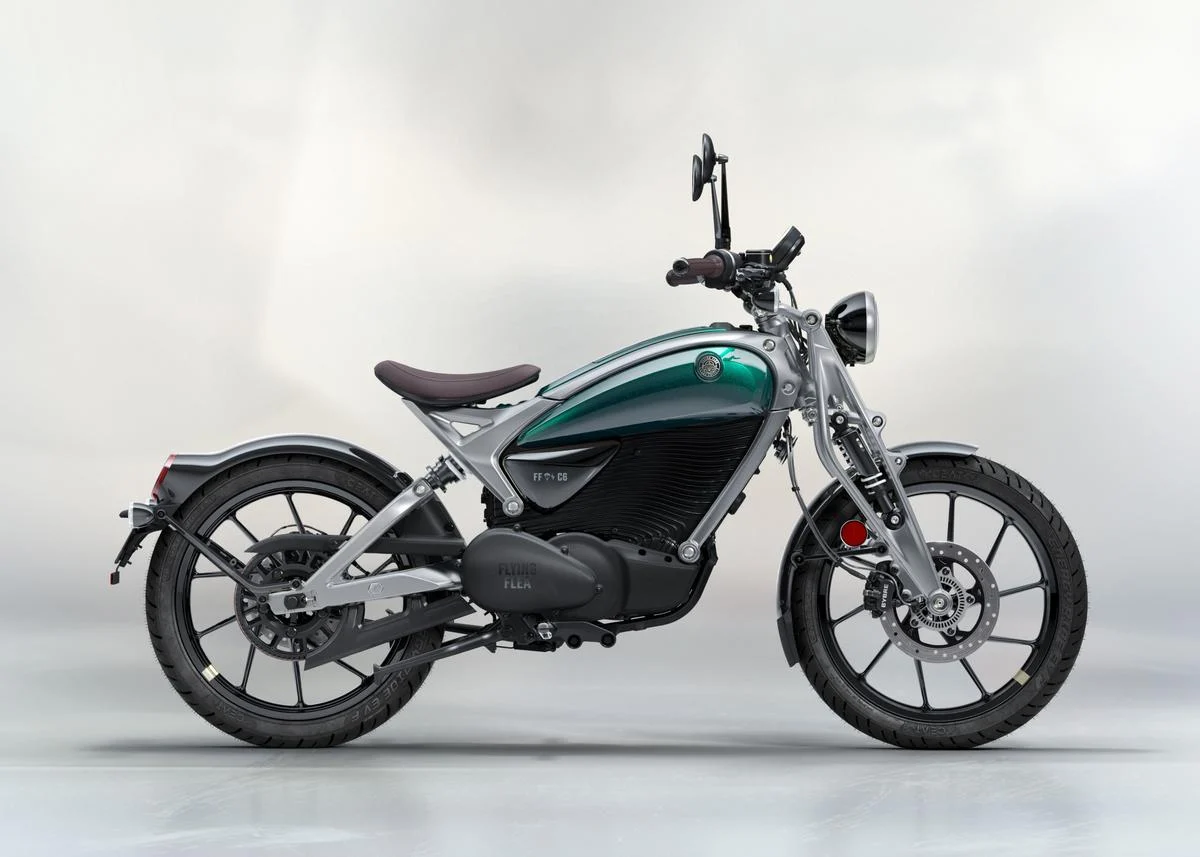
In a move that marks one of the most significant pivots in its century-long history, Royal Enfield has officially entered the electric vehicle (EV) sector with the unveiling of the Flying Flea C6. Rather than simply retrofitting an existing chassis with an electric motor, the Chennai-based motorcycling giant has launched an entirely new sub-brand—Flying Flea—dedicated to the evolution of urban mobility. The C6 is not merely a motorcycle; it is a statement of intent, blending the brand’s storied heritage with the exigencies of a sustainable, digitally connected future.
Main Facts: A New Identity for the Modern Commuter
The Flying Flea C6 represents a departure from the heavy, "thumping" cruisers that defined Royal Enfield’s global resurgence over the last two decades. Instead, the C6 is a lightweight, agile, and technologically dense machine designed to navigate the dense traffic of 21st-century megacities.
Ground-Up Engineering
At the heart of the C6 is a bespoke electric platform. By avoiding the constraints of an Internal Combustion Engine (ICE) frame, Royal Enfield engineers have optimized the weight distribution and structural integrity specifically for electric propulsion. The result is a motorcycle that weighs a mere 124 kg—a figure that positions it as one of the lightest offerings in its class, ensuring high flickability and ease of use for a diverse range of riders.
Design Language: Heritage Meets Futurism
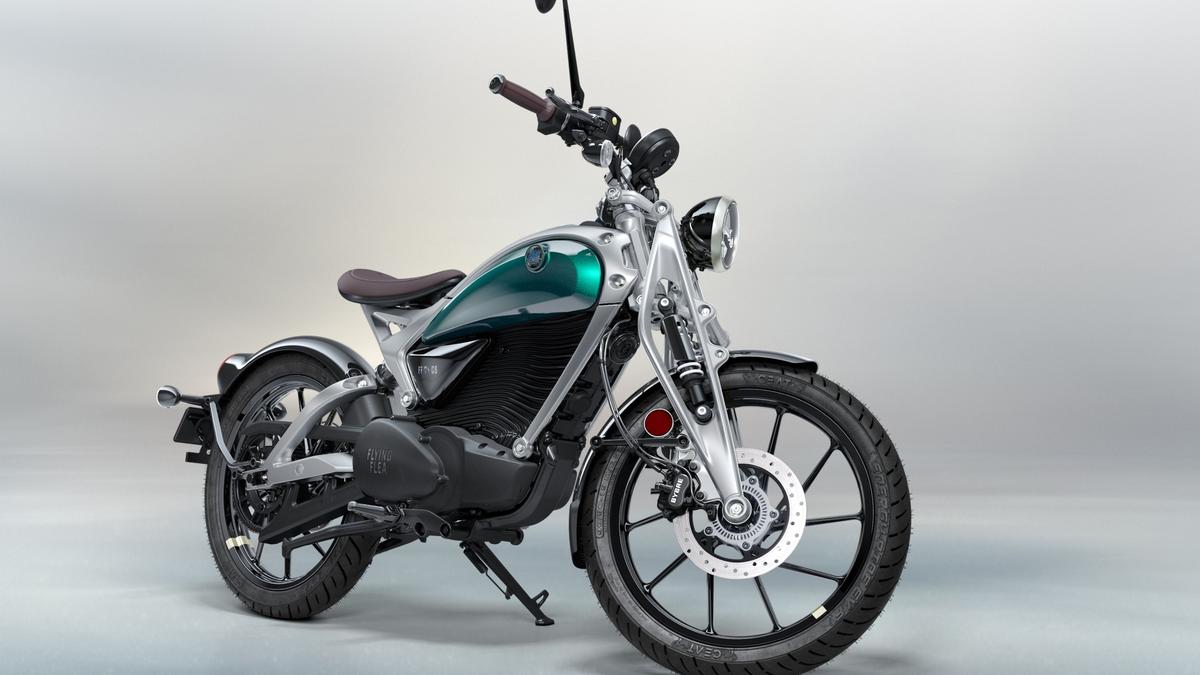
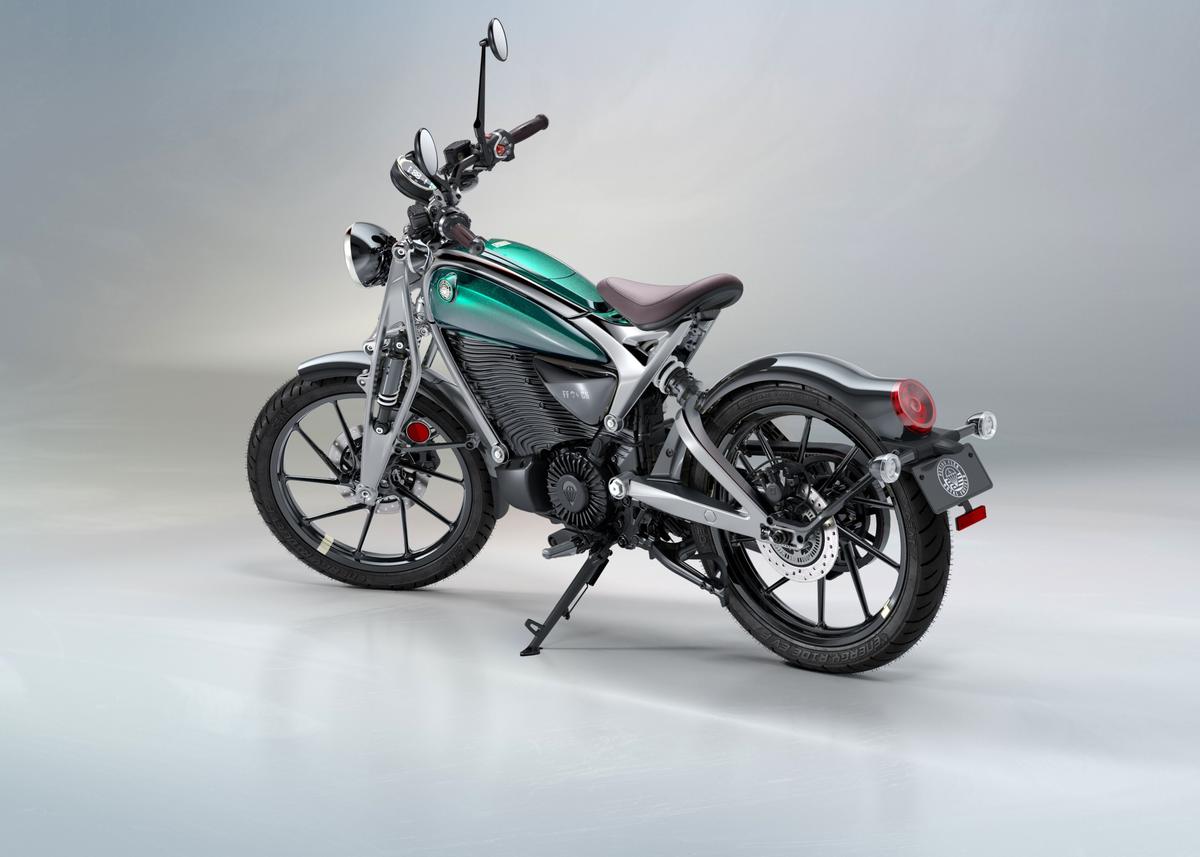
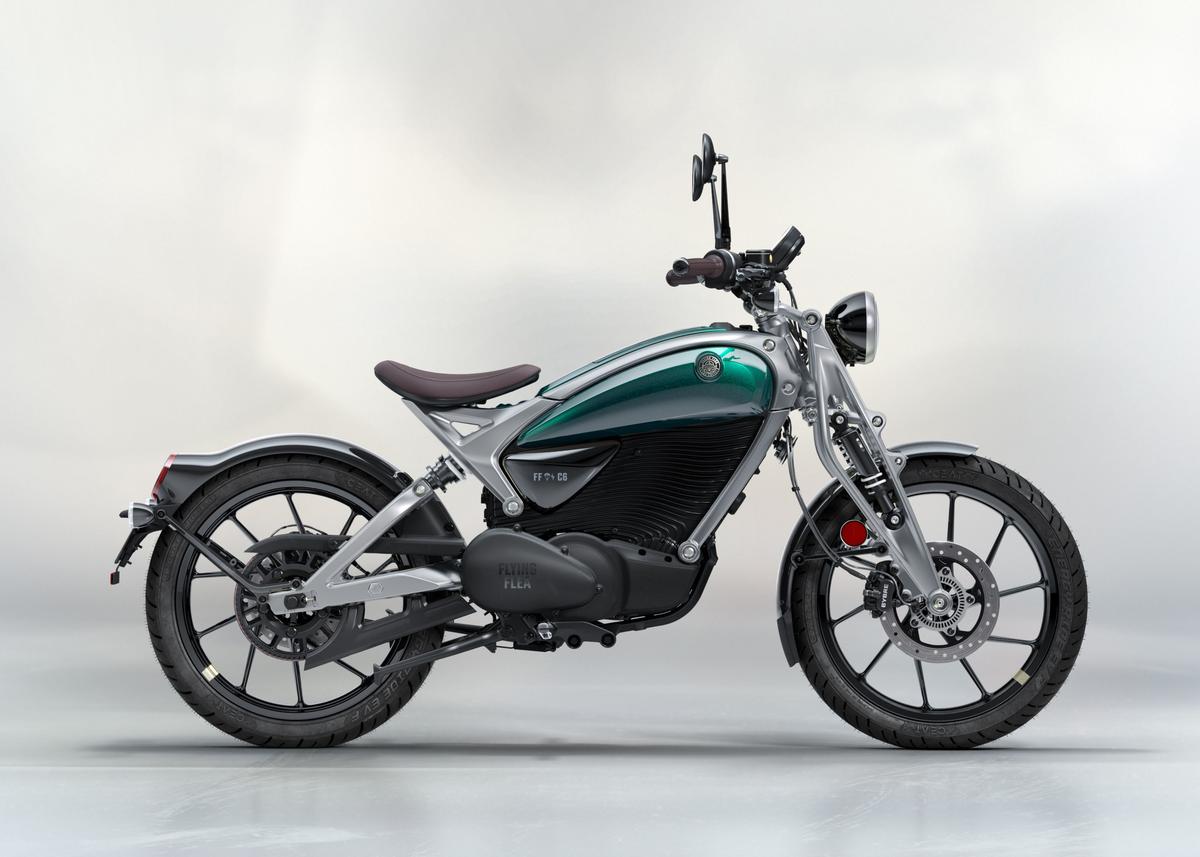
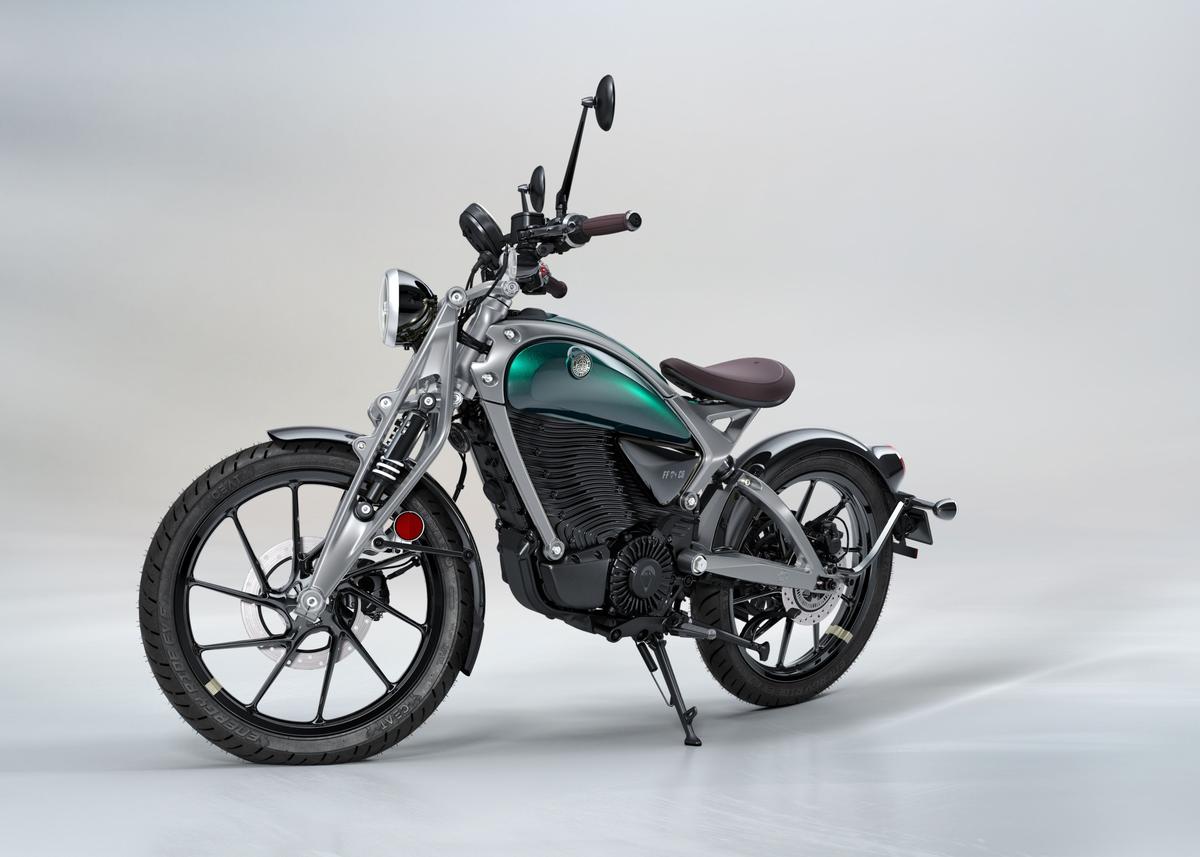
The most striking visual element of the C6 is the front girder fork. While modern motorcycles almost exclusively use telescopic or upside-down forks, the girder fork—executed here in high-grade forged aluminum—serves as a bridge to the past. It references the original Flying Flea bikes of the 1940s while providing a stiff, precise front end suited for urban maneuvers. Complementing this is an articulating mudguard and a finned battery casing, the latter of which serves a dual purpose: aesthetic appeal and critical thermal management for the lithium-ion cells.
Pricing and Availability
Royal Enfield has positioned the Flying Flea C6 with a competitive pricing strategy to disrupt the premium EV segment. The motorcycle is launched at an ex-showroom price of ₹2.79 lakh. However, in a strategic move to lower the barrier to entry, the company is offering a "Battery-as-a-Service" (BaaS) model, which brings the initial purchase price down to ₹1.99 lakh. This model allows customers to pay for battery usage separately, mitigating concerns over long-term battery degradation and high replacement costs.
Chronology: From Paratrooper Tool to Electric Icon
To understand the C6, one must look back at the timeline that brought Royal Enfield to this juncture.
1940s: The Original Flying Flea
The "Flying Flea" moniker was born during World War II. The original Royal Enfield WD/RE was a 125cc lightweight motorcycle designed to be dropped by parachute behind enemy lines with airborne troops. It was prized for its simplicity, lightness, and ability to traverse terrain where larger vehicles failed.
2020–2024: Research and Development
As global emissions standards tightened and the Indian government began pushing for rapid EV adoption via schemes like FAME-II, Royal Enfield quietly began its "Electric0" project. While competitors rushed to market with electric scooters, Royal Enfield took a methodical approach, focusing on developing a platform that would not alienate its core fanbase while attracting a younger, tech-savvy demographic.

2025: The Birth of the Sub-Brand
In late 2025, Royal Enfield announced that "Flying Flea" would be spun off into a dedicated sub-brand. This allowed the company to experiment with avant-garde designs and digital-first features that might have felt out of place under the traditional Royal Enfield badge.
April 2026: The Global Unveiling
The Flying Flea C6 was officially launched in April 2026. The rollout began in Bengaluru, India’s tech hub, with test rides and bookings opening immediately.
May 2026 and Beyond: Market Delivery
Deliveries are scheduled to commence in the final week of May 2026. Following the Bengaluru launch, Royal Enfield plans a phased expansion into other Tier-1 Indian cities, followed by a global rollout in European and Southeast Asian markets where urban congestion creates a high demand for premium electric mobility.
Supporting Data: Technical Specifications and Performance
The Flying Flea C6 is defined by its balance of performance and practicality. It does not aim to be a high-speed highway cruiser but rather the ultimate city tool.
| Feature | Specification |
|---|---|
| Battery Capacity | 3.91 kWh (Lithium-ion) |
| Motor Output | 15.4 kW (Peak Power) |
| Torque | 60 Nm |
| Kerb Weight | 124 kg |
| Top Speed | 115 km/h |
| Charging Time (20-80%) | ~60 minutes (Rapid Charge) |
| Standard Charging | 16 Amp home wall socket compatible |
| Regenerative Braking | Integrated with multiple levels |
Connectivity and Software
The C6 is arguably the most "intelligent" motorcycle Royal Enfield has ever produced. It features a central round TFT touchscreen display that integrates:
- Triple-Network Connectivity: Built-in WiFi, Bluetooth, and 4G LTE.
- Over-the-Air (OTA) Updates: The motorcycle’s firmware and motor controller software can be updated remotely, allowing for performance tweaks and new features post-purchase.
- Rider Analytics: The system uses machine learning to adapt power delivery based on the rider’s habitual style and the terrain of their frequent routes.
Safety Suite
Safety has been a priority in the C6’s development. The bike is equipped with:
- Lean-Sensitive ABS: Adjusts braking pressure based on the bike’s lean angle to prevent low-side crashes.
- Traction Control: Prevents rear-wheel slip on greasy city manhole covers or wet asphalt.
- Tip-Over Alert: Automatically notifies emergency contacts or the brand’s roadside assistance if the bike detects a fall.
Official Responses and Strategic Philosophy
While official statements from the leadership team at Eicher Motors (the parent company of Royal Enfield) emphasize a "slow and steady" transition to electric, the Flying Flea C6 represents a significant acceleration of that timeline.
Sources close to the development team indicate that the philosophy behind the C6 was "Modernity through the lens of Tradition." The engineering team was reportedly tasked with ensuring that even without the sound of a piston, the motorcycle felt like a Royal Enfield—mechanical, tactile, and soulful.
"The Flying Flea C6 is the culmination of years of deep-tech development paired with our signature design DNA," a company spokesperson noted during the launch. "We aren’t just selling a battery and a motor; we are selling a new way to experience the city. The BaaS model, in particular, is our response to the evolving economic landscape of urban India, making premium electric motorcycling a viable reality for the masses."
The company has also hinted that the C6 is just the beginning. The platform is modular, suggesting that a "Scrambler" or "Cafe Racer" variant under the Flying Flea brand could be in the pipeline for 2027.
Implications: A Shifting Landscape
The launch of the Flying Flea C6 has profound implications for the motorcycle industry, the environment, and the Royal Enfield brand itself.
1. Brand Dilution vs. Brand Evolution
For decades, Royal Enfield’s identity was tied to the "thump" of its long-stroke engines. The C6 challenges this. By creating a sub-brand, Royal Enfield protects its legacy ICE business while simultaneously staking a claim in the future. If successful, Flying Flea could become the "Ioniq" or "e-tron" of the motorcycle world—a high-tech sibling that eventually outgrows its parent.
2. The BaaS Revolution
The introduction of Battery-as-a-Service is a potential game-changer. One of the biggest hurdles for EV adoption in India has been the high upfront cost compared to petrol bikes. By decoupling the battery cost from the vehicle cost, Royal Enfield is testing a subscription-based ownership model that could become the industry standard for premium EVs.
3. Urban Infrastructure Impact
With a 115 km/h top speed and rapid charging capabilities, the C6 puts pressure on urban planners to accelerate the rollout of public charging infrastructure. The bike’s ability to charge from a standard 16 Amp socket is a strategic masterstroke, as it allows users to utilize existing electrical infrastructure in apartments and offices, bypassing the need for specialized EV charging stations in the short term.
4. Competitive Pressure
The C6 enters a market where players like Ultraviolette, Ola Electric, and Ather Energy have already established a presence. However, none of these brands possess the heritage or the massive service network of Royal Enfield. The C6’s launch is likely to force competitors to refine their design languages and reconsider their pricing strategies to compete with the "lifestyle" appeal of the Flying Flea.
Conclusion
The Flying Flea C6 is more than a new model; it is a bridge between the analog past and the digital future. By leveraging a historic name to introduce cutting-edge technology, Royal Enfield has managed to make electric mobility feel familiar rather than foreign. As the first units hit the streets of Bengaluru this May, the motorcycling world will be watching closely to see if this "Flea" can truly spark a revolution in the way we move through our cities. With its blend of forged aluminum, 4G connectivity, and a disruptive pricing model, the C6 is well-positioned to ensure that Royal Enfield remains as relevant in the age of the electron as it was in the age of the piston.
