

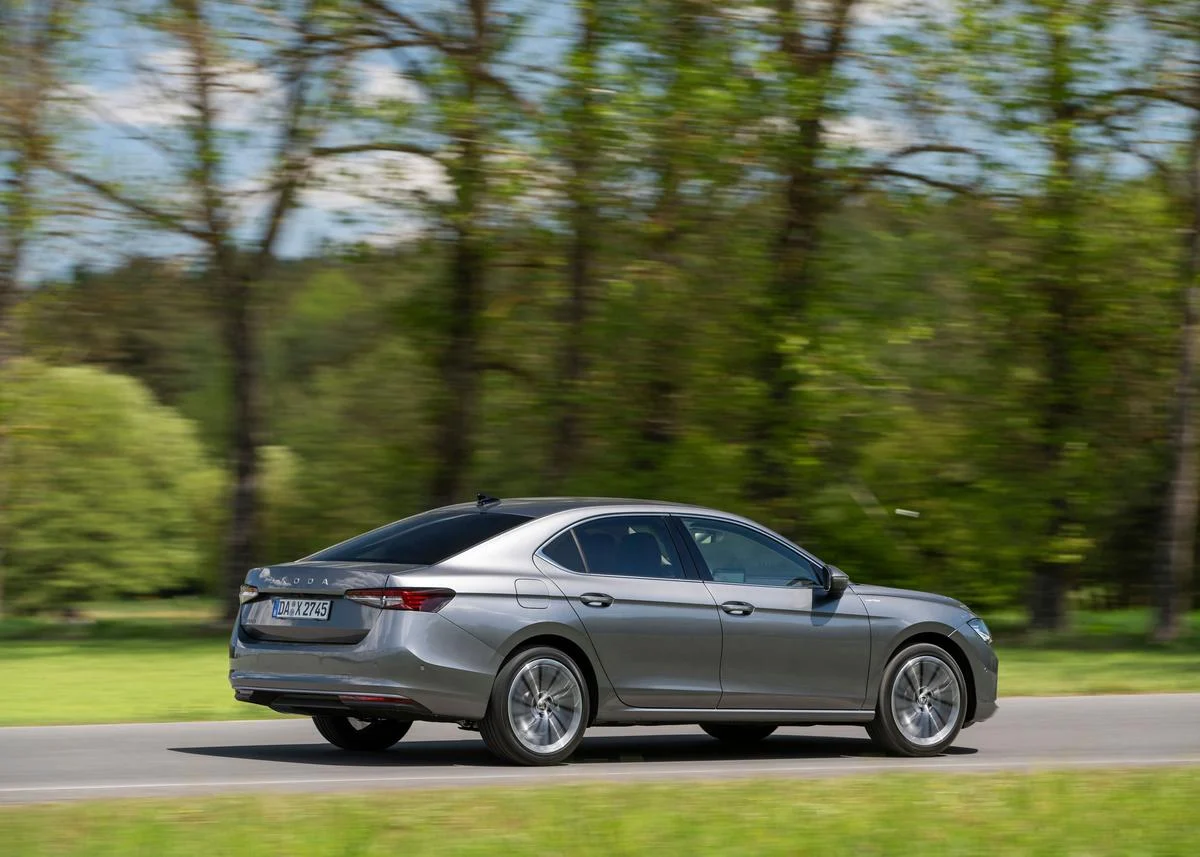
The iconic Skoda Superb is poised for a significant comeback in the Indian automotive landscape, not with the usual fanfare of electrified powertrains, but with a calculated and potentially game-changing return of its renowned diesel engine. This move signals a shrewd understanding of a segment of Indian buyers who continue to value the inherent strengths of diesel for long-distance travel and executive cruising. The fourth-generation Superb, with its blend of premium design, unparalleled practicality, and a potent diesel heart, aims to carve a distinct niche, offering a compelling alternative in an SUV-dominated market.
The automotive world is in constant flux, with a dominant narrative pushing towards electrification and alternative fuels. Amidst this shift, Skoda’s decision to reintroduce the Superb with a diesel engine in India is a bold, yet pragmatic, statement. It acknowledges that the Indian market, particularly for executive sedans, has not entirely abandoned the virtues of diesel: torque, efficiency, and the sheer pleasure of effortless highway cruising. The Superb has always been a champion of space and comfort, and this new iteration promises to amplify those strengths, offering a sophisticated and practical proposition for discerning buyers.
The Allure of Understated Elegance and Practicality
The new Skoda Superb, even at first glance, exudes a sense of refined presence. It is undeniably a Skoda, yet it possesses a premium aura that transcends its badge. The design language of the fourth-generation model is a masterclass in balancing elegance with understated character. Skoda has expertly sculpted the large dimensions of the Superb, employing contoured surfacing and sharp, defined lines to artfully disguise its bulk. This results in a vehicle that feels substantial without appearing cumbersome. The bodywork boasts a chiseled quality, hinting at a sporty dynamism, while the overall stance firmly anchors it within the luxury executive sedan segment. While the dimensions may not feel drastically altered from its predecessor, the new design imbues the Superb with a more resolved and proportionate aesthetic, a testament to Skoda’s design prowess.
This premium quality seamlessly transitions into the cabin. The interior makes an immediate positive impression, characterized by an upmarket presentation, a clean and intuitive layout, and impeccable fit and finish. Skoda has commendably resisted the urge to overcomplicate the dashboard. The harmonious integration of a large central touchscreen, a digital instrument cluster, and well-placed physical controls strikes a contemporary balance, ensuring a user-friendly and sophisticated environment without overwhelming the driver.

The Superb’s Defining Strength: Unrivaled Space and Versatility
However, the Superb has never truly been defined by its dashboard. Its enduring appeal has always stemmed from the sheer expanse of space it offers, particularly for rear-seat occupants. This defining characteristic remains paramount in the new generation. The rear seat of the Superb is where it truly earns its moniker, providing a level of legroom and overall spaciousness that transforms long-distance journeys into genuinely comfortable experiences. Coupled with a cavernous boot, the Superb continues to offer a rare commodity in the premium car segment: a vehicle that masterfully blends practicality with uncompromised comfort.
A standout feature, and one that significantly enhances its utility, is the notchback tailgate. This ingeniously integrated design element retains the sleek visual appeal of a sedan while delivering the practicality of a large hatchback. It’s a subtle yet impactful detail that elevates the Superb’s usability far beyond that of conventional three-box executive sedans, offering a degree of cargo flexibility that is often overlooked in its segment.
The Heart of the Matter: A Powerful Diesel Return
Under the hood, the Superb will be powered by a familiar yet highly capable 2.0-liter TDI diesel engine. This powerplant is expected to deliver approximately 150hp and a robust 360Nm of torque, mated to a seven-speed dual-clutch automatic transmission and driving the front wheels. This engine, a well-established unit from the Volkswagen Group’s extensive portfolio, has proven its mettle across global markets. While the final driving dynamics of the India-spec car are yet to be experienced, the combination of ample torque, inherent efficiency, and a proven drivetrain is ideally suited to the Superb’s long-distance touring capabilities. Furthermore, Skoda is equipping the India-bound Superb with desirable features such as Dynamic Chassis Control and Progressive Dynamic Steering, promising an enhanced and adaptable driving experience.
The reintroduction of a diesel engine in the current automotive climate is a significant talking point. At a time when many manufacturers are strategically pivoting towards petrol, hybrid, and fully electric powertrains, Skoda’s calculated return to diesel demonstrates a keen understanding of a persistent segment of the Indian automotive market. Diesel engines continue to hold a strong appeal for Indian buyers, particularly those who undertake extensive highway travel and prioritize a potent combination of torque, effortless cruising ability, and impressive fuel efficiency. The Superb, with its diesel heart, is perfectly positioned to cater to this demand.

Strategic Positioning and Future Outlook
The Skoda Superb is not being positioned as a volume seller. It is anticipated to arrive in India as a fully imported, top-spec Laurin & Klement model, with deliveries slated for the first half of 2027. Despite its niche positioning, its return is undeniably significant. It has the potential to serve as a halo product for Skoda in India, offering buyers who are looking beyond the dominant SUV segment a genuinely distinctive and compelling alternative.
Skoda is adopting a pragmatic approach to pricing, understanding that the India-EU Free Trade Agreement could play a crucial role in determining the final cost of importing the vehicle. The ultimate success of the Superb in India will hinge significantly on its pricing strategy. If Skoda can position the car competitively, ideally around the ₹50 lakh mark, its compelling package of premium design, exceptional rear-seat space, a massive boot, proven diesel performance, and luxury-oriented equipment could make it a formidable contender in a market increasingly saturated with SUVs.
In conclusion, Skoda’s decision to bring back the diesel-powered Superb is a strategic masterstroke, catering to a specific and enduring market need. The onus now lies on competitive pricing to unlock the full potential of this elegantly practical executive sedan. The return of the Superb, with its diesel engine, signifies not just a new model but a reassertion of the enduring appeal of a well-crafted, spacious, and capable sedan in the Indian automotive landscape.
Chronology of the Skoda Superb’s Indian Journey
The Skoda Superb has a rich history in the Indian market, marked by several generations that have consistently offered a blend of luxury, space, and value.

- First Generation (2004-2008): The Superb first arrived in India based on the Volkswagen Passat platform. It immediately impressed with its cavernous rear legroom, a feature that quickly became its hallmark. Initially offered with petrol engines, it established a reputation for executive comfort.
- Second Generation (2009-2015): This generation saw the Superb evolve further, maintaining its class-leading interior space and introducing more refined styling. It also offered diesel engine options, which proved popular with buyers seeking fuel efficiency and torque for highway cruising. The distinctive two-part opening tailgate was a notable feature.
- Third Generation (2016-2023): The third-generation Superb, built on the versatile MQB platform, further enhanced its design language, technology, and safety features. It continued to offer both petrol and diesel powertrains, solidifying its position as a strong contender in the executive sedan segment. Its practical notchback design, offering hatchback-like practicality with sedan aesthetics, was a key selling point.
- Fourth Generation (Expected 2027): The upcoming fourth generation represents a significant return for the Superb in India. While the exact specifications for the Indian market are still to be fully revealed, the strong emphasis on the diesel engine and the promise of premium features like Dynamic Chassis Control and Progressive Dynamic Steering indicate a focus on delivering a refined and capable executive sedan experience. The return to a fully imported model suggests a positioning at the higher end of the segment.
Supporting Data and Market Trends
The Indian automotive market, while increasingly leaning towards SUVs, still holds a significant segment for sedans, particularly in the executive and luxury categories. While overall sedan sales might be lower than SUVs, the demand for premium sedans remains consistent, driven by buyers who appreciate the driving dynamics, comfort, and sophisticated road presence they offer.
The continued demand for diesel powertrains, especially in regions with extensive highway networks and for individuals who undertake frequent long-distance travel, is a critical factor. Despite global trends, diesel engines offer a compelling combination of fuel efficiency, torque for effortless overtaking, and a robust performance profile that resonates with a significant portion of the Indian car-buying public. The Superb, with its proven 2.0-liter TDI engine, is well-equipped to capitalize on this sustained demand.
Furthermore, the perceived value proposition of the Superb, historically offering a high level of luxury and space at a competitive price point compared to some European rivals, is a strong selling point. The focus on practical features like the notchback tailgate and the emphasis on rear-seat comfort directly address the needs of buyers who prioritize functionality and passenger well-being alongside premium appointments.
Official Responses and Strategic Intent
While official statements from Skoda India regarding the exact specifications and pricing of the upcoming Superb are limited, the strategic decision to reintroduce the model with a diesel engine speaks volumes about their market understanding. The company’s focus on the Laurin & Klement trim suggests an intention to position the Superb as a flagship offering, aiming to enhance Skoda’s brand image and attract a discerning clientele.

The mention of the India-EU Free Trade Agreement highlights Skoda’s awareness of the economic factors influencing import costs and their commitment to finding a viable pricing strategy. This indicates a long-term vision for the Superb in India, rather than a short-term market entry. The company’s willingness to invest in bringing back a diesel model underscores their confidence in the segment’s potential and their belief that the Superb, with its unique blend of attributes, can carve out a significant niche.
Implications for the Indian Automotive Landscape
The return of the Skoda Superb with a diesel engine carries several implications for the Indian automotive market:
- Revitalization of the Executive Sedan Segment: The Superb’s comeback could inject renewed interest and competition into the executive sedan segment, which has been somewhat overshadowed by the SUV boom. It offers a distinct alternative for buyers who may not find SUVs to their liking or who seek a more traditional yet equally luxurious motoring experience.
- Reinforcement of Diesel’s Viability: Skoda’s bold move could signal to other manufacturers that there is still a significant and untapped market for diesel engines in specific segments. It challenges the narrative that diesel is a dying powertrain and could encourage other brands to re-evaluate their diesel strategies for India.
- A True Alternative to SUVs: For buyers who prioritize space, comfort, and a refined driving experience over the higher driving position and ruggedness of SUVs, the Superb presents a compelling, practical, and luxurious alternative. Its large boot and spacious rear cabin cater to families and business executives alike.
- Potential for a "Halo" Product: As a fully imported, top-spec model, the Superb can serve as a halo product for Skoda, enhancing its brand perception and attracting aspirational buyers. This can have a ripple effect on the sales of other Skoda models in the long run.
The success of the new Skoda Superb will undoubtedly be a balancing act between its inherent strengths and its final pricing. However, with its pragmatic approach, commitment to practicality, and a powerful diesel heart, the Superb is poised to make a significant and welcome return to the Indian automotive scene, offering a compelling choice for those who value substance and sophistication.
