

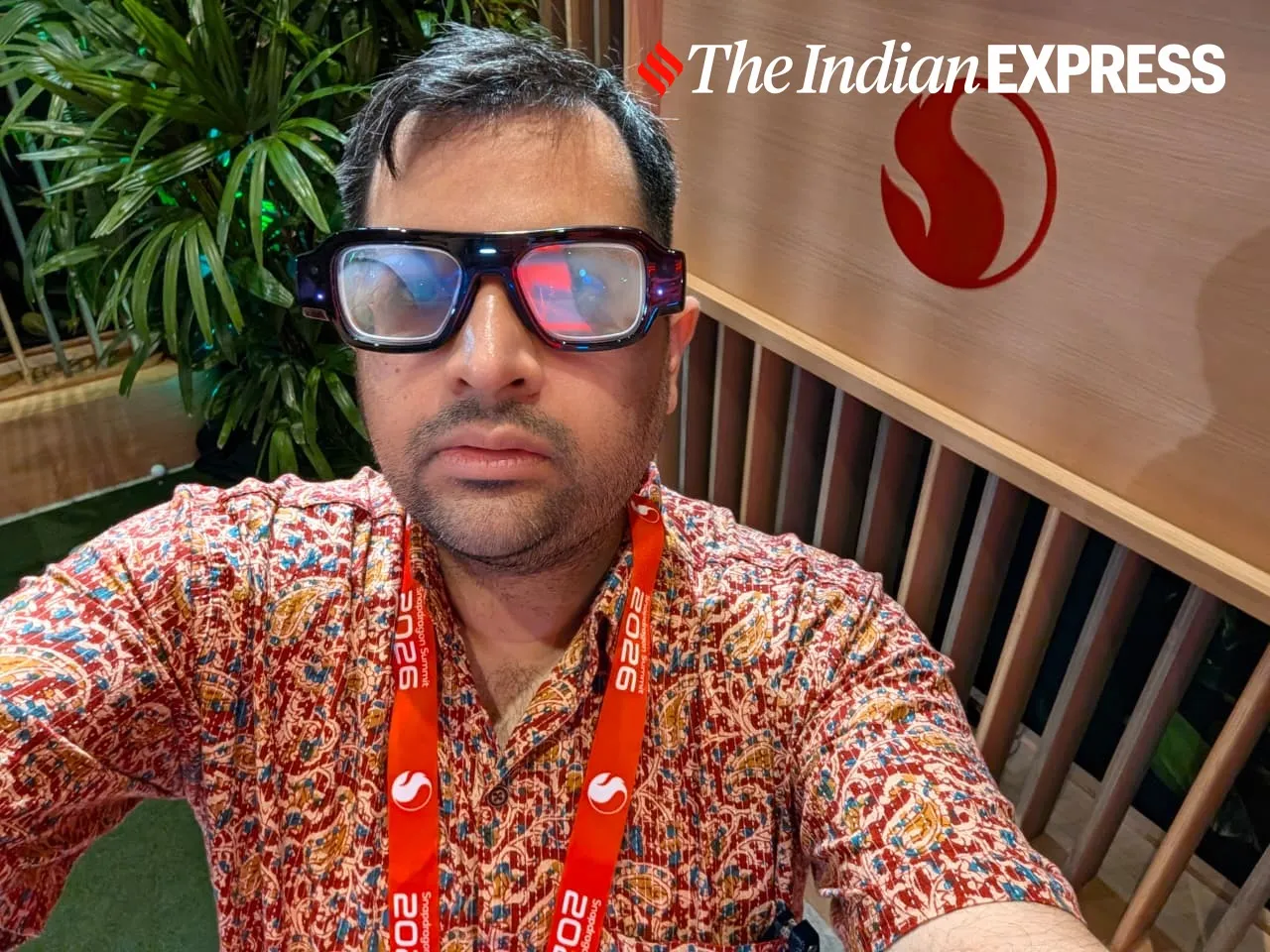
Maui, Hawaii – The annual Qualcomm Snapdragon Summit, a crucible for next-generation mobile and spatial computing innovations, recently served as the launchpad for Snap’s latest foray into augmented reality (AR): the Specs. Priced at a formidable $2,195 (approximately Rs 2,10,394), these standalone AR glasses represent a bold declaration from Snap: they are not merely a gadget, but a potential successor to the ubiquitous smartphone. After a hands-on demonstration, the central question reverberated: could Specs genuinely integrate into daily life, and more profoundly, could it render the smartphone obsolete?
Snap’s assertion is audacious. While tech giants are prone to marketing their innovations as revolutionary, the claim that Specs could replace a device as deeply embedded in modern existence as the smartphone warrants rigorous examination. Unlike the more common, phone-tethered Meta Ray-Ban glasses, Specs stands apart. It operates independently, eschewing the need for a companion smartphone or external controllers, and is already available for pre-order, signifying its status as a fully-fledged consumer product rather than a speculative prototype. This alone positions Specs as a significant milestone in the nascent AR hardware landscape, pushing the boundaries of what’s currently feasible for consumer-grade spatial computing.
During a concentrated 30-minute demo at the Snapdragon Summit, the experience with Specs was revealing. It presented perhaps the most compelling vision of spatial computing observed to date, yet it was not without its discernible limitations. The practical questions emerged swiftly: how long could one comfortably wear these undeniably chunky glasses, and what unique functionalities did they offer that couldn’t already be achieved, often more efficiently, on a smartphone or laptop? This early assessment delves into Snap Specs, exploring its design, capabilities, and the critical junctures where its utility might intersect with or diverge from everyday life.
The Genesis of a Vision: Snap’s AR Journey and the Industry’s Quest for Spatial Computing
Snap’s journey into wearable technology and augmented reality is not new. The company first ventured into hardware with its Spectacles line, beginning in 2016. The initial iterations were essentially smart cameras embedded in stylish frames, designed primarily for capturing short videos and photos for Snapchat. While innovative, these early Spectacles were far from true augmented reality devices. They served as a bridge, familiarizing consumers with the concept of smart eyewear and laying the groundwork for more ambitious projects.
The evolution from simple camera glasses to the sophisticated AR capabilities of the latest Specs marks a significant chronological leap for Snap. This iteration is built on years of research and development in computer vision, spatial computing, and miniaturization. The company has steadily invested in AR filters (Lenses) within its Snapchat app, cultivating a vast ecosystem of creators and users familiar with augmented reality experiences. This deep understanding of AR content and user interaction provides a unique foundation for Specs.
Globally, the quest for mainstream AR glasses has been fraught with challenges. Google Glass, an early pioneer, faced public scrutiny over privacy concerns and struggled with form factor and application. Magic Leap, another highly anticipated player, pivoted from a consumer focus to enterprise solutions due to the immense technical and logistical hurdles of delivering a truly immersive and practical AR experience. Meta, through its Reality Labs division, has also made significant investments in both VR (Quest headsets) and AR (Meta Ray-Bans), underscoring the industry-wide belief in the potential of spatial computing. Apple’s recent unveiling of the Vision Pro further intensifies this race, setting a new benchmark for immersive mixed reality.
Specs emerges from this complex lineage, benefiting from past lessons and leveraging advancements in component technology, particularly from partners like Qualcomm. Its unveiling at the Snapdragon Summit highlighted the critical role of powerful, efficient processors in enabling standalone AR experiences without the need for external tethering. This generation of Specs represents a maturing phase in Snap’s AR ambitions, moving beyond mere content capture to genuine spatial interaction, positioning it as a significant contender in the evolving narrative of wearable computing.
Unpacking the Technology: Design, Display, and Intuitive Interaction
The fundamental design and technological underpinnings of Snap Specs offer a fascinating case study in the current state of consumer augmented reality.
Design and Ergonomics: The Trade-off Between Form and Function
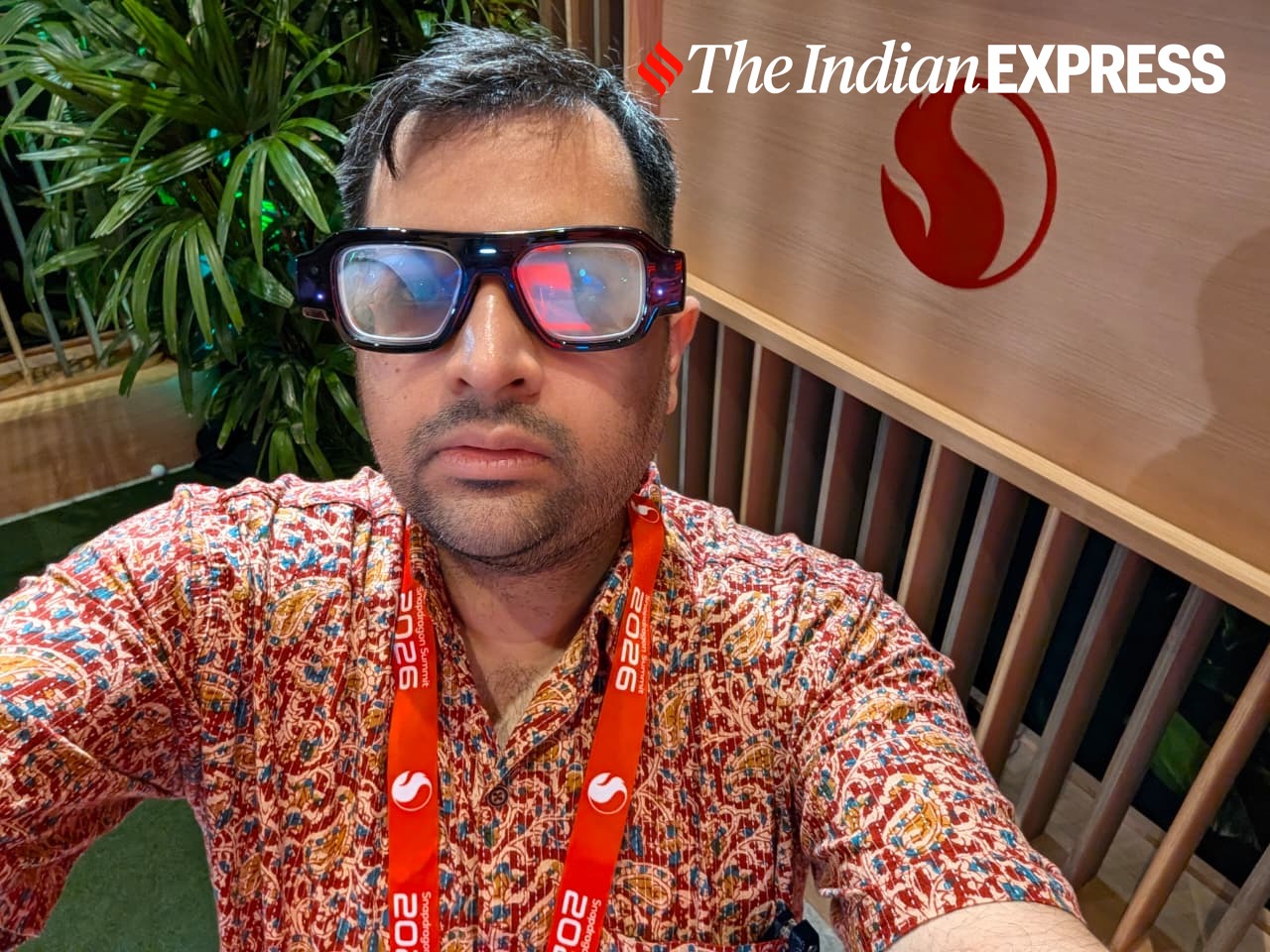
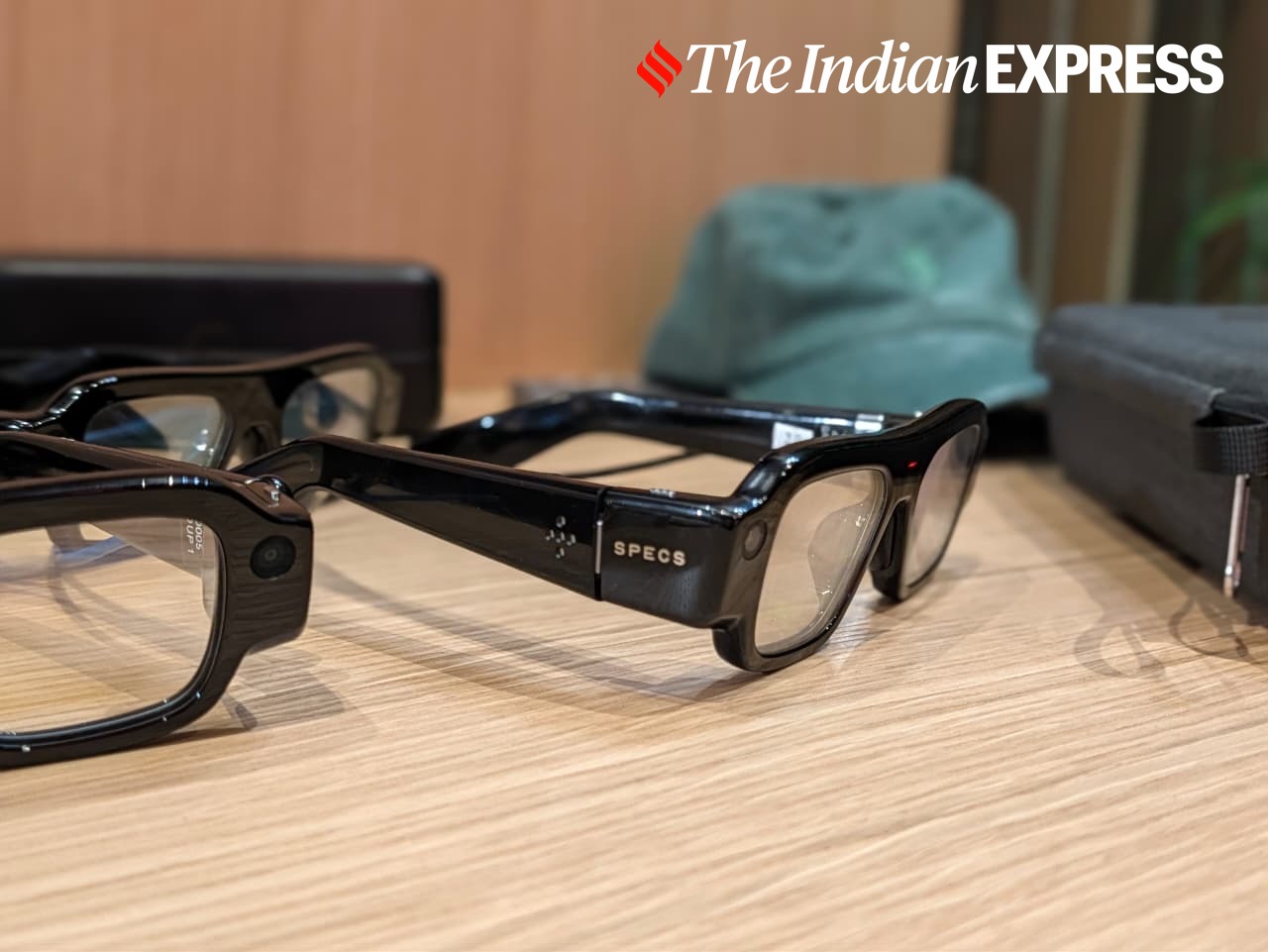
From a purely aesthetic standpoint, Specs presents a distinct, chunky profile. For individuals accustomed to sleek, minimalist eyewear, the initial impression might be one of bulkiness. However, for those who wear prescription glasses with thicker frames or appreciate the oversized aesthetic popularized by luxury brands like Louis Vuitton or Gucci, Specs might not feel entirely alien. The reviewer, being accustomed to substantial frames, found the design less jarring than others might.
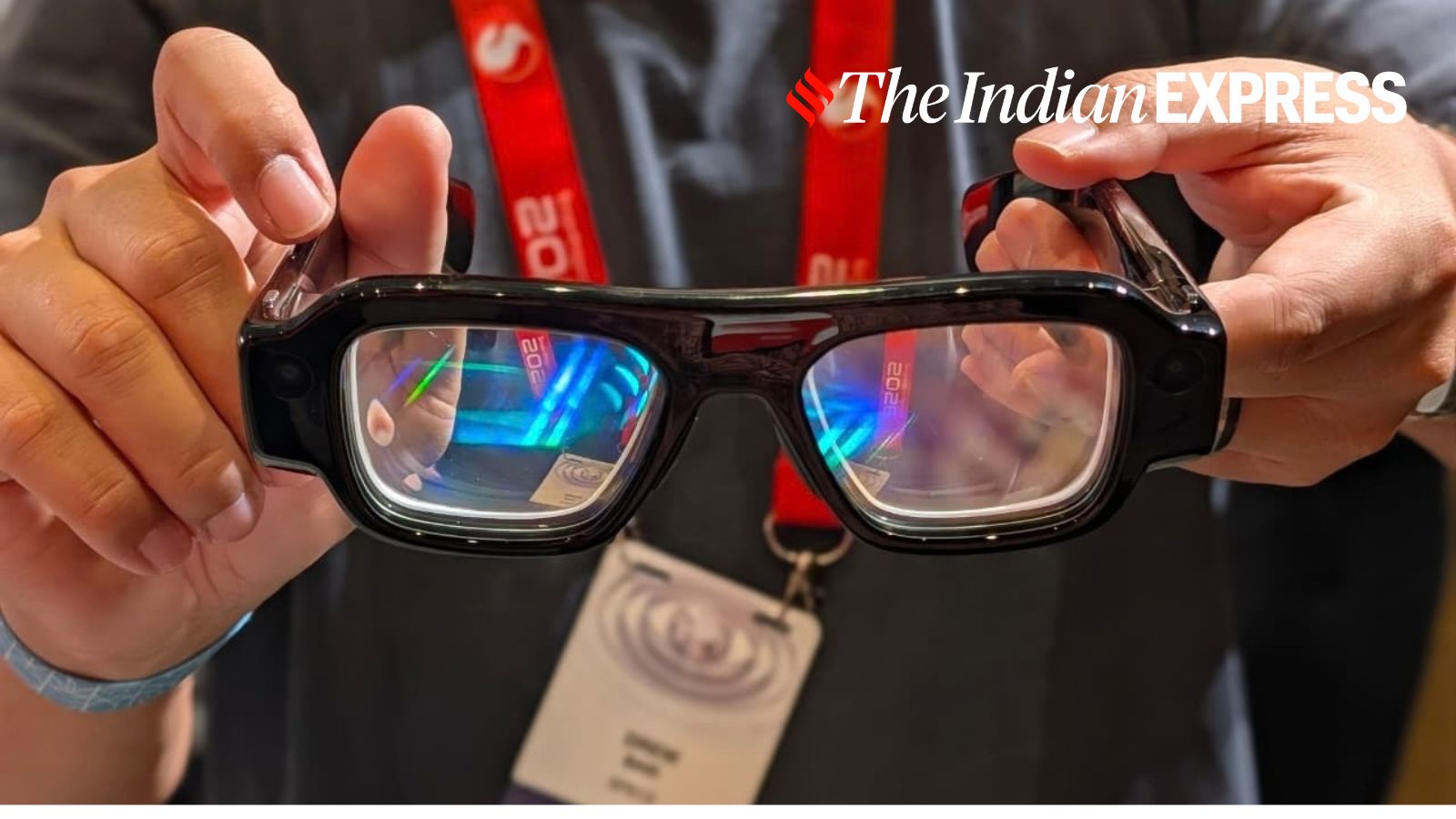
This design choice is not arbitrary; it is a direct consequence of the advanced technology housed within. Unlike conventional glasses, Specs must integrate a complex array of components: a powerful processor (likely a custom Snapdragon variant optimized for AR), a substantial battery, communication hardware (Wi-Fi, Bluetooth), speakers, multiple cameras, infrared sensors for depth perception, and the intricate waveguide display technology. Accommodating these elements in a wearable form factor necessitates a certain degree of volume.
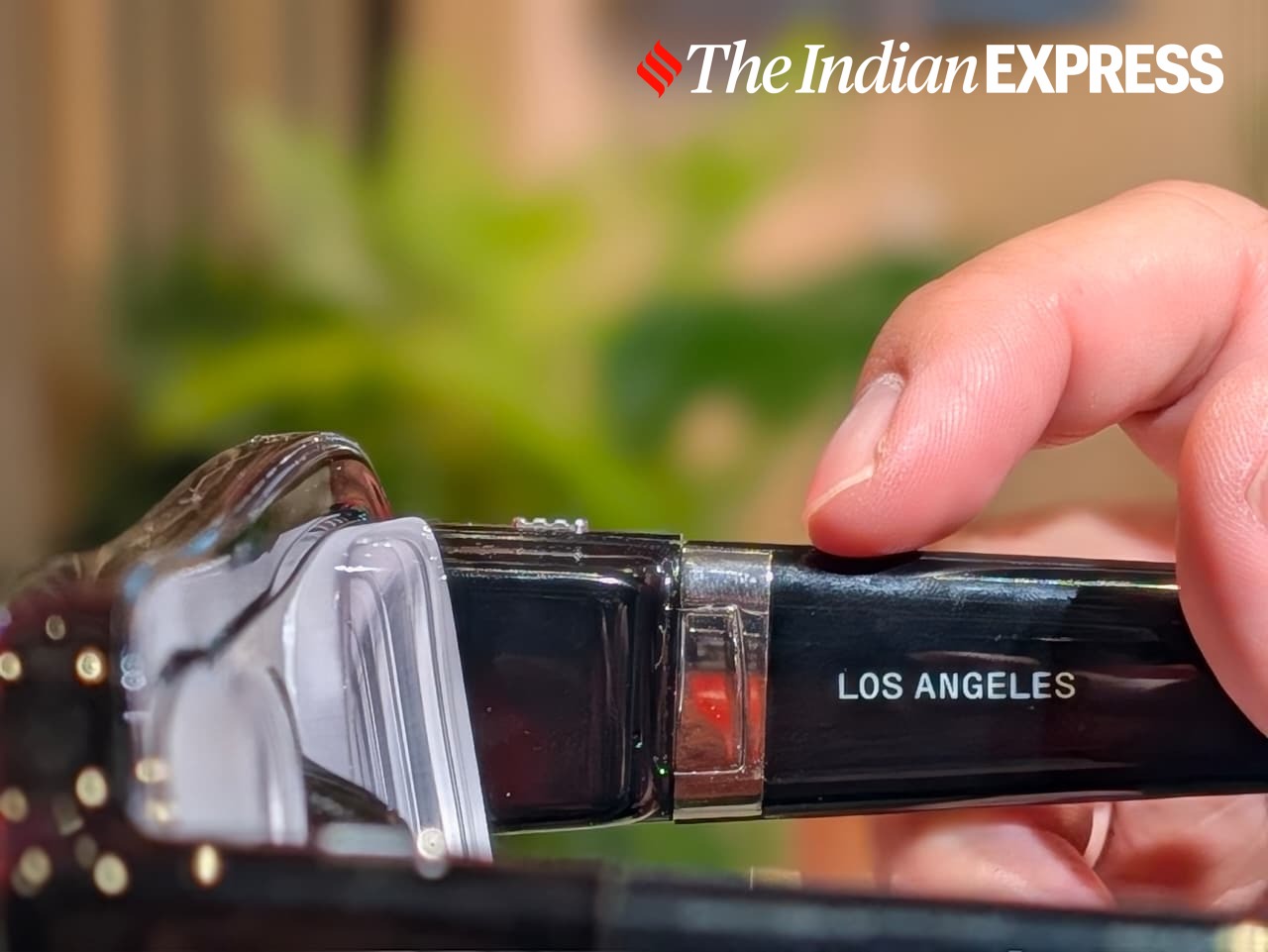
Compared to Meta Ray-Bans, which prioritize a more conventional eyewear appearance by offloading much of their processing to a tethered smartphone, Specs’ standalone nature demands greater internal capacity. Despite its size, the glasses feature a balanced weight distribution, which, at a maximum of 136 grams, contributes significantly to comfort during extended wear. The availability of two sizes, narrow (47mm) and wide (52mm), indicates an attempt to cater to different facial structures, though the overall aesthetic remains bold. While future iterations will undoubtedly strive for further miniaturization, Specs, in its current form, represents a remarkable engineering feat, packing a complete spatial computer into a pair of glasses without external cables or pocket-sized pucks. It successfully avoids the visually isolating and often cumbersome appearance of full virtual reality headsets, aiming for a more socially acceptable profile.
Blending Digital Content with the Physical World: The AR Experience
At the heart of Specs’ immersive capabilities lies its see-through waveguide display. This technology allows users to perceive the real world unobstructed while seamlessly overlaying digital content directly onto their field of view. This fundamental difference from VR headsets, which completely block out the physical environment, is crucial to Specs’ ambition of integrating AR into daily life without isolation. The experience is akin to a large, virtual screen floating directly in front of the eyes, creating an illusion of spatial computing that the reviewer deemed the "best implementation of augmented reality" observed to date, achieving an unprecedented level of realism.
The glasses achieve this by projecting light waves into the lenses, which then direct the light into the wearer’s eyes, creating virtual images that appear to be part of the real world. This process, while technologically sophisticated, presents inherent challenges, particularly concerning clarity and field of view.
Display and Field of View: Current Limitations
While the AR experience is compelling, the display quality and field of view (FOV) present notable limitations. Specs offers a 51-degree FOV, which, while comparable to enterprise-grade devices like the HoloLens 2, is significantly narrower than the 100-degree FOV boasted by the Apple Vision Pro. This narrow, portrait-like virtual window means that while experiences feel close and immediate, the overall immersive canvas is constrained. It’s important to note that Specs can render and record a wider field of view than it can actually display, meaning marketing materials might inadvertently create expectations that the actual viewing experience cannot fully meet.
The physics of optics make achieving a wide FOV in a thin, glasses-like form factor incredibly difficult. Waveguide technology, while excellent for transparency and compactness, typically struggles to deliver expansive viewing angles without introducing optical distortions or increasing bulk. Competing technologies, like the pancake lenses used in some VR headsets, offer wider FOVs but at the cost of thickness and opacity, making them unsuitable for see-through AR glasses. Therefore, the 51-degree FOV represents a current technological compromise, an area ripe for future innovation.
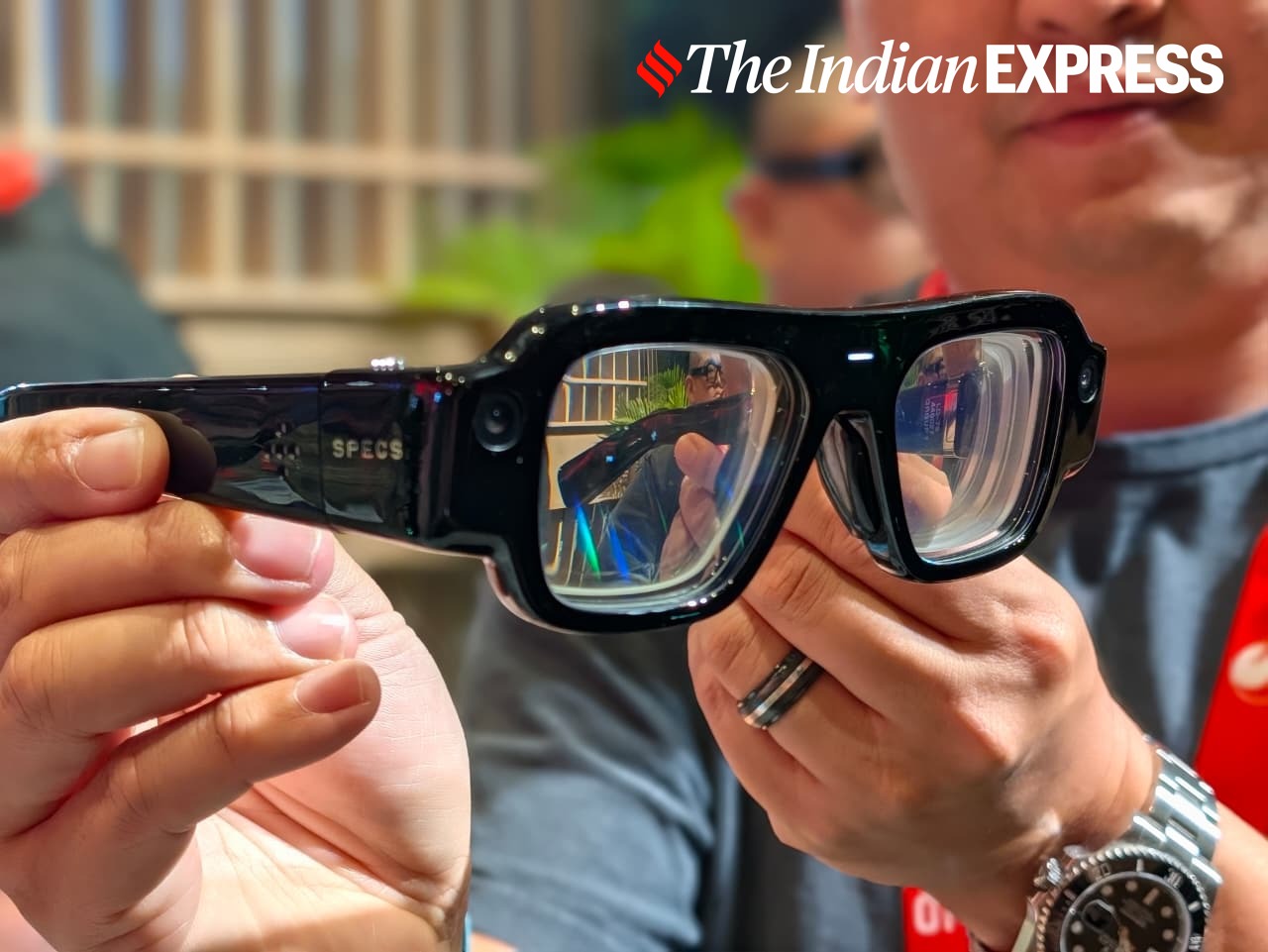
Furthermore, the display resolution raises concerns. The virtual screen’s crispness was observed to be closer to HD (720p) than the 4K fidelity increasingly common in other display technologies. This lack of pixel density impacts the clarity and uniformity of digital content, making it less ideal for tasks requiring sharp text or detailed graphics. While some Lenses are cleverly designed to work within these constraints, others suffer from a noticeable lack of polish, suggesting that developers are still navigating the optimal presentation for this display architecture.
Intuitive Interaction: Hand Tracking and Computer Vision
One of Specs’ most impressive aspects is its intuitive user interface. Interaction is primarily driven by advanced hand tracking. Users can transform their hand into a cursor by simply bringing their index finger and thumb together, navigating menus and selecting options with remarkable ease. A virtual menu materializes on the palm when held up, allowing for taps and gestures that feel natural and responsive. This method bypasses the need for external controllers, enhancing the standalone and seamless nature of the device. While voice commands are also supported, the efficacy of the hand tracking alone was a standout feature, performing robustly even in challenging, low-light, and busy demo environments.
Beyond mere input, Specs leverages sophisticated computer vision and spatial awareness. Equipped with RGB cameras, infrared sensors, and powered by a Qualcomm chip, the glasses possess an uncanny ability to "understand" the surrounding physical world. This enables Specs to interpret objects, surfaces, and spaces, and then overlay contextually relevant digital information. For instance, an AR Lens might allow a virtual character to interact realistically with a real-world table, or provide real-time information about landmarks in a user’s environment. This blend of real-world perception and digital overlay is where the device truly shines, offering experiences that transcend what is possible on a flat smartphone screen. The operating system itself demonstrated commendable responsiveness, with fast loading times for both the interface and various Lenses, contributing to a fluid user experience despite the absence of a high refresh rate display.
Official Responses and Snap’s Ambitious Vision
Snap’s official stance on Specs is unequivocal: the company views these AR glasses not as an accessory, but as a paradigm shift, a genuine contender to eventually replace the smartphone. This bold claim is rooted in their vision of an ambient computing future, where digital information and interaction are seamlessly integrated into the physical world, always present yet unobtrusive.
Snap positions its "Lenses" ecosystem as a key differentiator. Lenses are essentially augmented reality applications that leverage the unique capabilities of Specs – its computer vision, spatial awareness, and intuitive hand tracking – to create immersive experiences. From games and entertainment (like the Harry Potter demo) to practical utilities, Snap believes that these Lenses will provide the "new type of experience" necessary to compel users away from their smartphones. The company is actively fostering a developer community to build out this ecosystem, recognizing that compelling content is paramount to hardware adoption.
Despite the high price point and the current form factor challenges, Snap is targeting early adopters, creators, and tech enthusiasts who are willing to invest in cutting-edge technology and explore its potential. Their strategy is likely to seed the market with these advanced devices, gather feedback, and iterate, much like the early days of smartphones or virtual reality headsets. The narrative is one of long-term vision, acknowledging that the transition from a smartphone-centric world to an AR-first one will not happen overnight. The company’s marketing, while ambitious, reflects a genuine belief in the transformative power of spatial computing, aiming to transcend the perception of Specs as just another gadget and elevate it to a "godsend" for the next era of personal computing.
Implications: The Road Ahead for AR and the Smartphone’s Future
The advent of Snap Specs brings into sharp focus the profound implications for the future of personal computing, particularly the ongoing debate about the smartphone’s eventual successor. While Specs represents an impressive leap forward for standalone AR, its journey to mainstream adoption and its potential to dethrone the smartphone are fraught with significant hurdles.
The Elusive "Smartphone Replacement"
The primary challenge for Specs, and indeed for all AR glasses, is to offer a genuinely compelling and indispensable experience that the smartphone cannot. The smartphone form factor, with its versatile touch screen, robust app ecosystem, and ubiquitous connectivity, is exceptionally well-suited to a vast array of daily tasks, from communication and entertainment to productivity and information retrieval. For AR glasses to replace this, they need to deliver a "new type of experience" – something so intuitive, so immersive, and so seamlessly integrated into daily life that it makes the smartphone feel cumbersome by comparison.
Current applications like navigation or overlaying digital information onto the real world are interesting, but they may not be the "killer apps" needed to drive mass adoption. Consumers will demand experiences that fundamentally enhance their lives in ways a phone cannot, moving beyond novelty to necessity. Imagine instantly translating real-world text, receiving context-aware information about people or objects you encounter, or engaging in collaborative remote work within a shared augmented space. These are the types of transformative experiences that AR needs to deliver consistently and flawlessly to truly challenge the smartphone’s dominance.
Market Hurdles and Societal Acceptance
Several practical barriers stand between Specs and widespread consumer acceptance:
- High Price: At $2,195, Specs is a premium device, placing it out of reach for the average consumer. While prices are expected to decrease with scale and technological advancements, this initial cost positions it squarely in the enthusiast or developer market.
- Social Awkwardness: Despite efforts to make Specs look like conventional eyewear, its chunky design can still feel conspicuous in many social settings. Overcoming the "glasshole" stigma that plagued earlier smart glasses will require not only sleeker designs but also a shift in societal norms and expectations regarding wearable technology.
- Battery Life: A mere three to four hours of battery life is a significant limitation for a device aiming to be a "daily driver" or smartphone replacement. For true integration into daily life, AR glasses will need to last a full day on a single charge, mirroring the endurance of modern smartphones.
- Competition: The AR/VR market is becoming increasingly crowded, with tech giants like Meta and Apple making massive investments. Specs will need to carve out a unique value proposition amidst this fierce competition.
Technological Roadblocks and Future Potential
Beyond market and social factors, fundamental technological hurdles remain. Achieving wider fields of view, higher display resolutions, and greater power efficiency in a lightweight, aesthetically pleasing form factor are complex engineering challenges that require breakthroughs in optics, micro-display technology, and battery chemistry. The current compromises in FOV and display crispness, while understandable given the state of the art, highlight that AR technology is still in its infancy.
However, the potential implications of successful AR glasses are immense. They could redefine human-computer interaction, shifting from screen-centric engagement to spatial interaction with information and digital content seamlessly integrated into our environment. Communication could become more immersive, productivity tools could extend into the physical world, and entertainment could become a personalized, interactive layer over reality.
In conclusion, Snap Specs is a compelling and significant step forward for standalone augmented reality. It showcases remarkable engineering and an intuitive approach to spatial computing, offering a tantalizing glimpse into a potential future where digital and physical worlds converge. Snap has done an admirable job of implementing as much as current technology allows to bring a commercial AR product to market. However, the path to replacing the smartphone is long and arduous, requiring not only continuous technological advancements to address limitations in display, battery, and form factor, but also the emergence of truly transformative "killer applications" that fundamentally reshape how we live, work, and interact. Augmented reality remains a tough nut to crack, and while Specs has demonstrated its immense potential, the question of whether it can truly become an indispensable part of everyday life, rather than just an impressive gadget, still hangs in the balance.
