

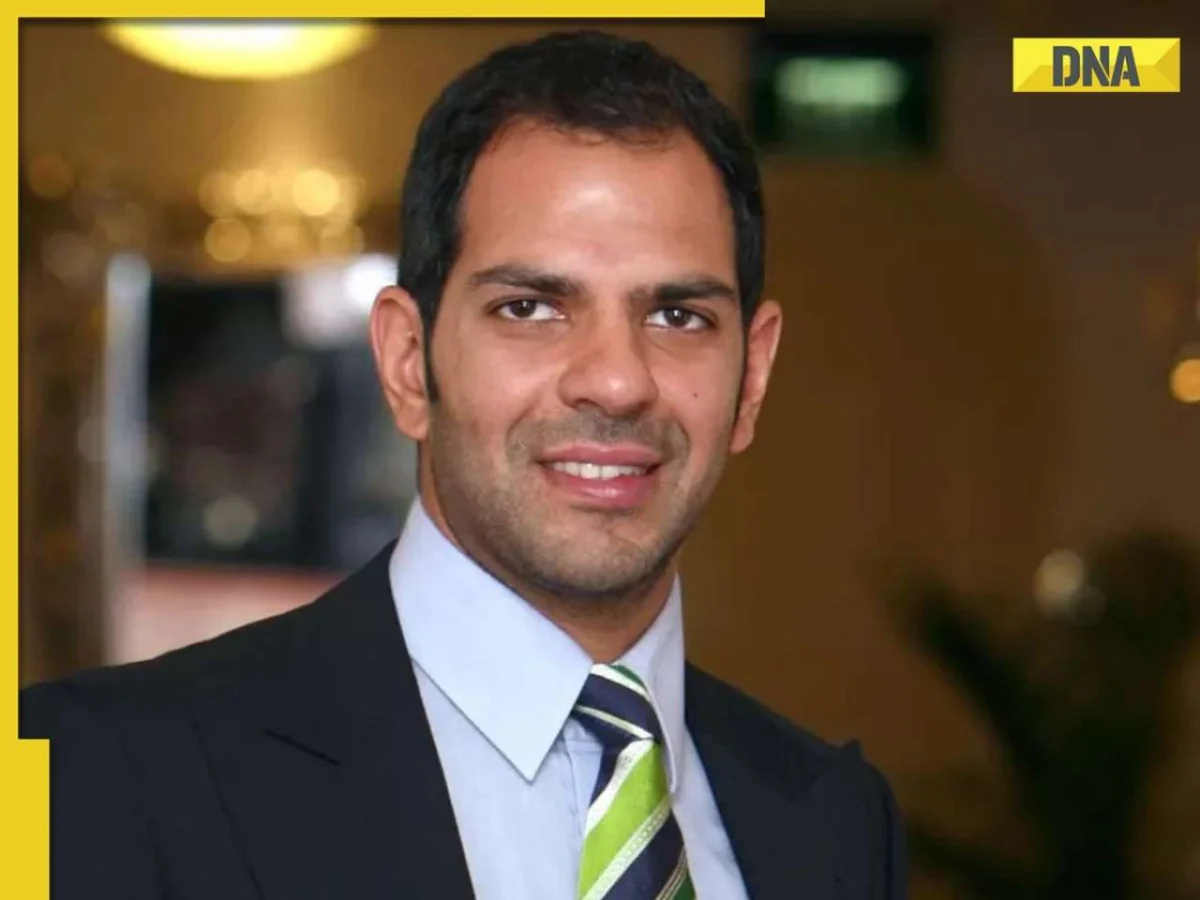
New Delhi – A swift arrest and even swifter release of a prominent social media influencer, known online as ‘The Skin Doctor’, has ignited a fervent debate across digital platforms and legal circles regarding the boundaries of free speech, the responsibilities of online content creators, and the nature of police action in defamation cases. The influencer, identified as dermatologist Dr. Neelam Singh, was taken into custody by the Delhi Police following a complaint lodged by the family of the late industrialist Sunjay Kapur. The charges stemmed from a series of controversial posts made by Dr. Singh, allegedly containing allegations and commentary surrounding Kapur’s death and the subsequent inheritance dispute.
Dr. Singh’s arrest, which occurred on May 13th, 2026, was followed by his release on bail within a mere five hours, a timeframe that has further fueled the public discourse. While the legal proceedings saw a rapid resolution in terms of bail, the underlying issues raised by the incident continue to resonate, prompting a deeper examination of the interplay between public figures, private lives, and the digital public square.
)
The Persona and Platform of ‘The Skin Doctor’
‘The Skin Doctor’ is the online moniker of Dr. Neelam Singh, a practicing dermatologist who has cultivated a significant following across various social media platforms. His digital presence is characterized by a blend of medical insights and, more prominently, outspoken socio-political commentary. Dr. Singh identifies himself as a "socio-politically aware dermatologist," a descriptor that hints at his dual role as a medical professional and a public commentator.

His reach is substantial, with over 900,000 followers on the social media platform X (formerly Twitter) and more than 100,000 followers on Instagram. His YouTube channel, dedicated to social topics, boasts approximately 120,000 subscribers. This considerable audience underscores his influence and the potential impact of his pronouncements. His X bio, "I am not important, yet my words hold significance," encapsulates his self-perception as a conduit for impactful discourse, regardless of his personal standing. This widespread digital footprint is a key factor in understanding the gravity with which his posts, and subsequent arrest, have been perceived.
)
The Genesis of the Controversy: Posts and Police Action
The arrest of Dr. Neelam Singh was a direct consequence of a formal complaint filed by the Kapur family with the Delhi Police. The complaint specifically targeted a series of posts made by ‘The Skin Doctor’ on X, which allegedly delved into sensitive aspects of industrialist Sunjay Kapur’s recent passing. Sources indicate that these posts contained allegations concerning the circumstances surrounding Kapur’s death and raised questions about the validity of his will and the distribution of his considerable assets.
)
Following the registration of the complaint at the Vasant Kunj Police Station in Delhi, investigators initiated proceedings. Dr. Singh was subsequently apprehended for questioning. Prior to his arrest, the content that formed the basis of the complaint was reportedly deleted from his X profile, a move that may have been prompted by the unfolding legal situation or an attempt to mitigate further controversy. The police action, therefore, was initiated based on the alleged defamatory or harmful nature of the content that had been disseminated online.
)
A Swift Release and Judicial Scrutiny
The detention of ‘The Skin Doctor’ proved to be short-lived. Senior Supreme Court advocate Mahesh Jethmalani confirmed that Dr. Singh was granted bail within five hours of his arrest. Mr. Jethmalani vehemently defended his client, characterizing the case as "baseless and frivolous." He further stated that the court, in granting bail, had determined that Dr. Singh had not committed any wrongdoing.
)
According to Mr. Jethmalani, the Delhi Police faced significant questioning from the court regarding the justification for the arrest. This judicial scrutiny suggests that the legal grounds for the initial detention may have been found wanting by the presiding judge, leading to the expedited granting of bail. The swiftness of the bail process, contrasted with the initial arrest, has been a focal point of the online debate, with many questioning the necessity and proportionality of the police action in the first instance.
)
The Shadow of Sunjay Kapur’s Death and Inheritance Dispute
The controversy surrounding ‘The Skin Doctor’ is inextricably linked to the recent death of Sunjay Kapur, the chairman of Sona Comstar, a prominent automotive component manufacturer. Kapur passed away in London after suffering a cardiac arrest during a polo match. While British authorities reportedly attributed his death to natural causes, his mother is said to have expressed reservations about the exact circumstances, adding a layer of intrigue to the events.
)
Following his demise, a significant legal battle has reportedly emerged over Kapur’s substantial assets, estimated to be worth around Rs 30,000 crore. The primary claimants in this dispute are his current wife, Priya Sachdeva Kapur, and his children from his first marriage to Bollywood actress Karisma Kapoor. The complex and high-stakes nature of this inheritance dispute likely contributed to the sensitivity surrounding any public commentary or allegations made about Kapur’s death and his estate. The involvement of a well-known social media influencer in such a contentious matter inevitably drew attention and likely prompted the swift legal response from the aggrieved family.
)
The Broader Implications: Free Speech, Defamation, and Digital Responsibility
The arrest and subsequent bail of ‘The Skin Doctor’ have reignited a critical discussion about the delicate balance between freedom of speech and the protection of individuals from defamation and harassment, particularly in the digital age.
)
Freedom of Speech in the Digital Public Square
Social media platforms have become powerful arenas for public discourse, enabling individuals to express opinions, share information, and hold powerful entities accountable. The arrest of Dr. Singh has been viewed by many as a potential infringement on this freedom, especially given the rapid granting of bail. Critics argue that such arrests, even if ultimately unsubstantiated, can have a chilling effect on legitimate expression, discouraging individuals from speaking out on matters of public interest for fear of reprisal. The argument is that in a democratic society, robust debate, even when critical or controversial, is essential, and the legal system should be cautious in actions that could stifle it.
)
The Nuances of Defamation and Public Figures
The case raises pertinent questions about the legal thresholds for defamation, particularly when the subject is a public figure like Sunjay Kapur, who was a prominent industrialist. While public figures generally have a higher tolerance for criticism, there are still legal avenues to protect their reputation from false and damaging statements. The Kapur family’s decision to file a complaint suggests they believed Dr. Singh’s posts crossed this line. However, the speed of the bail suggests the initial assessment by the police might have been premature or that the content, while potentially controversial, did not meet the stringent legal requirements for pre-bail detention.
)
The Role and Responsibility of Social Media Influencers
‘The Skin Doctor’ is not just an individual with an opinion; he is an influencer with a substantial following. This status imbues his words with amplified reach and impact. The incident highlights the significant responsibility that comes with such influence. Content creators, especially those who venture into sensitive or controversial topics, must exercise due diligence, verify information, and be aware of the potential legal and ethical ramifications of their posts. The case serves as a cautionary tale, reminding influencers that their digital pronouncements are not without consequence and can attract legal scrutiny.
)
Police Action and Procedural Fairness
The rapid arrest and equally rapid bail have also brought the procedures and motivations of law enforcement under scrutiny. While police are empowered to investigate complaints and make arrests when necessary, the swiftness of the resolution has led some to question the initial decision to arrest. Was the arrest a necessary step for investigation, or was it an overreach, potentially influenced by the prominence of the complainant’s family? The court’s apparent questioning of the police’s reasoning further amplifies these concerns about procedural fairness and the need for robust justification before taking such decisive action.
)
The Path Forward: Dialogue and Due Process
The incident surrounding ‘The Skin Doctor’ and the Kapur family is a microcosm of the broader challenges faced by societies navigating the complexities of the digital age. It underscores the need for clear guidelines and robust legal frameworks that protect both freedom of expression and individual reputations.
)
Moving forward, the focus will likely remain on the legal proceedings, if any further steps are taken, and the ongoing public debate. The case serves as a valuable case study for legal scholars, policymakers, and social media users alike, prompting reflection on how to foster a digital environment that is both open to diverse viewpoints and respectful of individual rights. The swift resolution of the bail, while providing immediate relief to Dr. Singh, has not diminished the significance of the questions it has raised about the future of free speech and accountability in the digital public sphere. The outcome of such cases will continue to shape how online discourse is managed and the boundaries of what can be said, and by whom, in the increasingly interconnected world.
