

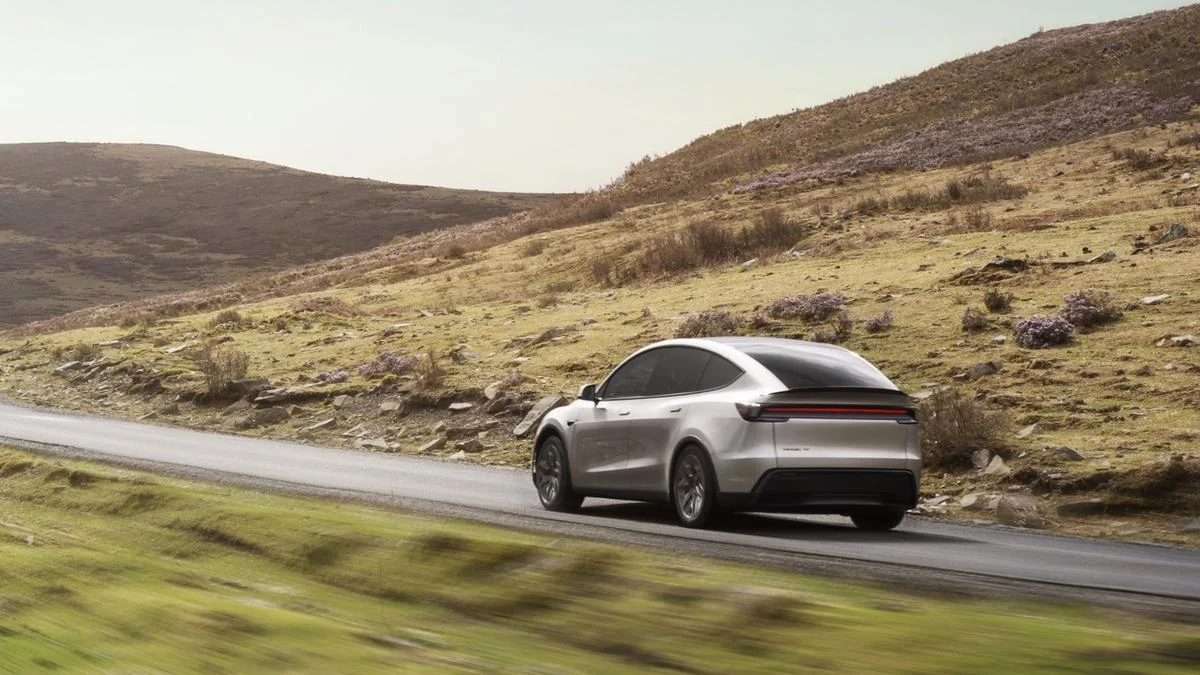
NEW DELHI — The long-anticipated entry of Tesla into the Indian automotive landscape has transitioned from speculative headlines to a concrete, calculated reality. With the official introduction of the Tesla Model Y L, the American electric vehicle (EV) giant has signaled a departure from its global "one-size-fits-all" strategy, opting instead for a localized approach that prioritizes the specific nuances of the Indian premium segment. Priced at ₹61.99 lakh, the Model Y L is not merely a new product; it is a testament to Tesla’s recognition that success in India requires a delicate balance of brand prestige, utilitarian flexibility, and technological localized adaptation.
For years, the narrative surrounding Tesla in India was one of high-stakes negotiations and regulatory hurdles. However, the unveiling of the Model Y L suggests that the company has used that time to study the market’s unique DNA. In a landscape where the "chauffeur-driven" experience often dictates luxury purchases and where family structures demand multi-row versatility, the Model Y L arrives as a bespoke solution to a complex set of consumer expectations.
I. Main Facts: Redefining the Premium Electric SUV
The Tesla Model Y L enters the Indian market as a mid-size luxury SUV that challenges the traditional boundaries of the segment. While the standard Model Y is a global bestseller known for its minimalist five-seat configuration, the "L" variant introduced to the Indian market focuses heavily on "usable luxury."
The Six-Seat Configuration
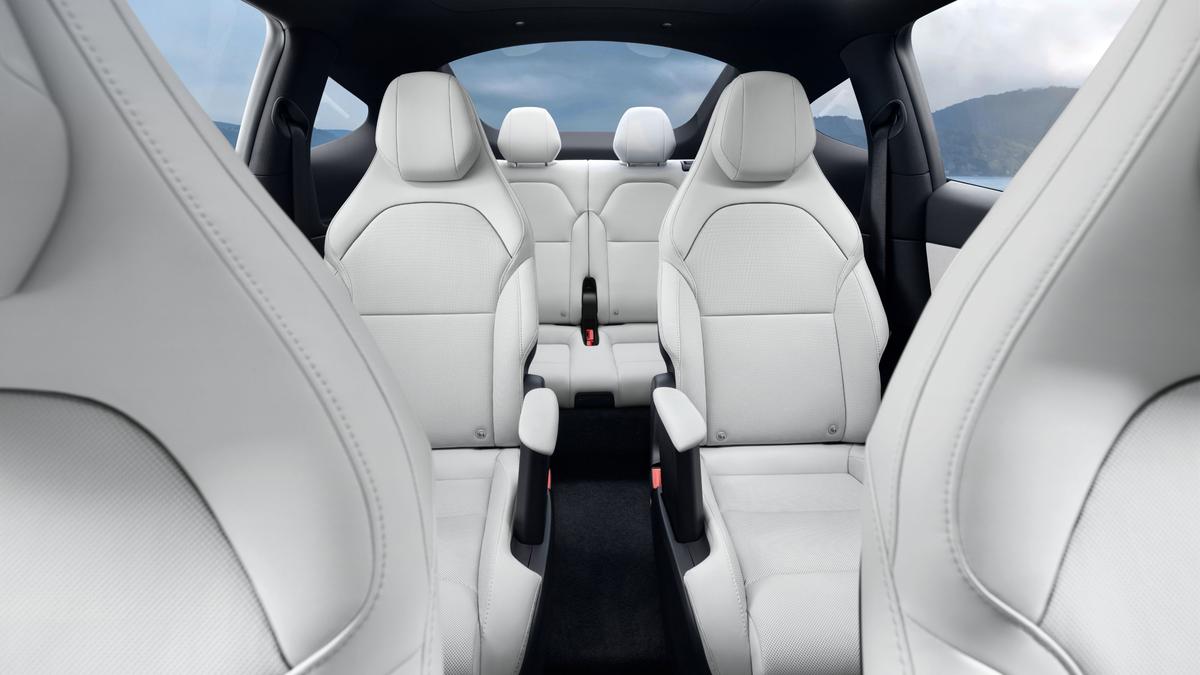
The most significant departure from Tesla’s standard global offering is the implementation of a three-row, six-seat layout. In the Indian luxury context, the second row is often the most important part of the vehicle. By replacing the traditional bench with two individual captain seats, Tesla has aligned itself with the preferences of high-net-worth individuals who prioritize personal space and comfort. These seats are far from basic; they feature integrated ventilation, heating, powered armrests, and a one-touch folding mechanism to facilitate easy access to the third row.
Performance and Range
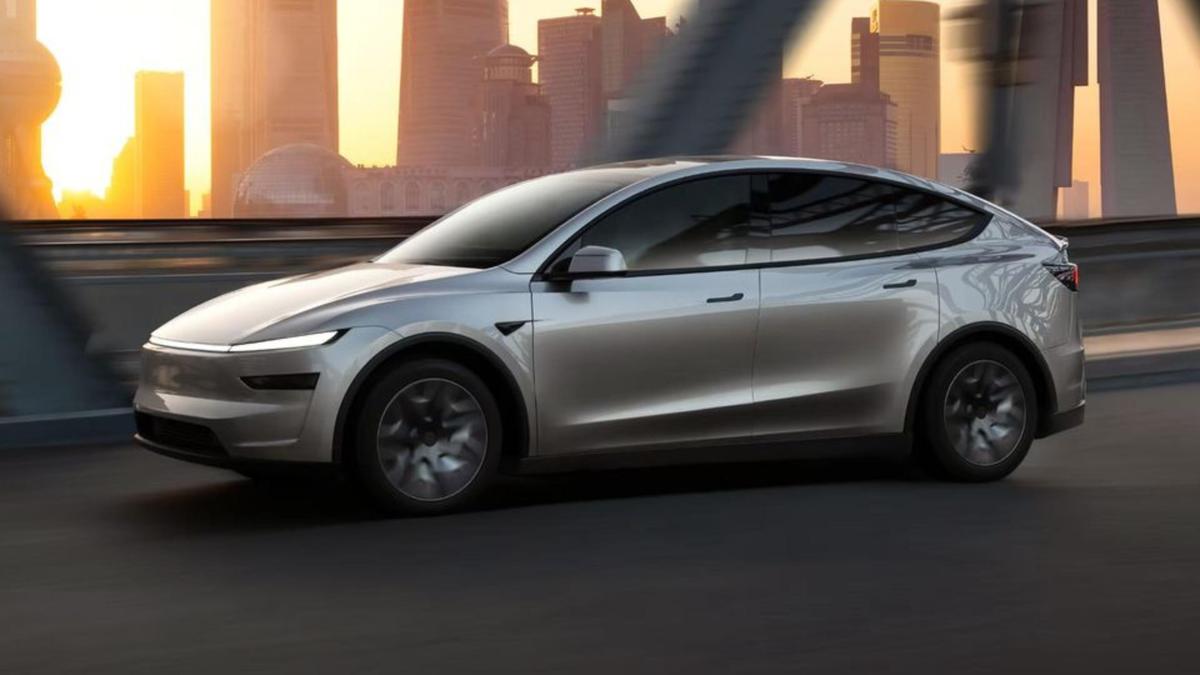
Despite the focus on comfort, the Model Y L does not compromise on the performance metrics that built Tesla’s reputation. The All-Wheel Drive (AWD) variant delivers a 0 to 100 km/h acceleration time of just 5.0 seconds. Perhaps more crucially for the Indian consumer—who often experiences "range anxiety" due to nascent charging infrastructure—the vehicle boasts a claimed range of up to 681 km under the WLTP (Worldwide Harmonised Light Vehicles Test Procedure) cycle. This puts it at the top of its class, making intercity travel between hubs like Delhi and Jaipur or Mumbai and Pune a realistic proposition on a single charge.
Pricing and Value Proposition
At ₹61.99 lakh, Tesla has positioned the Model Y L aggressively. It sits in a "sweet spot" that overlaps with both high-end electric crossovers like the Kia EV6 and Hyundai Ioniq 5, while simultaneously undercutting traditional luxury three-row SUVs from European manufacturers such as Mercedes-Benz, BMW, and Audi.
II. Chronology: The Road to the Indian Launch
The arrival of the Model Y L is the culmination of a nearly decade-long saga of negotiations, policy shifts, and strategic patience.
- 2016–2019: Initial Interest and Regulatory Friction: Elon Musk first expressed interest in India as early as 2016. However, high import duties (often exceeding 100% for luxury vehicles) remained a primary roadblock. Tesla advocated for lower duties, while the Indian government pushed for a "Make in India" commitment.
- 2020–2022: The Testing Phase: Tesla registered a local unit, Tesla India Motors and Energy Pvt Ltd, in Bengaluru in 2021. Test mules of the Model 3 and Model Y were frequently spotted on Indian roads, undergoing rigorous testing to calibrate suspension systems for Indian potholes and thermal management for the country’s extreme heat.
- 2023–2024: Policy Breakthroughs: The Indian government introduced a new EV policy that offered reduced import duties (15%) for manufacturers who committed to investing at least $500 million and setting up local manufacturing facilities within three years. This policy change was the catalyst that finally cleared the path for Tesla’s official entry.
- May 2026: The Official Debut: The launch of the Model Y L marks the first official retail offering from Tesla in India. The choice of the "L" variant suggests that Tesla’s strategy has evolved from selling a global car to selling a car specifically "right-sized" for the Indian elite.
III. Supporting Data: Technical Specifications and Infrastructure
To understand the Model Y L’s potential impact, one must look at the data that supports its premium positioning.

Dimensions and Cargo Utility
The "L" in Model Y L signifies an emphasis on length and interior volume. The vehicle offers a staggering maximum cargo capacity of 2,539 liters when the rear seats are folded. Even with the third row in use, the deep trunk and the "frunk" (front trunk) provide more storage than most of its direct electric competitors.
The Chassis and Ride Quality
Indian road conditions are notoriously unpredictable. To address this, Tesla has equipped the Model Y L with an advanced adaptive suspension system featuring electronic damping.
- Adaptive Damping: The system samples road inputs hundreds of times per second, adjusting the stiffness of the dampers to filter out surface imperfections.
- Acoustic Glass: The cabin is insulated with double-pane acoustic glass, significantly reducing wind and road noise, which is essential for maintaining a premium feel in noisy urban environments.
The Digital Ecosystem
Tesla’s software remains its primary competitive advantage. The Model Y L comes integrated with:
- Connectivity: Live traffic visualization and satellite-view maps.
- Entertainment: Native integration of Spotify, YouTube, and Netflix, accessible via the central 15-inch touchscreen.
- Over-the-Air (OTA) Updates: The vehicle’s performance, safety features, and infotainment are designed to improve over time via wireless software downloads.
Charging Infrastructure Status
A critical data point for any EV launch in India is the supporting network. As of the launch date, Tesla’s footprint remains boutique:

- Superchargers: 5 stations currently operational.
- Hardware: 20 Superchargers and 14 Wall Connectors.
- Expansion Plan: Tesla has committed to a "Supercharger Corridor" strategy, focusing initially on the Golden Quadrilateral and key highways connecting Tier-1 cities.
IV. Official Responses and Market Sentiment
While Tesla has maintained its trademark direct-to-consumer approach without traditional PR agencies, industry analysts and government officials have been vocal about the implications of this launch.
Government Perspective:
Sources within the Ministry of Heavy Industries suggest that Tesla’s entry is viewed as a "validation of India’s EV policy." By pricing the vehicle at ₹61.99 lakh and opting for a model that requires high-tech components, Tesla is expected to catalyze the local supply chain for high-density battery packs and advanced power electronics.
Industry Analysts:
Automotive analysts at Motorscribes note that the Model Y L’s six-seat configuration is a "masterstroke of market research." They argue that the Indian luxury buyer is moving away from the "sporty sedan" and toward the "versatile lounge." The inclusion of vented climate control for the third row and power-recline functions demonstrates a level of detail that was previously missing from Tesla’s more spartan global interiors.
Consumer Sentiment:
Initial feedback from pre-order interest groups indicates that while the brand "cachet" of Tesla is the primary draw, the 681 km range is the "rational clincher." For many Indian buyers, the ability to travel from Delhi to Chandigarh and back without needing a public charger is the threshold for switching from internal combustion engines to electric power.
V. Implications: A Catalyst for the Indian EV Ecosystem
The introduction of the Tesla Model Y L carries weight far beyond the sales figures of a single model. It represents a paradigm shift in several key areas:
1. The "Tesla Effect" on Infrastructure
Historically, wherever Tesla enters a market, the "Tesla Effect" follows. This involves a rapid acceleration in the installation of third-party charging stations. As Tesla owners begin to travel intercity, private charging companies like Tata Power, Zeon, and Adani Total Energies are likely to accelerate their deployment of high-speed CCS2 chargers to capture the "Tesla spillover" market.
2. Pressure on European Luxury Brands
For years, the ₹60 lakh to ₹90 lakh price bracket was the playground of the BMW X3, Mercedes-Benz GLC, and Audi Q5. The Model Y L offers more technology, better performance, and lower running costs at a competitive price. This will likely force European OEMs to reconsider their pricing strategies for their own EV lineups (such as the EQB or iX1), which currently offer less range for a similar or higher price.
3. A New Benchmark for "Localized" Luxury
The Model Y L proves that even a global giant like Tesla must adapt to local tastes. By prioritizing the six-seat layout and ride comfort over raw track performance, Tesla has set a new benchmark for how international brands should approach the Indian market. It signals that India is no longer a "dumping ground" for older global models, but a sophisticated market deserving of specific configurations.

4. The Path to Local Manufacturing
The Model Y L is likely the "bridge" model. Success with this imported variant will provide Tesla with the data and capital necessary to break ground on its proposed Indian Gigafactory. If Tesla can maintain its momentum, the next logical step would be a locally manufactured "Model 2" or a more affordable "Model 3," which could disrupt the mass-market EV segment currently dominated by Tata Motors.
Conclusion
The Tesla Model Y L is a calculated opening gambit. It does not seek to be the cheapest car in the market, nor the most ostentatious. Instead, it seeks to be the most relevant luxury EV in India. By addressing the specific needs of the Indian family—space, comfort, and long-distance reliability—Tesla has moved past the hype and into the realm of pragmatic luxury.
As the first units begin to hit Indian roads, the industry will be watching closely. If the Model Y L can deliver on its promise of a 681 km range and a "lounge-on-wheels" experience, it may very well become the catalyst that finally tips the Indian luxury market toward an all-electric future. At ₹61.99 lakh, the question for many buyers is no longer "Why an EV?" but rather, "Why anything else?"
