

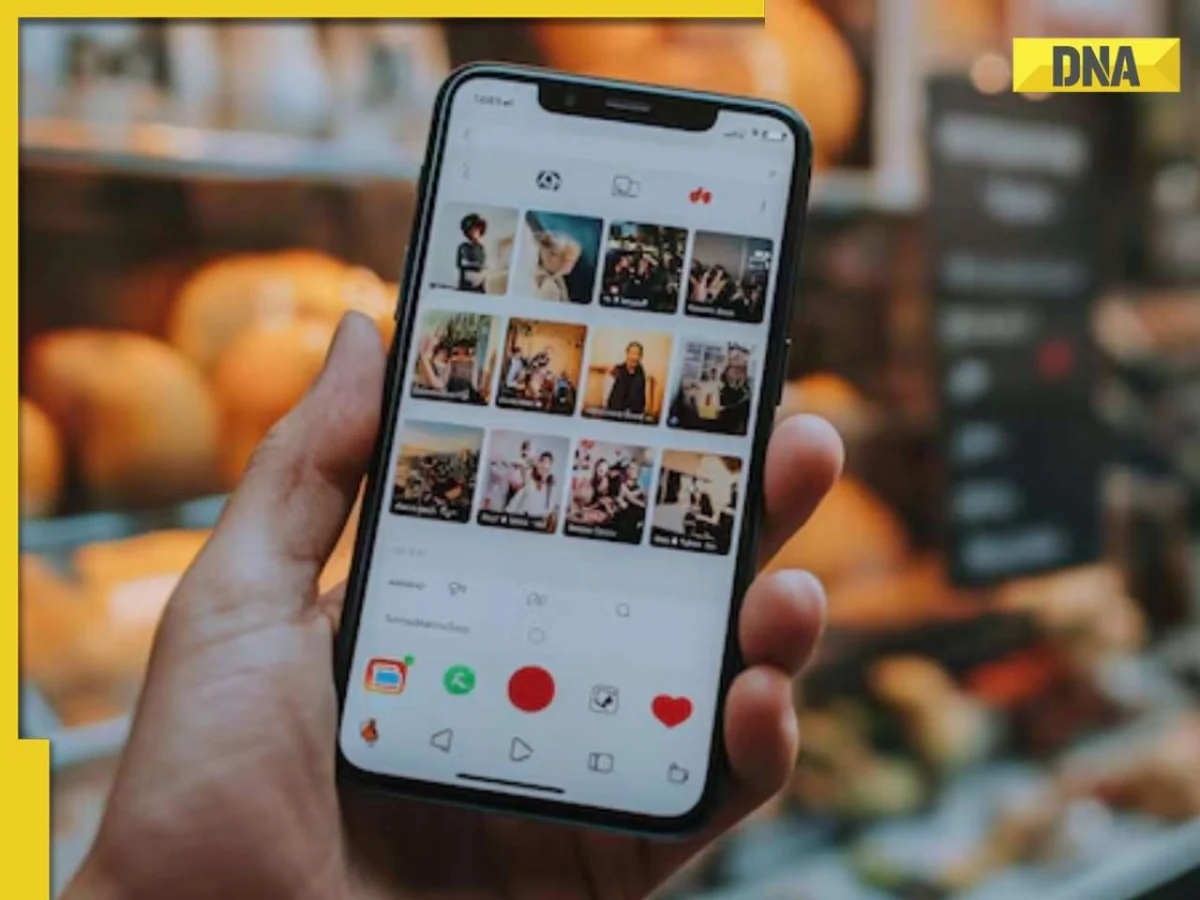
In an era saturated with choices and driven by digital connectivity, the power of aesthetics has transcended mere visual delight to become a fundamental pillar of modern marketing. Consumers are increasingly aligning with brands not solely on the basis of price or functional quality, but through a complex interplay of identity, emotional resonance, and the pursuit of social validation. This shift signifies a profound evolution in how brands connect with their audiences, transforming marketing from a transactional exchange to an immersive, experience-driven encounter.
Oscar Wilde, the celebrated proponent of aestheticism, famously declared, "The art that is frankly decorative is the art to live with." This sentiment, penned in an era distinct from our hyper-connected digital present, resonates with an uncanny prescience. For millennia, humanity has been captivated by beauty, an elusive yet persistent horizon that beckons us forward. This innate human drive for fulfillment has propelled societies from rudimentary consumption patterns to increasingly nuanced and identity-centric preferences. Consequently, the field of marketing has undergone seismic transformations, not only in the substance of what is offered but, more crucially, in the artistry of its presentation.
)
The Digital Tsunami and the Re-emergence of Beauty
The advent of the digital revolution has irrevocably altered the landscape of consumerism. The transition from traditional brick-and-mortar establishments to the omnipresent click-and-mortar retail ecosystem has fundamentally reshaped consumer behavior. Technologies such as artificial intelligence, social commerce, ubiquitous mobile shopping, and the burgeoning metaverse now orchestrate the modern retail symphony.

Yet, amidst the intricate algorithms, data metrics, and hyper-personalized recommendations that define contemporary commerce, a timeless element has quietly but decisively reasserted its primacy: beauty. Aestheticism in marketing is no longer a fleeting trend; it has ascended to a central tenet, profoundly influencing how consumers perceive, engage with, and ultimately choose their preferred brands. This is not merely a superficial embellishment but a strategic imperative that taps into deeper psychological drivers.
)
Beyond Utility: The Rise of Identity and Emotional Connection
The traditional paradigm where price and quality were the sole arbiters of purchasing decisions is rapidly becoming a relic of the past. Today’s consumers are motivated by a far more intricate set of factors. They seek to align themselves with brands that reflect their personal identities, offer emotional gratification, and provide a sense of social validation within their chosen communities. In an environment awash with an almost infinite array of options, products are no longer mere commodities; they are extensions of personal narratives, aspirations, and desired lifestyles.
)
Generation Z, in particular, exhibits a pronounced susceptibility to the influence of social media. Platforms like Instagram and TikTok have become potent architects of consumer psychology, elevating products into coveted social symbols. The choice of a café is often dictated by its ambiance, the selection of skincare products by their shelf appeal and aesthetic harmony, and technology gadgets by their visual congruence with a desired lifestyle. This phenomenon underscores a significant shift from a utilitarian mindset to one that prioritizes the experiential and the aspirational.
)
The Genesis and Evolution of Aesthetic Marketing
The philosophical underpinnings of aestheticism can be traced back to the 19th century, epitomized by Oscar Wilde’s conviction that beauty possesses intrinsic value independent of its functional utility. This profound concept has now permeated every facet of branding, from the meticulous design of packaging to the immersive creation of retail spaces and the seamless execution of digital experiences. Visual appeal has metamorphosed from a mere packaging consideration to often serving as the initial and most compelling proposition a brand can offer. Businesses are increasingly investing in designing products and crafting experiences that are intentionally "aesthetic," recognizing that visual presentation profoundly shapes consumer perception and, consequently, desirability.
)
This strategic integration of aesthetics is not a novel invention but rather a sophisticated evolution of age-old marketing principles. Historically, luxury goods, for instance, have always leveraged exclusivity and refined craftsmanship – elements deeply intertwined with aesthetic appeal – to command premium prices. However, the digital age has democratized this approach, enabling brands across all sectors to harness the power of visual storytelling and curated experiences to connect with a broader audience. The "Instagrammable" moment, a concept born from social media culture, exemplifies how visual appeal can directly translate into organic brand promotion.
)
Global Vanguard: Brands Championing the Aesthetic Revolution
Numerous global and Indian brands have adeptly embraced and capitalized on aesthetics-driven marketing, solidifying its efficacy. Apple, a titan of the tech industry, masterfully transformed minimalism into a potent and instantly recognizable brand identity, associating its products with sophistication and seamless user experience. Glossier, a digitally native beauty brand, cultivated a distinct pastel-toned ecosystem that resonated deeply with its target demographic, fostering a sense of community and shared aesthetic. Airbnb, the accommodation giant, actively encourages and showcases visually appealing, "Instagrammable" spaces, transforming its platform into a curated gallery of desirable travel experiences.
)
Within the Indian market, brands like Forest Essentials exemplify a successful fusion of traditional Indian aesthetics with aspirational luxury, offering products that are not only efficacious but also culturally resonant and beautifully presented. Qua and Re-Ceremonial have also carved niches by expertly blending heritage craftsmanship with contemporary design sensibilities. Direct-to-consumer (D2C) brands such as boAt and The Souled Store leverage visually dynamic branding and engaging content to forge strong connections with younger, digitally-savvy consumers. Similarly, the hospitality and lifestyle sectors, including cafés, boutique hotels, and restaurants, are heavily reliant on creating captivating ambiances and "photo-worthy" settings. This strategy transforms patrons into enthusiastic brand ambassadors, inadvertently amplifying reach through their social media sharing.
)
The fashion industry, a natural incubator of aesthetic trends, provides another compelling illustration of this shift. Designers like Sabyasachi have elevated their brands by masterfully intertwining heritage craftsmanship with cinematic storytelling, effectively transforming aesthetic appeal into significant cultural capital. Weddings, once primarily personal celebrations, are now increasingly curated with an eye toward digital visibility, where décor, visual coherence, and overall aesthetic contribute significantly to social standing and perceived prestige. In today’s hyper-competitive attention economy, visibility itself has become a valuable currency, and products are expected to seamlessly integrate into curated lifestyles, communicating aspiration, social class, and a sense of belonging.
)
The Ethical Conundrum: Beauty Versus Substance?
While the ascendancy of aesthetic marketing presents undeniable opportunities for brands and consumers alike, it also surfaces critical ethical considerations. The paramount question arises: has beauty begun to overshadow substance? Is the pervasive emphasis on visual appeal subtly manipulating consumers into prioritizing superficial appearance over intrinsic quality and genuine value? Many industries are increasingly blurring the lines between authentic worth and manufactured desirability.
)
Furthermore, there is a growing concern that narrow, often idealized, definitions of beauty can inadvertently marginalize individuals from diverse backgrounds, including those across different classes, ethnicities, body types, and economic strata. Brands therefore face the formidable challenge of cultivating aesthetic sensibilities that are not only visually compelling but also inclusive and representative. The goal must be to ensure that beauty in marketing is not reduced to an exclusive, unattainable ideal but rather becomes a universal language that resonates with a broader spectrum of humanity. This necessitates a conscious effort to diversify representation in marketing campaigns, celebrate a wider range of aesthetics, and ensure that accessibility and inclusivity are woven into the fabric of brand identity.
)
The Enduring Power of Beauty: A Strategic Imperative
The pervasive rise of aestheticism in marketing is not merely a superficial trend but a profound reflection of a broader human yearning for experiences that are meaningful, emotionally enriching, and aesthetically pleasing. Beauty in commerce has transitioned from a discretionary luxury to a fundamental expectation that shapes every facet of consumer-brand interaction.
)
In our hyper-digital world, characterized by an overwhelming abundance of choices, aesthetics serve as a powerful cognitive shortcut. They simplify decision-making by fostering emotional resonance and creating memorable connections. Beauty has the capacity to elevate ordinary consumption into an extraordinary experience, transforming transactional encounters into opportunities for engagement and delight. Today, beauty in marketing is far more than mere decoration; it is a deeply cultural, strategically deployed, performative, and profoundly economic force that continues to redefine the very essence of consumer engagement. Brands that fail to acknowledge and integrate this aesthetic imperative risk becoming invisible in an increasingly visually driven marketplace.
