

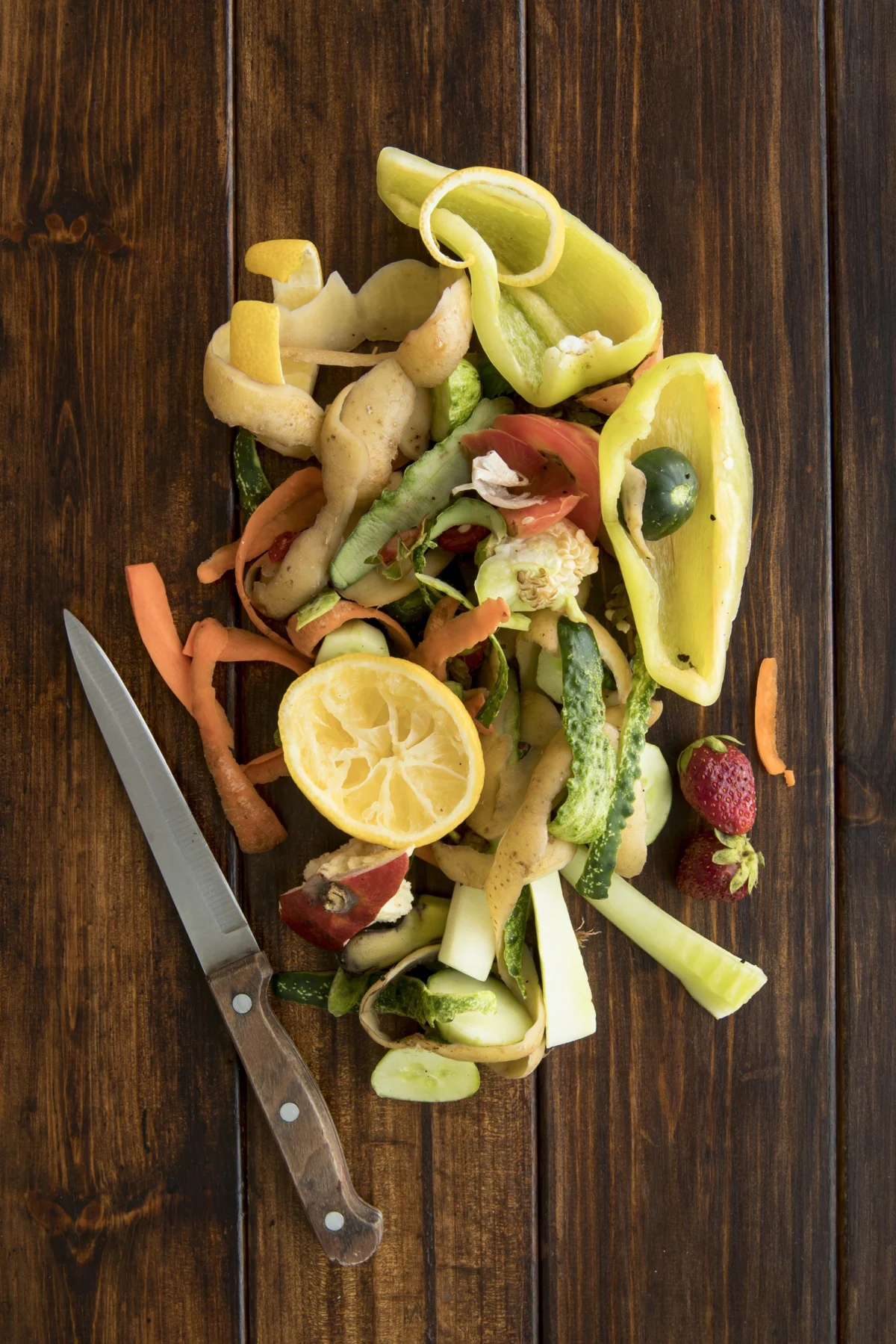
Main Facts: The Resilience of the Indian Kitchen
Long before "zero-waste" became a buzzword in the high-octane kitchens of New York, London, or Melbourne, it was a lived reality across the Indian subcontinent. The modern culinary world, currently obsessed with "root-to-stalk" cooking and sustainability, is essentially rediscovering a philosophy that has been the bedrock of Indian domesticity for centuries. This approach—born from a complex intersection of necessity, spirituality, and survival—transforms what many would consider "trash" into gourmet delicacies.
In regions ranging from the arid deserts of Rajasthan to the fertile but famine-scarred plains of Bengal, the Indian kitchen has historically functioned as a laboratory of innovation. Here, ingredients like vegetable peels, fruit rinds, and even the water used to wash lentils are not discarded but repurposed. The core of this practice lies in a profound respect for resources, a trait cultivated through generations of enduring economic hardship, colonial-era famines, and the seismic shifts of the 1947 Partition.
The dishes emerging from this tradition—such as Malai Pyaaz Ki Sabzi (creamy onion curry), Lauer Khoshar Borta (bottle gourd peel mash), and Kalingar Nu Shaak (watermelon rind curry)—represent more than just thrift. They are sophisticated culinary achievements that utilize complex spice profiles and specific textures to elevate humble scraps into the centerpieces of a meal.
Chronology: From Famine and Partition to Modern Gastronomy
The evolution of India’s no-waste cooking can be traced through a timeline of socio-political and environmental challenges.
1. Pre-Colonial Resourcefulness (Ancient to 18th Century):
Traditional Indian philosophies, including Ayurveda, have long emphasized the nutritional value of every part of a plant. In agrarian societies, nothing was wasted because the labor required to produce food was immense. Peels and stems were recognized for their fiber and mineral content, often integrated into regional diets to ensure holistic nutrition.
2. The Era of Scarcity and Colonial Famines (19th Century to 1943):
The British colonial era saw a series of devastating famines, culminating in the Great Bengal Famine of 1943. With millions facing starvation, the "clever cook" became a survivalist. It was during these periods that recipes involving peels, stalks, and wild greens became standardized. In Bengal, the Bhorta (mash) became a symbol of resilience—a way to stretch a meager amount of food into a flavorful meal using mustard oil, chillies, and whatever scraps were available.
3. The 1947 Partition and Mass Migration:
The displacement of millions during the Partition led to a cross-pollination of survivalist recipes. Refugees from East Bengal (now Bangladesh) and West Punjab brought their frugal cooking techniques to cities like Delhi and Kolkata. The necessity of cooking with limited ingredients in refugee camps and new urban settlements reinforced the practice of using every part of the vegetable.
4. The Green Revolution and Post-Independence (1960s–1990s):
As India moved toward food security, these "famine foods" transitioned into "comfort foods." What was once cooked out of desperation began to be cherished for its unique flavor profile. The Alur Khosha Bhaja (fried potato peels) remained a staple in Bengali households not because potatoes were scarce, but because the texture was irreplaceable.
5. The Global Sustainable Shift (2010s–Present):
Today, as the global North grapples with the environmental impact of food waste, Indian traditional practices are being re-examined through a modern lens. The same techniques used by a grandmother in a Rajasthani village are now appearing on the menus of Michelin-starred restaurants as "innovative sustainability."
Supporting Data: The Regional Map of Repurposed Ingredients
The diversity of India’s no-waste repertoire is vast, with each region offering a unique take on scrap-based cooking.
The Desert Ingenuity of Rajasthan
In Rajasthan, where water is scarce and the heat is unforgiving, fresh vegetables were historically a luxury. This led to the creation of dishes like Malai Pyaaz Ki Sabzi. When leafy greens or gourds were unavailable, pearl onions—which have a long shelf life—were treated as the primary vegetable. Simmered in a rich gravy of cream (malai) and spices, the onion is transformed from a condiment into a hero ingredient. Similarly, Ker Sangri, made from dried berries and beans, showcases the ability to create delicacies from hardy, preserved desert flora.
The Textural Artistry of Bengal
Bengali cuisine is perhaps the most prolific in its use of "scraps." The Lauer Khoshar Borta is a prime example. The tough outer skin of the bottle gourd is sautéed with garlic, green chillies, and onions, then ground into a pungent mash finished with raw mustard oil.
- Alur Khosha Bhaja: Potato peels are sliced into thin matchsticks, seasoned with turmeric and salt, and deep-fried until they reach a crispness that rivals commercial chips.
- Matar Ke Chilke: In Marwari and North Indian homes, the inner lining of pea pods is meticulously removed to leave a tender skin that is sautéed with cumin and turmeric, providing a nutrient-dense side dish.
The Surprising Utility of the Watermelon Rind
In Western India, particularly Gujarat, the Kalingar Nu Shaak (or Tarbuj Na Shaak) utilizes the white rind of the watermelon. Once the red flesh is consumed, the green skin is peeled away, and the white rind is diced and cooked with mustard seeds, asafoetida, and jaggery. The result is a translucent, succulent curry that mimics the texture of cooked squash or pumpkin.
Official Responses: Sustainability and Nutritional Perspectives
While these practices began in domestic kitchens, they are now receiving attention from institutional and environmental bodies.
Environmental Impact:
According to the United Nations Environment Programme (UNEP) Food Waste Index, approximately 8-10% of global greenhouse gas emissions are associated with food that is not consumed. Environmentalists point to India’s traditional "peel-to-plate" model as a scalable solution for household waste reduction. By consuming peels and rinds, a household can reduce its organic waste output by up to 15-20%.
Nutritional Advocacy:
Dietitians and nutritionists have long argued that vegetable peels are often more nutrient-dense than the flesh. Potato peels contain significantly more fiber, iron, and vitamin C than the potato itself. Similarly, bottle gourd peels are rich in antioxidants. Official health guidelines in India are increasingly encouraging the consumption of unpeeled vegetables (where safe and clean) to combat micronutrient deficiencies.
Culinary Recognition:
The culinary establishment has also weighed in. Modern Indian chefs, such as Vineet Bhatia and Manish Mehrotra, have integrated these "humble" ingredients into fine-dining menus. "We are seeing a reversal of the hierarchy," says a prominent food critic. "The peel, once a sign of poverty, is now a sign of a conscious, sophisticated palate."
Implications: From Survival to Global Leadership
The transition of no-waste cooking from a survival tactic to a global trend carries significant cultural and economic implications.
1. Cultural Reclaiming:
There is a growing movement within India to reclaim these recipes from the "poverty food" narrative. By documenting and celebrating these dishes, younger generations are connecting with their heritage through the lens of modern environmentalism. It transforms the image of the Indian kitchen from one of "making do" to one of "mastering resources."
2. The "Gourmet-fication" of Scraps:
As Western culinary shows like MasterChef and Chef’s Table highlight "innovation," they often overlook the fact that these "innovations" have been standard practice in the Global South for centuries. This raises questions about culinary appropriation versus appreciation. The implication is a need for the global food industry to credit the indigenous and historical origins of "new" sustainability trends.
3. Economic Efficiency:
At a time of rising global food inflation, the ability to utilize 100% of a purchased ingredient provides immediate economic relief to households. The Indian model proves that flavor does not have to be sacrificed for frugality.
4. A Blueprint for the Future:
As the world faces the twin challenges of climate change and food insecurity, the Indian no-waste kitchen serves as a blueprint. It demonstrates that the solution to modern problems often lies in ancient wisdom. The philosophy is simple: there is no such thing as "waste"—only ingredients we haven’t yet learned how to use.
Conclusion
The next time a Michelin-starred chef presents a dish featuring "dehydrated vegetable dust" or "confit rinds," it is worth remembering the kitchens of Bengal and Rajasthan. These regions mastered the art of the "No-Waste Kitchen" not because it was trendy, but because it was necessary. In doing so, they created a culinary legacy that is as delicious as it is responsible. As we move toward a more sustainable future, the world has much to learn from the Indian home cook, who has always known that the secret to a great meal often lies in what others throw away.
Next week, the column will explore a different kind of culinary legacy: the 102-year history of Wenger’s in Delhi, a bakery that has survived the transition from the British Raj to modern India, and why it remains a site of pilgrimage for food lovers.
