

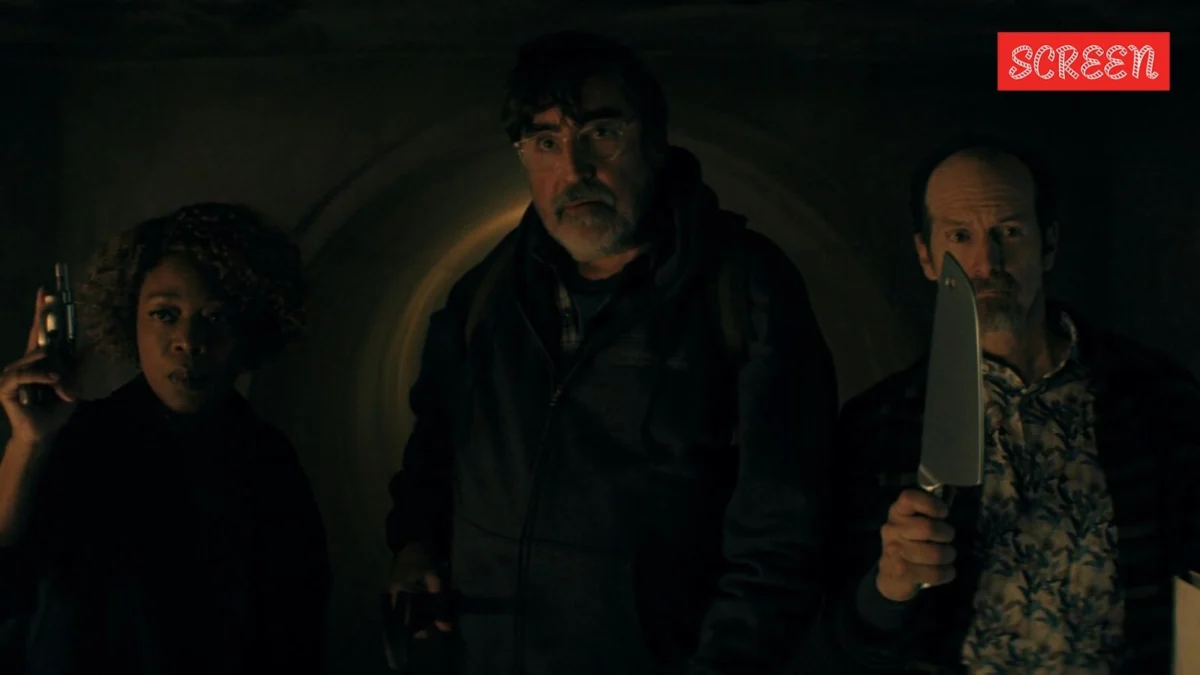
Netflix’s latest offering, "The Boroughs," boldly ventures into uncharted territory, blending the chilling dread of supernatural horror with the often-overlooked richness of late-life experience. Executive produced by the visionary Duffer Brothers, known for their masterful creation of "Stranger Things," this series dares to ask: what happens when a group of seasoned seniors, armed with decades of lived experience and a healthy dose of unfiltered honesty, are tasked with protecting their community from creatures that slither from the shadows and prey on the sleeping? The answer, it turns out, is a delightful, poignant, and surprisingly insightful exploration of mortality, connection, and the enduring human spirit.
The Premise: A Familiar Echo in an Unfamiliar Chorus
The adage "old age is a second childhood" rings true in many respects. The hallmarks are often apparent: an increased reliance on others, a yearning for connection and attention, a disarming candor, and an emotional transparency that age, with its accumulated wisdom, rarely bothers to mask. This inherent vulnerability, however, is precisely what "The Boroughs" masterfully exploits. The series draws undeniable parallels to "Stranger Things," particularly in its core premise of a seemingly idyllic community harboring a dark secret and a group of unlikely heroes banding together to confront it. Yet, where "Stranger Things" leaned into the nostalgia and burgeoning superpowers of adolescence, "The Boroughs" pivots to the profound, often melancholic, yet resilient spirit of those who have navigated the complexities of life for many years.
The narrative centers on Sam Cooper (Alfred Molina), a recently widowed retired engineer grappling with the profound loss of his wife. He reluctantly relocates to an idyllic retirement community in New Mexico, a place that mirrors his late wife’s dreams of a peaceful, ordered existence. This seemingly perfect haven, however, soon reveals its sinister underbelly. We are introduced to a vibrant ensemble of characters, each carrying the weight of their pasts and the quiet dignity of their years: Judy Daniels (Alfre Woodard), a retired journalist whose insatiable curiosity remains undimmed; her supportive husband, Art Daniels (Clarke Peters); Wally Baker (Denis O’Hare), a doctor facing his own mortality; and Renee (Geena Davis), a former music manager navigating an unexpected, age-defying romance with a much younger security guard, Paz (Alex Lawther).
The series wastes no time in plunging its audience into the heart of the horror. In its opening moments, Grace (Dee Wallace) and Edward (Ed Begley Jr.) become the chilling harbingers of the encroaching threat. A creature, emerging from the darkness, abducts Grace, immediately establishing the terrifying stakes. While these characters serve as potent catalysts for the unfolding dread, the true narrative thrust belongs to the core group of elderly protagonists. Sam’s arrival, facilitated by his daughter Claire (Jena Malone), introduces us to "The Boroughs" itself – a community designed for ultimate comfort and aspirational retirement, complete with golf courses, pools, and an abundance of activities. Yet, beneath this veneer of paradise, a disturbing truth lies hidden. The meticulously curated ecosystem, overseen by the unnervingly polished young couple Blaine Shaw (Seth Numrich) and Anneliese Shaw (Alice Kremelberg), masks a sinister reality. The quiet peace is shattered when Sam witnesses the brutal murder of his neighbor, Jack Willard (Bill Pullman), by a monstrous entity. This event ignites the spark, compelling the assembled elderly residents to transform into an unlikely "Scooby-Doo" gang, determined to uncover the horrifying truth lurking beneath their seemingly tranquil existence.
The Duffer Brothers’ Influence: A Familiar Blueprint, A New Vision
The spectral presence of Steven Spielberg looms large over the landscape of modern monster movies, and his influence on the Duffer Brothers is undeniable. As they themselves admitted in a 2016 interview with The Hollywood Reporter, Spielberg is a "huge influence." This reverence is palpable in "The Boroughs," which echoes the blend of awe and terror that Spielberg so expertly crafts. The series, much like "Stranger Things," employs a narrative template that is both familiar and effective: a mysterious disappearance, the assembly of a disparate group united by shared disbelief and grief, and their subsequent quest for answers against a supernatural force operating in plain sight. However, the crucial divergence lies not in the premise, but in the execution and the distinct thematic weight brought forth by its unique cast.
While "Stranger Things" tapped into the exhilarating novelty of a bygone era, capturing a unique blend of childhood wonder and adolescent angst, "The Boroughs" arrives a decade later, in an era saturated with similar genre tropes. This inevitability leads to a sense of familiarity, a feeling that the narrative has tread similar ground before. Nevertheless, the series navigates this challenge with remarkable agility. Across its eight episodes, "The Boroughs" maintains a brisk pace, adeptly sidestepping excessive melodrama – a feat in itself, considering its elderly protagonists are battling otherworldly horrors. It offers satisfying resolutions to most mysteries before they can become wearisome, demonstrating an understanding of contemporary viewing habits, particularly the prevalence of the "second-screen era" where attention spans are notoriously fleeting.
The show understands that suspense, when built, must be promptly paid off. Despite its inherent predictability, "The Boroughs" delivers consistent entertainment. The true magic lies in witnessing these individuals, at what is often perceived as the twilight of their lives, rediscover their curiosity, lean on one another, and embrace the absurdity of their situation. There’s a genuine emotional resonance in watching them become the unlikely heroes of their own stories, much like children insisting on the reality of imaginary friends or the monsters lurking under their beds. The joy emanates from observing individuals, who might be expected to fade into quiet retirement, suddenly thrust back into a world of adventure, as if by accident.
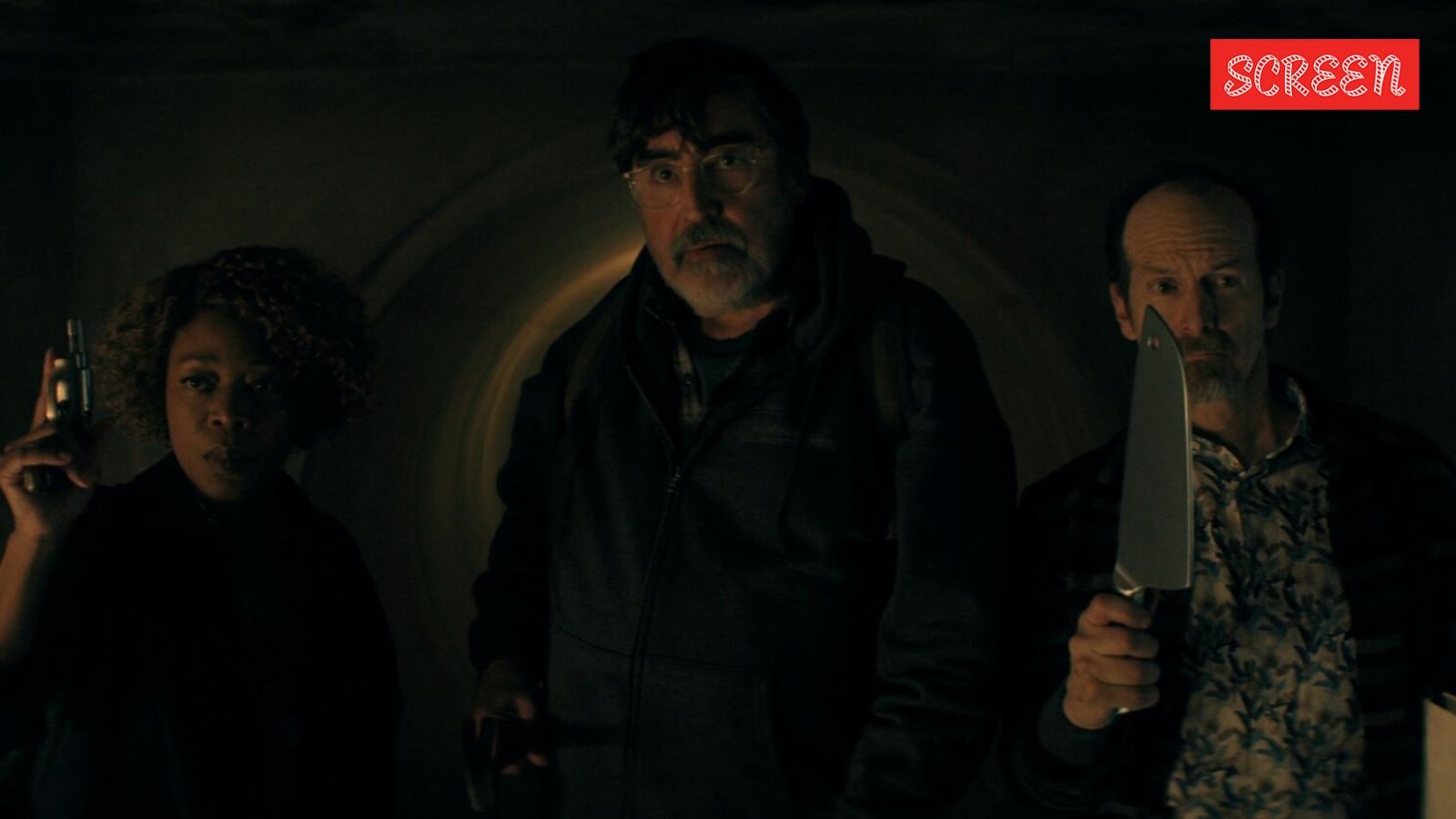
The Real Monsters: Beyond the Creatures Lurking in the Dark
"The Boroughs" excels not in its novelty of monsters, but in its profound exploration of age. The series uses the supernatural threat as a crucible to examine the emotional architecture of later life. Unlike the youthful anxieties that drive "Stranger Things," "The Boroughs" provides fertile ground for discussions on grief, regret, mortality, companionship, and the intricate negotiations that long-term love requires. It poses poignant questions: What does it truly mean to lose a partner after a lifetime built together? How does one allow for personal evolution within a marriage while ensuring its survival? What are the unexpected emotions that arise when desire for companionship re-emerges, particularly with a significantly younger individual?
These are not the typical inquiries one expects from a creature-feature mystery. The ensemble cast embodies the residue of entire lifetimes – carrying bitterness, regrets, old wounds, and unresolved emotions. Yet, beneath this complex tapestry of experience, their desires are strikingly simple: love, understanding, and the fundamental need to be seen and valued. This is where "The Boroughs" achieves its most profound impact. The true terror, the series subtly argues, is not in the creatures that emerge from the darkness. Instead, it lies in the quiet, often patronizing reality of how society frequently warehouses and dismisses its elderly population.
The series repeatedly gestures towards a deeply uncomfortable truth: the way society often views the elderly as individuals passively awaiting the end of their lives, rather than as dynamic beings still capable of desire, rebellion, curiosity, foolishness, romance, and reinvention. The retirement community, despite its aesthetically pleasing façade, often feels like a carefully controlled, sanitized, and almost infantilizing environment. The residents are protected, yes, but they are also managed, their autonomy subtly curtailed. This observation forms the show’s sharpest critique. While monsters may lurk beneath the earth, "The Boroughs" quietly posits that a more insidious horror is the slow erosion of one’s identity through invisibility, even while still alive. The creatures may feast on brain fluid under the cloak of night, but societal patronization can, in broad daylight, chip away at one’s very essence.
Supporting Data: The Power of Experience in the Face of the Unknown
The cast of "The Boroughs" is a veritable masterclass in seasoned acting talent, and their collective experience imbues the series with an authenticity that is both compelling and deeply affecting. Alfred Molina, as the grieving Sam Cooper, delivers a nuanced performance, perfectly capturing the quiet despair of loss alongside a burgeoning sense of purpose. Alfre Woodard, as the investigative journalist Judy Daniels, radiates an infectious curiosity and a steely resolve, proving that the desire for truth knows no age limit. Denis O’Hare, portraying the terminally ill doctor Wally Baker, brings a profound sense of gravitas and quiet contemplation to his role, adding a layer of existential weight to the unfolding events. Clarke Peters, as Art Daniels, provides a grounding presence, his quiet warmth a vital counterpoint to the escalating chaos. Geena Davis, in her portrayal of Renee, injects a surprising and heartwarming element of late-life romance, challenging conventional notions of desire and connection.
The series’ strength lies in its ability to leverage the inherent gravitas and lived experience of its actors. These are not characters simply reacting to a monstrous threat; they are individuals grappling with the culmination of their lives, bringing a unique perspective to the unfolding horror. The wisdom gleaned from decades of navigating relationships, careers, and personal challenges allows them to approach the supernatural with a blend of skepticism and resilience that younger protagonists might lack. They possess an understanding of human nature, its frailties and its strengths, that proves invaluable in deciphering the mysteries that plague "The Boroughs."
Furthermore, the series’ pacing, while brisk, allows for moments of quiet reflection and character development. This is crucial in a genre often driven by relentless action. The slow burn of their realization, their hesitant steps towards banding together, and the gradual reawakening of their adventurous spirits are all rendered with a believable authenticity, thanks to the actors’ profound ability to convey subtle emotional shifts. The supporting cast, including Jena Malone as Sam’s concerned daughter, Seth Numrich and Alice Kremelberg as the unnervingly slick community managers, and Bill Pullman in a pivotal early role, all contribute to a rich and textured world that feels lived-in and believable, even as it descends into the supernatural.
Official Responses and Critical Reception
While no explicit "official responses" from the creators or network have been detailed in the provided text regarding the series’ reception, the article itself serves as a comprehensive critical review. The author assigns "The Boroughs" a rating of 2.5 out of 5, indicating a generally positive but not overwhelmingly enthusiastic reception. The review highlights the show’s strengths, particularly its unique premise, the compelling performances of its senior cast, and its insightful thematic explorations. However, it also points to a significant weakness: a reluctance to take risks and an over-reliance on familiar genre tropes, which can lead to a lack of novelty.

The author’s commentary suggests that while the Duffer Brothers’ executive production ensures a certain quality and adherence to genre conventions, the series, by arriving a decade after "Stranger Things," inevitably suffers from the "familiarity" that comes with established trends. The praise for the show’s ability to avoid excessive melodrama and its brisk pacing indicates a successful execution of its narrative goals, even if the overall story doesn’t break new ground. The reviewer’s assertion that the true novelty lies not in the monsters but in the portrayal of age underscores the series’ most impactful contribution.
The comparison to Vince Gilligan’s "Pluribus," mentioned as another series with an idyllic neighborhood setting, further contextualizes "The Boroughs" within the broader landscape of contemporary television. While "Pluribus" is noted for arguably managing to make its familiar world feel novel, "The Boroughs" is seen as more comfortable within its borrowed templates. This nuanced critique suggests that "The Boroughs" is a well-crafted and enjoyable series that excels in its specific focus on the experiences of older adults facing extraordinary circumstances, but perhaps falls short of groundbreaking originality within the broader horror-mystery genre.
Implications: Redefining the Narrative of Aging and Fear
"The Boroughs" offers a compelling opportunity to re-evaluate our societal perceptions of aging and the elderly. By placing seasoned individuals at the forefront of a supernatural conflict, the series challenges the often-perpetuating narrative of frailty and decline associated with later life. It asserts that age does not diminish curiosity, courage, the capacity for love, or the desire for adventure. Instead, it can imbue individuals with a unique perspective, a deep well of wisdom, and a profound appreciation for the present moment.
The implications of this narrative approach are far-reaching. For viewers, it can foster empathy and a greater understanding of the complexities and richness of older lives. It can inspire a renewed appreciation for the wisdom and resilience of the older generations, encouraging more meaningful intergenerational connections. Furthermore, the series subtly critiques the societal tendency to infantilize and marginalize older adults, highlighting the importance of recognizing their continued vitality and agency.
The series’ success in weaving together elements of horror, mystery, and poignant human drama suggests a growing appetite for stories that offer diverse perspectives and challenge conventional archetypes. As audiences become increasingly sophisticated and seek out narratives that resonate on multiple levels, "The Boroughs" stands as a testament to the power of representation and the enduring appeal of stories that find the extraordinary within the seemingly ordinary. The creatures that crawl out of ovens at night are terrifying, but the quiet horror of invisibility and patronization, as explored in "The Boroughs," is perhaps a more pervasive and deeply felt fear, one that this series bravely brings to light. In doing so, it offers not just entertainment, but a valuable reflection on what it truly means to live, to be seen, and to confront the unknown, regardless of one’s age.
