

BUSINESS
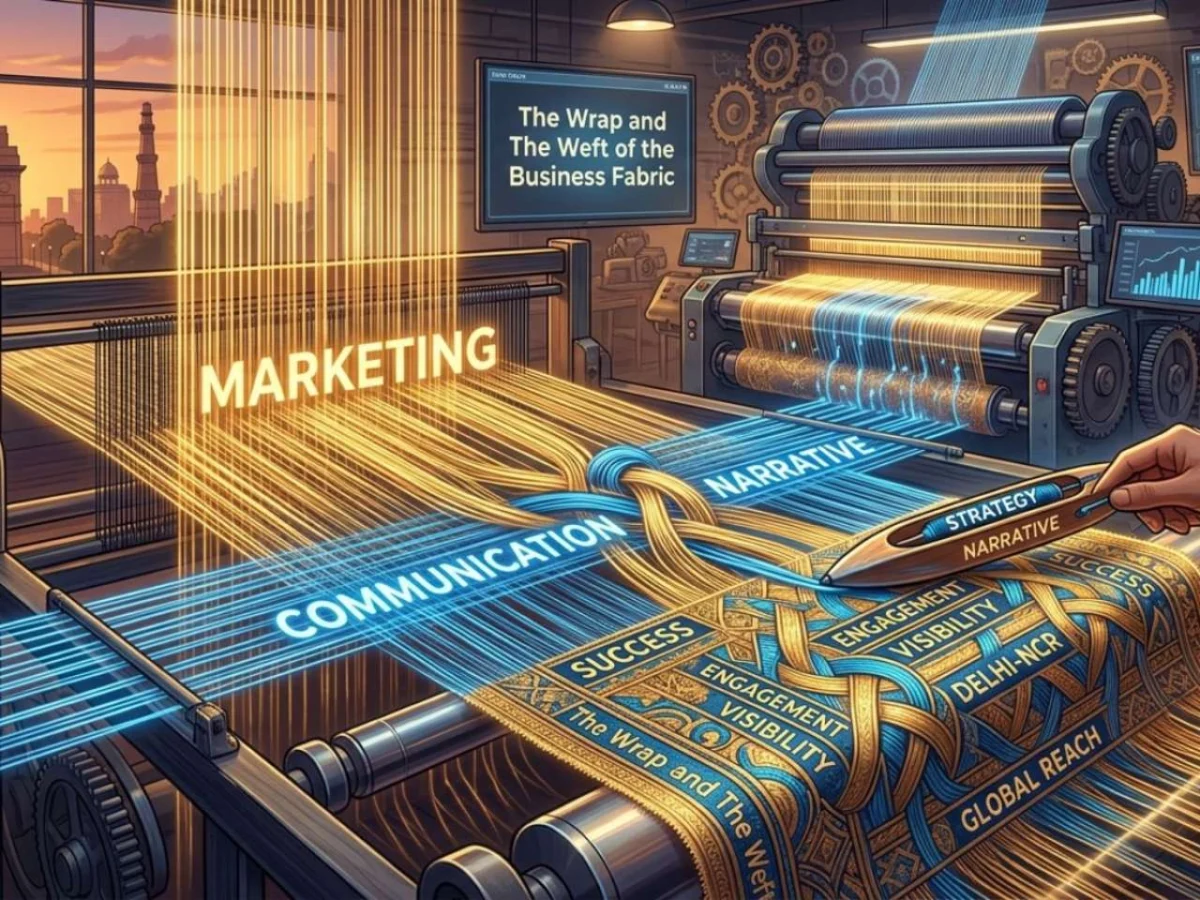
The advent of artificial intelligence (AI) has initiated a profound recalibration across industries, challenging long-held paradigms and forcing a re-evaluation of established roles. In the realm of corporate leadership, few positions have been subjected to as intense scrutiny as that of the Chief Marketing Officer (CMO). With AI systems now capable of analyzing vast datasets, recommending highly targeted actions, and automating decision-making processes that once formed the core of the CMO’s mandate, widespread predictions about the "death" of this executive role have proliferated. However, a deeper examination reveals not an extinction, but a significant metamorphosis, shifting the emphasis from purely optimization-driven functions to deeply human capabilities that remain beyond the reach of algorithms. This transformation is propelling communication leaders from the periphery to the very heart of organizational strategy, redefining what it means to connect, build trust, and ensure an organization is meaningfully understood by its diverse stakeholders.
The AI Imperative: Reshaping the Marketing Landscape
For decades, the Chief Marketing Officer stood as a linchpin in corporate strategy, tasked with understanding customer needs, crafting compelling narratives, and driving growth through strategic outreach. Marketing, for a long time, was largely understood through the lens of optimization. The CMO and their teams were responsible for identifying customer segments, meticulously testing communication strategies, strategically buying media space, and diligently measuring returns through a myriad of conversion and engagement metrics. This intricate dance of data analysis, creative execution, and performance tracking was the bedrock of modern marketing.
Chronology of Marketing Evolution:
The journey of marketing has been one of continuous adaptation.
)
- Early 20th Century: Mass marketing dominated, characterized by broad advertising campaigns targeting general audiences through print, radio, and later, television. The focus was on reach and awareness.
- Mid-20th Century to Late 20th Century: The rise of market segmentation. Companies began to recognize diverse customer needs and tailor messages to specific demographic or psychographic groups. The CMO’s role started to involve more strategic planning and brand positioning.
- Late 20th Century to Early 21st Century: The digital revolution. The internet, email, and early social media platforms ushered in an era of digital marketing, emphasizing online presence, SEO, and direct customer interaction. Data collection became more sophisticated, but still largely manual or semi-automated.
- Present Day: The AI era. Artificial intelligence, machine learning (ML), and big data analytics have fundamentally altered the landscape. AI systems can now perform many of these optimization-driven functions with unprecedented speed, scale, and precision.
Supporting Data: AI’s Capabilities in Marketing Automation
The capabilities of AI in marketing are expansive and continue to grow. Modern AI systems excel at:
- Hyper-Personalization: Analyzing individual customer data points (browsing history, purchase patterns, demographics, real-time behavior) to deliver highly personalized content, product recommendations, and ad experiences. This moves beyond basic segmentation to individual-level targeting.
- Predictive Analytics: Forecasting customer churn, predicting future purchasing behavior, and identifying emerging trends long before human analysis could. This allows for proactive rather than reactive marketing strategies.
- Campaign Optimization and Management: Automating A/B testing at scale, dynamically allocating media budgets across channels based on real-time performance, and optimizing ad creatives for maximum impact. Programmatic advertising, largely powered by AI, ensures ads are delivered to the right person, at the right time, on the right platform, at the optimal price.
- Content Generation: Generating basic marketing copy, email subject lines, social media posts, and even variations of ad creatives. While sophisticated creative still often requires human input, AI can handle the repetitive, high-volume tasks.
- Customer Service and Engagement: Powering chatbots and virtual assistants that handle routine customer inquiries, provide instant support, and even personalize interactions, freeing up human agents for more complex issues.
- Sentiment Analysis: Monitoring social media and customer feedback channels to gauge public perception of a brand, product, or campaign in real-time, providing immediate insights into brand health and potential issues.
The sheer efficiency and data-driven insights that AI brings to these tasks are undeniable. By automating the mechanical, repetitive, and data-intensive aspects of marketing, AI promises to significantly enhance ROI, streamline operations, and deliver unprecedented levels of precision.

The Prophecy of the CMO’s Demise: A Closer Look
It is against this backdrop of rapidly advancing AI capabilities that the widespread predictions about the "death" of the CMO role have gained traction. If machines can perform so many of the functions traditionally overseen by a CMO – from data analysis and segmentation to media buying and campaign optimization – what, then, is left for the human executive?
Why the "Death" Narrative Resonates:
This narrative, while perhaps sensationalist, isn’t entirely unfounded. It taps into several anxieties and observations:
)
- Cost Efficiency: Organizations are constantly seeking ways to reduce overheads and improve efficiency. If AI can automate tasks previously performed by highly paid executives and their teams, there’s a clear financial incentive.
- Quantifiable ROI: AI-driven marketing often boasts clear, measurable returns, appealing to a business culture that increasingly prioritizes data-backed results. The perceived "soft" skills of traditional marketing sometimes struggled to demonstrate such direct causality.
- Technological Disruption: History is replete with examples of roles made obsolete by technological advancements. The fear is that the CMO might be the next casualty in a long line of disrupted professions.
- Shift in Skill Sets: The skills required to leverage AI effectively (data science, machine learning literacy) are often different from the traditional marketing skill set (brand building, creative direction, consumer psychology). This creates a perception that the existing CMO might be ill-equipped for the future.
However, viewing AI solely as a replacement for human intellect in marketing is a simplistic, even dangerous, oversimplification. It fundamentally misunderstands the evolving nature of executive leadership and the enduring, irreplaceable value of human judgment, empathy, and strategic foresight. While AI may disrupt business functions and redefine aspects of marketing, it should be viewed as a powerful tool rather than a final verdict on human capability.
Beyond Automation: The Irreducible Human Core of Communication
What we are witnessing is not a disappearance, but a profound transition toward deeply human capabilities that cannot be automated. As AI increasingly handles the "how" of marketing – the mechanics of targeting, delivering, and optimizing – the focus shifts to the "why" and the "what for." This pivot elevates the uniquely human abilities to build trust, foster genuine connection, and help organizations become meaningfully understood by their stakeholders.
)
Trust Building: The Ultimate Unautomatable Asset
In an age of information overload, digital noise, and pervasive misinformation, trust has become an organization’s most valuable, yet fragile, asset.
- Defining Trust: Trust in a corporate context encompasses reliability, integrity, transparency, and a genuine commitment to stakeholder well-being. It’s about consistently delivering on promises and acting ethically.
- Why Trust is Crucial:
- Brand Loyalty and Advocacy: Trusted brands command loyalty and inspire customers to become advocates.
- Crisis Resilience: Organizations with high levels of trust are better equipped to weather crises, as stakeholders are more likely to give them the benefit of the doubt.
- Employee Engagement: A trustworthy organization fosters a positive internal culture, leading to higher employee morale and retention.
- Investor Confidence: Investors are more likely to support companies they perceive as transparent and ethically sound.
- Regulatory Compliance and Social License: Trust helps build stronger relationships with regulators and ensures the organization maintains its "social license to operate."
- The Human Element: Trust is inherently built on empathy, authenticity, and ethical judgment – qualities that remain firmly within the human domain. AI can process facts, but it cannot feel or understand the nuances of human emotion, nor can it make subjective ethical decisions rooted in a moral compass. Its transactional nature, while efficient, cannot forge the deep, emotional bonds required for true trust.
Meaning-Making and Storytelling: Connecting Beyond Data Points
AI can generate content, but can it truly create meaning that resonates deeply with the human spirit?
)
- The Power of Narrative: Humans connect through stories. Organizations need to articulate their purpose, values, and vision in a way that transcends mere product features or service benefits. This requires crafting compelling narratives that evoke emotion, inspire action, and align with the audience’s values.
- Understanding Nuance and Context: A human communicator understands cultural subtleties, historical context, and the emotional resonance of language. They can discern when a message might be misconstrued, anticipate reactions, and tailor communication with a sensitivity that AI currently lacks. While AI can analyze sentiment, it cannot replicate the intuitive leap of human understanding that allows for truly impactful storytelling.
- Purpose-Driven Communication: In an era where consumers increasingly demand that brands stand for something more than profit, meaning-making involves articulating an organization’s societal contribution and its core purpose. This requires human leadership that can define, champion, and consistently communicate these deeper values.
Fostering Genuine Connection: The "Face" of the Organization
While AI can facilitate interactions, it cannot replicate the depth of human connection.
- Relationship Building: Strategic communication involves building and nurturing relationships with key stakeholders – customers, employees, investors, media, government officials, and communities. These relationships are built on dialogue, active listening, and mutual respect, which are fundamentally human processes.
- Empathy and Emotional Intelligence: A human leader can empathize with stakeholders, understand their concerns, and respond with sensitivity and compassion. This emotional intelligence is crucial during times of crisis, change, or significant societal events.
- Authenticity: The ability to present an authentic organizational identity, to admit mistakes, and to communicate with transparency, is vital for long-term trust. This authenticity is best conveyed through human interaction and leadership that embodies the organization’s values.
The Ascendance of the Chief Communications Officer (CCO)
This shift explains why communication leaders are moving from the margins to the centre of organizational strategy. Publications such as the Wall Street Journal and Forbes are increasingly discussing the growing significance of Chief Communications Officers (CCOs), recognizing their pivotal role in navigating the complexities of the modern information landscape. Author Tabita Andersson, for instance, has profiled numerous communications leaders who have evolved from being mere messengers into trusted advisers to leadership teams, playing a critical role in shaping corporate reputation and influencing strategic decisions.
)
Evolution of the CCO Role:
- Traditionally: Communication roles were often associated with tactical execution: drafting press releases, managing media relations, and generating content for internal and external audiences. They were often seen as support functions, rather than strategic drivers.
- Today: The CCO is emerging as the custodian of trust and reputation, a strategic partner to the CEO and the executive team. Their mandate extends far beyond media relations to encompass:
- Strategic Counsel: Advising leadership on reputation management, crisis communication, stakeholder engagement, and internal communication strategies that align with business objectives.
- Narrative and Purpose Articulation: Defining and disseminating the organization’s core purpose, values, and strategic vision across all internal and external touchpoints.
- Risk Management: Proactively identifying and mitigating communication risks, from social media backlash to potential misinformation campaigns.
- Ethical Oversight: Ensuring that organizational communication is transparent, ethical, and responsible, especially in an era of synthetic content and deepfakes.
- Employee Engagement: Fostering a strong internal culture and ensuring employees are informed, engaged, and act as brand ambassadors.
- Public Affairs and Advocacy: Engaging with policymakers, regulators, and advocacy groups to shape public discourse and advance organizational interests.
Supporting Data: Industry Trends and Recognition
While specific hard numbers on CCO salaries or direct ROI can be complex, industry trends and anecdotal evidence strongly support this shift:
)
- Direct Reporting to CEO: A growing number of CCOs now report directly to the CEO, signaling their elevated strategic importance at the executive table.
- Increased Budget and Headcount: Many organizations are increasing investment in their communications functions, recognizing that effective communication is a competitive differentiator.
- Executive Search Trends: Executive search firms report a significant demand for CCOs with strong business acumen, strategic thinking capabilities, and a deep understanding of reputation management.
- Academic Focus: Business schools and communication programs are increasingly integrating strategic communication and reputation management into their curricula, reflecting its growing importance.
A New Strategic Imperative: Trust in the Digital Age
This transformation is occurring at a moment when content is exploding in volume, much of it synthetic, amplified through sophisticated algorithms, infinite social media feeds, and increasingly convincing deepfakes. In such a complex and often disorienting information environment, trust becomes one of the most valuable, and often elusive, assets an organization can possess.
Ironically, trust-building and meaning-making were always central to the discipline of communication. However, over time, these deeper human functions were sometimes absorbed into marketing’s obsession with quantifiable metrics such as engagement and conversion rates. While these metrics are important for optimizing reach and initial interaction, they often fall short of capturing the profound impact of genuine trust and meaningful connection. Now, as AI automates many of the mechanical dimensions of marketing, the deeper human function of communication is re-emerging at the centre, reclaiming its rightful place.
)
The Indian Context: A Microcosm of Global Challenges
The growing centrality of communication is especially relevant in a country like India, where digital adoption is phenomenally high, and the spread of misinformation (often termed "fake news") can be rapid and pervasive. In such a context, treating communication merely as media management or public relations is a risky proposition. Public relations activity often becomes visible only after a crisis has erupted – that is, after trust has already been damaged. Yet, trust-building is fundamentally a slow, continuous, and deliberate process.
It is woven into everyday interactions, organizational behaviour, institutional culture, and public articulation. Because it is gradual and often invisible, communication work frequently goes unrecognized until its absence creates a crisis. At a time when institutional trust is declining globally – fueled by political polarization, economic uncertainty, and a lack of transparency – organizations are investing heavily in rebuilding credibility. Communication, therefore, can no longer be treated as a peripheral activity or a cost overhead. It is a strategic investment in the long-term sustainability and reputation of the enterprise.
)
The Convergence: Marketing, Communication, and Strategy
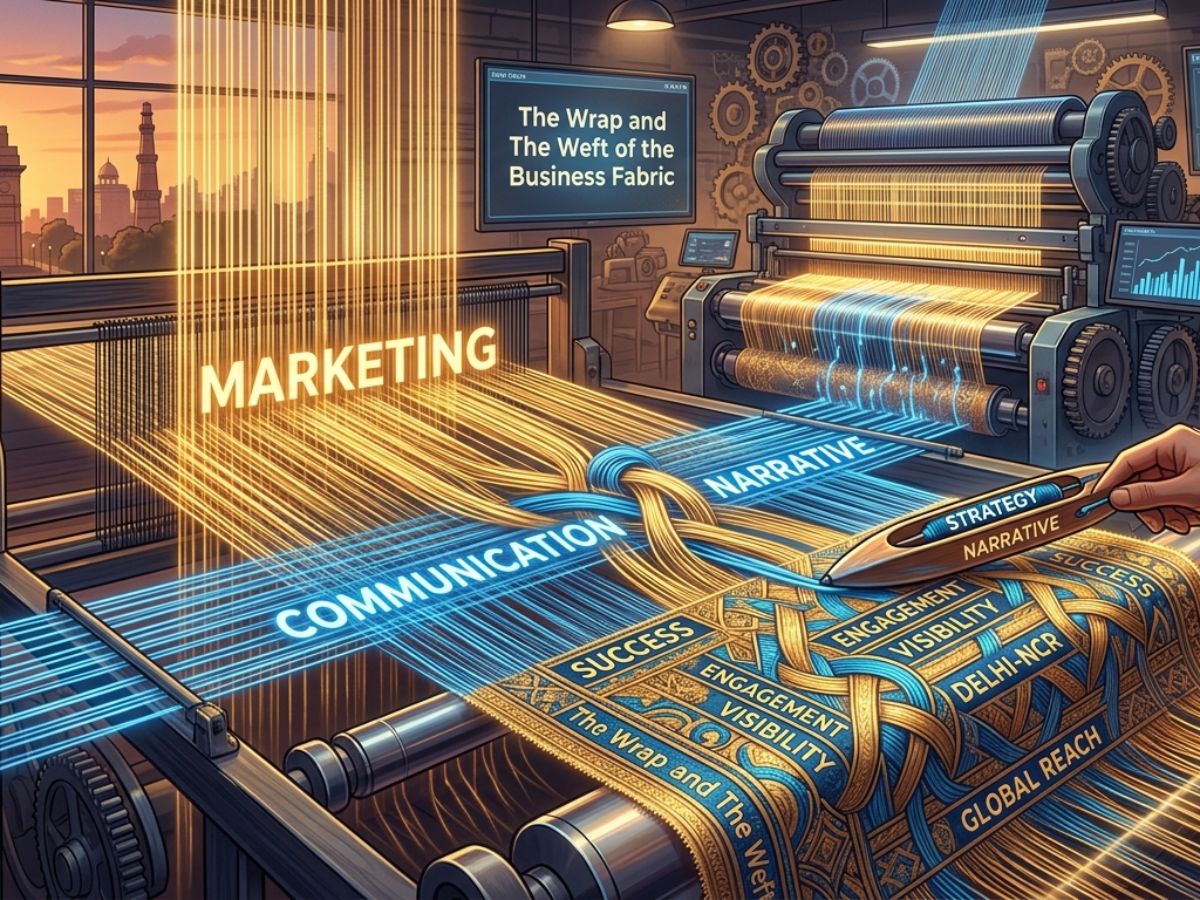
While the predictions of the CMO’s "death" often imply a simple replacement with a CCO, the reality is more nuanced. It would be simplistic to assume that organizations merely need to swap one executive title for another. The change in designation is perhaps the least important aspect of the profound transformation underway. What truly matters is recognizing that marketing is evolving from a sole focus on customer classification and optimization toward meaning-making, ethical judgment, and trust-building.
This evolution signifies a convergence of marketing and communication, even as performance marketing itself becomes more automated and data-driven. The most effective future leaders will be those who can seamlessly integrate the analytical prowess of AI-driven marketing with the empathetic, strategic capabilities of human communication. This might mean:
)
- Hybrid Roles: Executives who possess strong marketing analytics skills but also deep expertise in strategic communication and reputation management.
- Integrated Departments: Marketing and communication teams working more closely together, with shared objectives focused on both performance and purpose.
- Chief Brand Officers (CBOs): A potential new executive role that explicitly combines the strategic oversight of brand identity, marketing execution, and corporate communication, with a mandate to ensure consistency and authenticity across all touchpoints.
The ultimate goal is to ensure that while AI handles the transactional efficiencies, the human element ensures the brand is understood, respected, and trusted.
Implications for Business Leaders and Professionals
This pivotal moment offers significant implications for various stakeholders:
)
For Organizations:
- Strategic Re-evaluation: Boards and CEOs must fundamentally re-evaluate their organizational charts and strategic priorities. They need to recognize communication as a core strategic function, not just a support service.
- Investment in Human Capital: Invest in developing human capabilities in critical thinking, ethical judgment, emotional intelligence, and cross-functional collaboration within their marketing and communication teams.
- Culture of Trust and Transparency: Foster an organizational culture that prioritizes transparency, authenticity, and ethical behavior, as these are the foundations upon which trust is built.
- Integrated Approach: Break down silos between marketing, communication, and other business functions to ensure a cohesive and consistent brand message and experience.
For Marketing Professionals:
)
- Upskilling and Reskilling: The future marketer must move beyond purely tactical execution. This requires upskilling in strategic thinking, ethical considerations, emotional intelligence, advanced storytelling, and the ability to interpret and act upon complex data generated by AI.
- Embrace AI as a Co-Pilot: View AI not as a threat, but as a powerful tool that frees up time for higher-order strategic work. Learn to collaborate effectively with AI systems.
- Focus on Purpose: Shift focus from mere conversions to contributing to the organization’s broader purpose and values.
For Communication Professionals:
- Seize the Opportunity: This is a golden era for communication professionals. They must step up to the plate, demonstrating their strategic value and proving their indispensable role in an organization’s success.
- Develop Business Acumen: Understand the business model, financial drivers, and strategic objectives of the organization to effectively advise leadership and align communication efforts with overarching goals.
- Quantify Impact (Qualitatively): While trust is hard to measure with simple KPIs, communicators must develop sophisticated ways to articulate and demonstrate their impact on reputation, stakeholder relationships, and ultimately, business outcomes.
For Academia:
)
- Reinforce Strategic Communication: This moment offers renewed confidence in the field of communication. For decades, communication literature has argued that communication is strategy, not merely embellishment. Technology is now automating the decorative and mechanical dimensions of communication, compelling humans to step into far more strategic roles involving interpretation, judgment, ethics, and trust creation. Academia must continue to champion and evolve its curricula to reflect this strategic imperative.
Conclusion
The "death of the CMO" is a compelling, yet ultimately misleading, headline. The reality is far more nuanced and invigorating. We are not witnessing an executive role being eliminated, but rather a profound evolution driven by the transformative power of artificial intelligence. While AI efficiently handles the mechanics of optimization and data analysis, it simultaneously highlights the irreplaceable value of uniquely human attributes: the capacity to build trust, to create meaning, and to foster genuine connection.
This paradigm shift elevates communication to its rightful place at the heart of organizational strategy. Communication is no longer simply supporting business functions; it is becoming central to how organizations are understood, trusted, and ultimately sustained in an increasingly complex and digitally saturated world. The future belongs to leaders who can artfully blend the analytical prowess of machines with the empathetic wisdom of humanity, ensuring that their organizations not only thrive economically but also resonate meaningfully with the diverse communities they serve.
