

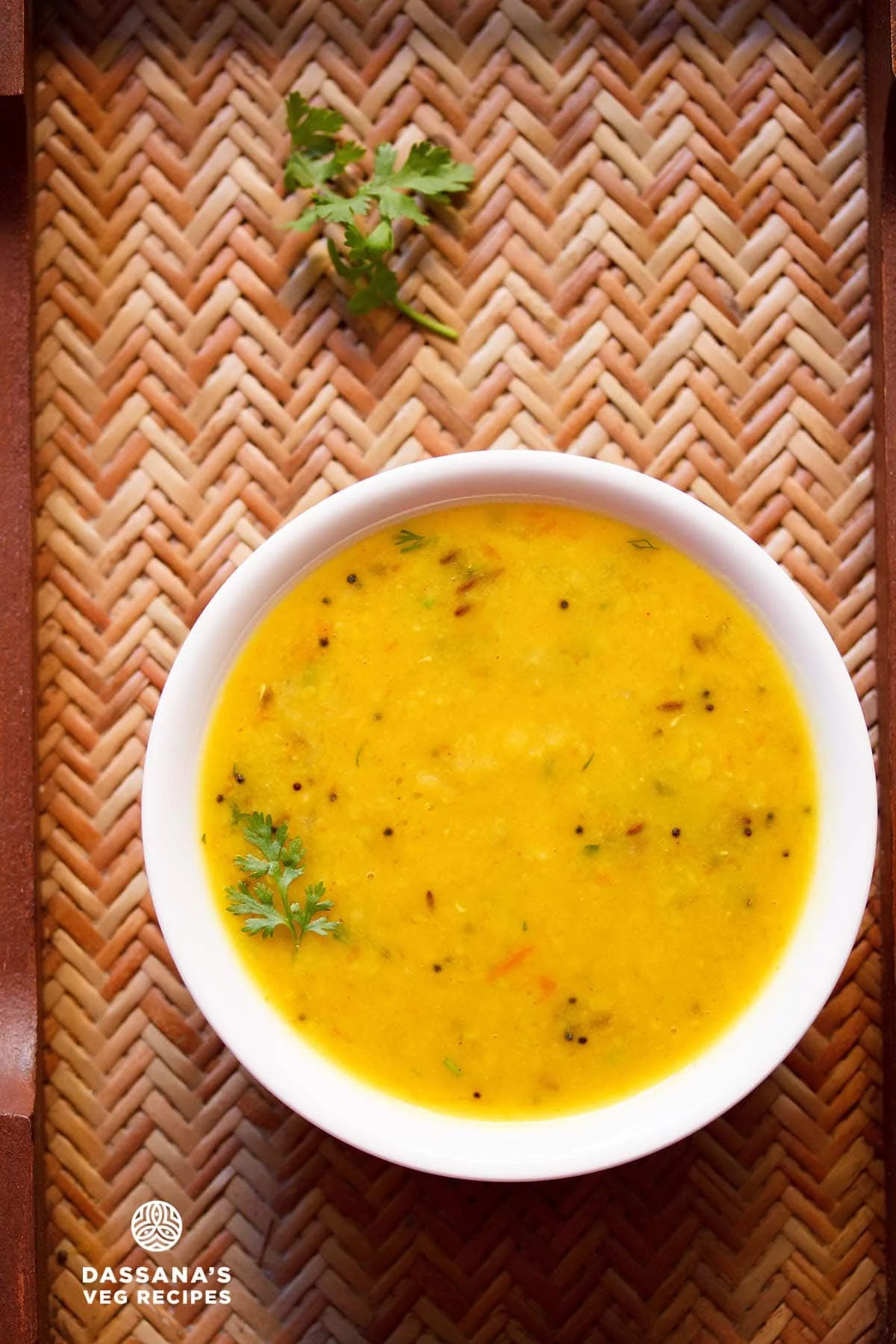
In the vast and diverse landscape of Indian cuisine, few ingredients hold as much significance as the humble Toor Dal. Known scientifically as Cajanus cajan and referred to variously as arhar dal, tuvar dal, or split pigeon peas, this yellow lentil is more than just a dietary staple; it is a foundational element of the Indian socio-economic and nutritional fabric. While regional cuisines across the subcontinent vary wildly in spice profiles and techniques, the presence of a "homestyle" dal remains a universal constant, serving as the primary protein source for hundreds of millions.
Main Facts: The Ubiquity of Arhar Dal
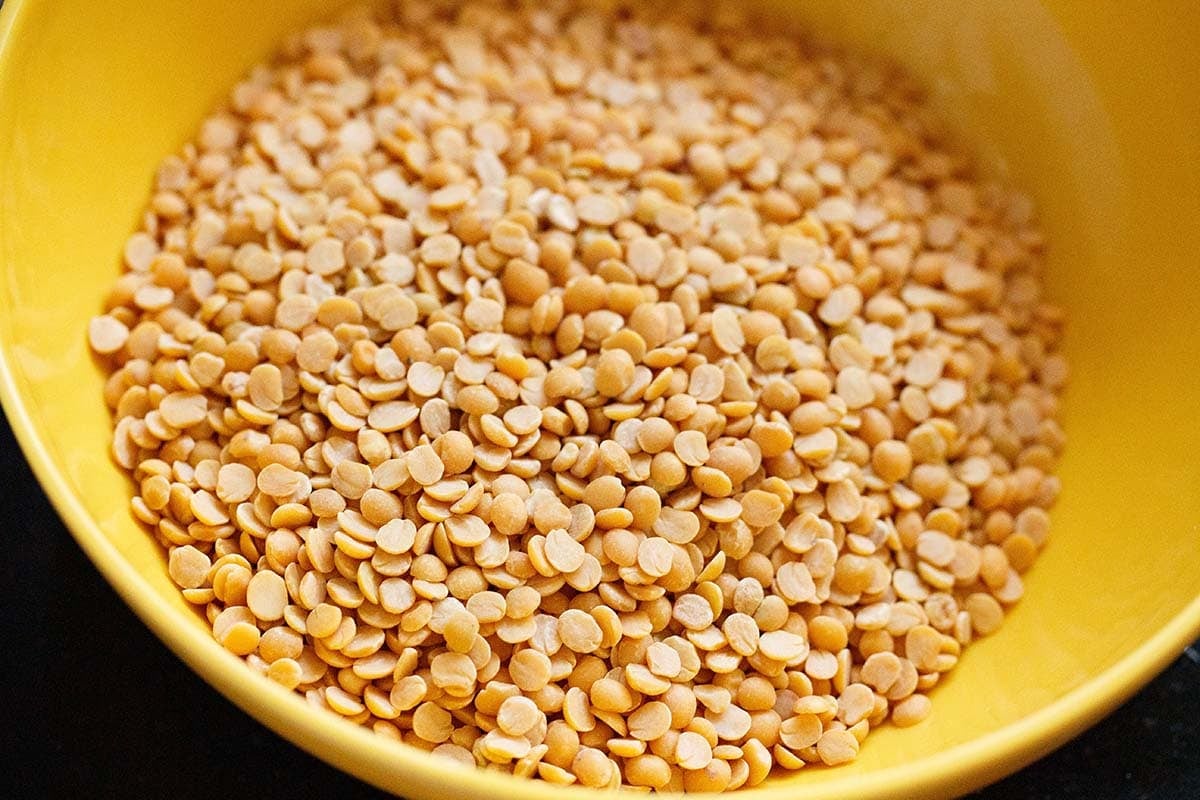
Toor dal is the hulled, split version of the pigeon pea. In the hierarchy of Indian pulses, it occupies a prestigious position, often favored for its mild, nutty flavor and its ability to absorb a wide array of spices. Unlike the richer, creamier "restaurant-style" preparations—such as Dal Makhani or Dal Tadka found in commercial eateries—the homestyle version is characterized by its lightness and digestibility.
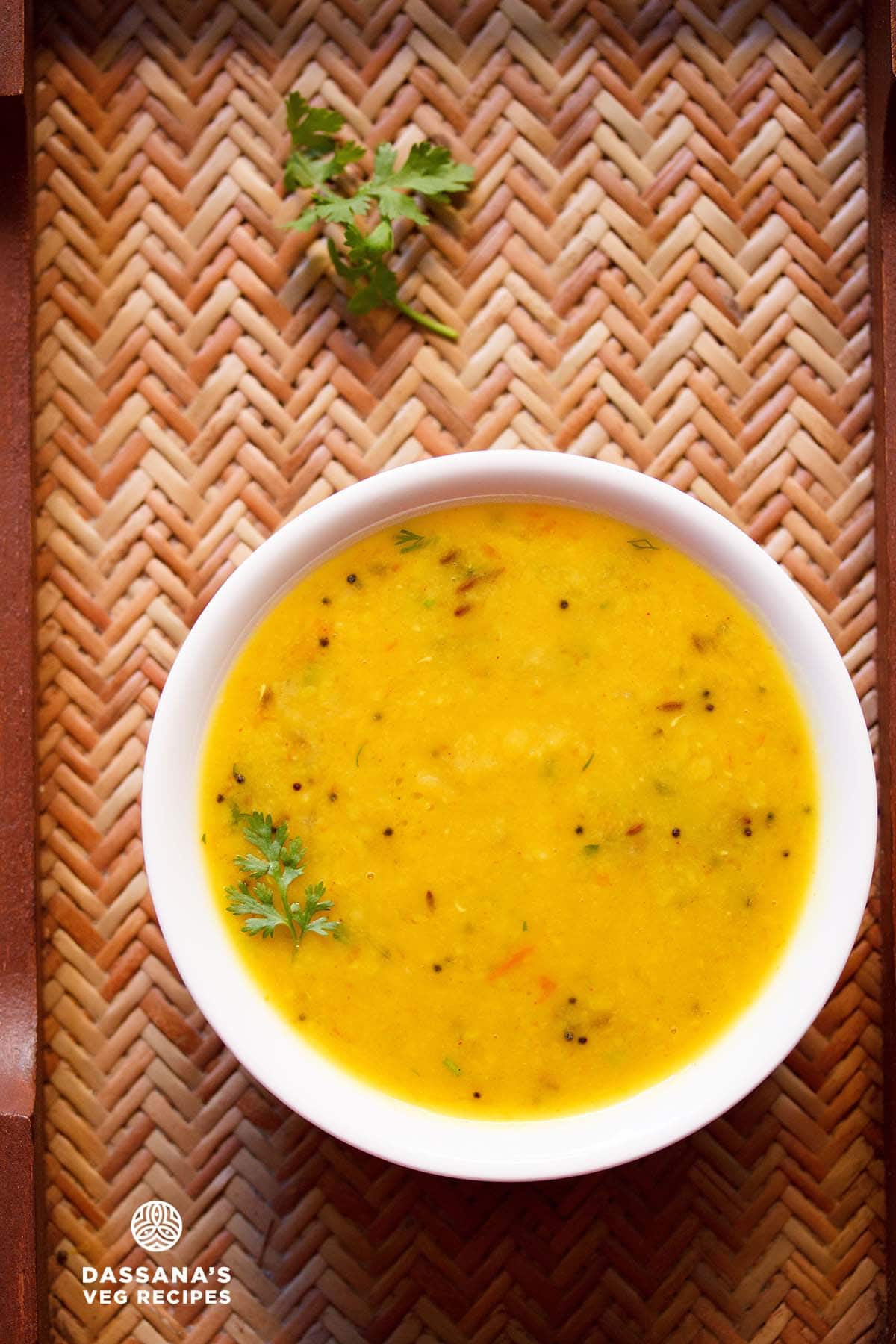
The preparation typically involves two distinct phases: the boiling or pressure-cooking of the lentils until they reach a mushy, creamy consistency, and the subsequent "tempering" (known as tadka, chaunk, or baghaar). This tempering involves flash-frying spices in oil or clarified butter (ghee) to release their essential oils, which are then poured over the cooked lentils to provide a final burst of aroma and depth.
Economically, toor dal is a critical crop. India is the world’s largest producer and consumer of pigeon peas, reflecting a deep-seated cultural preference that transcends class and geography. Whether served with steamed Basmati rice (the iconic Dal-Chawal) or paired with flatbreads like roti or phulka, toor dal is the quintessential comfort food of the Indian home.
Chronology: The Lifecycle of a Homestyle Preparation
The transition of raw, dried lentils into a finished homestyle dish follows a precise culinary timeline that has been refined over generations.
Phase I: Preparation and Softening
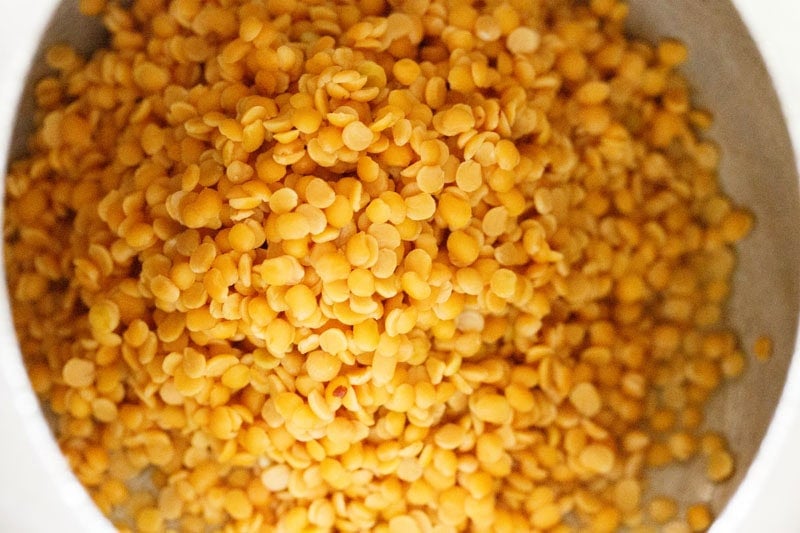
The process begins with the rigorous rinsing of the dried pulses. This is not merely for hygiene; it removes excess starch and any residual dust from the milling process. In a traditional Indian kitchen, the dal is often soaked for 30 minutes to an hour to reduce cooking time and improve texture, though modern high-pressure cookers have made this step optional.
Phase II: The Primary Cook
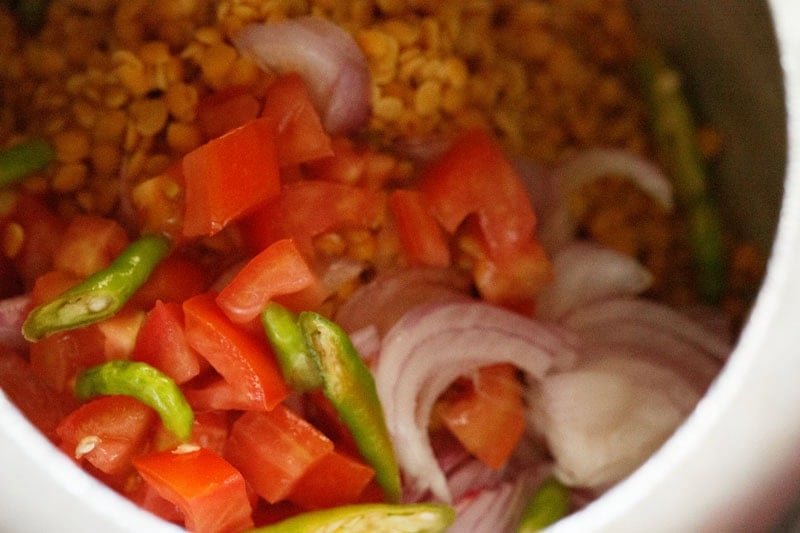
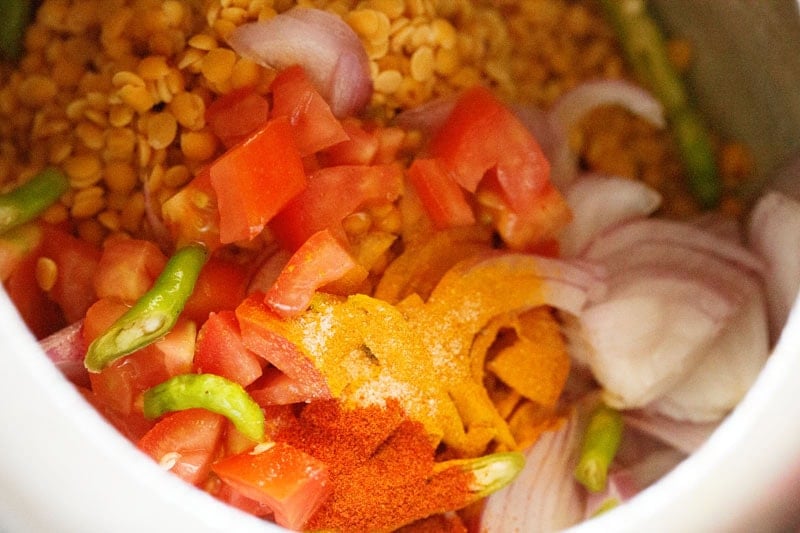
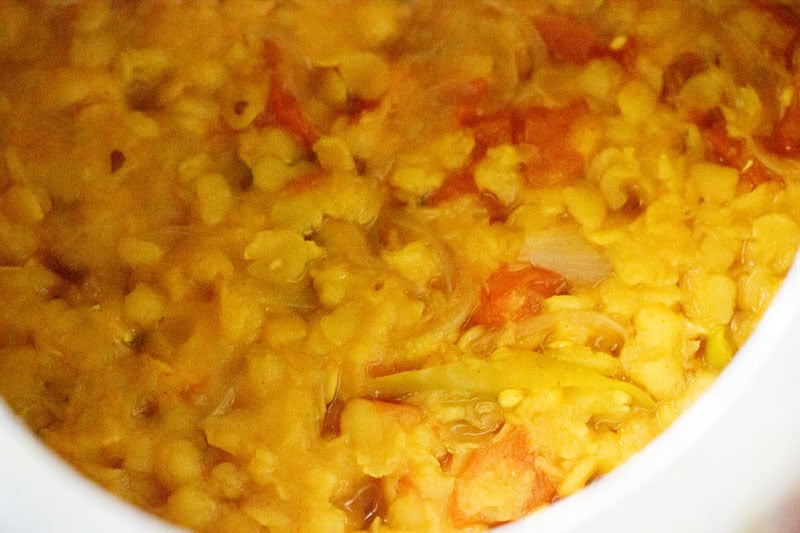
The lentils are combined with water, sliced onions, chopped tomatoes, and green chilies. At this stage, foundational spices—turmeric and red chili powder—are added, along with a "generous pinch" of asafetida (hing). The asafetida serves a dual purpose: it adds a unique savory note reminiscent of leeks and acts as a digestive aid, countering the flatulence often associated with legumes.
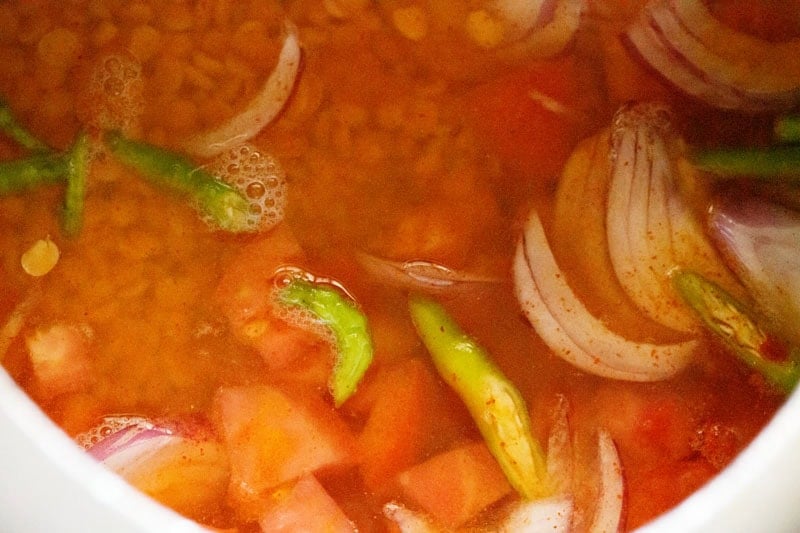
In a standard 3-liter pressure cooker, the mixture is subjected to heat for approximately 14 to 15 minutes, or roughly 8 to 9 "whistles" of the steam release valve. This high-pressure environment breaks down the complex carbohydrates of the pigeon pea, resulting in a soft, mushy consistency that can be easily whisked into a smooth puree.
Phase III: Consistency Adjustment
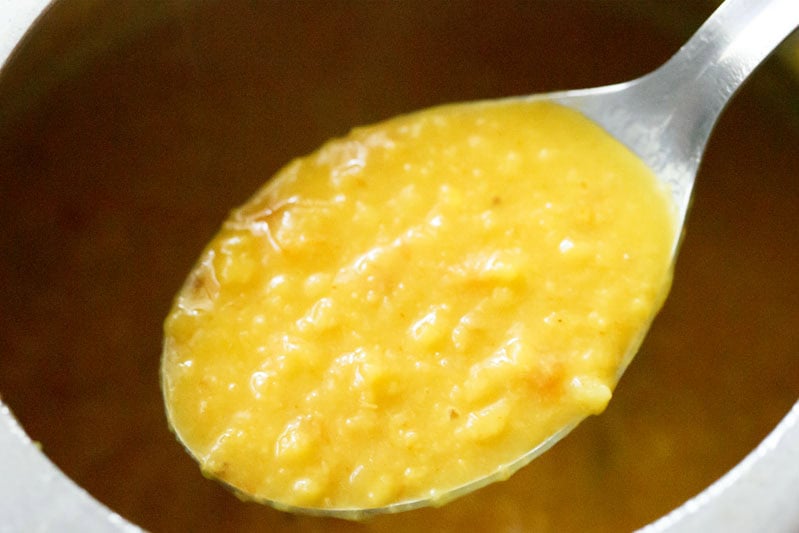
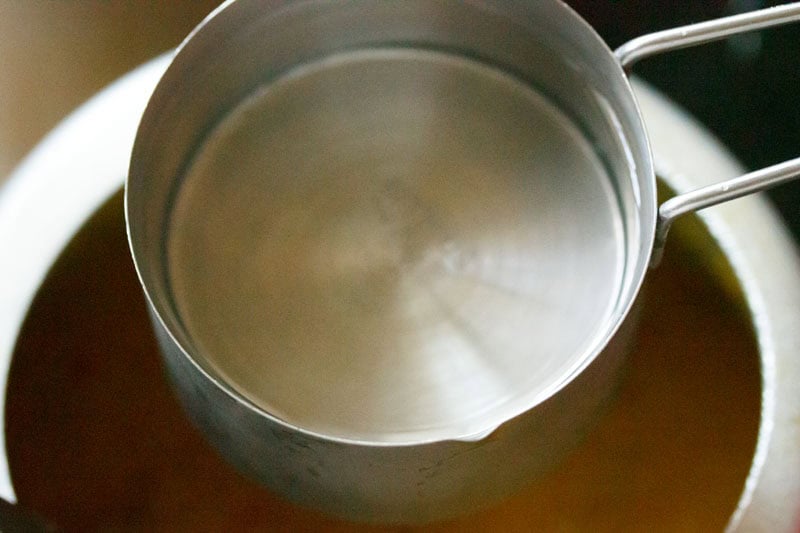
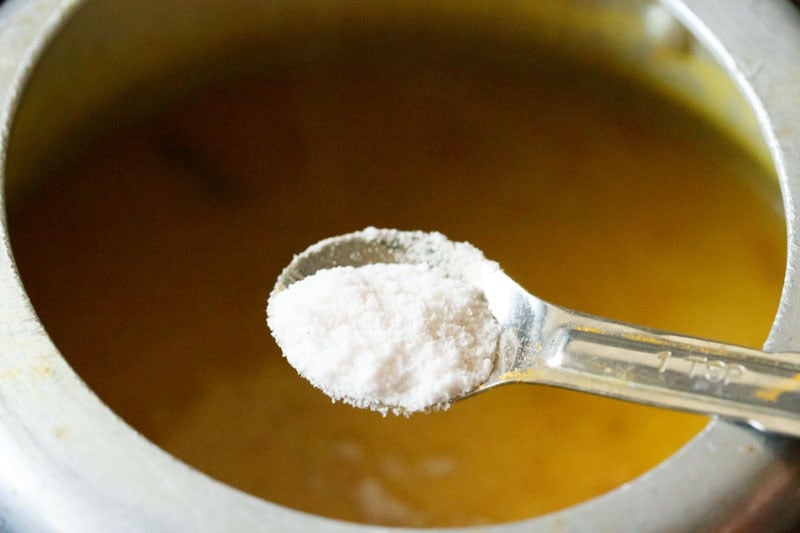
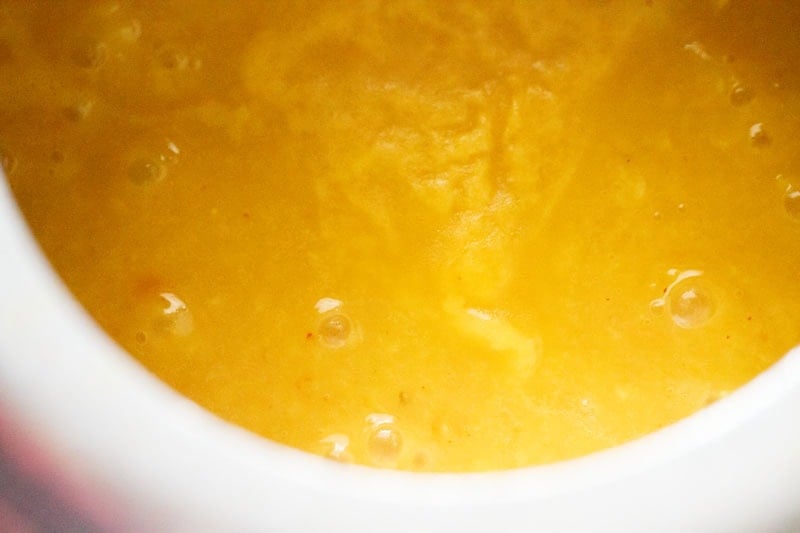
Post-cooking, the chef must decide on the "viscosity" of the dal. Homestyle versions are traditionally kept medium to thin, especially when intended for consumption with rice. If the dal is too thick, water is added and the mixture is simmered further to ensure a cohesive texture. Salt is introduced at this late stage to prevent the lentils from toughening during the initial boil.
Phase IV: The Tempering (The Tadka)
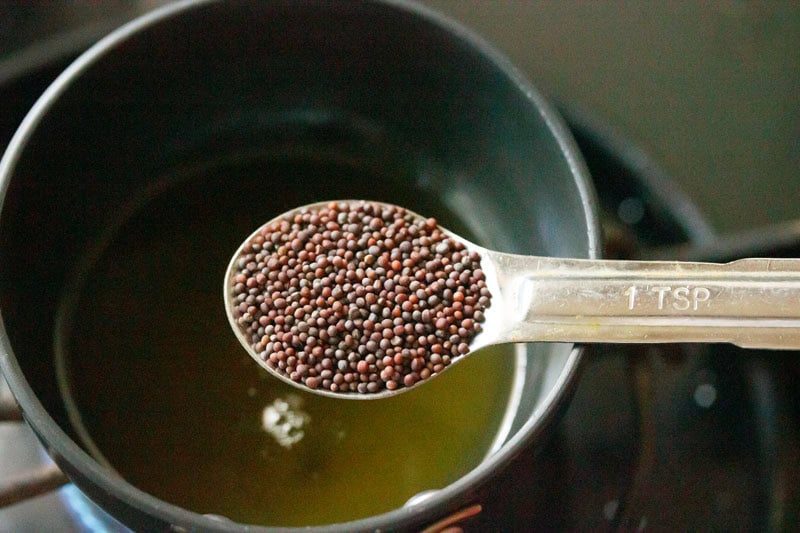
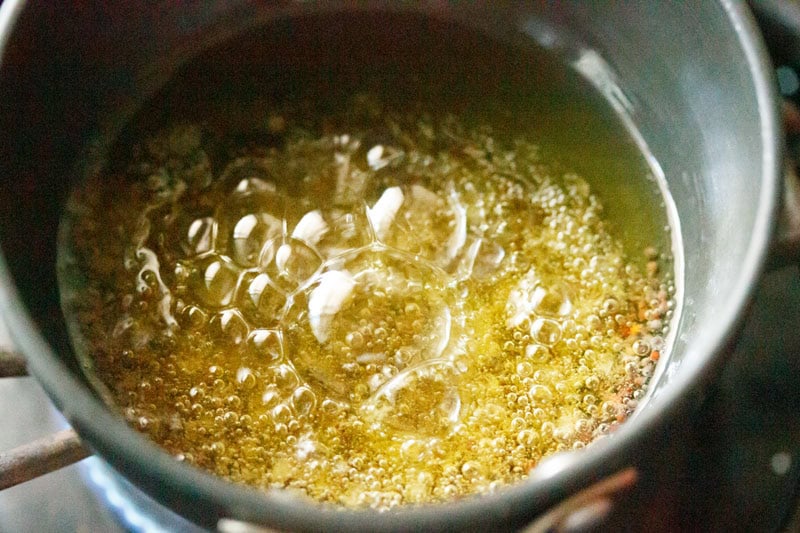
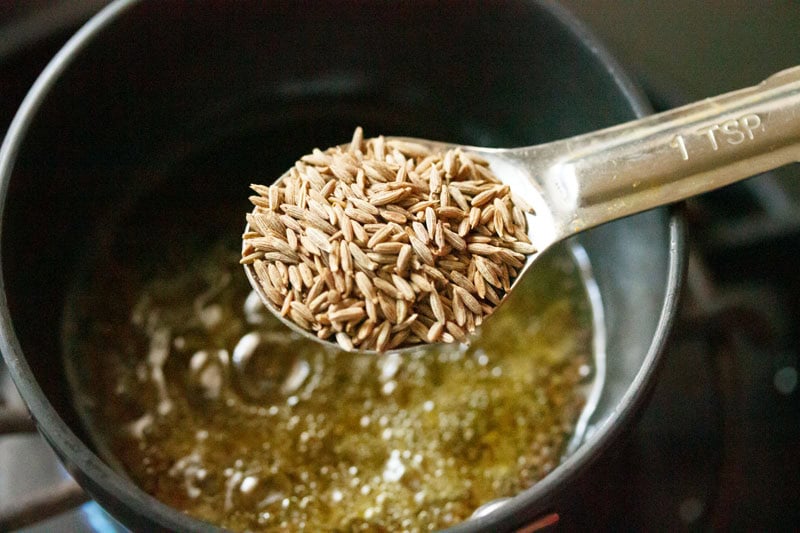
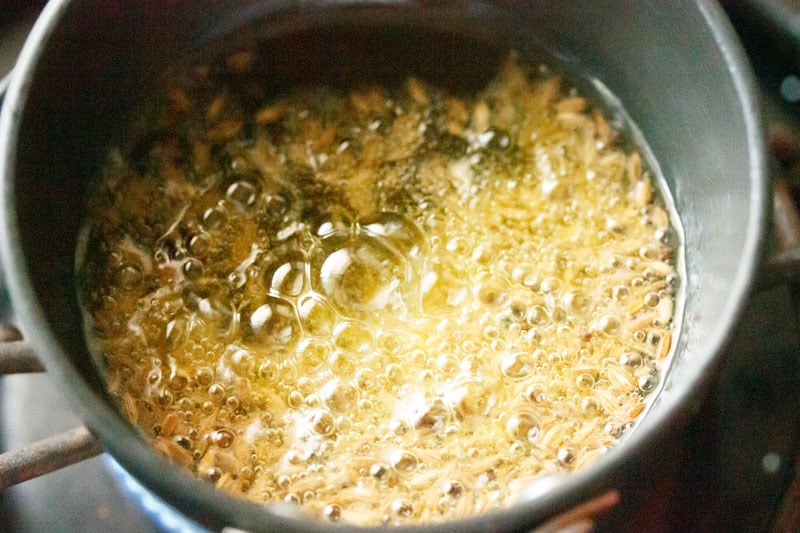
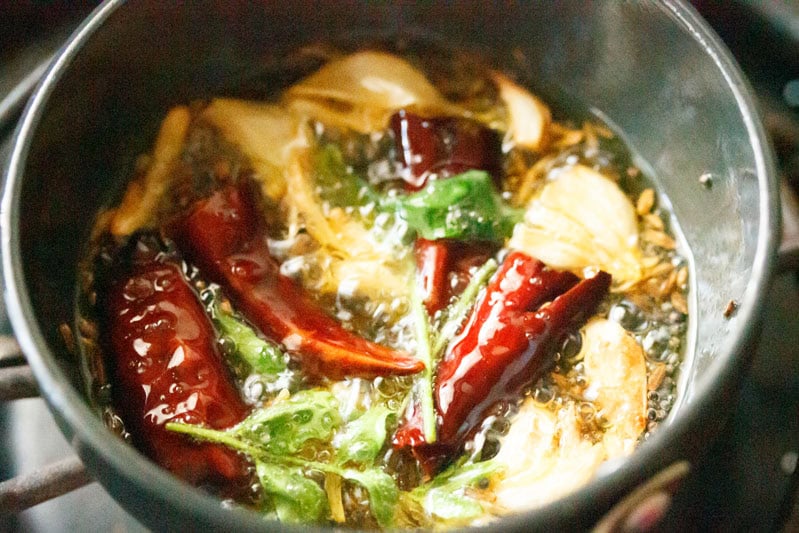
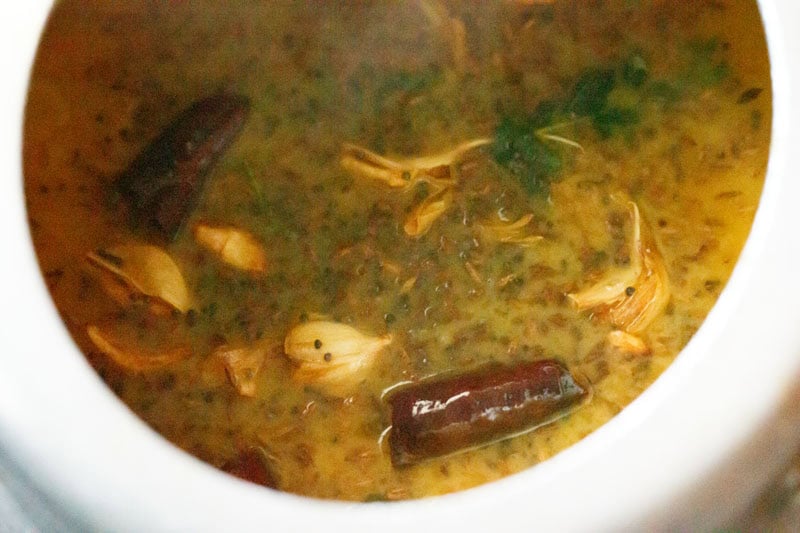
The final and most critical step is the tempering. In a small, separate pan, oil or ghee is heated until it reaches a moderate shimmer. Mustard seeds are added first; their "crackling" indicates the oil is ready for the remaining aromatics. Cumin seeds follow, frying until they change color.
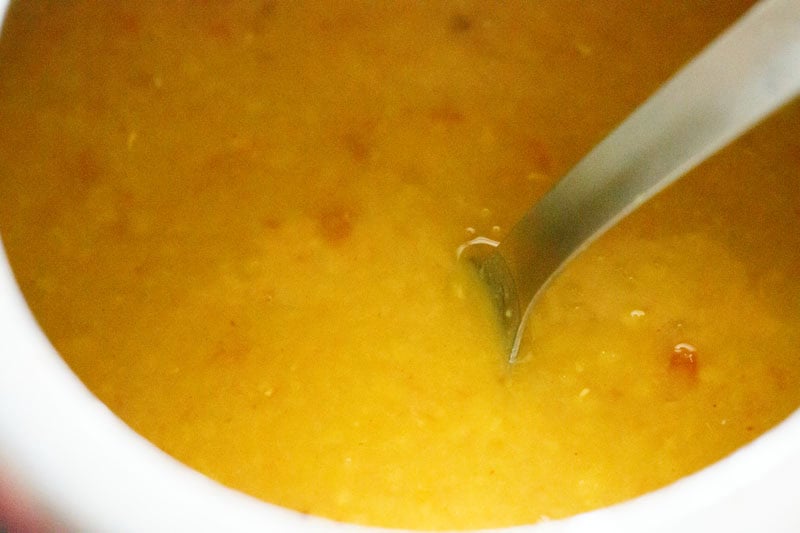
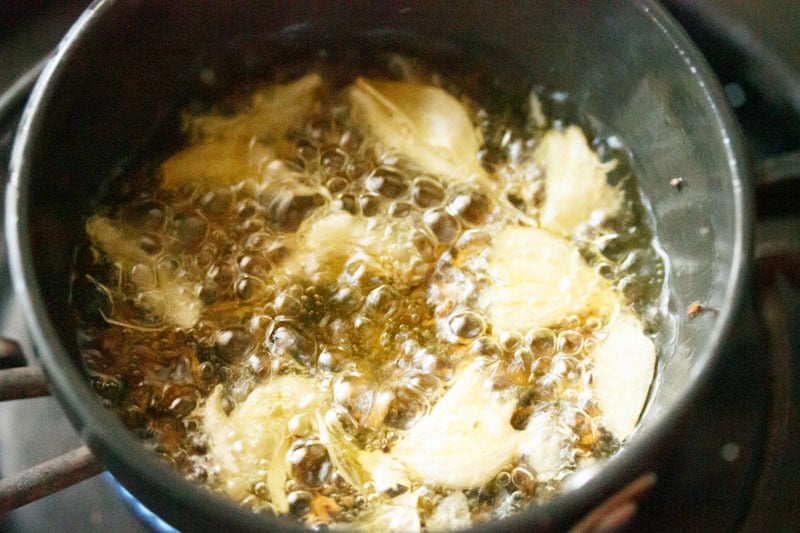
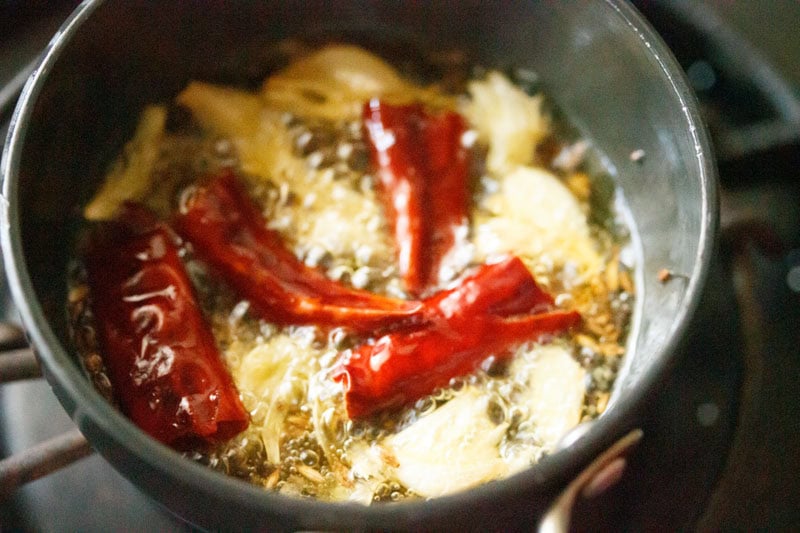
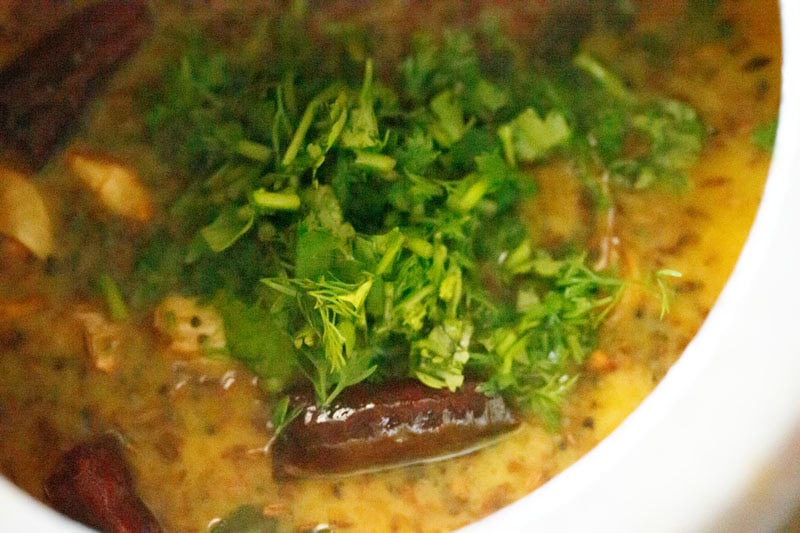
The inclusion of garlic—crushed with the peel on for a rustic flavor or sliced for subtlety—adds a pungent baseline. Finally, dried red chilies and fresh curry leaves are introduced. The flash-frying of these leaves creates a crisp texture and releases a citrusy, herbal aroma that defines the dish. This sizzling mixture is immediately poured into the dal, and the pot is covered to trap the volatile aromatic compounds.
Supporting Data: Nutritional and Botanical Profile
Toor dal is a nutritional powerhouse, making it indispensable for the predominantly vegetarian population of India. According to nutritional analysis, a standard serving (approximately 4 servings per cup of raw dal) provides a robust profile:
- Caloric Content: Approximately 257 kcal per serving.
- Protein: 12g, providing essential amino acids necessary for muscle repair and metabolic function.
- Fiber: 10g, promoting digestive health and satiety.
- Micronutrients: It is exceptionally high in Vitamin B3 (Niacin), Vitamin C, and Vitamin B9 (Folate), the latter being crucial for DNA synthesis and fetal development.
- Minerals: Significant amounts of Calcium, Iron, and Magnesium.
Botanically, the pigeon pea is a perennial legume from the family Fabaceae. It is a drought-resistant crop, making it vital for food security in arid and semi-arid regions. Its ability to fix nitrogen in the soil also makes it a favorite for crop rotation, enhancing the sustainability of the agricultural lands where it is grown.
Official Responses: Culinary Experts on the "Homestyle" Philosophy
While there is no single "official" governing body for dal recipes, culinary historians and professional chefs frequently weigh in on the distinction between domestic and commercial preparations.
Chef and food historians often note that the "homestyle" arhar dal is a reflection of Ayurvedic principles, which emphasize balance and easy digestion. "The use of turmeric and asafetida in everyday dal is not just about flavor; it is about the medicinal properties of the food," notes one culinary researcher.
Furthermore, the "official" stance from nutritionists regarding pulses has gained international momentum. The United Nations Food and Agriculture Organization (FAO) has frequently highlighted pulses like toor dal as a "superfood" for the future. Their reports suggest that increasing pulse consumption is key to combating both obesity in developed nations and protein-energy malnutrition in developing ones.
In response to rising food prices, Indian government officials often monitor "Dal Inflation" as a primary indicator of the nation’s economic health. When the price of toor dal rises, it often triggers government intervention, such as the release of buffer stocks or changes in import duties, underscoring the ingredient’s status as a "national security" item in terms of food stability.
Implications: Socio-Economic and Health Impact
The reliance on toor dal carries significant implications for India’s future.
1. Public Health and the Protein Gap
As India continues to grapple with high rates of stunted growth and anemia, the role of toor dal as an affordable protein source is paramount. For many families, dal is the only source of protein. Enhancing the bioavailability of nutrients in dal through traditional cooking methods—like the inclusion of Vitamin C-rich tomatoes and lemon juice—is a critical "soft" health intervention.
2. Environmental Sustainability
Compared to animal-based proteins, toor dal has a negligible carbon footprint. It requires significantly less water to produce than beef or poultry and improves soil health. As the world moves toward "Green Diets" to combat climate change, the Indian model of dal-based protein consumption is increasingly viewed as a blueprint for global sustainability.
3. The "Comfort Food" Economy
The psychological implication of toor dal cannot be overstated. It is a "leveler" dish—eaten by the billionaire and the laborer alike. This creates a massive domestic market for spices, ghee, and pulses, supporting millions of small-scale farmers and local spice traders. The transition from traditional pots to pressure cookers also spurred a manufacturing boom in Indian kitchenware during the mid-20th century, showing how a single recipe can drive industrial trends.
4. Culinary Evolution vs. Tradition
The rise of "Instant Dal" and ready-to-eat packets poses a challenge to the traditional homestyle method. While these products offer convenience, they often lack the subtle "soul" of a fresh tadka. However, the persistence of the family recipe—passed down through oral tradition—ensures that the specific nuances of a "mother’s dal" remain a cornerstone of Indian identity.
Conclusion
Toor dal is far more than a simple yellow lentil. It is a complex intersection of botany, chemistry, economics, and emotion. The homestyle preparation, with its careful balance of pressure-cooked softness and aromatic tempering, represents a peak of culinary efficiency—providing maximum nutrition and flavor with minimal resources. As global food systems evolve, the golden bowl of arhar dal remains a steadfast symbol of resilience, health, and the enduring power of home-cooked tradition.
