

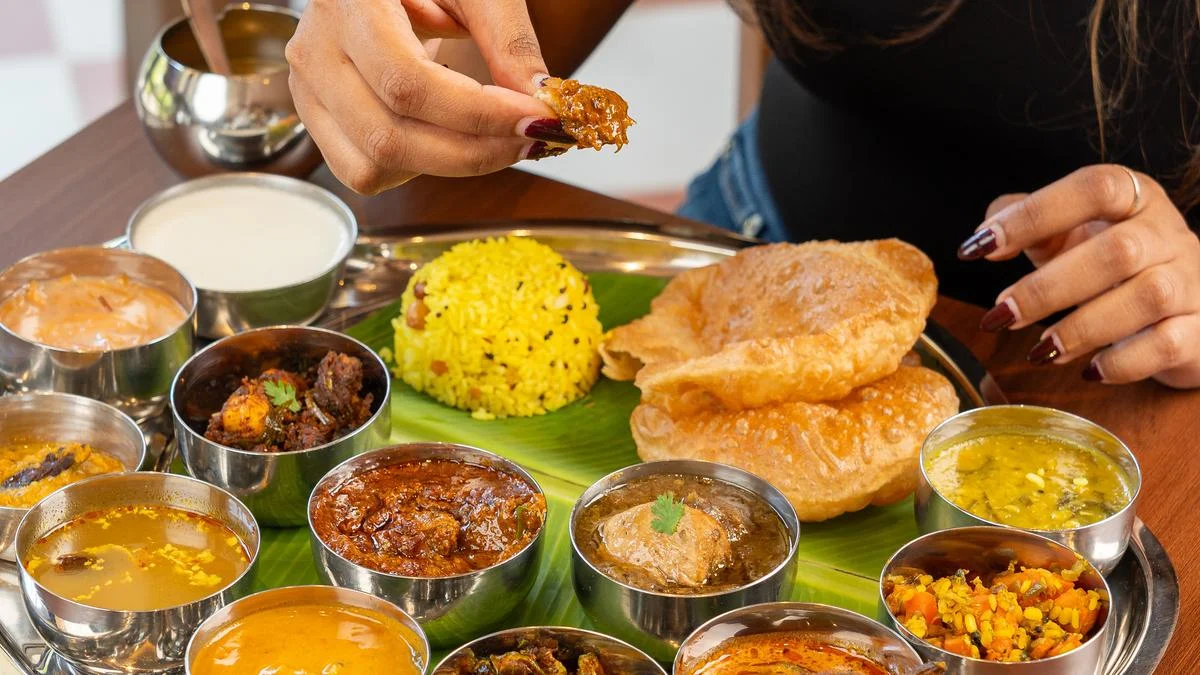
For decades, the culinary identity of Hyderabad was synonymous with a single, fragrant pot of rice and meat: the Dum Biryani. To the outsider, the city was a monolith of Nizami flavors, defined by the richness of saffron, the pungency of mirchi ka salan, and the heavy influence of Persian-inflected courtly cuisine. However, a quiet but profound revolution is simmering in the kitchens of the Pearl City.
The dining table in Hyderabad is widening, making room for a diverse array of flavors that have long been relegated to home kitchens or rustic highway eateries. From the fiery thotakura liver fry to the tangy chepala pulusu, the city’s palate is undergoing a "Deccan Decoupling," where the dominance of the biryani is being challenged by the nuanced, hyper-regional cuisines of the Telugu heartlands.
Main Facts: The Diversification of the Hyderabadi Palate
The current gastronomic shift in Hyderabad is characterized by three distinct trends: the elevation of "homely" staples to fine-dining status, the exploration of sub-regional micro-cuisines (such as those from Uttar Andhra and Rayalaseema), and a move away from the "multicuisine" trap toward authentic, heritage-focused menus.
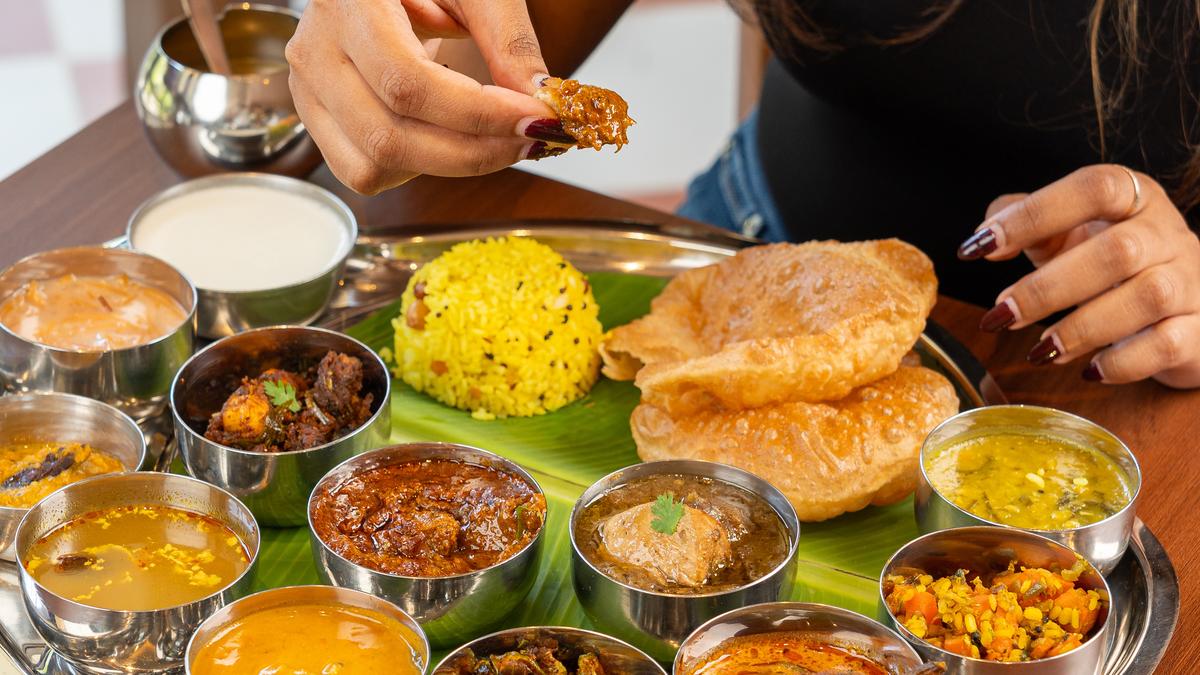
Unlike the mandi wave that swept the city a few years ago—which many saw as a temporary trend—the current resurgence of Telugu cuisine feels like a homecoming. Restaurants are no longer content with serving a generic "South Indian" menu. Instead, they are foregrounding specific preparations like nimmakayya guddu bonda (lemon-infused egg bonda), seena roast, and natu kodi (country chicken).
The shift is also visible in the grain. While long-grain Basmati has been the king of the Hyderabad table, diners are now warming up to aromatic pulaos made with short-grain varieties like Chitti Muthyalu. These pulaos, often more fragrant and less greasy than their biryani counterparts, highlight the interplay of heat and tartness that defines the various regions of Telangana and Andhra Pradesh.
Chronology: From 1985 to the Neo-Telangana Era
To understand this evolution, one must look at the timeline of Hyderabad’s restaurant industry, which has moved from functional eating to experiential dining.
The Legacy Era (1980s – 2000s)
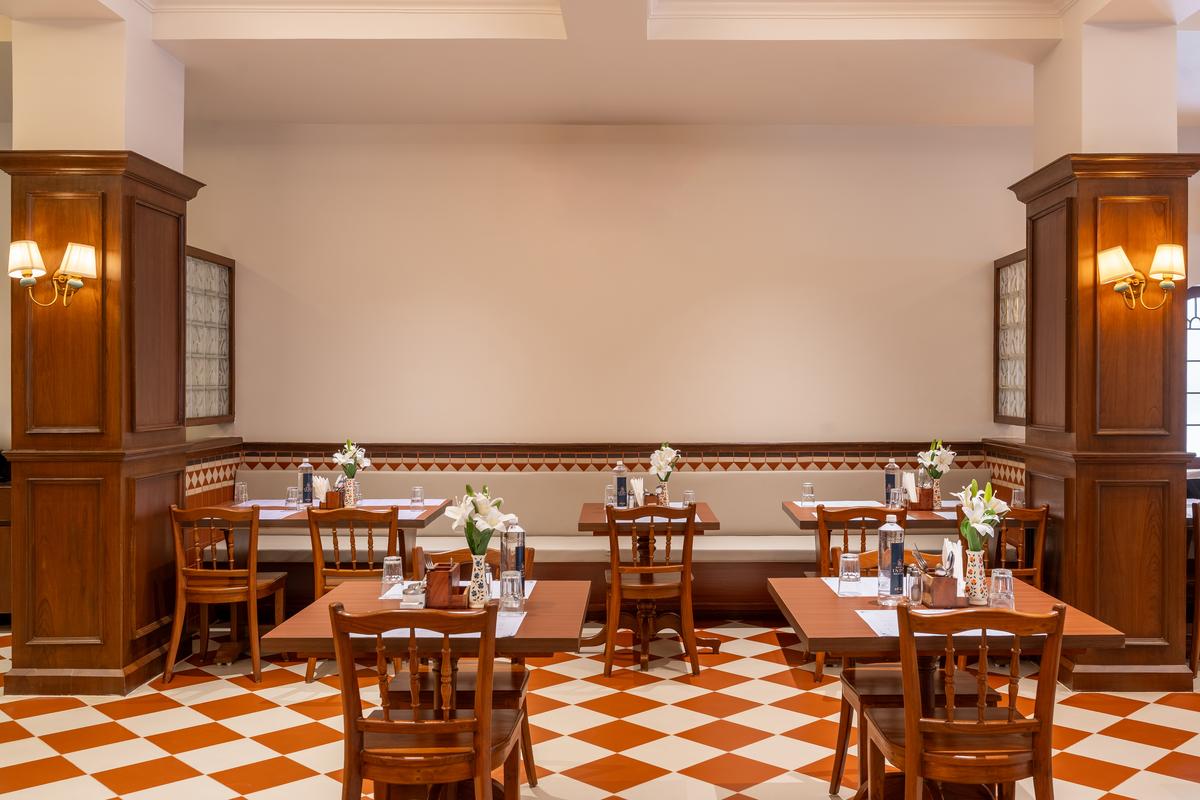
In 1985, Venugopal Reddy founded Hotel Indu Deluxe. At the time, the focus was on providing consistent, high-quality Telugu meals to a growing urban population. For decades, these establishments were the gatekeepers of regional taste, serving pappus (dals) and vepudus (fries) to a loyal clientele. However, these flavors remained largely "informal," while fine dining was reserved for Continental or North Indian Mughlai cuisines.
The Biryani Boom (2000s – 2015)
As Hyderabad transformed into an IT hub, the Biryani became a global brand. Chains like Paradise and Bawarchi defined the city’s exports. During this period, regional Telugu food was often sidelined in major commercial hubs like Banjara Hills or Jubilee Hills, appearing mostly in the form of "thali" meals in specialized messes.
The Contemporary Renaissance (2020 – Present)
The post-pandemic era saw a surge in "nostalgia dining." Modern restaurateurs began to realize that the "predictability of butter chicken and cream-heavy gravies," as seen in much of Northern India, was losing its charm. This led to the birth of "Neo-Telugu" spaces. Iconic brands like Hotel Indu Deluxe expanded into upscale neighborhoods like Banjara Hills after forty years, proving that there was a massive, untapped demand for authentic regional fare in a premium setting.

Supporting Data: Mapping the Micro-Cuisines
The "Telugu" label is an umbrella for a vast geographical and cultural landscape. Current data from the city’s dining scene shows a clear segmentation into four major regional profiles:
- Telangana (The Heartland): Characterized by its use of millets (jowar and bajra), robust shorbas, and the famous golichina mamsam (fried mutton). Restaurants like Terrai are now archival in their approach, reinterpreting these rustic flavors for a modern audience.
- Andhra (The Coastal Influence): Known for its intense heat and seafood. The chepala pulusu (fish tamarind gravy) from the Godavari districts is becoming a staple in high-end Hyderabad restaurants.
- Rayalaseema (The Spice Frontier): This region contributes the fiery ragi sankati and natu kodi pulusu. The emphasis here is on the "interplay of heat and tartness," a signature profile that distinguishes it from the milder Deccan flavors.
- Uttar Andhra (The Nuanced North): Home chef Sowjanya Narsipuram has been instrumental in introducing Hyderabad to this region’s unique palette, which uses mustard powder as a garnish and features inventive dishes like matki pappu and jeedi kobbari paala koora (cashew and coconut milk curry).
The rise of these micro-cuisines is supported by a change in presentation. At restaurants like Spicy Venue and Theta Theta, chepala pulusu is no longer served in a standard bowl but in a bubbling stone pot, emphasizing the artisanal nature of the preparation.
Official Responses: Insights from the Industry Leaders
The architects of this culinary shift argue that the move toward regionality is not just a trend, but a necessary preservation of heritage.

Rohit Reddy, Manager of Hotel Indu Deluxe, emphasizes the self-sufficiency of the Telugu kitchen. "Everyone is inquisitive about Telugu cuisine," Reddy notes. "Our cuisine has so much to offer that we don’t need a multicuisine menu. Our cooks are from Bheemavaram, Warangal, West Godavari, and Rajahmundry. There is no need to borrow dishes from elsewhere." This sentiment marks a departure from the "Global Cuisine" craze of the early 2010s, where restaurants felt the need to serve pasta alongside pappu.
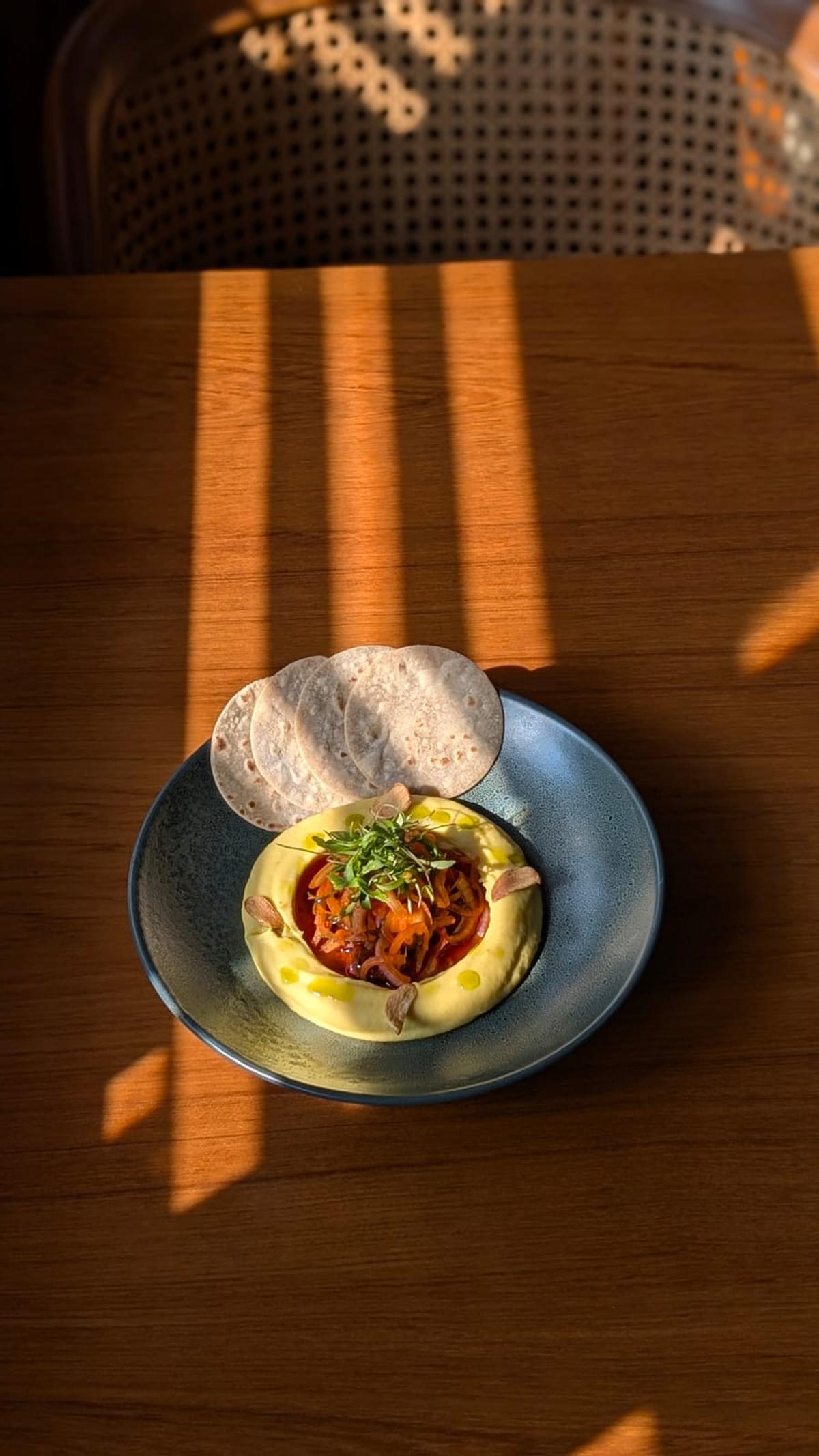
Sampath Tummala, owner of Spicy Venue and Theta Theta Telugu, highlights the shift from "rushed" to "celebratory" dining. "There has to be a distinction between a rushed lunch and one you plan to celebrate. Telugu food was long identified with the thali, but now it’s time for individual dishes to shine." By serving muddapappu hummus or rasam as an amuse-bouche, Tummala is repositioning regional staples within the framework of global fine-dining etiquette.
Chef Vignesh Ramachandran of Coffee Sangam points to the psychological shift in the consumer. "As Indians, we return to familiar flavors for comfort. It was time Hyderabad brought that into cafes. When you compare our regional cuisine with Western offerings, the variety and flavor give us an edge." This "comfort-first" approach has allowed traditional snacks like punugulu and nimmakaya guddu bonda to find a home in upscale cafe settings.
Implications: Cultural Tourism and Global Recognition
The implications of this shift extend beyond the borders of Hyderabad. There is a growing movement to position Telugu cuisine as a candidate for global recognition, much like the Mediterranean diet or Italian cuisine.
1. Culinary Tourism
Gopi Bylapula of the Culinary Lounge suggests that showcasing micro-cuisines can drive cultural tourism. "Hyderabad alone has thousands of eateries, yet very few celebrate the depth of micro-cuisines," he says. By mapping out the "intangible heritage" of the Deccan, Hyderabad could become a destination for food historians and global travelers seeking more than just a quick meal.
2. The "UNESCO" Aspiration
Bylapula points to the 2025 UNESCO inscription of Italian cuisine as a benchmark. He argues that Telugu cuisine, with its centuries-old techniques and focus on sustainability (seen in the use of millets and seasonal greens), deserves a similar global platform. The move toward "archival" cooking at places like Terrai is a step in this direction, treating recipes as historical artifacts.

3. Economic Revitalization of Local Supply Chains
The demand for regional specialties is also reviving local supply chains. The use of specific short-grain rice varieties, hand-pressed oils, and regional spices (like the Guntur chili or the specific mustard powders of Uttar Andhra) provides an economic boost to rural producers who were previously overlooked by the mass-market biryani industry.
4. The End of the "Kebabs vs. Everything" Era
For the local diner, the rise of the "Telugu-forward" space is a welcome reset. As Ankita Choudhary, founder of the ad agency Concept Crate, puts it: "Kodi vepudus and roasts offer a textured alternative to the overkill of kebabs." The success of restaurants like Telugu Medium Kitchen & Bar and Maredumilli – The Forest Grill & Bar proves that the modern Hyderabadi is looking for complexity and texture over the heavy fats and creams of standard commercial fare.
Conclusion
Hyderabad is no longer a one-dish city. While the Biryani will always remain its most famous ambassador, the "widening table" reflects a city that is growing more confident in its own diverse skin. By embracing the hyperlocal, the "homely," and the archival, Hyderabad is proving that its culinary future lies in its deep, multifaceted past. Whether it is a stone pot of bubbling fish curry or a delicate cup of rasam, the flavors of the Deccan are finally receiving the spotlight they deserve.
