

Introduction
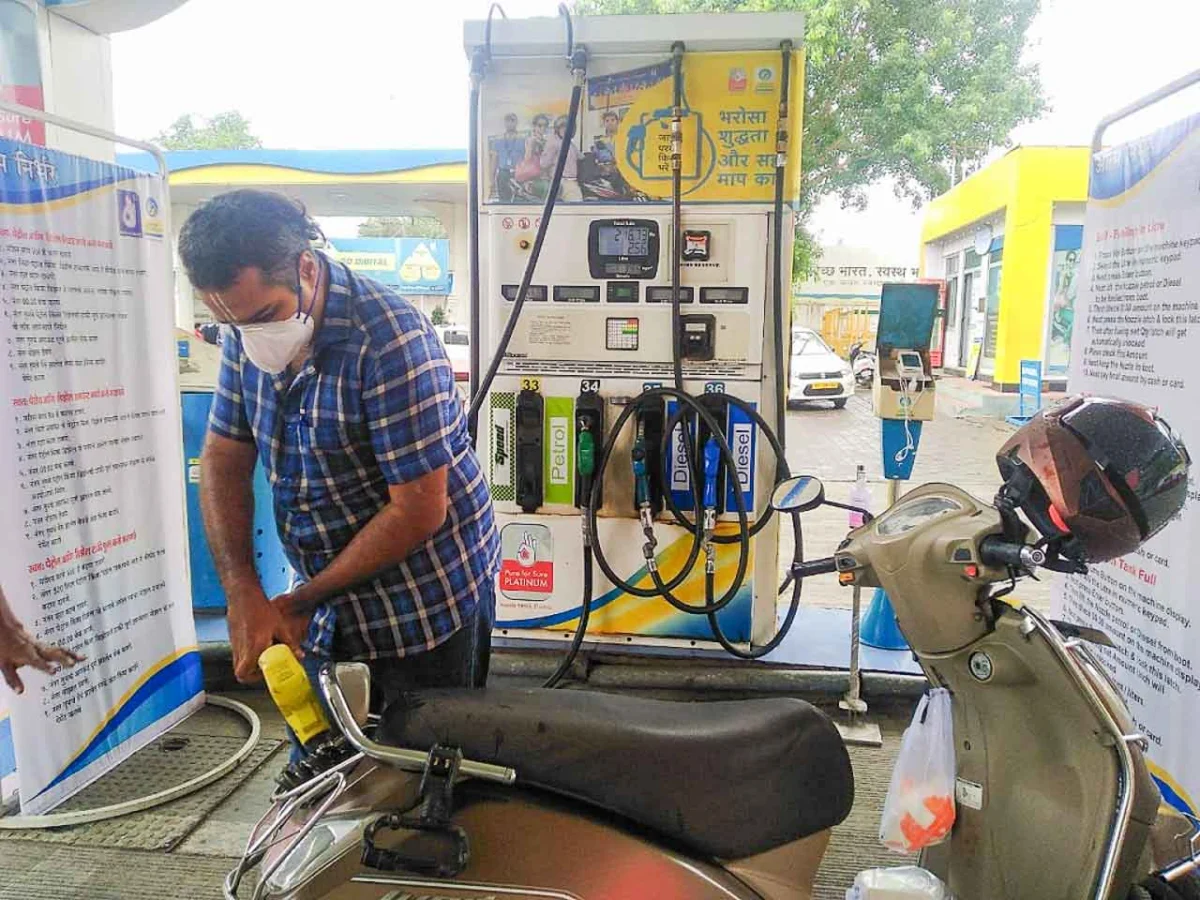
In a comprehensive effort to stabilize public perception and reaffirm its commitment to renewable energy, the Government of India, through the Ministry of Petroleum and Natural Gas (MoPNG), has issued a definitive clarification regarding the nation’s Ethanol Blending Programme (EBP). This move comes as social media platforms have become a breeding ground for concerns ranging from mechanical reliability to bizarre claims of insect infestations. While the Press Information Bureau (PIB) statement successfully addresses several "myths," it has also drawn criticism for what it remains silent on: the tangible economic impact on the average vehicle owner and the inevitable drop in fuel efficiency.
As India accelerates toward its goal of 20% ethanol blending (E20) by 2025-26, the friction between macroeconomic benefits and microeconomic realities is becoming increasingly apparent. This report explores the core facts of the government’s defense, the timeline of the E20 rollout, the technical data supporting both sides of the argument, and the long-term implications for the Indian automotive landscape.
1. Main Facts: The Government’s Defense of E20
The primary objective of the PIB’s recent communication was to provide "scientific validation" for E20 fuel—a blend of 20% anhydrous ethanol and 80% motor spirit (petrol). The government’s stance is built on three pillars: safety, rigorous testing, and the debunking of misinformation.
Debunking the "Ant Myth" and Insect Attraction
One of the more unusual claims circulating online suggested that ethanol-blended fuel attracts ants and other insects due to its organic origins (primarily sugarcane). The government’s clarification was blunt: the ethanol used in fuel is an industrial-grade product that undergoes extensive distillation and processing. It contains no residual sugars or "sweetness" that would attract pests.
Engine Reliability and Insurance
The Ministry stated that there have been no widespread or systemic reports of engine failure directly attributable to E20 fuel since its phased introduction. Furthermore, the government addressed fears regarding insurance, clarifying that the use of government-mandated E20 fuel does not void vehicle warranties or insurance policies, provided the vehicle is operated according to manufacturer guidelines.
Water Contamination and Hygroscopy
Ethanol is hygroscopic, meaning it attracts and holds water. Critics have long argued that this leads to "phase separation," where water settles at the bottom of the fuel tank, potentially causing rust or engine stalling. The PIB statement counters this by highlighting that Oil Marketing Companies (OMCs) follow strict protocols to ensure the fuel remains moisture-free during storage and transport, and that modern fuel systems are designed to mitigate these risks.
2. Chronology: The Road to E20
The journey toward E20 has been a decade-long strategic maneuver aimed at reducing India’s staggering crude oil import bill.
- 2003: The Ethanol Blending Programme (EBP) was launched on a pilot basis in select states with a 5% blending target.
- 2018: The National Policy on Biofuels was notified, setting an ambitious target of 20% blending by 2030.
- 2021: Observing the rapid progress in ethanol production capacity, the Prime Minister’s Office advanced the E20 deadline from 2030 to 2025-26.
- April 2023: Phase 1 of the E20 rollout began in 11 states and Union Territories. Simultaneously, the Indian automotive industry shifted to BS6 Phase 2 (RDE) norms, requiring all new vehicles to be "E20 material compliant."
- 2024: The government issued the current clarification to address mounting public anxiety as E20-blended petrol became more common at retail outlets across the country.
3. Supporting Data: The Science of Ethanol vs. Petrol
To understand the government’s defense and the consumer’s grievance, one must look at the chemical properties of the fuel.
Energy Density and Calorific Value
The most significant technical hurdle for ethanol is its energy density. Pure ethanol contains approximately 33% less energy per unit volume than pure gasoline.
- Pure Petrol: ~32-34 MJ/L (Megajoules per Liter)
- Pure Ethanol: ~21-23 MJ/L
- E20 Blend: Scientific estimates suggest that E20 has approximately 6% to 7% less energy than unblended petrol.
Macroeconomic Impact
The government’s push is backed by impressive fiscal data:
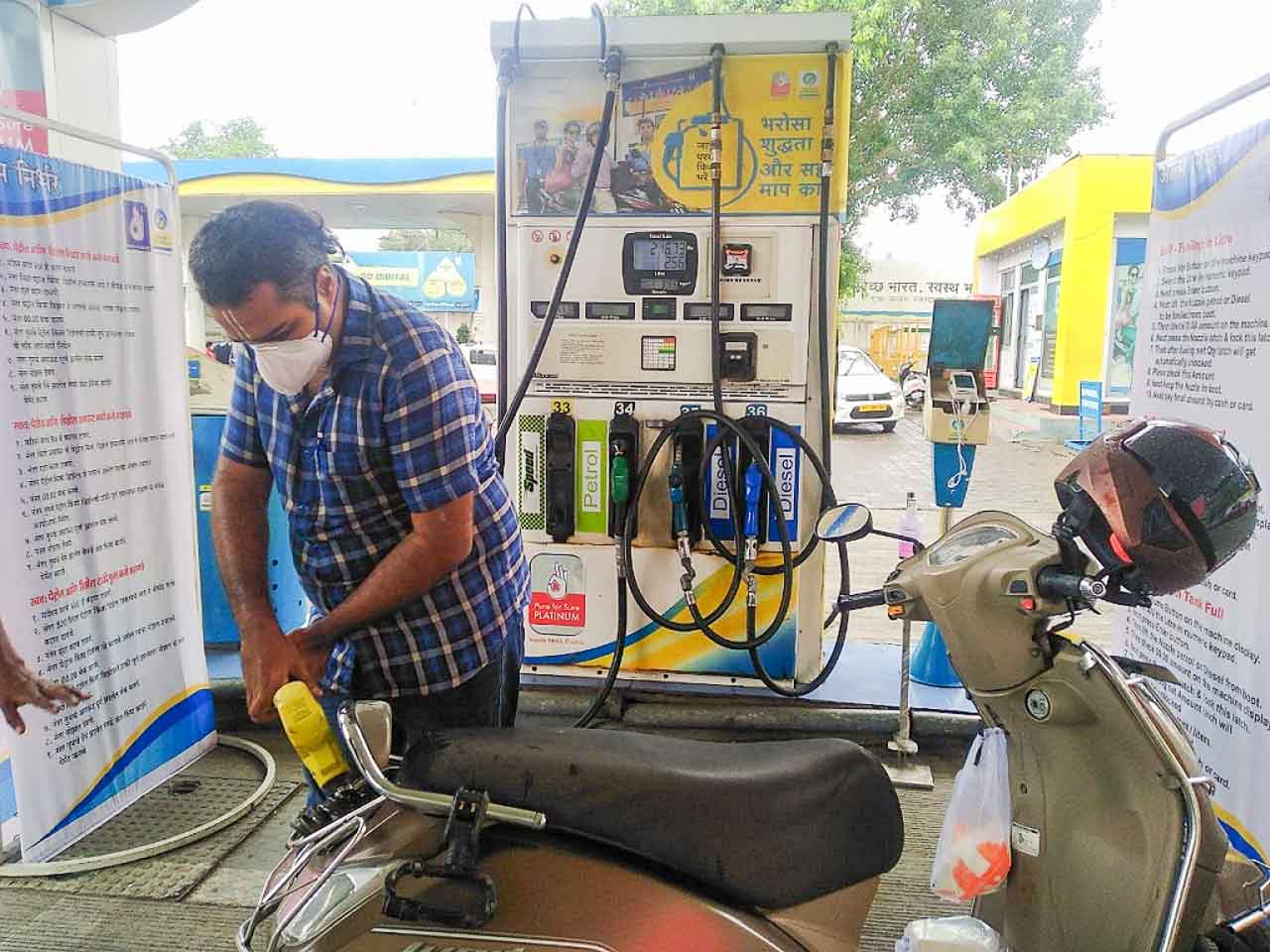
- Forex Savings: Between 2014 and 2023, ethanol blending has saved India over ₹24,300 crore in foreign exchange.
- Agricultural Support: Over ₹19,000 crore has been paid to distillers and sugar mills, which in turn helps in timely payments to sugarcane farmers.
- Carbon Emissions: Ethanol is oxygenated, leading to more complete combustion and a reduction in carbon monoxide (CO) and hydrocarbon (HC) emissions by up to 20-30% in some vehicle categories.
4. Official Responses: Stakeholders and Standards
The government emphasizes that the E20 rollout is not a unilateral decision but a collaborative effort involving various high-level stakeholders.
Ministry of Petroleum and Natural Gas (MoPNG)
The Ministry asserts that the fuel meets the Bureau of Indian Standards (BIS) specifications (IS 17021:2018). They argue that the "material compatibility" of vehicles has been addressed through consultations with the Society of Indian Automobile Manufacturers (SIAM).
Oil Marketing Companies (OMCs)
Companies like IOCL, BPCL, and HPCL have invested heavily in infrastructure to handle ethanol. They maintain that the blending process is automated and precise, ensuring that the 20% limit is never exceeded, which is a common fear among owners of older vehicles.
Automotive Manufacturers
Since April 2023, OEMs (Original Equipment Manufacturers) have redesigned fuel lines, gaskets, and seals to withstand the corrosive nature of ethanol. However, for vehicles manufactured prior to this date, the industry recommendation remains a cautious "E10 compatibility," leaving a vast fleet of older Indian vehicles in a technical gray area.
5. Implications: The "Silent Gap" in the Official Statement
While the PIB statement is robust in its defense of safety, it is notably silent on the economic and efficiency concerns that affect the daily lives of citizens.
The Fuel Efficiency Penalty
The government’s clarification avoided discussing the "mileage drop." Independent tests and automotive experts agree that because of the lower energy density of ethanol, a vehicle must burn more fuel to produce the same amount of power. For an E20-compliant car, owners can expect a 6-7% decrease in fuel economy compared to running on pure petrol.
The Cost-per-Kilometer Dilemma
This leads to a significant financial implication. Currently, E20 fuel is sold at the same retail price as previous blends (or with negligible differences) in most regions. If a consumer pays the same price for a liter of fuel but travels 7% less distance, the effective cost of travel has increased. The PIB statement does not address whether the government plans to pass on the lower production cost of ethanol (which is cheaper than imported petrol) to the consumer to offset the mileage loss.
Impact on Older Vehicles
There is a looming concern for the millions of BS4 and early BS6 vehicles on the road. While the government claims no "widespread failures," the long-term effects of ethanol on non-compliant rubber hoses and plastic components include hardening and cracking, which could lead to fuel leaks over a 5-to-10-year period. The official response lacks a roadmap for owners of legacy vehicles who may be forced to use E20 fuel as E10 or E5 blends are phased out.
Technical Adaptation vs. Consumer Education
The lack of a "monetary benefit" for the consumer is the most significant hurdle for public acceptance. While the environmental and macroeconomic benefits are clear (lower emissions and reduced imports), the individual driver sees only a higher frequency of refueling. Without a transparent discussion on pricing or a clear "E20 discount" at the pump, the government risks further alienation of the motoring public.
Conclusion
The Government of India’s defense of E20 fuel is a necessary step in curbing misinformation and ensuring the smooth transition of a massive national energy project. By debunking myths about insects and insurance, the PIB has cleared some of the fog surrounding the Ethanol Blending Programme.
However, a "scientific validation" that ignores the economics of the fuel tank is incomplete. For the E20 program to be truly successful and gain public trust, the government must address the "silent gaps": the drop in mileage, the increased cost-per-kilometer, and the long-term maintenance of India’s legacy vehicle fleet. As the nation moves toward a greener future, transparency regarding both the benefits and the costs will be the only way to ensure that the road to E20 is a smooth one for every Indian motorist.
