

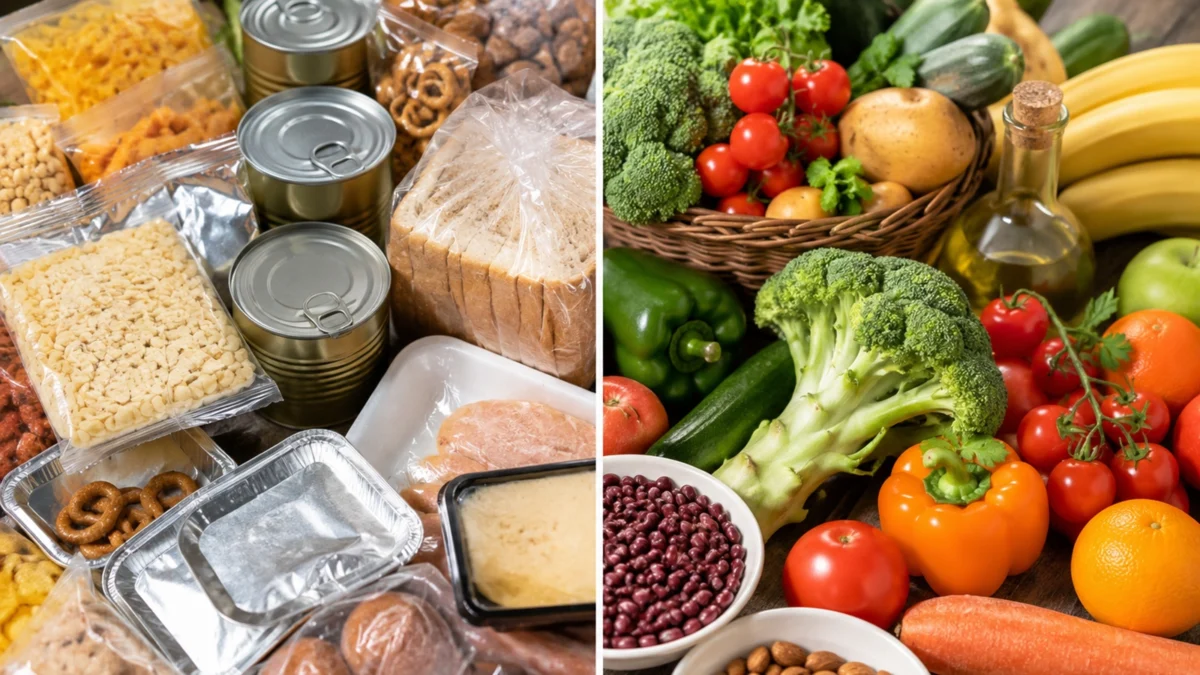
In an era where dietary advice is as abundant as the products on supermarket shelves, a recent viral commentary by spiritual leader Sadhguru Jaggi Vasudev has reignited a fierce debate over the consumption of packaged versus fresh foods. Sadhguru, the founder of the Isha Foundation, frequently shares insights on holistic living, often blending traditional yogic wisdom with modern lifestyle observations. His recent assertions regarding the "vibrational" and nutritional quality of food have prompted both widespread interest and critical analysis from the scientific community.
The core of the controversy lies in the distinction between "living" food and "dead" food—a concept central to yogic philosophy but often at odds with the logistics of modern global food systems. As consumers increasingly lean on the convenience of packaged goods, the tension between shelf-life and biological vitality has become a focal point for health practitioners and nutritionists alike.
Main Facts: The "Dead Food" Argument
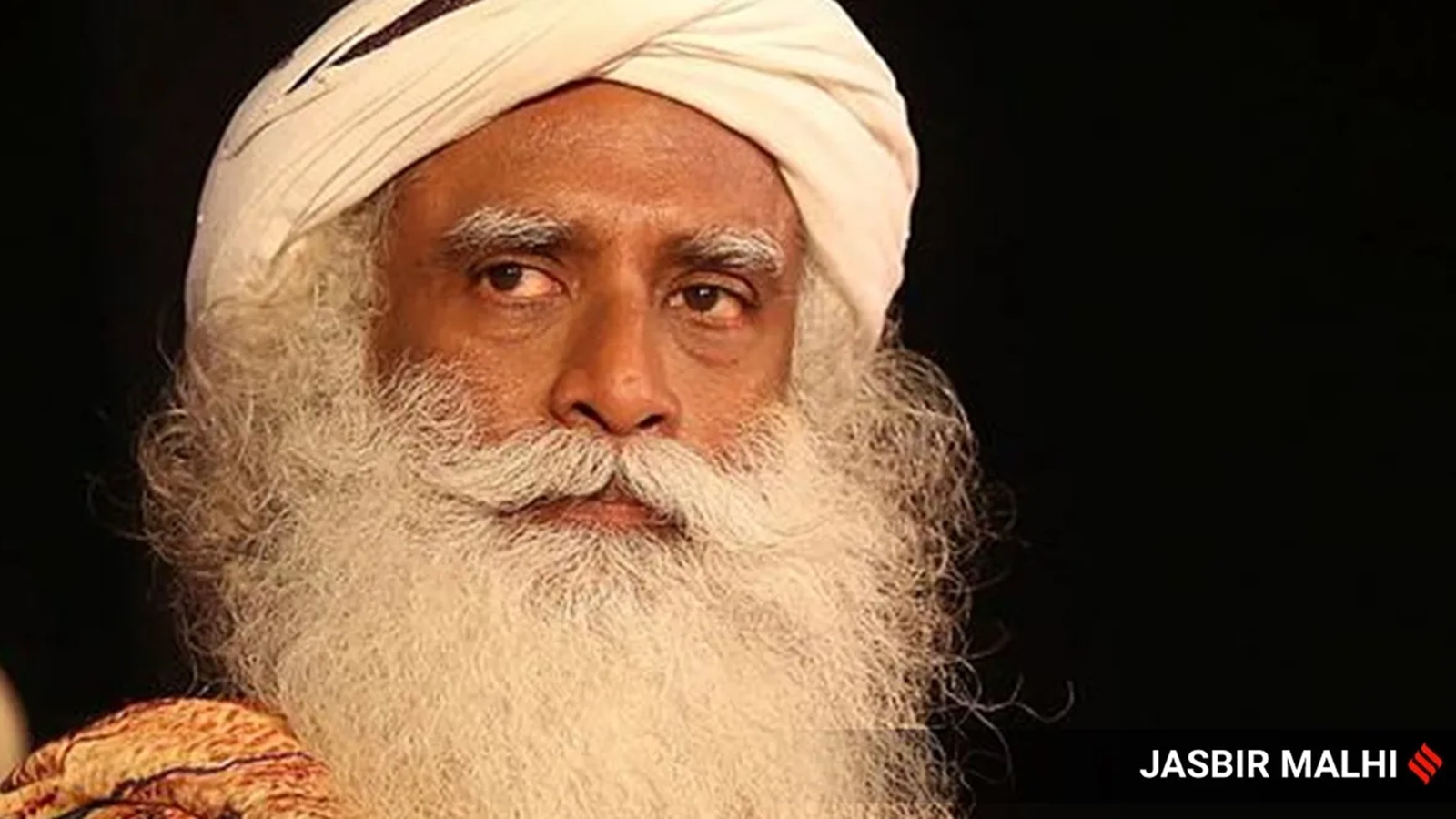
The discussion began following an Instagram video posted by Sadhguru, in which he cautioned his followers against the habitual consumption of packaged and refrigerated items. His argument hinges on the age of the food and its subsequent effect on the human body’s energy levels, which he refers to as "inertia."
According to Sadhguru, a significant portion of the modern diet consists of items that are at least one to three months old. He pointed specifically to bread and refrigerated products, noting that the expectation for "warm, fresh bread" has been replaced by an acceptance of items that have sat in cold storage for weeks.
"When you eat that, it will cause a lot of inertia in the system," Sadhguru stated. "When inertia comes into the system, you sleep more and more." He proposed a radical alternative: a one-week fruit-based diet. He claimed that such a shift could reduce an individual’s sleep requirement by one to two hours, attributing this to the "fresh and alive" nature of raw produce. His concluding remark—"You are putting dead food into a living body, wrong thing to do"—encapsulates a philosophy that prioritizes the "prana" (life force) of food over its caloric or chemical composition.
Chronology: The Evolution of Food Preservation
To understand the weight of this debate, one must look at the chronological shift in human consumption patterns over the last century:
- The Pre-Industrial Era: For millennia, human diets were dictated by seasonality and proximity. Food was consumed within days, if not hours, of harvest. Preservation was limited to natural methods like drying, salting, or fermentation.
- The Rise of Canning (19th Century): The Napoleonic wars spurred the invention of canning, allowing food to be transported over long distances and stored for years. This marked the first major step away from "freshness" toward "stability."
- The Refrigeration Boom (Mid-20th Century): The widespread adoption of home refrigerators and freezers in the 1940s and 50s changed the domestic landscape. It allowed for the "weekly grocery shop," moving society away from daily market visits.
- The Ultra-Processed Era (1980s–Present): The late 20th century saw the perfection of food engineering. Preservatives, emulsifiers, and sophisticated packaging technology extended the shelf life of products to months and even years, leading to the current state where "freshness" is often a marketing term rather than a biological reality.
- The Modern Backlash: In the last decade, there has been a significant "clean eating" movement, with figures like Sadhguru advocating for a return to ancestral eating patterns, citing a decline in national energy levels and a rise in chronic "lifestyle" diseases.
Supporting Data: The Science of Freshness and Inertia
Sadhguru’s use of the term "inertia" (or tamas in yogic terminology) finds an interesting parallel in the medical concept of postprandial somnolence, commonly known as a "food coma."
Nutrient Degradation Over Time
Scientific data supports the claim that certain nutrients diminish as food ages. Vitamins such as Vitamin C and various B vitamins are highly sensitive to light, oxygen, and heat. For instance, spinach can lose up to 50% of its Vitamin C content within 24 hours of being harvested if kept at room temperature. Even in refrigerated conditions, the decline continues, albeit more slowly.
The Enzyme Factor
The "alive" quality Sadhguru refers to can be scientifically linked to food enzymes. Raw, fresh foods contain active enzymes that aid in the initial stages of digestion. While the human body produces its own digestive enzymes, proponents of raw food diets argue that "living" enzymes reduce the metabolic burden on the body, potentially explaining the increased energy levels and reduced sleep needs mentioned in the viral video.
The Glycemic Load and Sleep
The "fruit diet" Sadhguru suggests often results in a lower glycemic load compared to a diet heavy in processed breads and packaged meals. High-carbohydrate, processed foods can cause spikes and subsequent crashes in blood sugar, leading to lethargy and increased sleepiness. By switching to fresh fruits, the body receives a more regulated supply of fructose and fiber, which can indeed stabilize energy levels.
Official Responses: The Dietitian’s Perspective
While spiritual perspectives focus on energy, clinical nutritionists focus on safety and chemical stability. Dt Amreen Sheikh, Chief Dietitian at KIMS Hospitals, Thane, provided a nuanced rebuttal to the idea that all packaged food is "dead" or harmful.
The Safety vs. Age Argument
Sheikh acknowledges that packaged foods are designed for longevity, often reaching consumers months after production. However, she emphasizes that age does not inherently equate to toxicity. "What matters is whether the product has been manufactured, stored, transported, and consumed within the recommended shelf-life period," she explained. Modern packaging, such as vacuum sealing and modified atmosphere packaging (MAP), is designed to prevent microbial growth and oxidative rancidity.
Nutrient Stability
Addressing the decline of quality, Sheikh noted that while sensitive vitamins may decrease, the foundational building blocks of nutrition remain intact. "Protein, fats, and carbohydrates generally remain stable for longer periods," she said. This suggests that while a 3-month-old packaged meal might lack the "spark" of a fresh salad, it still provides the necessary fuel for bodily functions.
The "Processing" Distinction
A critical point made by Sheikh is the need to distinguish between "packaged" and "ultra-processed."
- Healthy Packaged Foods: Milk, yogurt, nuts, frozen vegetables, and whole-grain oats are technically "packaged" and often "old," yet they remain staples of a healthy diet.
- Ultra-Processed Foods (UPFs): These are items containing high levels of added sugars, sodium, and trans fats.
"Packaging itself is not the issue; the nutritional profile of the product matters more," Sheikh asserted.
Implications: Navigating a Packaged World
The debate between Sadhguru’s yogic philosophy and modern dietetics highlights a growing dilemma for the contemporary consumer. The implications of this discourse reach into several areas of daily life:
1. The Socioeconomic Reality
While a "fresh and alive" diet is ideal, it is often a luxury of time and geography. For urban populations or those living in "food deserts," packaged foods provide an essential source of affordable, shelf-stable nutrition. The challenge lies in moving consumers away from "junk" packaging toward "healthy" packaging.
2. The Label Literacy Movement
As suggested by Dt Amreen Sheikh, the burden of health now rests on the consumer’s ability to read and interpret labels. The "Informed Choice" model suggests that checking for manufacturing dates, sodium levels, and hidden sugars is more effective than a blanket ban on all packaged goods.
3. The Psychological Impact of Food
Sadhguru’s focus on "inertia" touches on the psychological and energetic relationship humans have with food. There is a growing body of research into the "gut-brain axis," suggesting that what we eat directly influences our mood and cognitive clarity. If a person feels more lethargic after eating processed food, that subjective experience is becoming increasingly recognized by science as a valid biological feedback loop.
4. Environmental and Practical Balance
The quest for 100% fresh food also raises questions about food waste. Fresh produce has a high spoilage rate, contributing to global waste. Strategically using high-quality packaged goods (like frozen vegetables, which are often frozen at the peak of freshness) can offer a middle ground between Sadhguru’s "alive" ideal and the realities of modern logistics.
Conclusion: Finding the Equilibrium
The viral popularity of Sadhguru’s advice—trending on Google for over 24 hours—underscores a collective yearning for higher vitality in an increasingly automated world. While his terminology of "dead food" may be provocative, it aligns with a growing scientific consensus that ultra-processed diets are linked to various health issues, including chronic fatigue.
However, as experts like Amreen Sheikh point out, the solution may not be the total abandonment of packaged goods, but rather a more discerning approach to them. The goal for the modern consumer should be a "Foundation of Freshness"—prioritizing fruits, vegetables, and local produce—while utilizing high-quality, minimally processed packaged goods as a practical supplement.
Ultimately, the choice between a "living" diet and a "convenient" one is a personal balance. Whether through the lens of spiritual "inertia" or clinical "nutritional density," the message is clear: the closer food is to its natural state, the more likely it is to support a vibrant, high-energy lifestyle.
DISCLAIMER: This article is based on information from the public domain and interviews with health experts. The views expressed by spiritual leaders are philosophical in nature. Always consult your health practitioner or a registered dietitian before making significant changes to your diet or starting a new nutritional routine.
