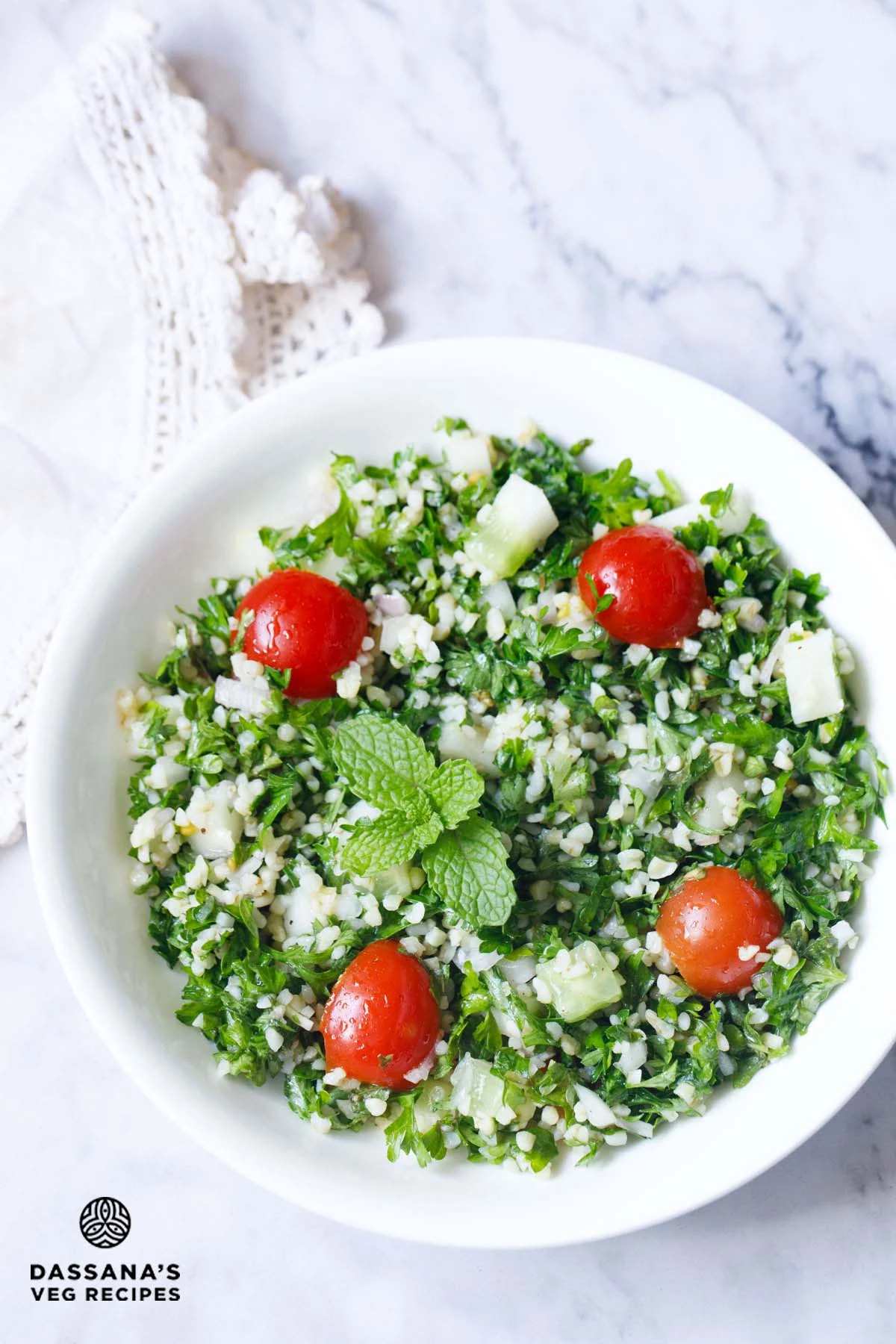
The global culinary landscape has seen a profound shift toward plant-based, nutrient-dense diets, but few dishes have maintained their integrity and popularity as consistently as Tabbouleh. More than just a side dish, Tabbouleh (also spelled tabouli or tabbouli) represents a pinnacle of Levantine culinary philosophy: the celebration of fresh, seasonal herbs balanced by the earthy texture of ancient grains. While often categorized as a "grain salad" in Western supermarkets, authentic Tabbouleh is, in fact, a herb-forward masterpiece where parsley reigns supreme and bulgur wheat serves as a subtle, textural accent.
Main Facts: The Anatomy of an Authentic Classic
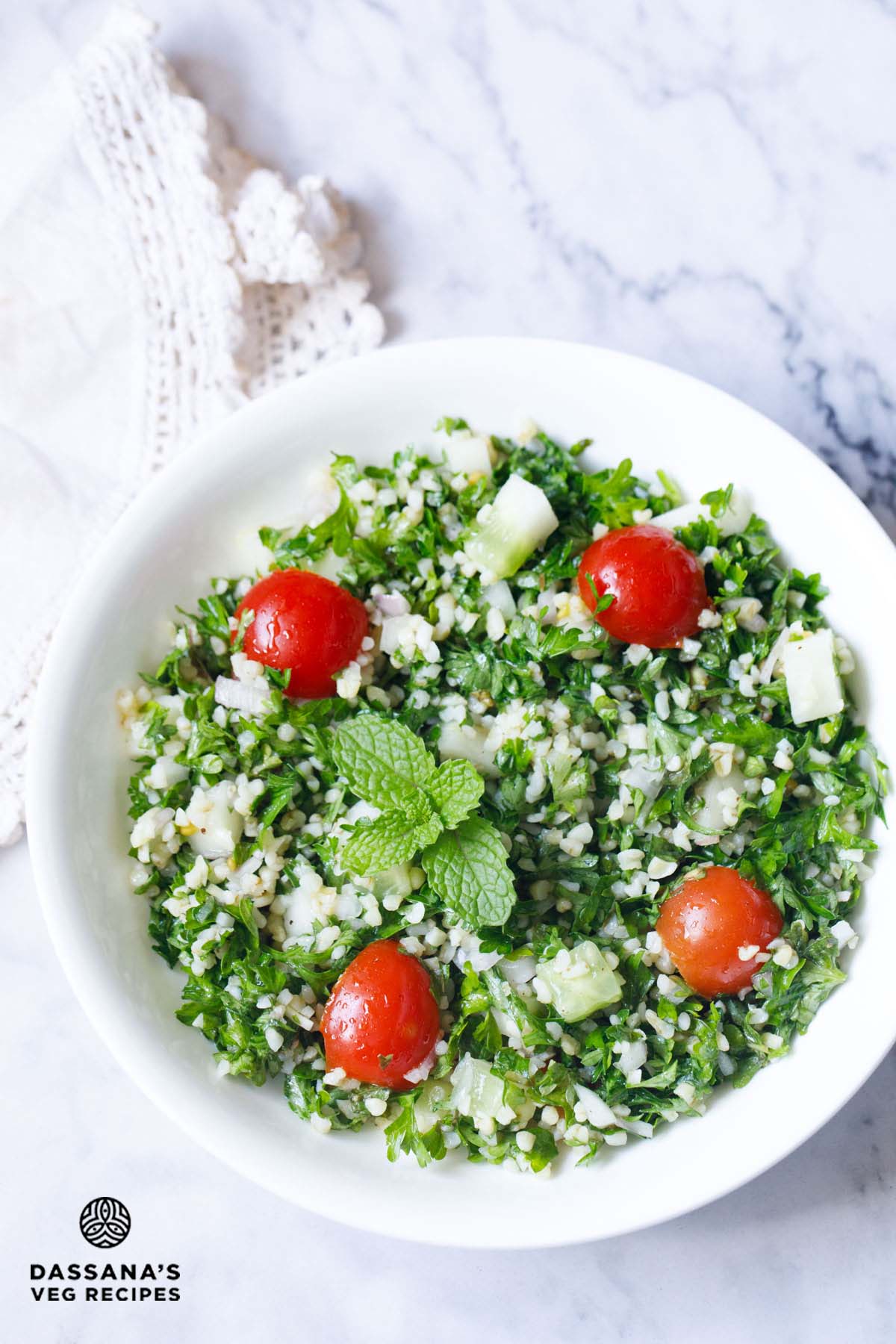
Tabbouleh is a traditional Middle Eastern salad originating from the mountains of Lebanon and Syria. Its hallmark is a vibrant, verdant profile achieved through a high concentration of finely chopped flat-leaf parsley and fresh mint. Unlike many modern interpretations that use bulgur wheat as a base, the traditional Lebanese version treats the grain as a minor ingredient, added sparingly to provide a slight "chew" and to absorb the juices of the vegetables and dressing.
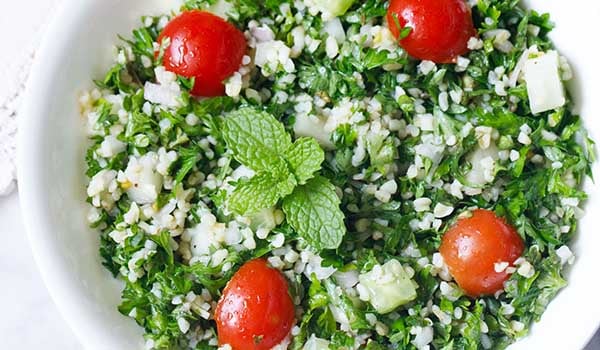
The core components of a traditional Tabbouleh include:
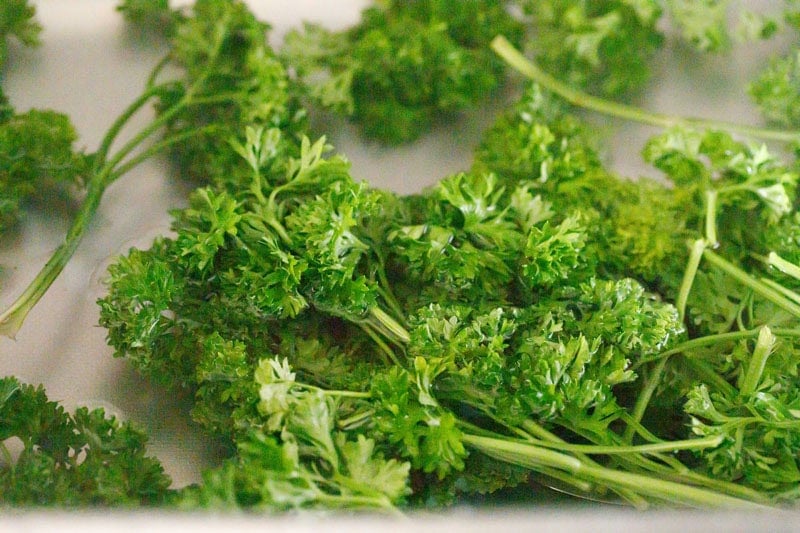
- Fresh Herbs: Primarily Italian flat-leaf parsley (though curly parsley is used for volume) and fresh spearmint.
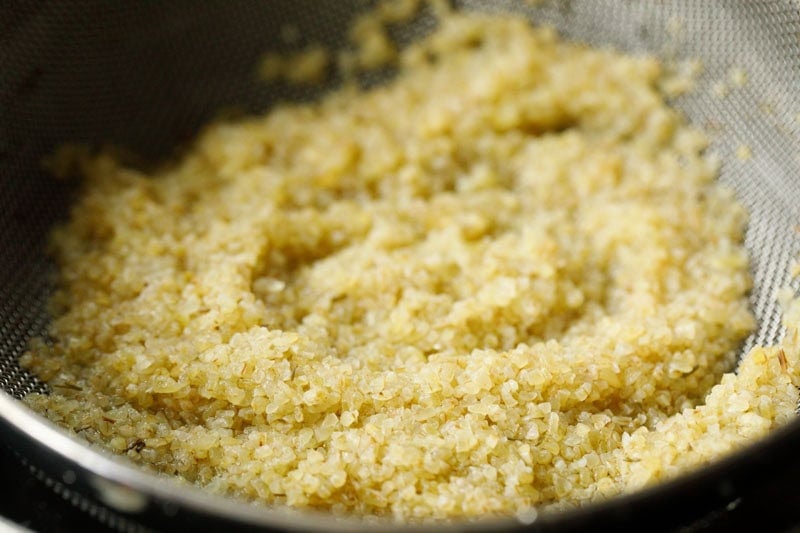
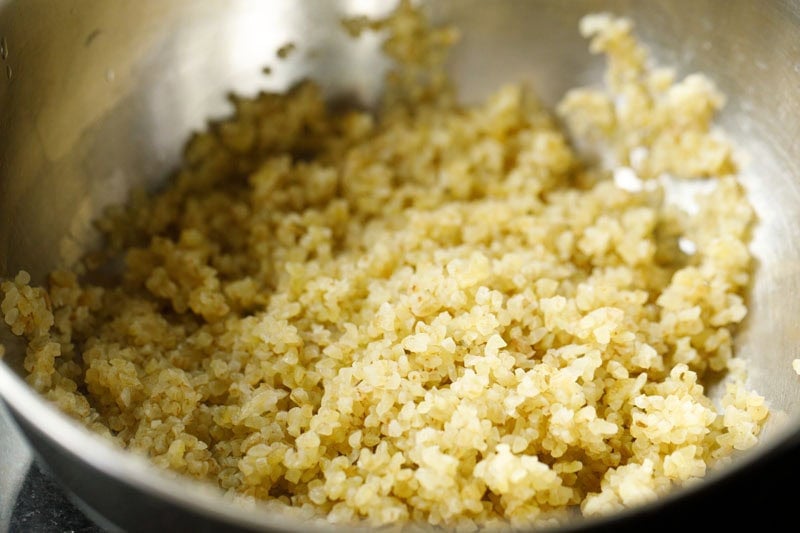
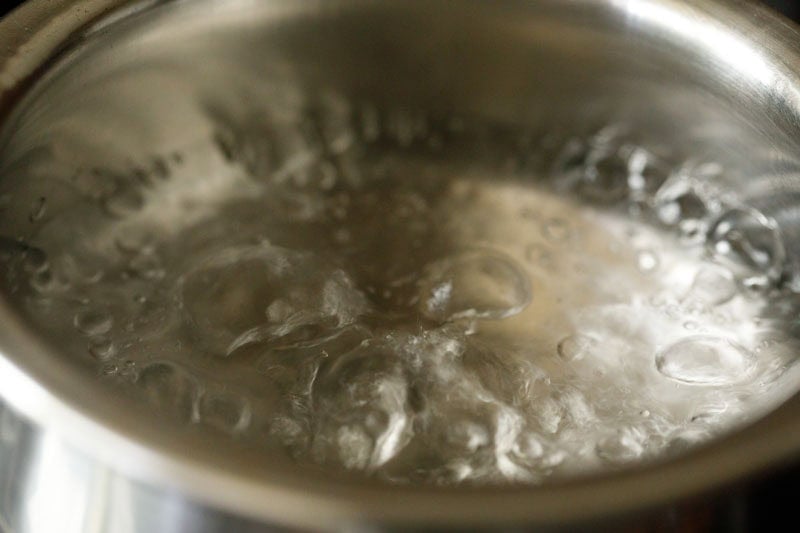
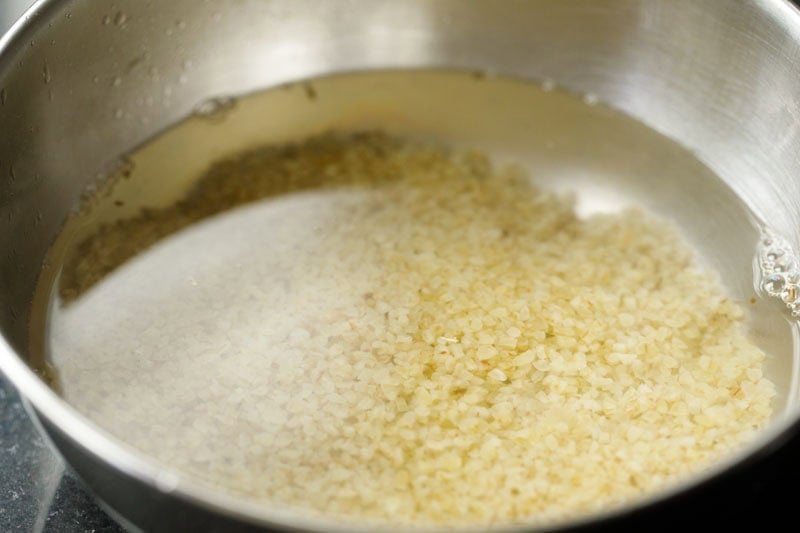
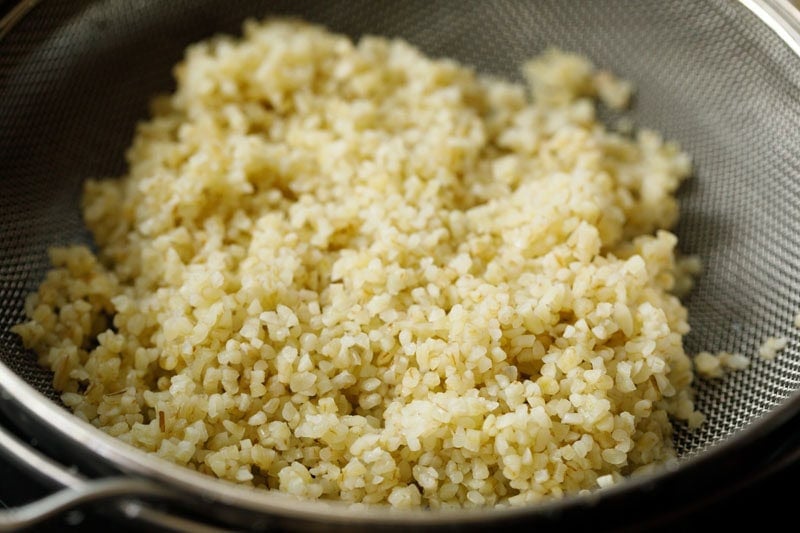
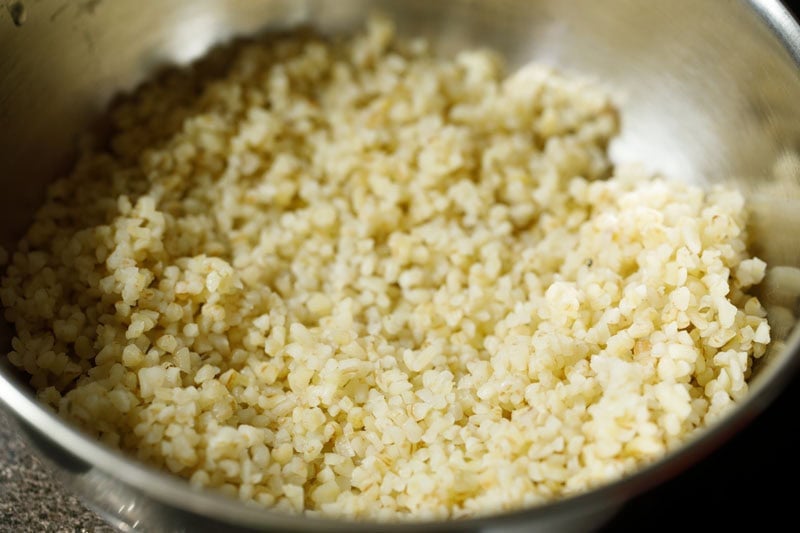
- Bulgur Wheat: Specifically fine or extra-fine cracked wheat, which requires soaking rather than extensive boiling.
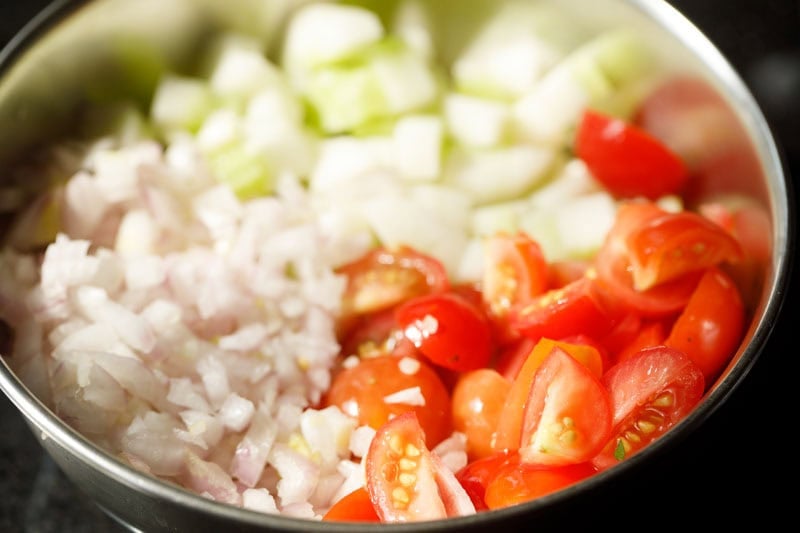
- Vegetables: Ripe tomatoes, red onions (or scallions), and occasionally cucumbers for added crunch.
- The Dressing: A minimalist yet potent emulsion of high-quality extra virgin olive oil, freshly squeezed lemon juice, sea salt, and cracked black pepper.
In its authentic form, Tabbouleh is naturally vegan and serves as a cornerstone of the mezze—the traditional spread of small plates that precedes a main meal in Middle Eastern culture. It is frequently paired with hummus, falafel, baba ganoush, and warm pita bread, acting as a refreshing palate cleanser against richer, oilier dishes.
Chronology: From the Fertile Crescent to Global Superfood
The history of Tabbouleh is inextricably linked to the history of the "Fertile Crescent," the region in the Middle East where agriculture first flourished.
The Ancient Roots (Pre-19th Century)
The use of bulgur wheat dates back thousands of years. As one of the world’s first "convenience foods," bulgur—wheat parboiled, dried, and cracked—was a staple for ancient populations because of its long shelf life and ease of preparation. The word "Tabbouleh" is derived from the Arabic word tabbil, meaning "to spice" or "to season." Historically, the dish was a way for rural populations in the mountains of Lebanon to utilize the abundant wild herbs and garden vegetables available during the spring and summer months.
The 20th Century: National Identity
By the mid-20th century, Tabbouleh had transitioned from a regional peasant dish to a symbol of Lebanese national identity. As the Lebanese diaspora spread across the Americas, Europe, and Australia, they brought the recipe with them, introducing the West to the concept of a salad where greens were the main course rather than a garnish. In 2001, Lebanon even established "National Tabbouleh Day," celebrated on the first Saturday of July, to honor the dish’s cultural significance.
The 21st Century: The Health Revolution
In the last two decades, Tabbouleh has undergone a global renaissance. Driven by the "Mediterranean Diet" trend—widely cited by doctors as one of the healthiest eating patterns in the world—Tabbouleh moved from ethnic grocery stores to mainstream health food aisles. However, this globalization led to "bulgur-heavy" versions, prompting a push from culinary purists to return to the herb-centric traditional methods.
Supporting Data: The Science of Texture and Nutrition
The success of Tabbouleh lies in the meticulous preparation of its ingredients. Culinary experts emphasize that the dish is a test of a chef’s knife skills.
The "Dryness" Factor
A common failure in Tabbouleh preparation is excess moisture. Professional standards dictate that the parsley and mint must be washed and then dried completely—often using a salad spinner or by spreading them on kitchen towels for hours—before chopping. If the herbs are wet when cut, they turn into a sodden paste rather than remaining light and airy. Furthermore, traditionalists insist that herbs must be hand-chopped with a sharp knife; using a food processor bruises the cell walls of the parsley, leading to oxidation and a bitter, "swampy" flavor profile.
Nutritional Profile
From a nutritional standpoint, Tabbouleh is a powerhouse. A standard serving (approximately 150-200g) contains:
- Calories: 233 kcal
- Vitamin K: Over 500% of the Daily Value (DV), essential for bone health and blood clotting.
- Vitamin A: 3,063 IU, supporting vision and immune function.
- Vitamin C: 59 mg, providing a significant antioxidant boost.
- Fiber: 6g, aiding in digestion and satiety.
- Minerals: Significant amounts of Potassium (440mg), Magnesium (64mg), and Iron (3mg).
The combination of healthy fats from extra virgin olive oil and the low glycemic index of bulgur wheat makes it an ideal dish for blood sugar management and heart health.
Official Responses: Culinary Standards and Expert Opinions
The culinary world maintains a rigorous debate over what constitutes "true" Tabbouleh. The Lebanese Academy of Gastronomy and various regional culinary unions have long advocated for the preservation of the traditional ratios.
"The most common mistake we see in international kitchens is treating Tabbouleh like a couscous salad," says Chef Amira Haddad, a specialist in Levantine cuisine. "In Lebanon, the bulgur is almost invisible. It is there to provide a slight crunch, a ‘whisper’ of grain. When the salad looks brown or beige because of too much wheat, it is no longer Tabbouleh; it is a grain pilaf."
Nutritionists also point to the importance of the dressing’s simplicity. Dr. Elena Rossi, a Mediterranean diet researcher, notes, "The use of lemon juice is not just for flavor; the acidity helps in the absorption of the non-heme iron found in the parsley. Meanwhile, the monounsaturated fats in the olive oil are essential for the body to process the fat-soluble vitamins (A and K) that the salad provides in abundance."
Furthermore, the choice of parsley is a point of contention. While flat-leaf (Italian) parsley is the traditional choice for its robust, peppery flavor, many modern chefs—including the author of the provided recipe—advocate for curly parsley in certain contexts. Curly parsley provides more volume and a lighter, fluffier texture, which can be preferable for those who find the flat-leaf variety too intense.
Implications: Cultural Diplomacy and Environmental Impact
The enduring legacy of Tabbouleh has implications that reach far beyond the kitchen. It serves as a form of "gastro-diplomacy," allowing Middle Eastern cultures to share their heritage through a medium that is universally understood: food.
Environmental Sustainability
As the world grapples with the environmental impact of meat production, Tabbouleh stands as a model for sustainable eating. It relies on hardy, low-water-input crops like parsley and wheat. By placing vegetables and herbs at the center of the plate, it aligns with the EAT-Lancet Commission’s recommendations for a "Planetary Health Diet," which emphasizes plant-based foods to reduce carbon footprints.
Culinary Evolution and Adaptation
The adaptability of Tabbouleh ensures its survival in a changing world. While purists maintain the standard recipe, modern variations have emerged to accommodate different dietary needs:
- Gluten-Free: Substituting bulgur with quinoa, hemp seeds, or finely chopped cauliflower.
- Seasonal Twists: Adding pomegranate arils in the winter or cucumber in the peak of summer for extra hydration.
- Spice Infusions: Incorporating the "Middle Eastern 7-Spice" blend (Baharat) for a deeper, more aromatic flavor.
The Preservation of Craft
Finally, the rise of Tabbouleh highlights a growing appreciation for "slow food." In an era of pre-packaged, processed meals, a dish that requires 30 minutes of careful hand-chopping is an act of mindfulness. It preserves the artisanal craft of cooking, reminding consumers that the quality of a dish is often proportional to the care taken in its preparation.
In conclusion, Tabbouleh is much more than a simple mixture of herbs and grain. It is a historical record of the Fertile Crescent, a nutritional goldmine, and a testament to the power of simple, high-quality ingredients. Whether served on a sun-drenched terrace in Beirut or as a quick lunch in a bustling Western city, it remains a refreshing, tangy, and vital component of the global menu. As we move toward a more health-conscious and environmentally aware future, the "Green Jewel of the Levant" is poised to remain a staple for generations to come.