

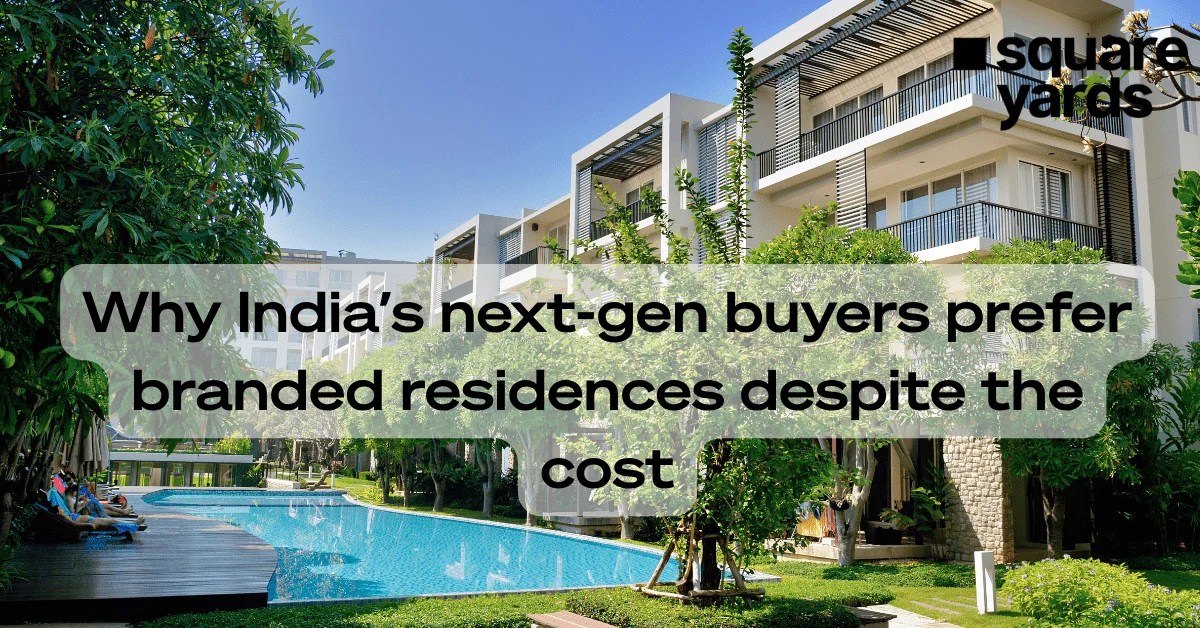
MUMBAI — The landscape of Indian real estate is undergoing a seismic shift. As we cross into the latter half of 2026, the traditional benchmarks of luxury—marble floors, gold-plated fixtures, and sprawling acreage—are being replaced by a new set of values: efficiency, brand pedigree, and frictionless living.
A new generation of affluent homebuyers, comprising tech entrepreneurs, global professionals, and second-generation business leaders, is pivoting away from traditional unbranded properties. In their place, "Branded Residences"—developments managed by or associated with prestigious international hospitality or lifestyle brands—have emerged as the gold standard for the modern Indian elite.
1. Main Facts: The Anatomy of a Market Pivot
The surge in demand for branded residences in India is not merely a trend but a fundamental change in consumer behavior. According to industry experts, the "Next-Gen" buyer is defined by a globalized worldview. Having lived or worked in hubs like London, Singapore, or San Francisco, these individuals seek a domestic lifestyle that mirrors the convenience and standards of international metropolises.
The Shift from ‘Space’ to ‘Service’
For decades, luxury in India was synonymous with the "bungalow culture" or large, independent villas. However, the logistical nightmares of managing private security, landscaping, and maintenance have soured the appeal of standalone properties. The modern buyer views homeownership through the lens of a service-oriented ecosystem. Branded residences offer a "plug-and-play" lifestyle where the brand takes over the fiduciary and operational responsibilities of the home.
The Brand as a Guarantee
In a market historically plagued by delivery delays and quality inconsistencies, the "brand" serves as a surrogate for trust. Whether it is a partnership with a global hotel chain or a high-end lifestyle label, the brand’s involvement ensures that the construction quality, aesthetic standards, and long-term maintenance adhere to a global benchmark.
2. Chronology: The Evolution of the Indian Luxury Home
To understand the current dominance of branded residences, one must look at the three-decade evolution of the Indian residential market.
Phase I: The Ancestral Plot (1990s – Early 2000s)
During this era, luxury was tied to land ownership. The affluent preferred to buy plots and build independent houses. Success was measured by the height of one’s gate and the exclusivity of the pin code. However, this model lacked integrated security and professional facility management.
Phase II: The Gated Community Boom (2005 – 2018)
As urban density increased, developers began offering high-rise apartments with shared amenities like swimming pools and clubhouses. This was the era of "amenitization." While a step up in terms of security, these projects often suffered from poor long-term maintenance once the developer handed the project over to a Residents’ Welfare Association (RWA).
Phase III: The Pandemic Pivot (2020 – 2023)
The COVID-19 pandemic acted as a catalyst. The home became an office, a school, and a wellness center. This period highlighted the need for professional facility management and high-speed infrastructure. Buyers began looking for homes that could offer "resort-style" living 365 days a year.
Phase IV: The Era of Branded Residences (2024 – Present)
By 2026, the market has matured into the "Branded Era." High-Net-Worth Individuals (HNIs) no longer want to manage their homes; they want their homes to be managed for them. The entry of global hospitality giants into the Indian residential space has finalized this transition.
3. Supporting Data: The Economics of the Branded Premium
The preference for branded homes is backed by compelling financial data. Real estate in India is no longer just a lifestyle choice; it is a sophisticated asset class.
Capital Appreciation and Resale Liquidity
Data suggests that branded residences in Tier-1 cities like Mumbai, Bengaluru, and Delhi-NCR command a price premium of 25% to 35% over non-branded luxury projects in the same micro-market. More importantly, these assets demonstrate higher liquidity. In the secondary market, a branded property typically sells 40% faster than an unbranded one, as the brand name acts as a permanent certificate of quality.
Rental Yields
For the investor-buyer, branded residences are highly lucrative. Due to the high standard of maintenance and the "hotel-like" services (concierge, housekeeping, valet), these properties command rental yields that are 2% to 3% higher than the market average. In cities like Goa and Alibaug, where vacation homes are popular, branded residences have become the preferred choice for NRIs seeking stable, hands-off investment returns.
The Wealth Factor
The rise of the "Indian Unicorn" has created a younger demographic of wealth. With over 100 unicorns and thousands of "soonicorns," the average age of the luxury homebuyer has dropped from 50+ to the mid-30s. This demographic values time over almost any other commodity, directly fueling the demand for frictionless living.
4. Official Responses: Insights from Industry Leaders
Ashwin Kumar, Founder and Managing Director of Vibez Estates, highlights that the current shift is rooted in the "value of time." According to Kumar, the next generation of buyers is wary of the "fragmented services" that come with traditional homeownership.
"Time is the most precious commodity for professionals and entrepreneurs," Kumar notes. "Homeownership comes with several hassles like maintaining fragmented services for maintenance, security, and facility management. Branded homes solve all of the daily hassles, providing an easy-to-manage and hotel-like environment."
Kumar further emphasizes that the shift is also a "smart business decision." He argues that while building structures in unbranded residences may depreciate due to poor upkeep, a branded development is better equipped to preserve its value over time through effective asset management.
Other industry observers note that the "governance" aspect of branded residences is a major draw. For a generation that has grown up in an era of digital transparency, the stringent guidelines followed by branded companies—regarding safety norms, environmental-friendly practices, and material specifications—offer a level of risk reduction that was previously unavailable in the Indian market.
5. The Four Pillars of the Branded Advantage
The enriched appeal of these properties can be categorized into four distinct pillars that resonate with the modern buyer:
I. Frictionless Living and Concierge Culture
The 24/7 concierge is no longer a luxury; it is a necessity for the global citizen. Whether it is arranging a private chef, booking travel, or managing a home’s technical repairs while the owner is in a different time zone, the "seamless" nature of these homes justifies the premium.
II. Trust and Execution Risk
The Real Estate (Regulation and Development) Act (RERA) improved transparency, but branded residences take it a step further. The involvement of a global brand means the project must meet international standards of fire safety, seismic resistance, and sustainable design. For the buyer, this eliminates the "execution risk" that has historically plagued Indian real estate.
III. Curated Lifestyles over Generic Amenities
The "Next-Gen" buyer is not impressed by a standard gym or a basic pool. They seek "curated well-being." This includes:
- Bio-integrated design: Homes that incorporate natural light and air purification.
- Social ecosystems: Private dining rooms and co-working lounges designed for networking with like-minded peers.
- Managed Sports: Professional-grade facilities with on-site coaching and maintenance.
IV. Asset Preservation
Traditional luxury homes often look dated within a decade due to poor RWA management. Branded residences are governed by strict maintenance contracts that ensure the facade, common areas, and mechanical systems are kept in "Day 1" condition, ensuring the building’s "physical wear-and-tear" does not impact its market value.
6. Implications: A New Paradigm for Urban India
The rise of branded residences carries significant implications for the future of Indian urban planning and the economy.
Attracting Foreign Direct Investment (FDI)
The standardization of luxury through branding makes Indian real estate more "legible" to international investors and NRIs. When a buyer in Dubai or London sees a familiar hospitality brand attached to a project in Bengaluru, the perceived risk drops significantly, leading to higher capital inflows.
Raising the Bar for Local Developers
To compete with branded projects, local unbranded developers are being forced to upgrade their service offerings. This "trickle-down" effect is improving the overall quality of construction and facility management across the entire residential sector.
The "Lifestyle Asset" Mindset
We are witnessing a shift from "buying a house" to "investing in a lifestyle asset." For India’s next generation of affluent buyers, the decision to pay more for a branded residence is no longer viewed as an extravagance. Instead, it is seen as a strategic move to secure a high-quality environment that supports their professional ambitions and personal well-being.
As the Indian economy continues its trajectory toward becoming the world’s third-largest, the branded residence segment is poised to become the cornerstone of the urban luxury landscape. In the words of Ashwin Kumar, it is no longer just about luxury; "it is simply a smart business decision."
Disclaimer: The views expressed in this report include personal insights from Mr. Ashwin Kumar, Founder and Managing Director, Vibez Estates. Market data is based on current 2026 projections and industry trends.
