

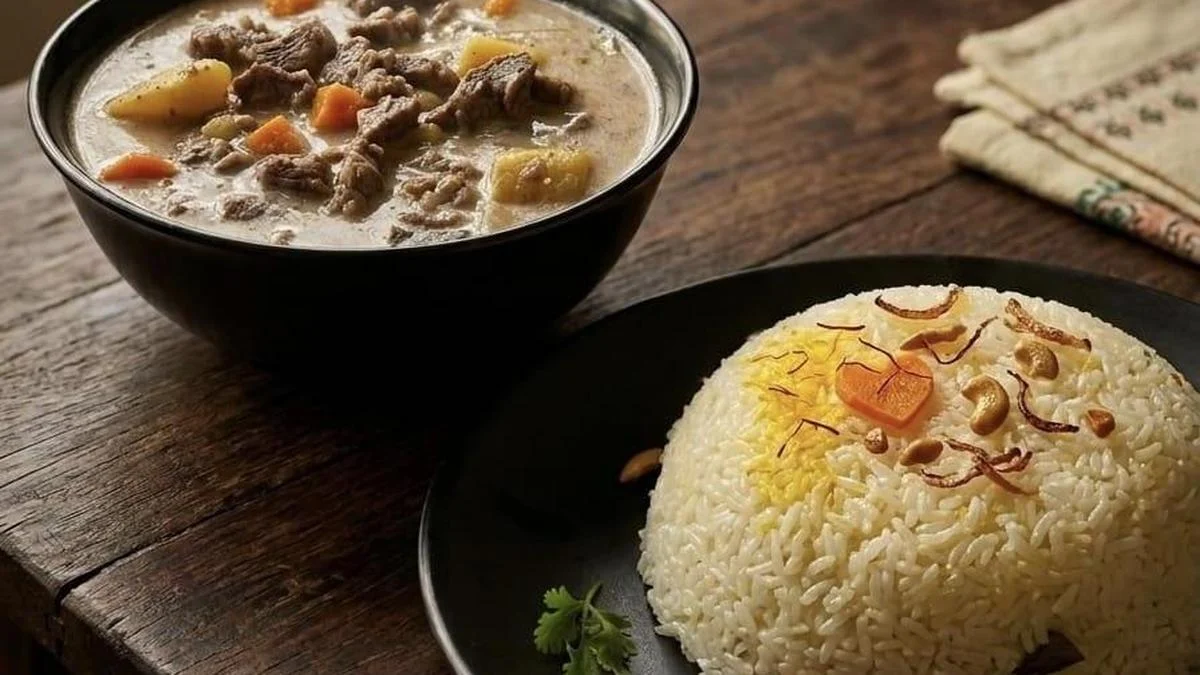
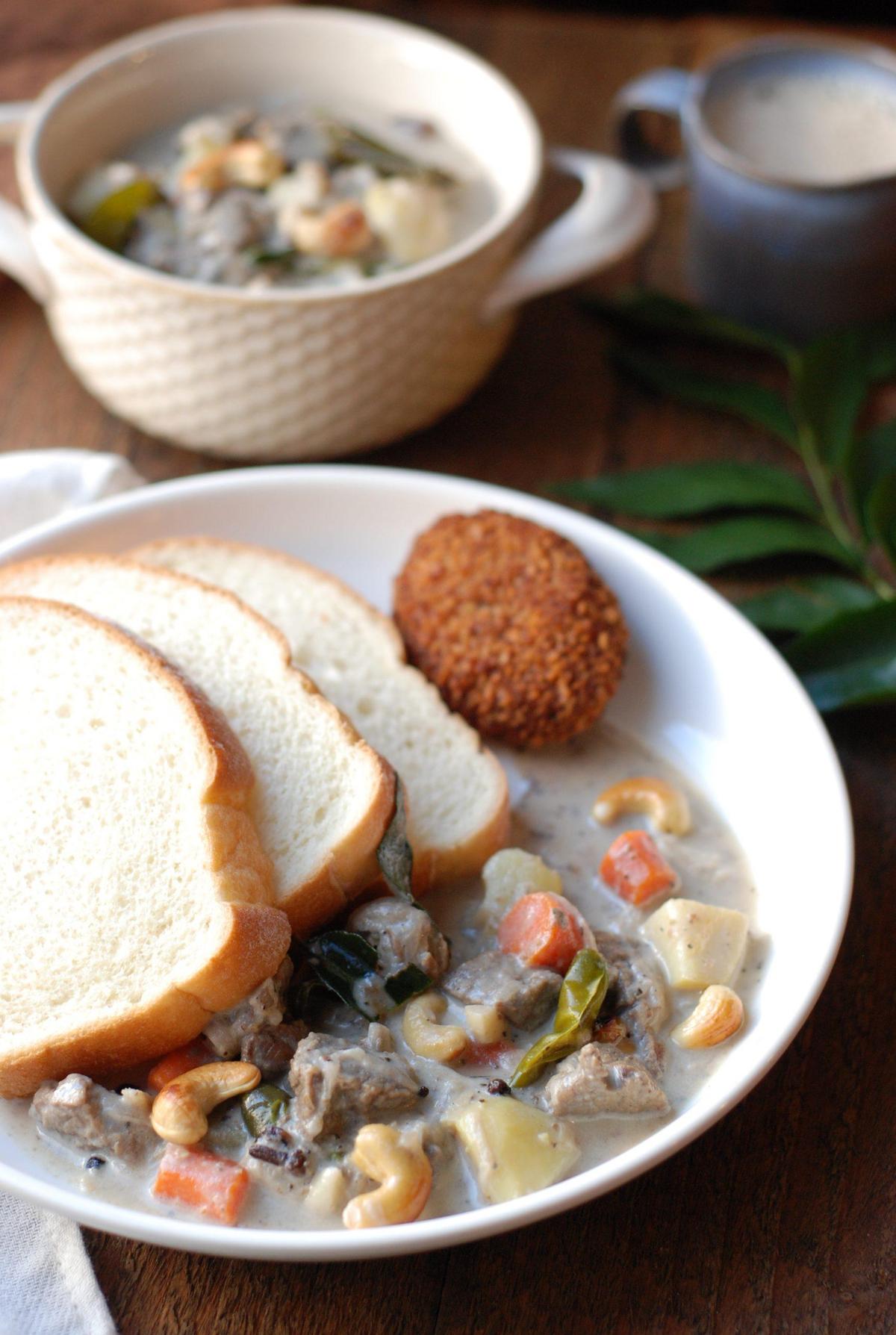
For the Malayali diaspora and residents alike, few aromas evoke the warmth of home quite like a steaming bowl of chicken stew. Known locally as ishtew or ishtoo, this ivory-colored, coconut milk-based gravy, flecked with black pepper and aromatic spices, has long been the cornerstone of celebratory breakfasts. Traditionally served alongside lacy, fermented rice crepes known as appams or thick slices of toasted bread, the stew is more than just a meal; it is a sensory vessel of nostalgia.
In recent years, however, the Kerala stew has undergone a significant commercial transformation. Once relegated to the side-lines of breakfast menus in traditional hotels, it has emerged as a standalone culinary phenomenon. From specialized food trucks and dedicated cloud kitchens to "hole-in-the-wall" eateries that have gone viral on social media, the stew is currently enjoying a renaissance in Kochi, redefining the city’s contemporary food landscape.
Main Facts: The Rise of the Standalone Stew
The current culinary trend in Kochi marks a shift from the "combo-culture" (where stew was merely an accompaniment to puttu or appam) to a specialized focus. This movement is spearheaded by entrepreneurs who have recognized the universal appeal of this mild, yet flavor-dense dish.
Several key players have defined this trend:
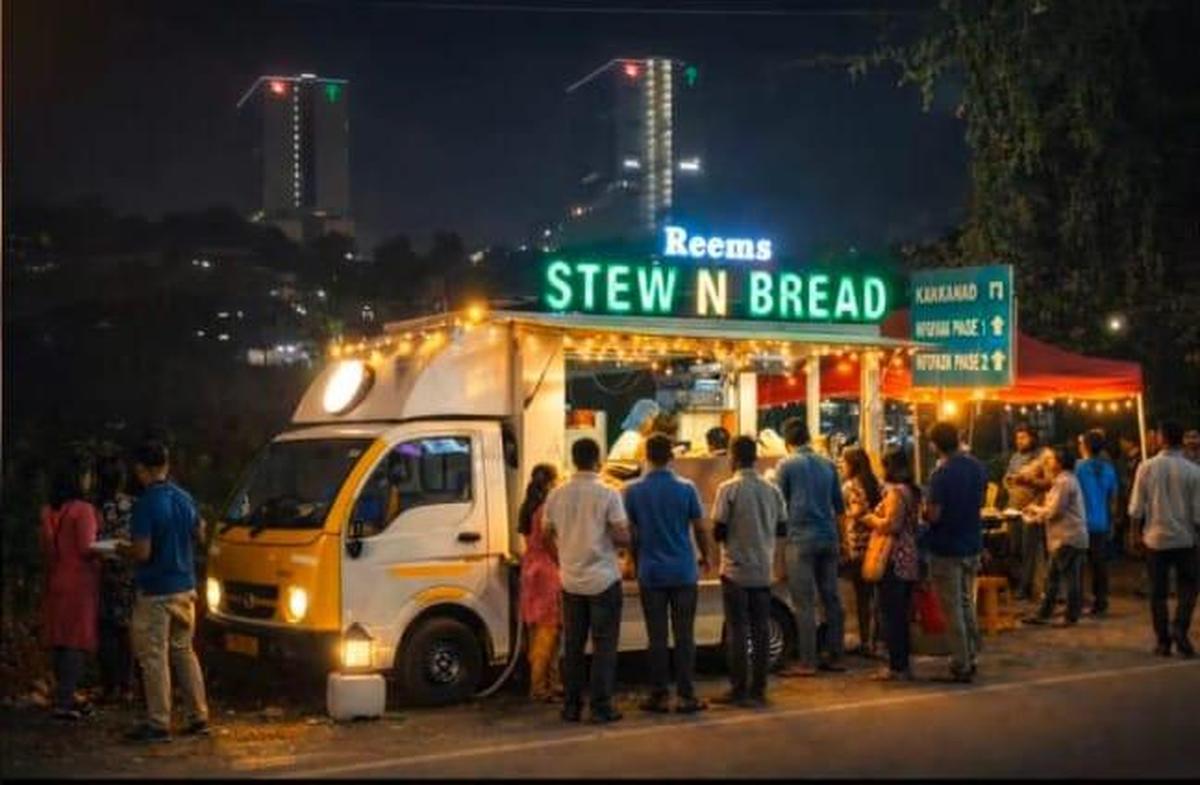
- Reems Stew and Bread: A popular food truck that has turned the bread-and-stew combination into a mobile sensation, targeting both the corporate crowd in Kakkanad and the trendy residents of Panampilly Nagar.
- Stewmuch: A specialized cloud kitchen that treats the dish as a versatile all-day meal, introducing regional variations from Kozhikode to the Kochi palate.
- Hamza’s Kitchen: An early pioneer on social media whose bread-stew offerings sparked a digital trend that many smaller vendors have since emulated.
What makes the Kerala stew unique is its delicate balance. Unlike the fiery red fish curries or the dark, roasted spice profiles of beef ularthiyathu, the stew is a study in subtlety. It utilizes a base of coconut milk, infused with the "holy trinity" of Kerala aromatics: ginger, green chilies, and curry leaves, supported by whole spices like cinnamon, cardamom, and cloves.
Chronology: From Colonial Influence to Local Staple
The history of the Kerala stew is a complex tapestry of trade, religion, and colonial interaction. It is a dish that did not emerge in a vacuum but was sculpted over centuries by various waves of migration.
The West Asian and Jewish Connection
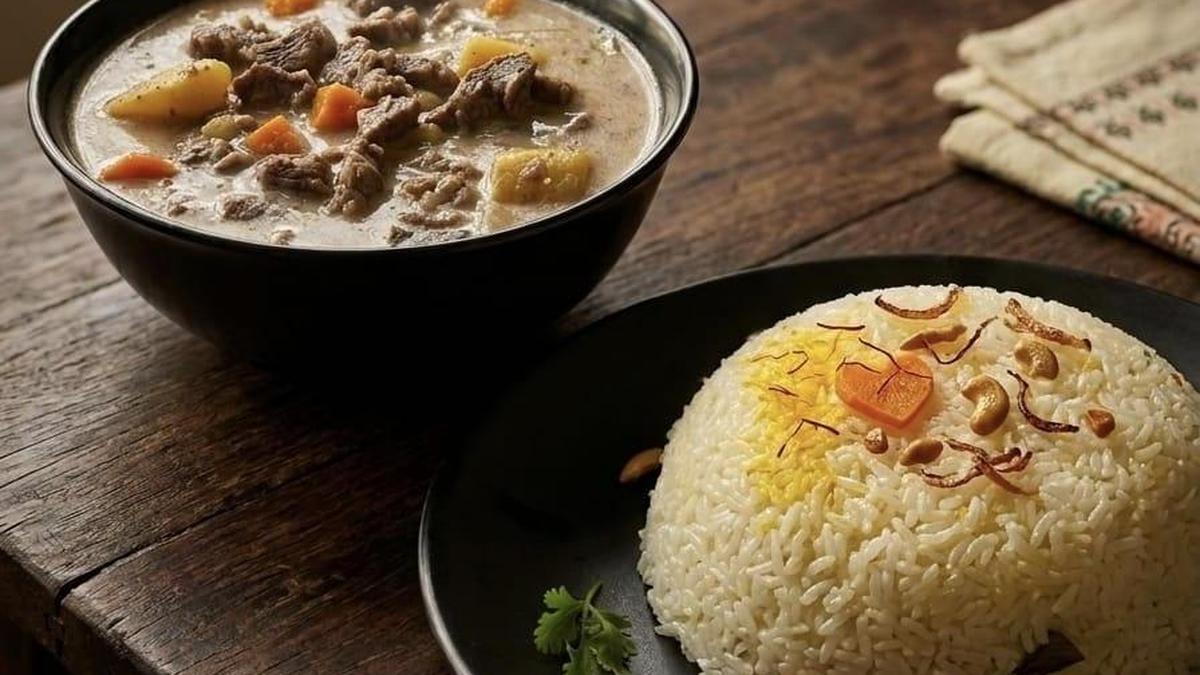
The use of coconut milk as a base for meat dishes in Kerala has deep roots in the history of the Malabar Coast’s Jewish community. According to food historian Tanya Abraham, author of Eating with History: Ancient Trade Influenced Cuisines of Kerala, the Jewish community played a pivotal role. Due to Kosher laws, which prohibit the mixing of meat and dairy (milk from animals), the Jews of Kerala adapted by using the abundant local coconut milk to achieve a creamy consistency in their meat preparations. This technique was eventually adopted by the Syrian Christian community, who refined it into what we now recognize as ishtew.
The Portuguese and British Eras
The physical components of the stew—specifically the potatoes and carrots—are a legacy of the Portuguese. Before their arrival, Kerala’s "stews" were likely simpler vegetable broths. The Portuguese introduced these tubers, which became essential for adding body and texture to the gravy.
The British influence provided the name and the conceptual framework of the "stew" as a slow-cooked meat and vegetable broth. However, the Malayali version departed significantly from the English original. While the British used flour or cornstarch as a thickener, the locals relied on the natural fats of coconut milk and, in some elite households, cashew paste.
The 20th Century Tradition
By the mid-20th century, the stew had become a non-negotiable part of the Christian festive calendar. It became the traditional "break-the-fast" meal for Easter and Christmas mornings. Mutton stew, in particular, gained status as a prestigious dish served at Anglo-Indian weddings in Kochi, cementing its association with celebration and hospitality.
Supporting Data: The Business of Nostalgia
The commercial success of modern stew ventures in Kochi is backed by a strategic understanding of urban consumer behavior. In a fast-paced city, there is a growing demand for "comfort food" that feels homemade but is easily accessible.
The Food Truck Model: Reems Stew and Bread
Launched in January 2024 by Ajoy ET and his wife Reema, Reems Stew and Bread has tapped into the "nostalgia economy." Reema, who handles the cooking, utilizes a family secret passed down from her grandmother: using cashew paste instead of cornflour to thicken the gravy. This commitment to traditional methods has resulted in a "sensational" response.
The truck operates on a strategic schedule:
- Monday to Thursday: Parked outside Infopark in Kakkanad, catering to thousands of IT professionals seeking a light yet fulfilling lunch or evening snack.
- Weekends: Located in Panampilly Nagar, Kochi’s upscale residential and boutique hub, where it attracts families and foodies.
The Cloud Kitchen Model: Stewmuch
Jishnu KP, the founder of Stewmuch, spent three years deliberating before launching his stew-centric brand. His data suggested that while Kochi had many outlets for spicy food, there was a gap in the market for "balanced warmth." Stewmuch reports that their beef stew is the bestseller, challenging the traditional dominance of chicken. They have also introduced the concept of pairing stew with ghee rice—a Malabar tradition—effectively cross-pollinating regional culinary habits.
Regional Variations: Malabar vs. Kochi
One of the most fascinating aspects of the Kerala stew is its regional diversity. As the dish moved through different parts of the state, it adapted to local tastes.
The Malabar Profile
In the northern Malabar region, the stew (often served at Muslim weddings) tends to be:
- Thicker: A higher concentration of coconut milk or the addition of ground nuts.
- Spicier: A more pronounced hit of black pepper and sometimes a hint of yellow from turmeric.
- Pairings: Frequently eaten with nool puttu (string hoppers) or ghee rice.
The Kochi (Central Kerala) Profile
The Central Kerala or Syrian Christian version is characterized by:
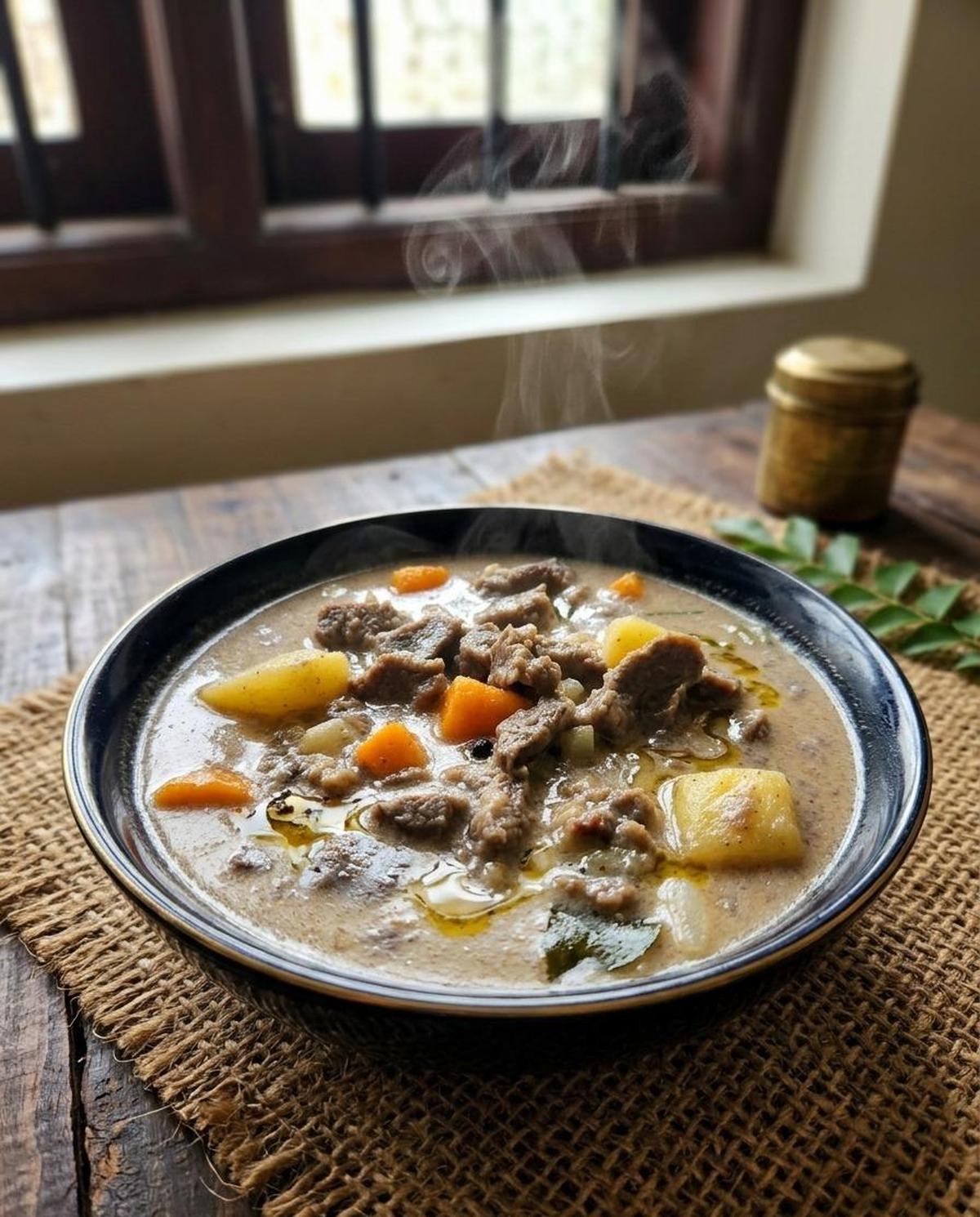
- Whiteness: A pristine, ivory-colored gravy that avoids turmeric.
- Mildness: A sweeter profile where the creaminess of the coconut milk is the star, balanced only by the heat of slit green chilies.
- Pairings: Almost exclusively paired with appam or "Kochi Bread" (locally baked, slightly sweet loaves).
Official Responses and Culinary Insights
Industry experts and practitioners emphasize that the "authenticity" of the stew is what drives its current market value.
Jishnu KP of Stewmuch notes the versatility of the dish as its greatest commercial asset: "I chose stew because its spices and warmth are balanced. It is not a heavy dish; it feels light on the palate. It fits every meal—breakfast, lunch, and dinner. Very few foods carry that versatility."
Tanya Abraham highlights the sociological aspect of the dish’s evolution. She points out that the stew is a "layered history" on a plate. The transition from a Jewish dietary adaptation to a Portuguese-influenced vegetable broth, and finally to a British-named staple, illustrates Kerala’s historical role as a global melting pot.
Ajoy ET of Reems observes that the emotional connection to the dish is their strongest marketing tool. "The bread-stew combination is more than food for the Kochiite. It is part of our celebrations. We get calls almost daily asking about our location," he says, noting that the demand transcends age groups and social classes.
Implications: The Future of Traditional Cuisine
The rise of the "Stew Truck" and specialized cloud kitchens in Kochi carries several implications for the future of Kerala’s food industry:
- The Hyper-Specialization Trend: The success of these ventures suggests that modern consumers are moving away from multi-cuisine menus in favor of "specialist" outlets that do one thing exceptionally well.
- Commercialization of Heritage: By taking a dish usually reserved for home kitchens and festive occasions and making it a street-food staple, entrepreneurs are ensuring that traditional recipes remain relevant to younger generations.
- Culinary Tourism: As Kochi continues to grow as a tourist hub, the elevation of the Kerala stew to a "must-try" standalone dish adds another layer to the city’s gastro-tourism appeal, moving beyond the well-known Karimeen Pollichathu or Malabar Biryani.
- Health-Conscious Dining: Compared to many oil-heavy Indian restaurant dishes, the stew—with its boiled vegetables, lean meats, and healthy fats from coconut milk—appeals to the growing demographic of health-conscious urban diners.
In conclusion, the Kerala stew is currently experiencing a perfect storm of nostalgia, entrepreneurial innovation, and social media visibility. Whether it is served from a high-tech food truck in an IT park or a quiet cloud kitchen in the suburbs, this mild, aromatic gravy continues to provide a "warm hug" to a city in flux, proving that some flavors are truly timeless.
