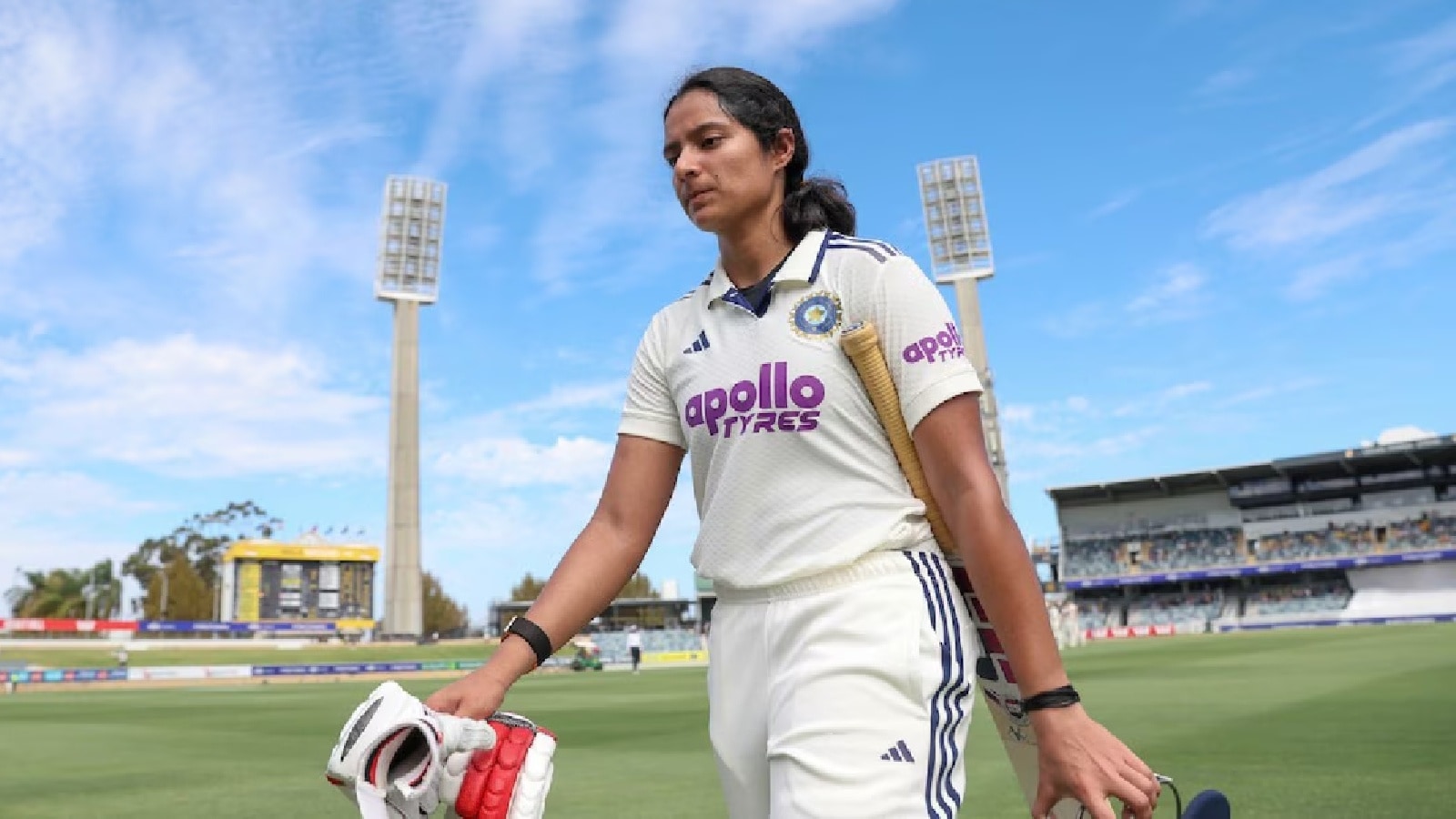
NEW DELHI — In the high-octane world of professional sports, where marginal gains can determine the difference between a boundary and a wicket, the dietary habits of athletes have become a subject of intense scrutiny and fascination. Recently, 25-year-old Indian cricketer Pratika Rawal provided a rare glimpse into the nutritional foundation of her athletic career, revealing a breakfast routine that has remained virtually unchanged for nearly a decade.
Speaking in an interview with Humans of Bombay, Rawal detailed a high-protein, fat-rich morning meal that eschews modern staples like bread in favor of whole foods and traditional preparations. Her revelation has sparked a broader conversation among sports nutritionists and fitness enthusiasts regarding the role of consistency, the "whole egg" debate, and the integration of fermented beverages in an athlete’s lifestyle.
Main Facts: The Five-Egg Foundation and Beyond
At the heart of Pratika Rawal’s morning routine is a significant intake of avian protein. Her breakfast consists of five whole eggs—two boiled and three prepared as a "masala omelette" by her mother. This is supplemented by a nutrient-dense smoothie crafted from avocados and dates, occasionally accompanied by curd. Notably, Rawal also incorporates kombucha, a fermented tea, often consumed on an empty stomach.
The most striking aspect of this regimen is its longevity and its exclusions. Rawal, who began this specific routine at the age of 16, has maintained it for nine years, citing a personal distaste for bread. This "no-bread" approach distinguishes her diet from the carbohydrate-heavy "toast and cereal" breakfasts common in many athletic circles.
From a nutritional standpoint, the meal is a powerhouse of macros:
- High-Quality Protein: Five eggs provide approximately 30–35 grams of protein, essential for muscle protein synthesis.
- Healthy Fats: The combination of egg yolks and avocado provides monounsaturated and polyunsaturated fats, crucial for hormone production and joint health.
- Natural Sugars: Dates offer a quick source of glucose and fructose to replenish glycogen stores after overnight fasting.
- Probiotics: Curd and kombucha introduce beneficial bacteria to the gut microbiome.
Chronology: A Decade of Dietary Discipline
To understand the impact of Rawal’s diet, one must look at the timeline of her development as an athlete.
The Formative Years (Age 16)
At 16, most aspiring athletes are still experimenting with their physical limits. For Rawal, this was the period when she solidified her morning ritual. By establishing a high-protein baseline early on, she provided her developing body with the structural components necessary for the rigors of professional cricket training.
The Rise of Women’s Cricket (2018–2024)
As Rawal progressed through the ranks, the landscape of Indian women’s cricket underwent a seismic shift. The introduction of the Women’s Premier League (WPL) and increased investment from the BCCI raised the stakes for physical fitness. While many players turned to trendy "superfoods" or expensive supplements, Rawal’s reliance on her mother’s home-cooked masala omelette and whole foods remained a constant.
Present Day (June 2026)
Now 25, Rawal’s adherence to her routine for nearly 10 years serves as a testament to the "adaptation principle." Her body has become highly efficient at processing these specific nutrients, allowing her to maintain energy levels throughout long matches and intensive practice sessions without the digestive volatility that often comes with dietary experimentation.
Supporting Data: The Nutritional Breakdown
Clinical nutritionists and sports scientists emphasize that Rawal’s diet is not merely about calories, but about the bioavailability of nutrients.
The "Whole Egg" Advantage
For decades, health advice suggested discarding egg yolks due to cholesterol concerns. However, modern sports science has largely debunked this for active individuals. Garima Goyal, a consultant dietitian and fitness trainer, notes that whole eggs provide choline and vitamin B12—nutrients often lacking in plant-based diets. Choline is vital for brain function and muscle control, while B12 is essential for energy metabolism. The 5-egg intake ensures that Rawal hits nearly 50% of her daily protein requirement before her first training session.
Avocado and Dates: The Synergistic Smoothie
The choice of an avocado-date smoothie is scientifically sound for an endurance athlete. Avocados are rich in potassium—containing more per gram than bananas—which helps prevent muscle cramps during long stints in the field. Dates, meanwhile, have a moderate Glycemic Index (GI), providing a steadier release of energy compared to processed sugars, which prevents the "sugar crash" that can impair a cricketer’s concentration.
The Fermentation Factor
Rawal’s inclusion of kombucha and curd highlights an awareness of gut health. The "gut-brain axis" is a burgeoning field of study in sports science, suggesting that a healthy microbiome can improve mental clarity and reduce systemic inflammation. While Goyal cautions that kombucha can cause acidity in some if taken on an empty stomach, for Rawal, it appears to serve as a metabolic "reset."
Official Responses: Expert Analysis and Caveats
The sporting community has reacted with interest to Rawal’s transparency. Dietitian Garima Goyal provided an in-depth analysis of why this routine works for a professional athlete while remaining a "proceed-with-caution" template for the general public.
"What stands out is her preference for avoiding bread and sticking to a routine she has followed since the age of 16," Goyal stated. "It reflects an important principle in sports nutrition: consistency often matters more than constantly changing diets. Athletes usually perform best on routines their bodies are well adapted to."
However, Goyal issued a necessary disclaimer regarding the "average" person: "Nutritional needs depend on training intensity, metabolism, sport type, and recovery requirements. What works for a cricketer may not necessarily suit the average sedentary individual. For someone with a low activity level, five whole eggs and a calorie-dense avocado smoothie could lead to an excessive caloric surplus."
Furthermore, medical experts point out that while Rawal’s "no bread" rule works for her, complex carbohydrates remain a vital fuel source for many. Her reliance on dates and avocados suggests she is getting her "carbs" from whole-food sources rather than processed grains, which is a sophisticated approach to managing insulin sensitivity.
Implications: The Future of Athlete Nutrition in India
Pratika Rawal’s story has several implications for the future of sports and wellness in India:
1. The De-stigmatization of Traditional Diets
Rawal’s reliance on "home-cooked masala omelettes" and "curd" validates traditional Indian dietary habits within a professional context. It suggests that elite performance does not always require imported supplements or "Westernized" meal plans. This could encourage young athletes from rural or middle-class backgrounds to optimize their local diets rather than seeking expensive alternatives.
2. The Move Toward "Whole Food" Fueling
As the "clean eating" movement gains momentum, Rawal’s avoidance of bread—a processed carbohydrate—aligns with a growing trend among elite athletes (such as Novak Djokovic or Virat Kohli) who have found success by eliminating or reducing gluten and processed flours. This shift may lead to a broader re-evaluation of the "pre-game pasta" culture in Indian sports.
3. Psychological Stability through Routine
The fact that Rawal has not changed her breakfast in 10 years points to the psychological benefits of routine. In a sport as unpredictable as cricket, having a "constant" can reduce decision fatigue and provide a sense of groundedness. For young cricketers, the lesson is clear: find a fuel source that works and master the discipline of sticking to it.
4. Gender-Specific Sports Science
As women’s cricket continues to grow, there is an increasing need for data on female-specific nutritional requirements. Rawal’s high-fat, high-protein intake is particularly interesting given that some studies suggest female athletes may oxidize more fat during exercise than their male counterparts. Her routine could provide a case study for future researchers looking at the long-term effects of such diets on female bone density and hormonal health.
Conclusion
Pratika Rawal’s breakfast is more than just a meal; it is a decade-long commitment to physiological stability. By combining the protein density of eggs, the healthy fats of avocados, and the probiotic benefits of fermented foods, she has constructed a nutritional fortress that supports the demands of professional cricket.
While her specific menu may not be a "one-size-fits-all" solution—particularly for those without the caloric burn of a professional athlete—the underlying philosophy of consistency, whole-food prioritization, and gut health awareness offers a masterclass in modern athletic maintenance. As Rawal continues her career, her "5-egg rule" stands as a reminder that in the world of elite performance, the simplest routines are often the most powerful.
DISCLAIMER: This article is based on information from the public domain and expert commentary. Nutritional requirements are highly individual. Always consult a qualified health practitioner or sports nutritionist before starting any new dietary routine or making significant changes to your current intake.