

By Journal Staff
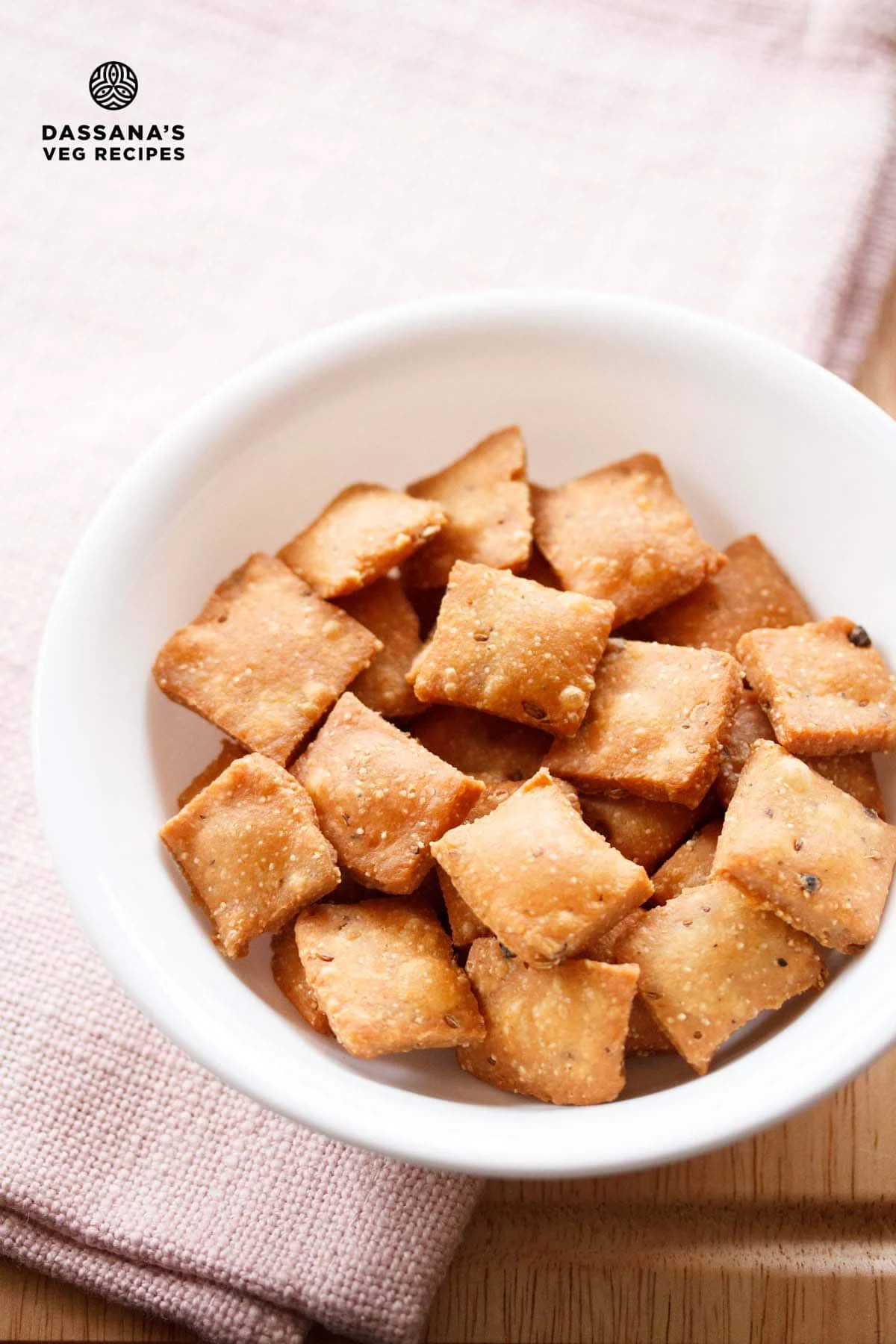
In the vast and diverse landscape of Indian gastronomy, few snacks bridge the gap between everyday tea-time comfort and festive indulgence as seamlessly as the Diamond Biscuit. Known variously across the subcontinent as Diamond Cuts, Khara Biscuits, Thukkada, or Kalakala, these crisp, savory morsels represent more than just a culinary tradition; they are a testament to the intricate balance of spice, texture, and preservation that defines Indian home cooking. As global interest in heritage snacks grows, the Diamond Biscuit is seeing a significant resurgence, not only in domestic kitchens but also as a gourmet offering in the burgeoning "artisanal snack" market.
Main Facts: The Anatomy of a Savory Icon
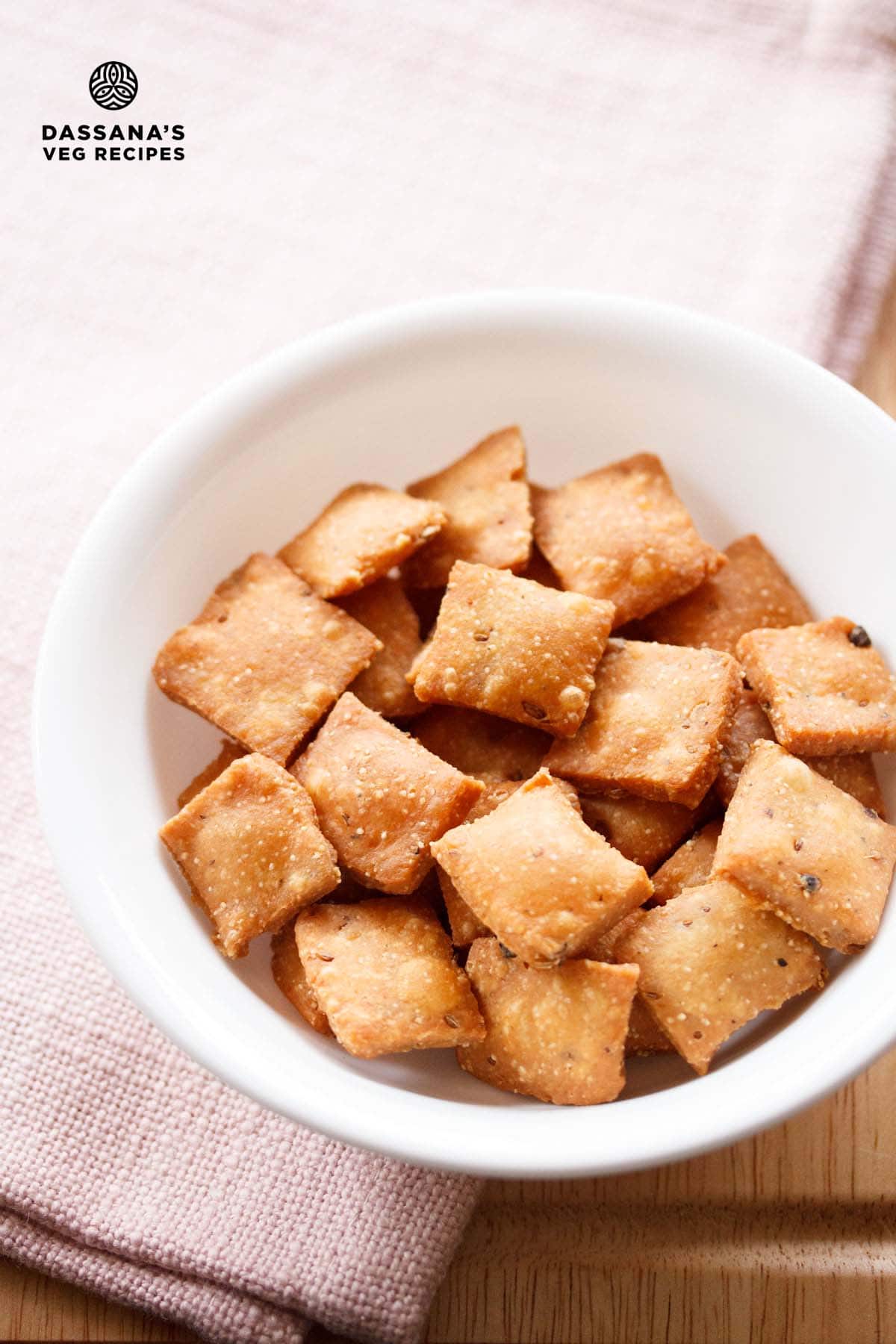
The Diamond Biscuit is a deep-fried snack characterized by its geometric shape and crunchy texture. Unlike its sweet counterpart, the Shankarpali, the Diamond Biscuit—or "Khara" (meaning salty or savory in several Indian languages)—relies on a robust profile of carom seeds (ajwain), cumin (jeera), and crushed black pepper.
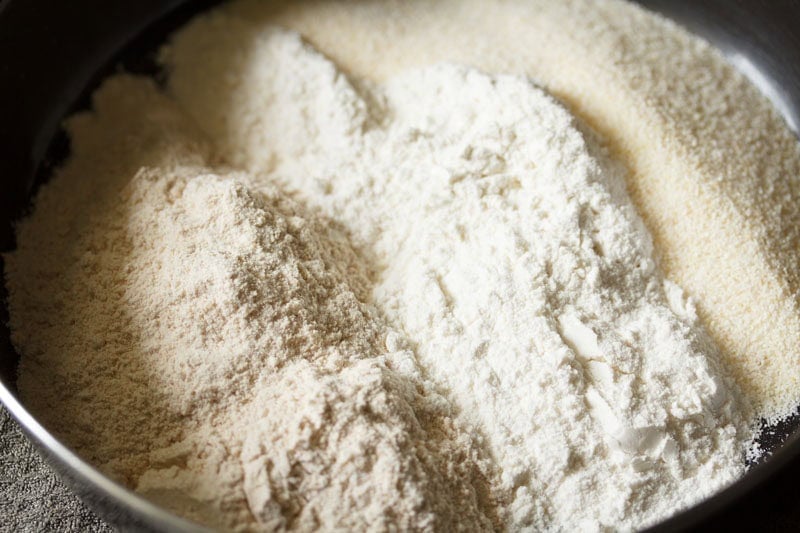
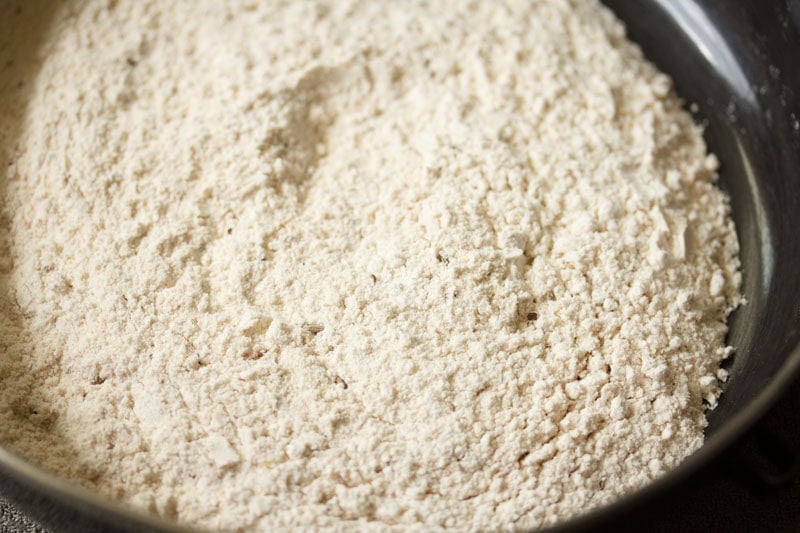
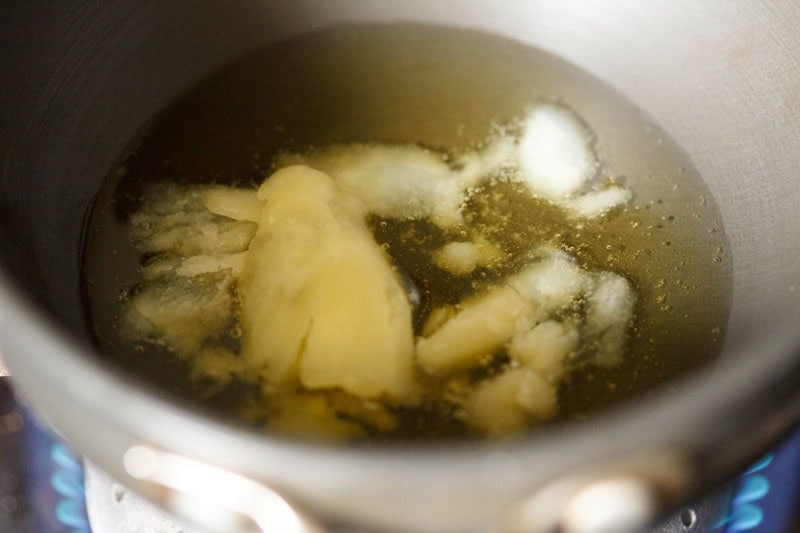
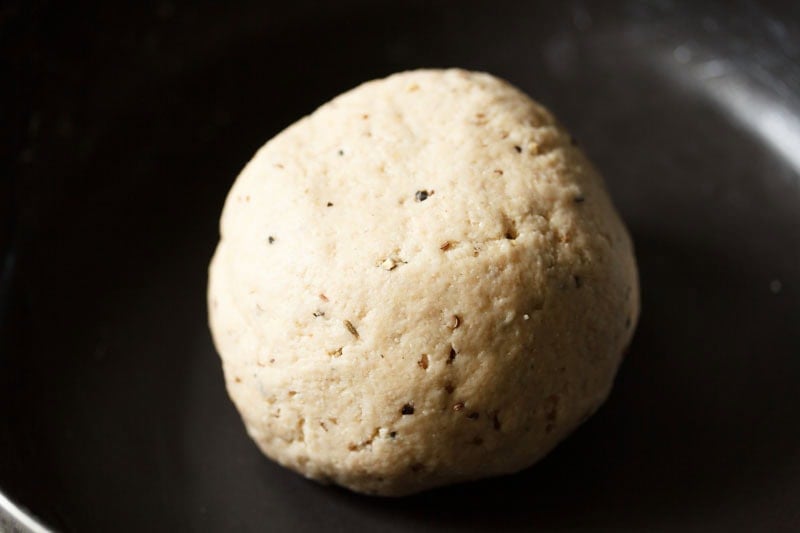
Culinary experts note that the unique appeal of the Diamond Biscuit lies in its composition. Traditionally made with a blend of all-purpose flour (maida), the modern evolution of the recipe often incorporates whole wheat flour (atta) for a nuttier flavor and fine semolina (rava) to enhance the structural "crunch." The dough is typically enriched with ghee or oil, creating a short-crust-like consistency that, when fried, results in a flaky yet firm bite.
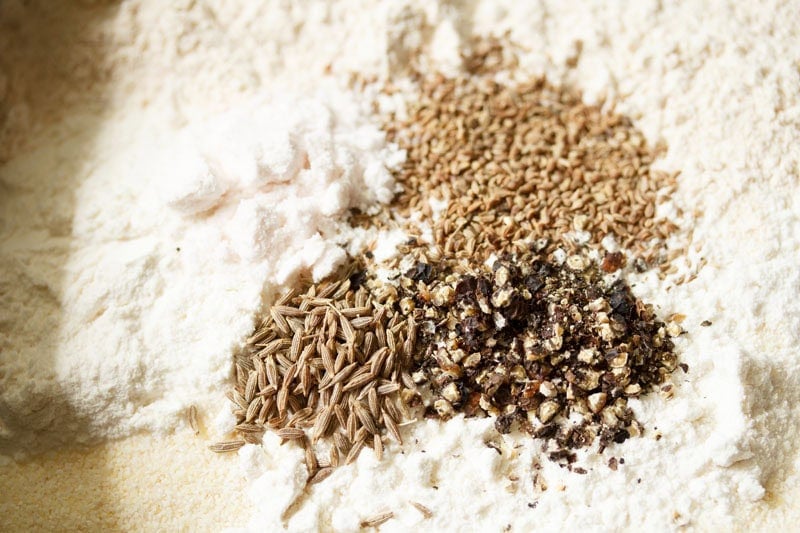
According to market trend reports, the demand for traditional savory snacks has seen a 15% year-on-year increase as consumers pivot away from ultra-processed potato chips toward "grandma-style" recipes that offer perceived digestive benefits through the inclusion of spices like carom seeds and cumin.
Chronology: From Festive Offering to Global Pantry Staple
The Ancestral Roots
The history of the Diamond Biscuit is inextricably linked to the agrarian cycles of India. Historically, these snacks were prepared in large batches during major festivals such as Diwali (the Festival of Lights) and Krishna Jayanthi. The logic was twofold: they served as a welcoming treat for guests and, due to their low moisture content and fried nature, they possessed a shelf life of several weeks—a vital attribute in the pre-refrigeration era.
Regional Diversification
As the recipe traveled across state lines, it adopted local identities:
- In South India: Often referred to as Thukkada or Diamond Cuts, these are frequently paired with filter coffee.
- In North India: A similar variant known as Namak Para exists, though it often omits the semolina and focuses on a thicker, more ribbon-like cut.
- The Sweet Cousin: The Shakkarpara or sweet Shankarpali followed a parallel timeline, using sugar syrup instead of the savory spice blend, illustrating the versatility of the base dough.
Modern-Day Renaissance
In the last decade, the Diamond Biscuit has transitioned from being a purely homemade item to a commercial success. The rise of food blogging and digital recipe archives has democratized the "secret" ratios of spices, leading to a revival among younger urban populations looking to reconnect with their cultural heritage.
Supporting Data: Nutritional and Technical Specifications
To understand the Diamond Biscuit, one must look at the precision required in its preparation. The following data highlights the nutritional profile and the technical benchmarks for a standard batch (approx. 6 servings).
Nutritional Breakdown (Per Serving)
- Calories: 218 kcal
- Total Fat: 13g (Saturated Fat: 4g)
- Carbohydrates: 22g
- Protein: 4g
- Fiber: 2g
- Sodium: 203mg
- Micronutrients: Notable levels of Vitamin B-complex, Iron (1mg), and Magnesium (22mg), largely attributed to the whole wheat and spice content.
The Physics of the "Perfect Crunch"
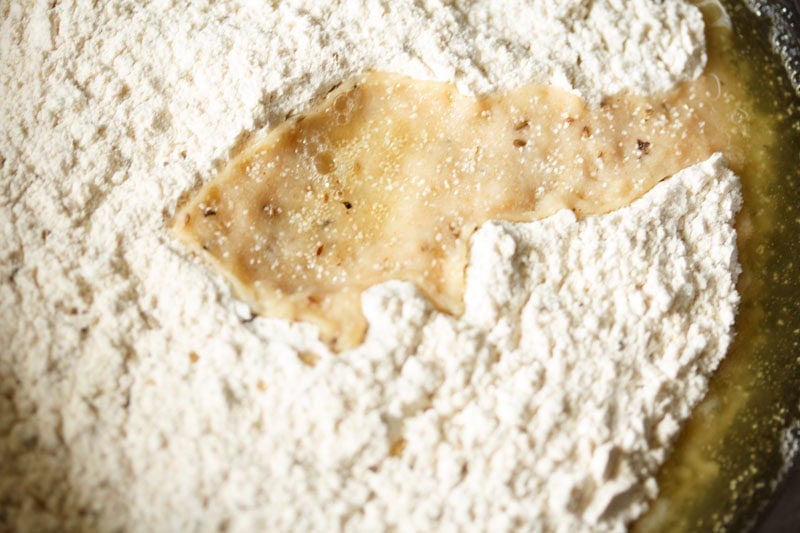
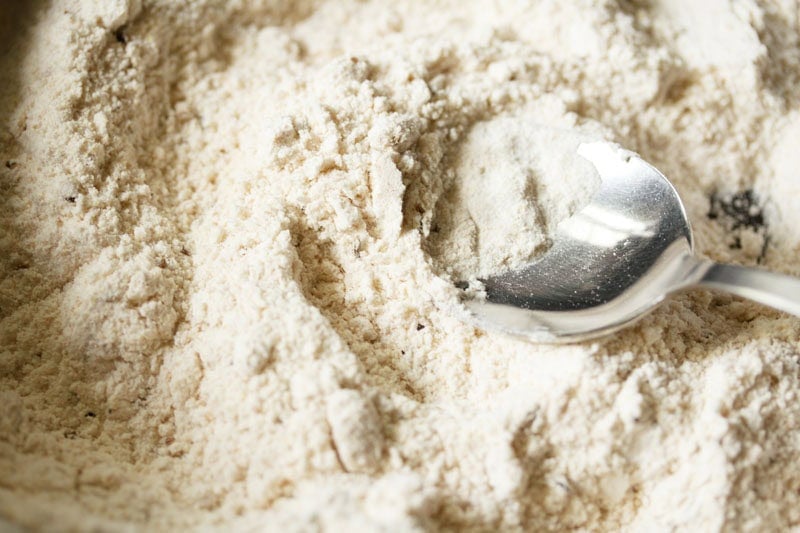
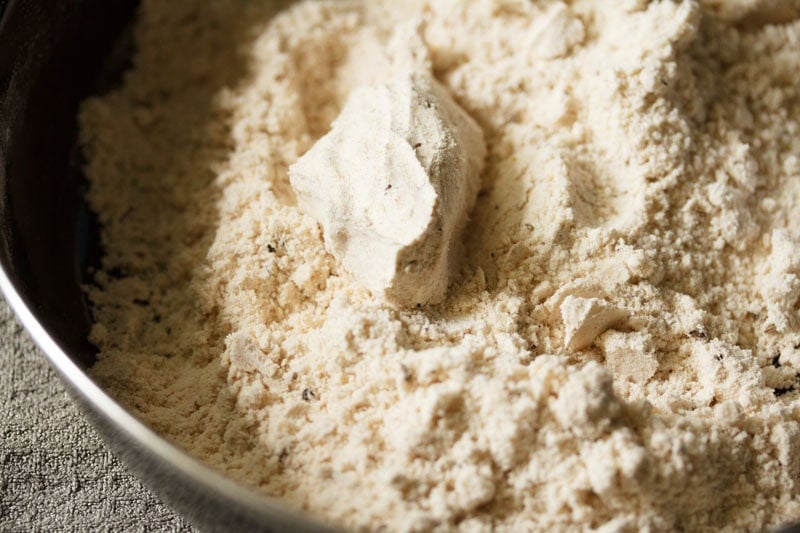
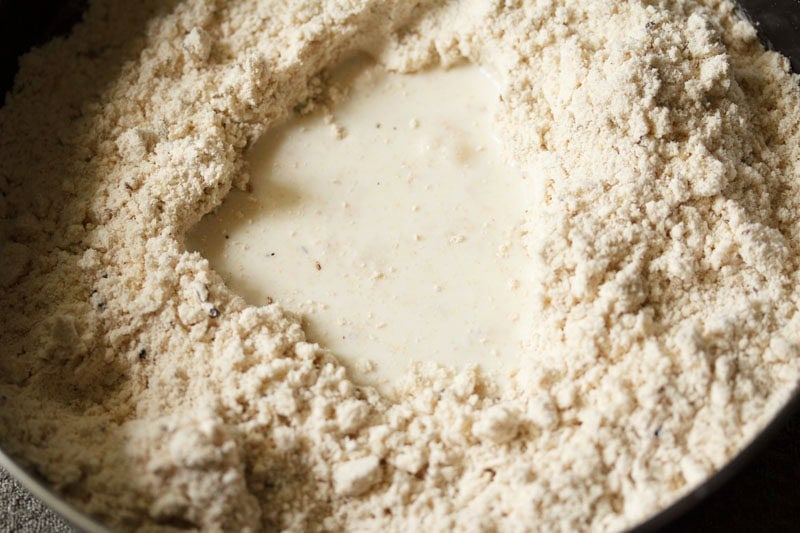
The texture of the Diamond Biscuit is a result of a specific chemical process known as "shortening" the dough. By rubbing ghee or oil into the flour until it resembles breadcrumbs, the fats coat the flour proteins, inhibiting long gluten strands from forming. This ensures the biscuit is "crisp" rather than "chewy."
The inclusion of semolina (sooji) adds a secondary layer of texture. As a coarse grain, semolina provides structural "islands" within the dough that do not soften easily, maintaining the crunch even after the snack has been stored for weeks.
Official Responses: Insights from the Culinary Community
Leading chefs and nutritionists have weighed in on the cultural and health implications of the Diamond Biscuit’s enduring popularity.
Chef Ananya Iyer, a specialist in South Indian Heritage Cuisine, states:
"The Diamond Biscuit is a masterclass in spice layering. While the flour provides the canvas, it is the ajwain and black pepper that provide the functional soul. Carom seeds are not just there for flavor; they are traditional digestive aids meant to counteract the richness of the fried dough. It is an intelligent snack."
Nutritionist Dr. Rajesh Verma comments on the shift to whole wheat:
"We are seeing a positive trend where the traditional 100% maida (all-purpose flour) is being replaced or blended with whole wheat and semolina. This increases the fiber content and lowers the glycemic index of the snack slightly. When fried at the correct temperature—medium heat—the oil absorption is minimized, making it a far superior alternative to commercial snacks containing palm oil and artificial preservatives."
Cultural Historian Dr. Meera Nair notes:
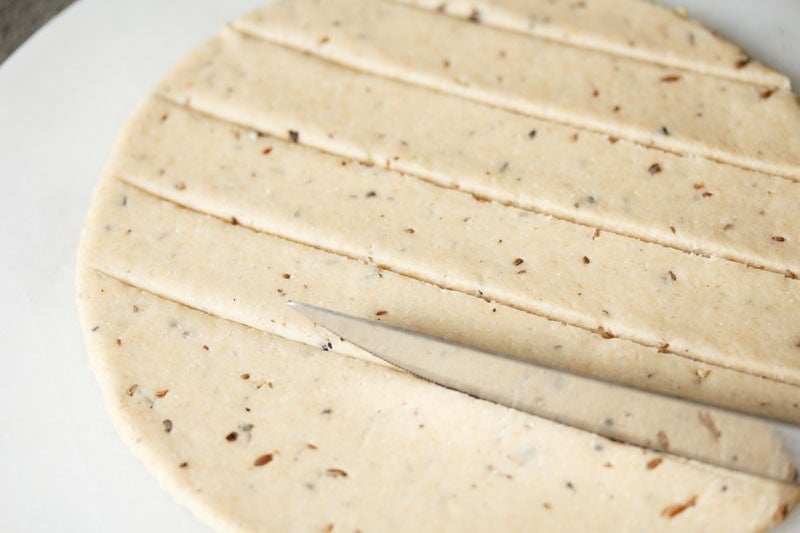
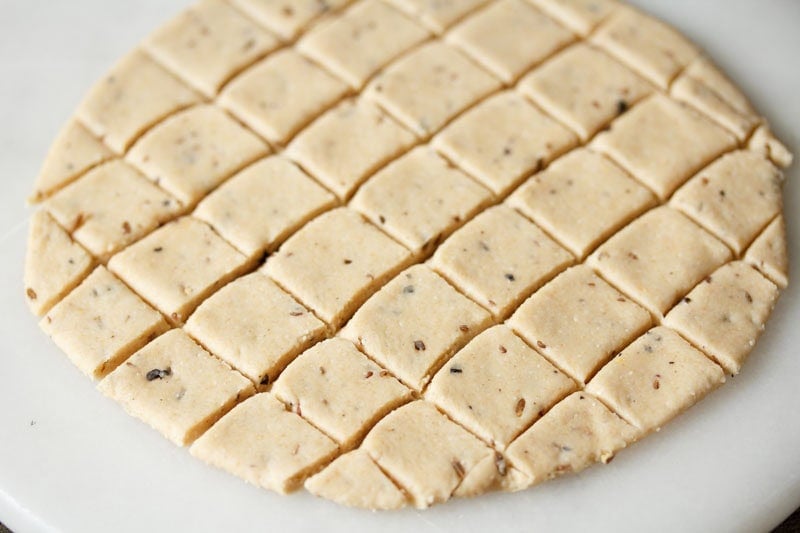
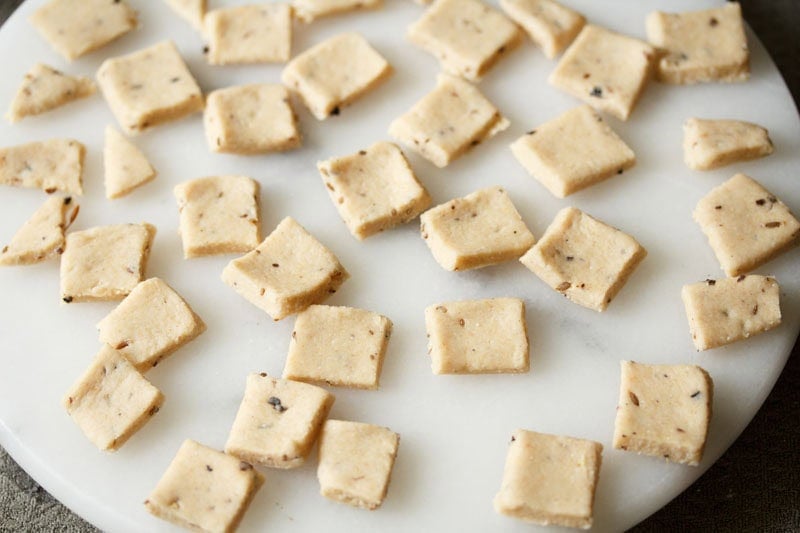
"The shape—the diamond—is iconic. It’s a shape that maximizes edge surface area, which is the part that gets the crispiest. There is an inherent geometry to Indian snacks that serves the sensory experience."
Implications: The Future of Traditional Snacking
The continued popularity of the Diamond Biscuit carries several implications for the food industry and cultural preservation.
1. The "Clean Label" Movement
As consumers become more scrutinized about ingredients, the Diamond Biscuit stands as a "clean label" champion. With only flour, spices, water/milk, and oil, it avoids the emulsifiers and stabilizers found in modern crackers. This has led to a surge in small-scale entrepreneurs selling "homemade-style" Diamond Cuts through e-commerce platforms.
2. Customization and Fusion
The versatility of the Diamond Biscuit dough allows for modern adaptations. Current trends see the inclusion of:
- Aromatics: Minced garlic, ginger paste, or finely chopped curry leaves.
- Heat: Red chili powder or green chili paste for a "spicy" variant.
- Global Flavors: Some modern iterations have begun experimenting with peri-peri seasonings or dried herbs like oregano, though purists remain devoted to the cumin-carom seed foundation.
3. Preservation of Domestic Skills
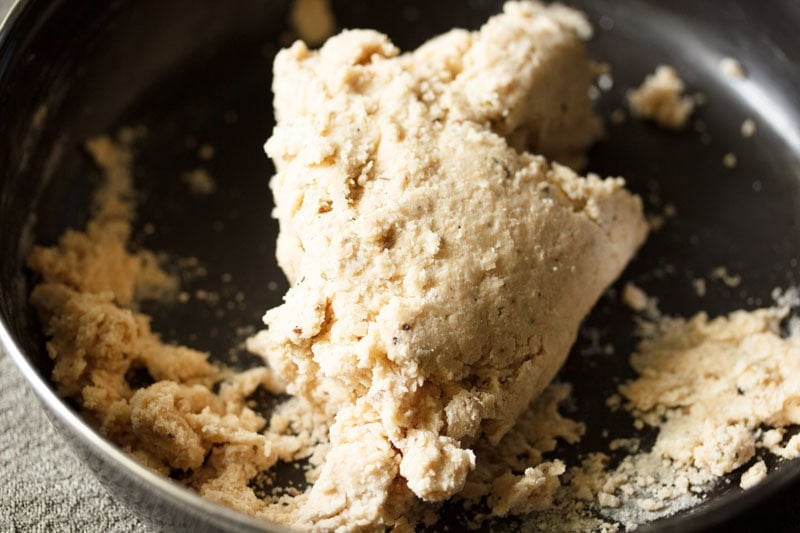
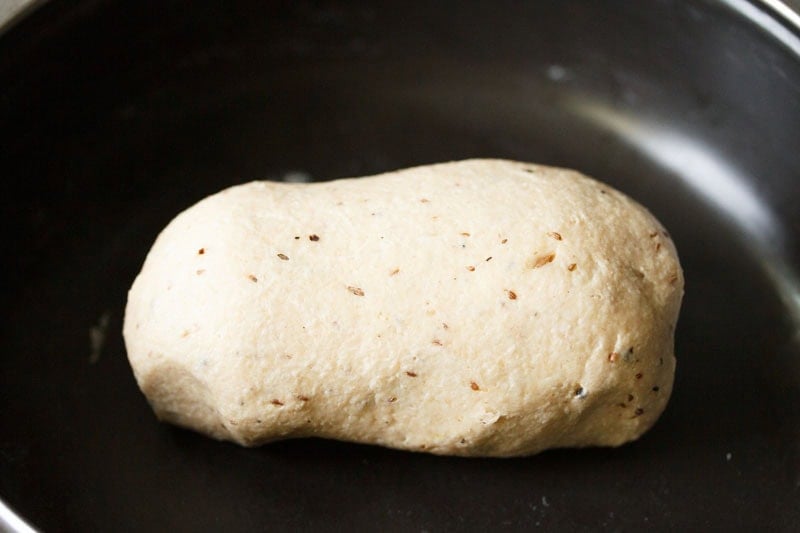
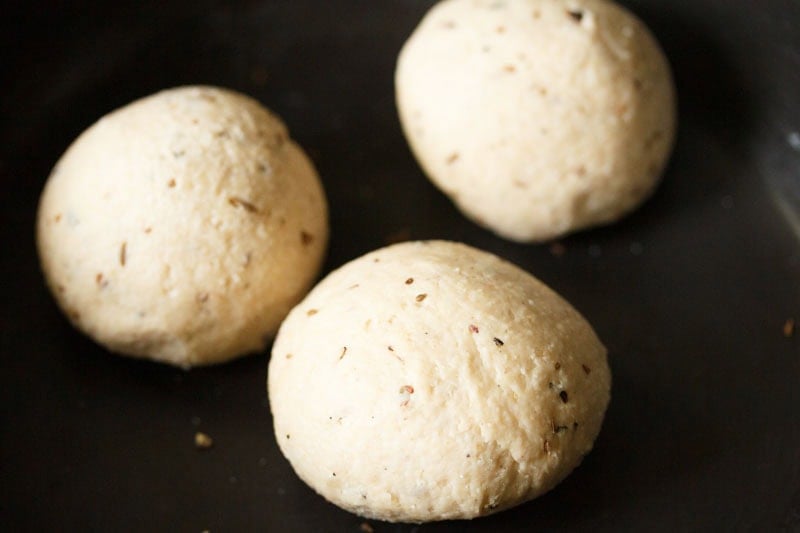
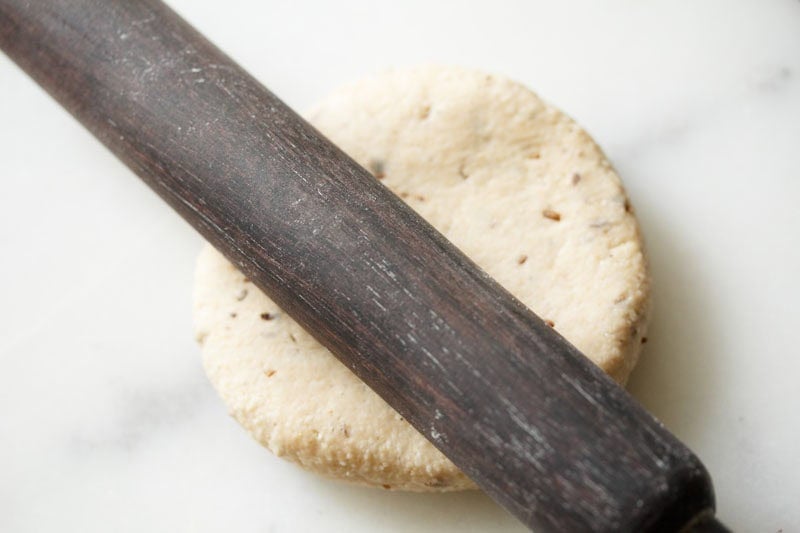
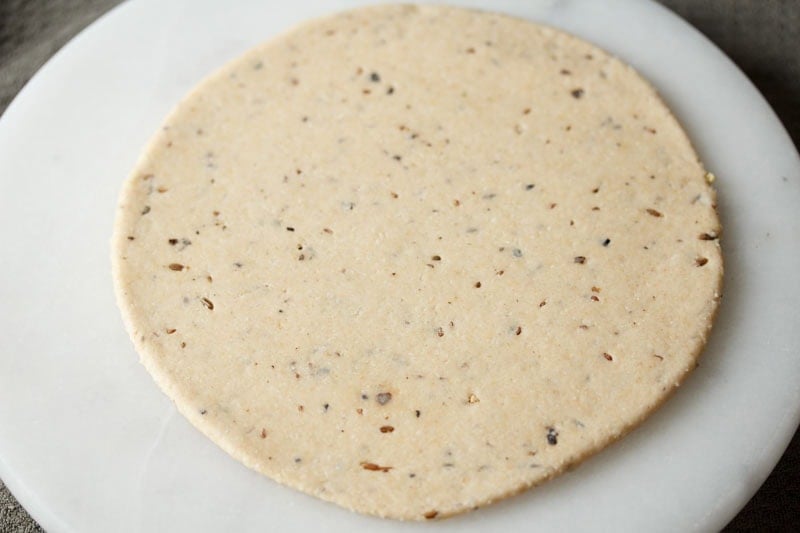
The process of making Diamond Biscuits—kneading a stiff dough, rolling it to a precise 5-7mm thickness, and mastering the temperature of the oil—is a set of skills being passed down to a new generation. This "slow food" approach encourages a mindful relationship with cooking, contrasting with the "instant" nature of modern food consumption.
4. Economic Impact
The festive season in India sees a massive spike in the sale of ingredients like ghee and flour. The Diamond Biscuit is a significant driver of this micro-economy. Furthermore, as an export item, these snacks are reaching the Indian diaspora globally, creating a multi-million dollar export market for traditional Indian savories.
Conclusion
The Diamond Biscuit remains a cornerstone of Indian culinary identity. Its journey from a simple festival treat to a scientifically analyzed, nutritionally documented, and globally recognized snack highlights the resilience of traditional recipes. Whether enjoyed with a steaming cup of masala chai or served at a festive gathering, the "click" of a perfectly fried Diamond Cut is a sound that resonates across generations, signaling a heritage that continues to crisp and thrive in the modern age.
Technical Appendix: Preparation Benchmarks for Quality Control
To achieve the "Gold Standard" Diamond Biscuit, the following process parameters are observed by culinary professionals:
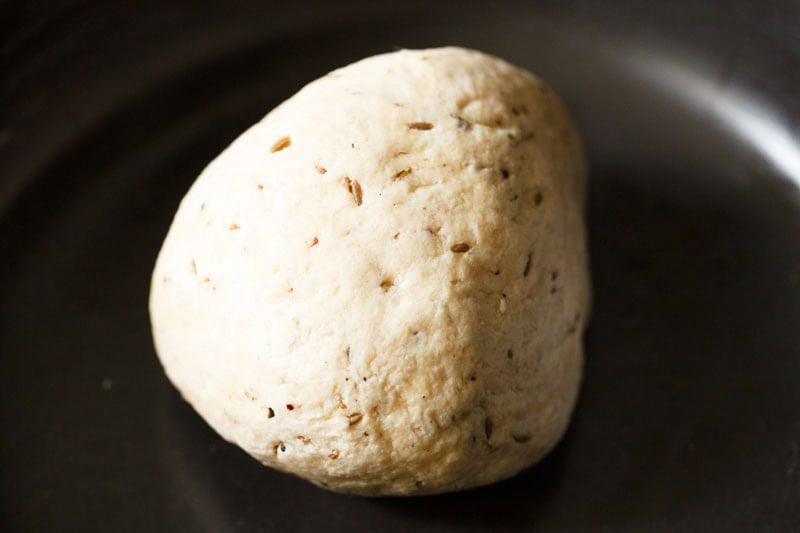
- Dough Consistency: The dough must be "stiff" and "firm." A soft dough will absorb excess oil, leading to a soggy product.
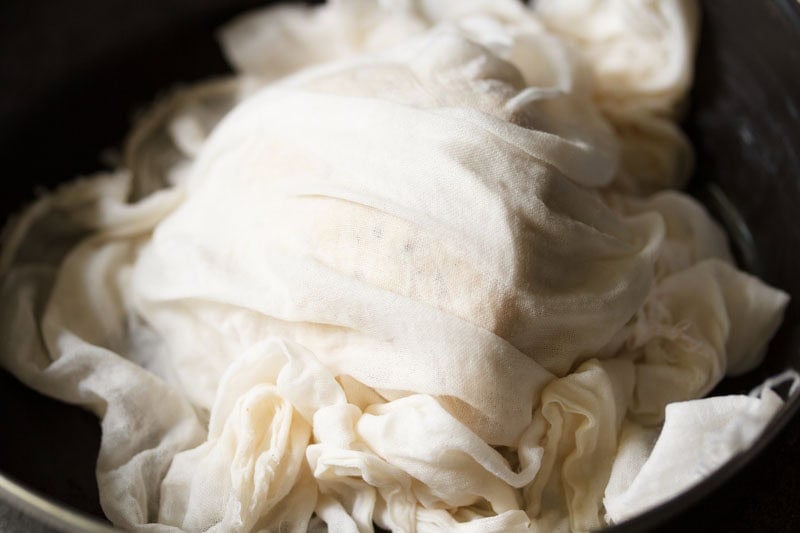
- Resting Period: A 20-30 minute rest under a moist cloth is essential for the semolina to hydrate and the gluten to relax slightly, preventing the dough from shrinking during rolling.
- Frying Temperature: The oil must be maintained at a medium-hot steady state.
- Indicator: A small piece of dough should rise gradually.
- Risk: If the oil is too hot, the exterior browns while the interior remains raw. If too cool, the biscuit becomes "oil-logged."
- Storage: Complete cooling is mandatory before airtight sealing to prevent condensation, which would compromise the structural integrity (crunch) of the biscuit.
