By [Your Name/Agencies]
In the vast tapestry of Indian agriculture and culinary tradition, few threads are as vibrantly colored or as deeply woven as the mango. Often referred to as the "King of Fruits," the mango transcends its status as a seasonal commodity to become a symbol of regional identity, a catalyst for domestic conversation, and a burgeoning powerhouse in the global export market.
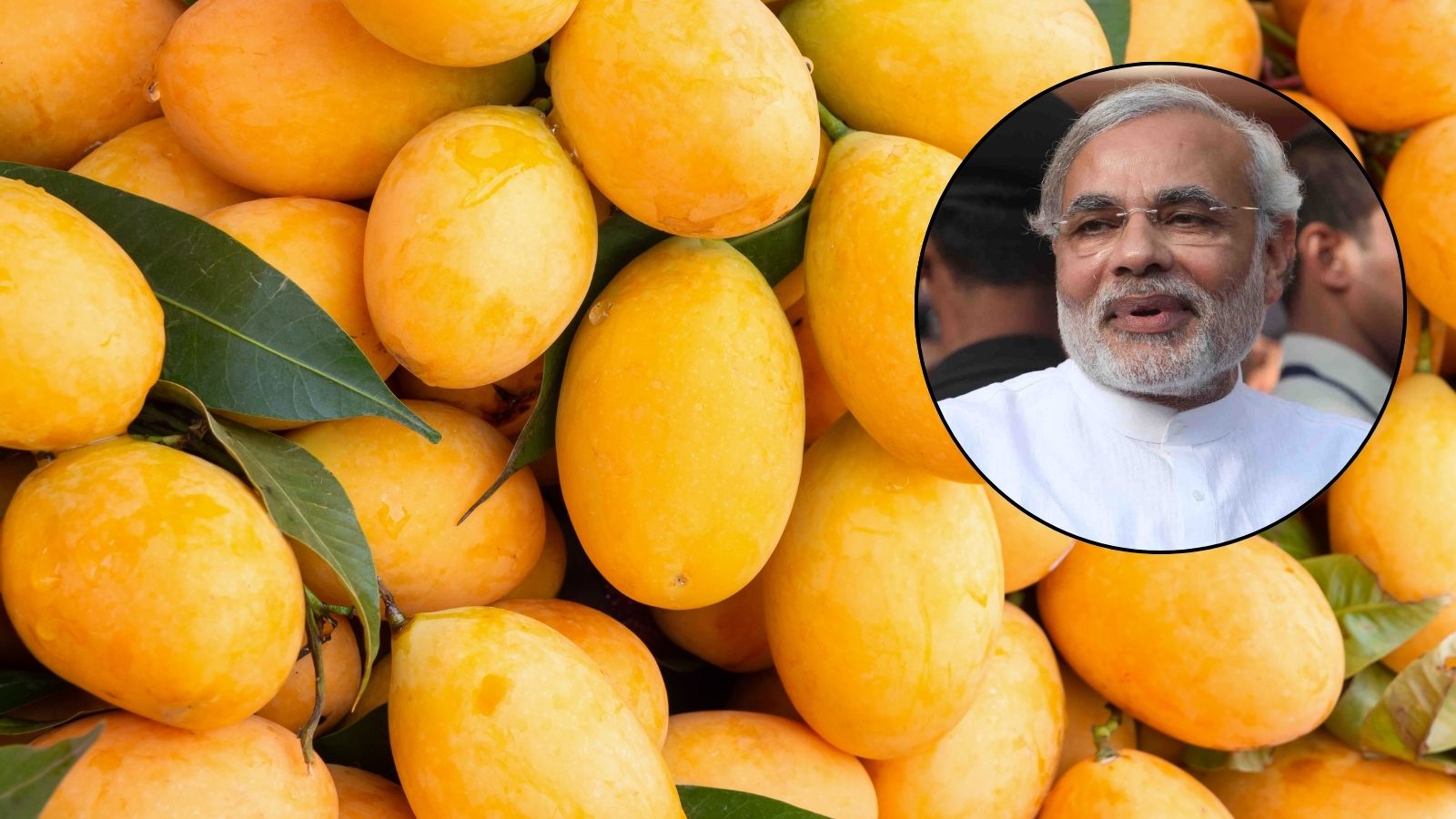
In the most recent episode of his monthly radio program, Mann Ki Baat, Prime Minister Narendra Modi paid a glowing tribute to this iconic fruit, highlighting the staggering diversity of Indian cultivars and the tireless efforts of the farmers who bring them to market. His remarks have sparked a renewed national dialogue on the intersection of biodiversity, agricultural economics, and the cultural heritage that defines the Indian summer.
Main Facts: A Continental Diversity in a Single Fruit
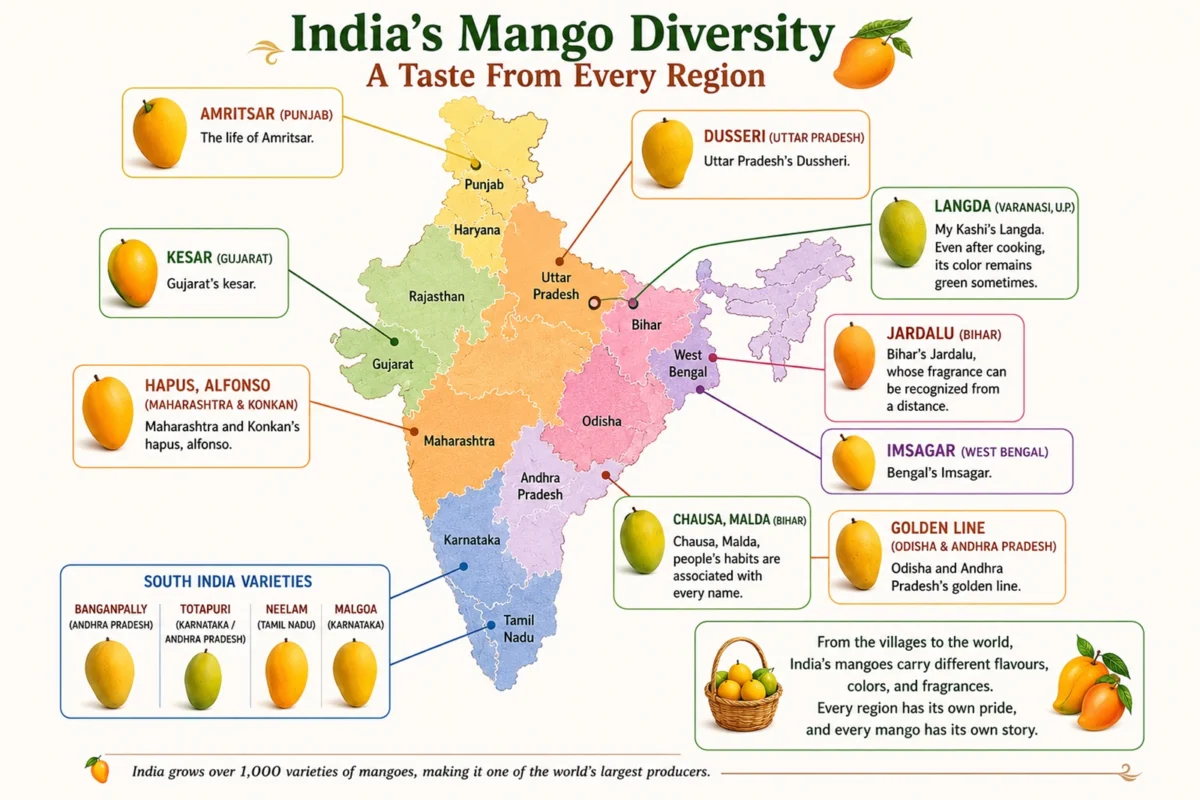
India is the world’s largest producer of mangoes, accounting for approximately 40% to 50% of global production. However, the true story of the Indian mango lies not in its volume, but in its variety. From the sun-drenched orchards of the Konkan coast to the fertile plains of the Ganges, India nurtures over 1,000 varieties of mangoes, of which about 30 are grown commercially.
During his address, Prime Minister Modi emphasized that the arrival of summer in India is synonymous with the arrival of the mango. "As soon as summer comes, another discussion starts in every house," the Prime Minister noted. "There isn’t a house in India where mango is not discussed in summer."
The Prime Minister’s speech served as a virtual tour of India’s pomological geography. He specifically cited:
- The Alphonso (Hapus): Hailing from Maharashtra’s Konkan region, celebrated for its buttery texture and rich aroma.
- The Kesar: Gujarat’s pride, known for its intense sweetness and saffron hue.
- The Dasheri and Langda: The staples of North India, particularly Uttar Pradesh and Varanasi (Kashi), known for their distinct fragrances and heritage.
- The Banganapalli and Totapuri: The giants of the South, offering firm textures and balanced acidity.
- The Himsagar and Jardalu: Representing the East, with Bihar’s Jardalu noted for a fragrance that "can be recognized from a distance."
This diversity is not merely a matter of taste; it is a reflection of India’s varied micro-climates and the sophisticated traditional knowledge of its farming communities.
Chronology: From Ancient Orchards to Modern Markets
The history of the mango in India spans over 4,000 years. Ancient Sanskrit literature refers to it as Amra, a fruit of the gods. Historically, the evolution of specific varieties can be traced through different eras:
- The Mughal Influence: It was during the Mughal era that systematic grafting and the establishment of vast royal orchards (like the Lakhi Bagh in Darbhanga) began. Varieties like the Chausa are said to have been named by Emperor Sher Shah Suri to celebrate a military victory.
- Colonial and Post-Independence Expansion: During the 19th and 20th centuries, regional varieties were further refined. The Alphonso gained international fame during the British Raj, named after Afonso de Albuquerque, a Portuguese general who helped establish mango grafting in India.
- The Modern Era of GI Tags: In the last two decades, the Indian government has moved to protect these regional identities through Geographical Indication (GI) tags. This legal protection ensures that only mangoes grown in specific regions—such as the Gir Kesar or the Malda of West Bengal—can carry the prestigious name, preventing "counterfeit" produce from diluting the brand.
- The 2024 Address: Prime Minister Modi’s recent Mann Ki Baat serves as the latest milestone in this chronology, shifting the focus from mere consumption to the economic empowerment of the "special" farmers who sustain this industry.
Supporting Data: The Science of Terroir and Economics
To understand why a Langda from Varanasi cannot be replicated in the soils of Karnataka, one must look at the science of "terroir"—the combination of soil, climate, and topography.
The Impact of Soil and Climate
Alok Singh, an expert on food history and science at Diga Organics, explains that the unique sensory profiles of these mangoes are the result of precise agro-climatic conditions.
- Coastal Influence: The Alphonso owes its saffron flesh and aroma to the lateritic (iron-rich) soils of the Konkan and the salty sea breeze.
- Semi-Arid Advantage: The Kesar of Gujarat thrives in dry conditions, which stress the tree just enough to concentrate sugars and aromatic oils in the fruit.
- Alluvial Fertility: The Himsagar and Malda of the East benefit from the deep, nutrient-rich silt of the Indo-Gangetic plains, resulting in a juicy, fibreless consistency.
Economic Indicators
The mango industry is a vital pillar of the Indian agricultural economy.
- Production: India produces over 20 million tonnes of mangoes annually.
- Export Growth: While India consumes the vast majority of its mangoes domestically, exports are surging. According to APEDA (Agricultural and Processed Food Products Export Development Authority), India exports mangoes to over 50 countries, including the USA, UK, UAE, and Japan.
- Price Determinants: Singh notes that the cost of premium varieties like the Alphonso is driven by low yields and a short harvest window. "Consumers are paying not just for the fruit but for its reputation and consistency," he explains. High logistics costs, especially for air-freighted exports, also contribute to the "premium" price tag of these varieties.
Official Responses: The Prime Minister’s Call to Action
In his address, Prime Minister Modi did more than just list varieties; he framed mango cultivation as a patriotic and economic endeavor. His message was a clear nod to the "Vocal for Local" and "Atmanirbhar Bharat" (Self-Reliant India) initiatives.
"Today, through Mann Ki Baat, I will praise my farmer brothers and sisters associated with the production of mangoes," the Prime Minister stated. "You are not a common farmer for the country’s agricultural economy; you are very special. Keep spreading like this."
This official recognition is seen by analysts as a signal to further modernize the supply chain. By calling these farmers "special," the Prime Minister is acknowledging the high-stakes nature of horticulture, where a single unseasonal rain or heatwave can wipe out an entire year’s income. The government’s response has included:
- Expansion of "Mango Clusters" under the Cluster Development Programme.
- Subsidies for cold storage and ripening chambers to reduce post-harvest losses.
- Diplomatic efforts to open new international markets, such as the recent easing of export norms for Indian mangoes to the United States.
Implications: Health, Sustainability, and the Future
As the mango season reaches its peak, the implications of this national focus extend into the realms of public health and environmental sustainability.
Nutritional Value and Health
Despite their high sugar content, mangoes are a nutritional powerhouse when consumed in moderation. Alok Singh emphasizes that different colors signify different benefits. "Deep yellow and orange-fleshed mangoes such as Alphonso and Kesar generally contain higher levels of carotenoids, which support eye and immune health," he says.
However, experts warn against the consumption of chemically ripened fruits. The Prime Minister’s celebration of regional varieties also serves as a subtle endorsement of natural ripening processes that preserve the fruit’s integrity and health benefits.
Climate Change Challenges
The future of the Indian mango is inextricably linked to climate change. Rising temperatures and erratic flowering cycles are posing significant threats to traditional mango belts. The "Langda" of Kashi and the "Dasheri" of Malihabad are increasingly facing heat-stress, leading to fruit drop and reduced quality.
The implication for the future is a necessary shift toward climate-resilient farming practices. This includes drip irrigation, organic mulching, and perhaps the migration of certain varieties to more hospitable micro-climates.
Cultural Continuity
Finally, the Prime Minister’s remarks underscore the role of the mango as a "cultural glue." In an era of rapid urbanization, the shared experience of eating a mango—whether it is the ritual of soaking them in a bucket of cold water or the heated debates over which state produces the best fruit—remains a cornerstone of Indian identity.
Conclusion
The Indian mango is far more than a summer snack; it is an ambassador of India’s biological wealth and a testament to the skill of its farmers. Prime Minister Modi’s address in Mann Ki Baat has elevated the humble fruit to its rightful place as a national treasure. As the industry moves from the "village to the global market," the challenge will be to maintain the soul of these regional varieties—the specific taste, fragrance, and history—while scaling up to meet the demands of a hungry world.
Disclaimer: This article is based on information from the public domain and expert insights. Always consult your health practitioner or a certified nutritionist before starting any new dietary routine, especially regarding the consumption of high-sugar fruits.