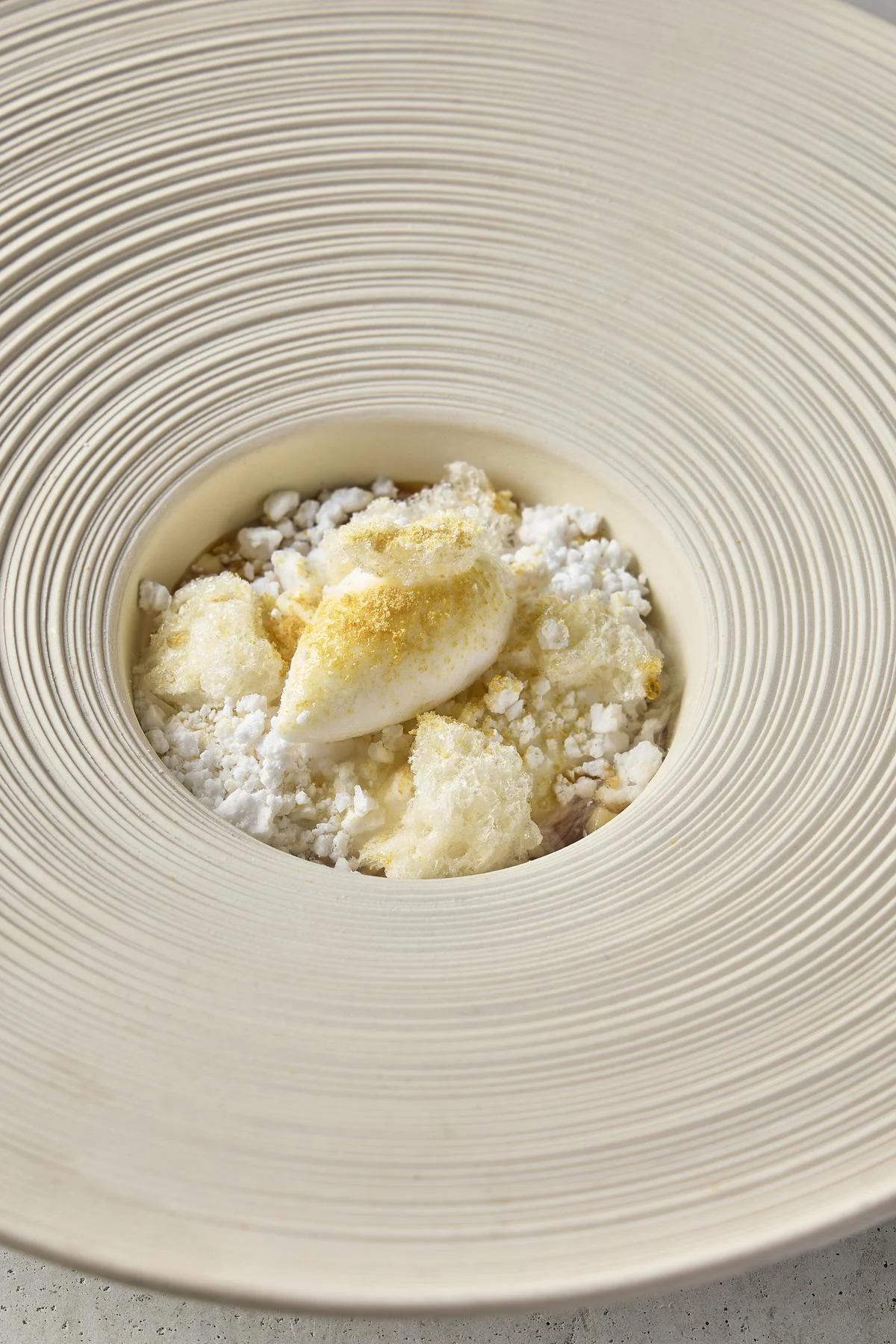
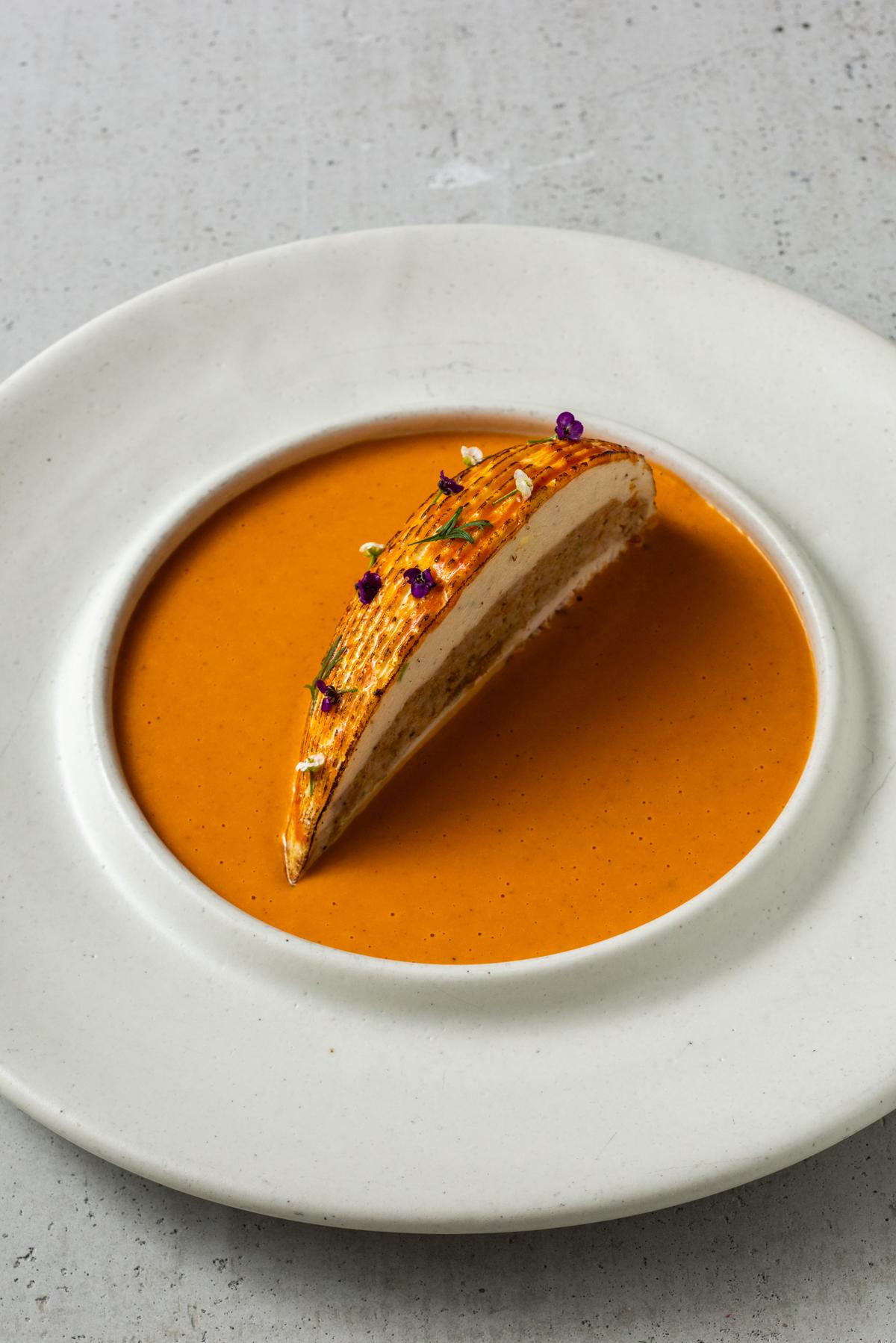
At the Michelin-starred Indienne in Chicago, a 90-seater sanctuary of modern gastronomy, the dining experience begins with a visual deception. A server places a dish before you that possesses all the hallmarks of a contemporary French masterpiece: a precise, mathematical curl of sauce; a delicate, almost fragile construction of protein; and a polished white plate reflecting an architectural restraint that borders on the minimalist. It looks like the product of a Parisian atelier. However, the first bite shatters the illusion. The palate is immediately enveloped in the unmistakable, soulful warmth of butter chicken.
This is the world of Chef Sujan Sarkar, a culinary artist who has spent the last decade dismantling the global stereotypes of Indian cuisine. After cementing Indienne’s status as one of America’s most acclaimed dining destinations in Chicago, Sarkar has brought his visionary approach to Manhattan. On May 28, Indienne New York opened its doors at Henry Hall in Hudson Yards, marking a significant milestone in the evolution of Indian food in the United States.
Main Facts: The Arrival of Indienne in Manhattan
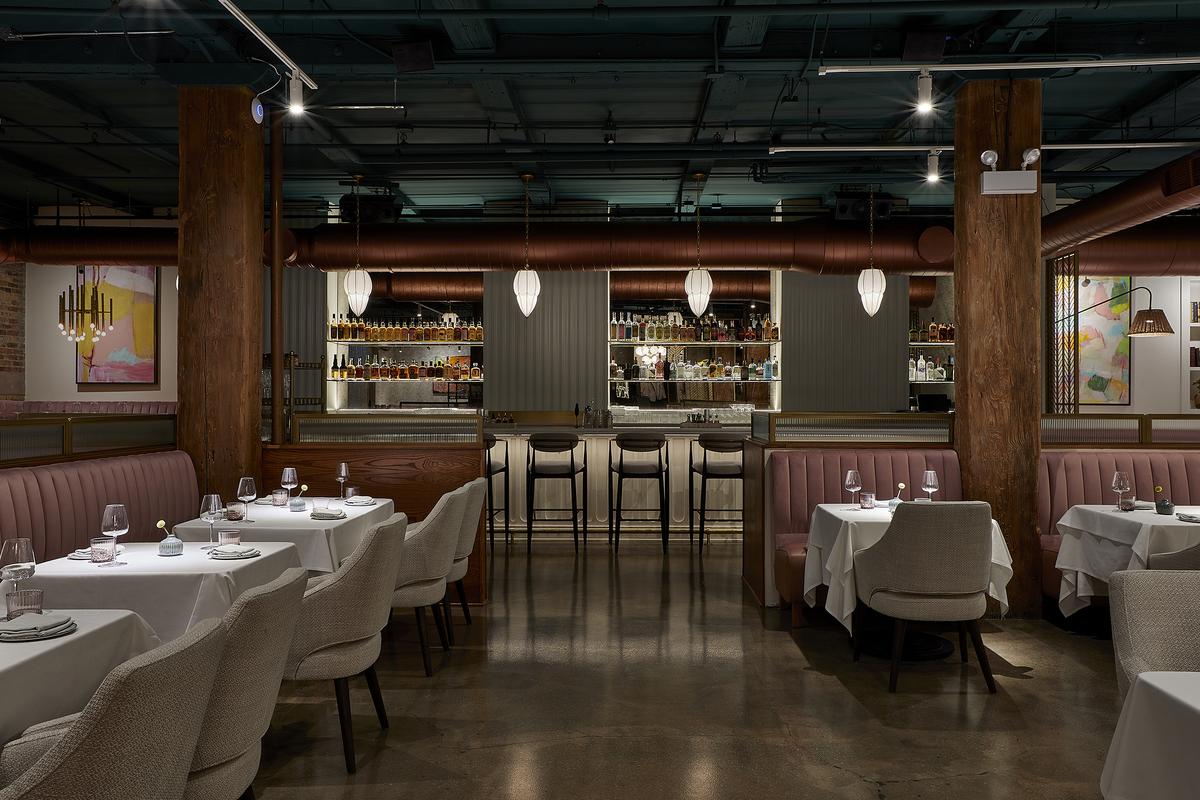
The New York iteration of Indienne is an intimate, 34-seater establishment located in the heart of the bustling Hudson Yards district. While smaller in scale than its Chicago predecessor, the Manhattan outlet represents a more concentrated, refined expression of Sarkar’s philosophy. The restaurant centers around a nine-course tasting menu—a format that Sarkar has perfected over years of experimentation.
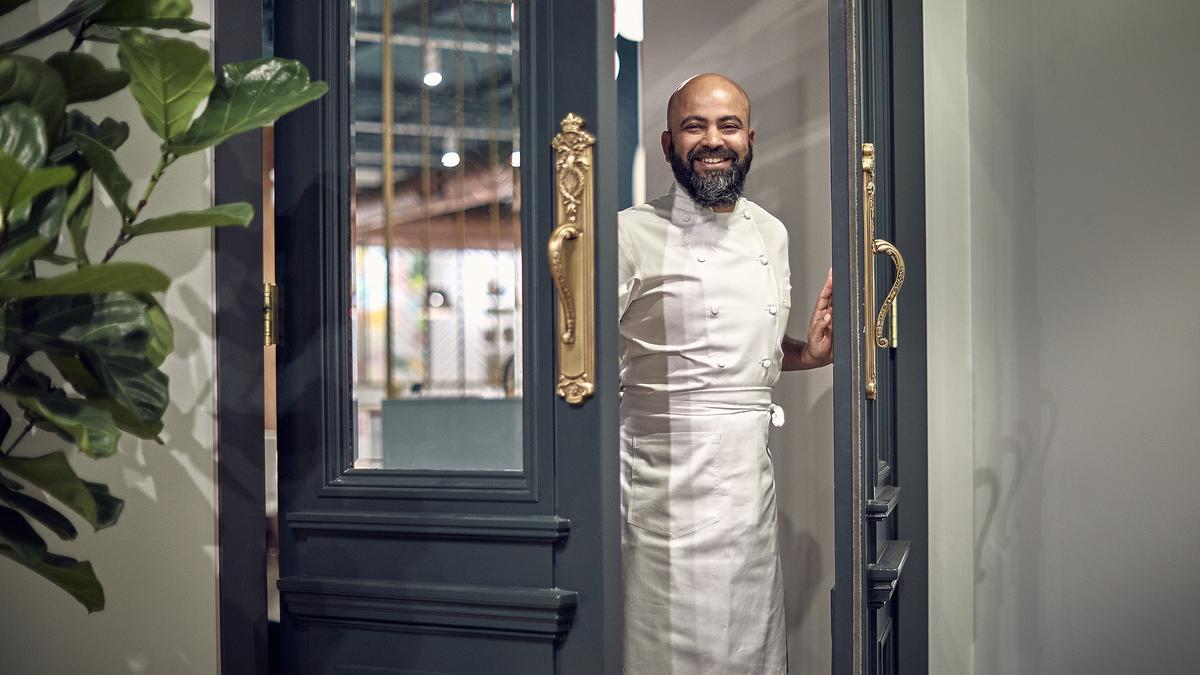
The opening arrives amidst a wave of high-profile Indian restaurant launches in New York, yet Indienne distinguishes itself through its rigorous adherence to technical European discipline applied to the deep, emotional archives of Indian flavor. The restaurant features an open kitchen, a deliberate design choice that allows diners to witness the "choreography" of a high-pressure tasting menu service, bridging the gap between the chef’s technical labor and the diner’s sensory enjoyment.
Chronology: From Post-Pandemic Risk to Michelin Glory
To understand the significance of the New York opening, one must look back at the trajectory of the original Indienne in Chicago. When Sujan Sarkar launched the restaurant in September 2022, the hospitality industry was still reeling from the aftershocks of the COVID-19 pandemic. At the time, the concept of a large-format Indian tasting-menu restaurant was viewed as a significant commercial gamble.
"We didn’t know if people would accept a fully Indian tasting-menu experience at that scale," Sarkar recalls. In the early days, he operated with a safety net, offering a menu that was 80% tasting-based alongside a smaller à la carte section. However, the market’s response was swift and decisive. By February 2023, less than six months after opening, the demand for the full experience was so overwhelming that Indienne transitioned exclusively to a tasting-menu format.
The accolades followed in rapid succession. Within a year, the restaurant earned a coveted Michelin star. It was subsequently showered with James Beard nominations and featured on the "Best New Restaurant" lists of Esquire and Bon Appétit. Perhaps more importantly, it became a fixture on Resy’s "Essential Restaurants" list, proving that the concept had not only critical acclaim but also genuine community staying power.
Supporting Data: The Technicality of Transformation
Sujan Sarkar’s culinary identity is a product of dual heritage. Before he began cooking Indian food professionally, he spent 11 years training in the rigorous environments of modern European and French kitchens across London and San Francisco. This foundation in Western technique—clarification, emulsification, sous-vide, and geometric plating—is the "language" he uses to speak about Indian food.
"Then I went back to India to really learn Indian cooking," he says. This homecoming allowed him to reconcile his technical prowess with his cultural roots. The result is a style he resists calling "fusion."
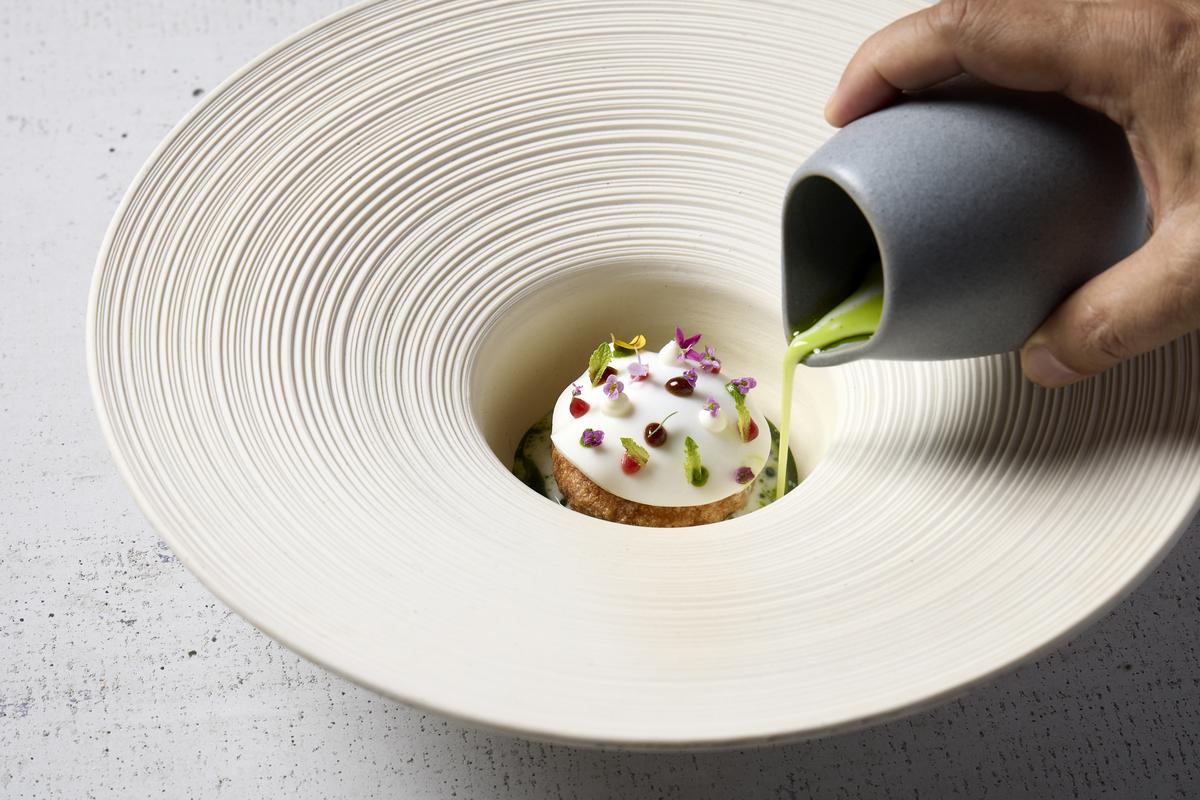
"The flavors remain Indian," he explains. "We are not adding French cheeses or wines and changing the soul of the food." Instead, the transformation is structural.
The Anatomy of a Dish
Consider the mushroom galauti kebab served at Indienne. Traditionally, a galauti is a melt-in-the-mouth meat patty from Lucknow, celebrated for its buttery texture and complex spice blend. Sarkar’s version retains the smokiness and the aromatic depth of the original but reconstructs it using earthy mushrooms, presented with a visual finesse that mirrors a fine pâté.
Other highlights of the menu include:

- Chicken Makhni: A deconstructed version of butter chicken where the smoky tomato and cream are folded into a breast layered with mousses and kebabs.
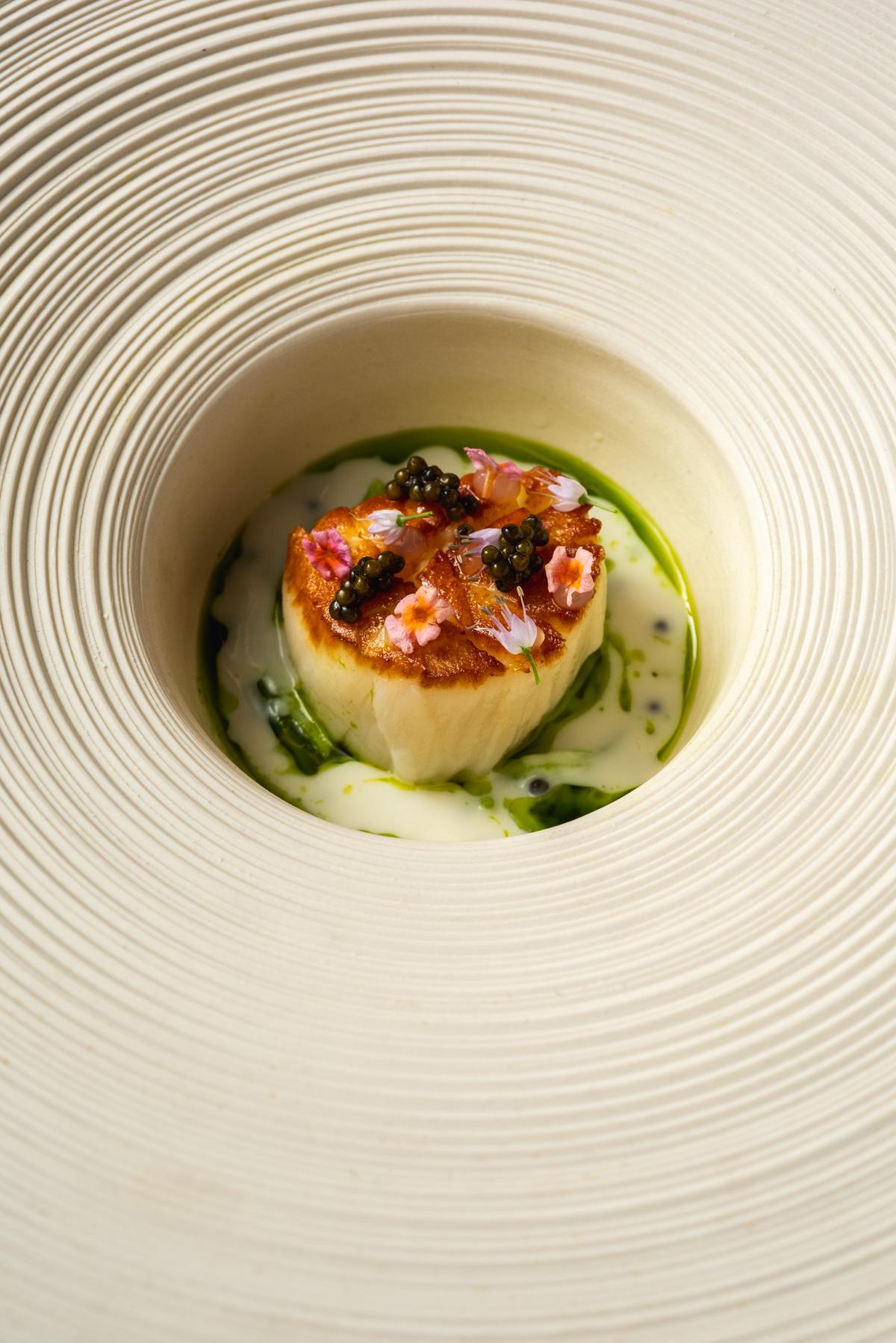
- Scallop Cafreal: A nod to Goan flavors, utilizing the acidity and herb-forward notes of a cafreal marinade but applied to perfectly seared scallops with an "architectural" garnish.
- Elaneer Payasam: A dessert based on tender coconut rice pudding, reimagined with the layers and textures of a modern pastry.
This data point—the use of over 100 tested dishes from the Chicago archives to curate the New York menu—highlights the rigorous R&D process that underpins the Indienne brand.
Official Responses: A Philosophy of Hospitality
While the food is the primary draw, Sarkar is vocal about the fact that a restaurant’s soul lies in its service. He believes that traditional high-end tasting menu restaurants can often feel rigid, cold, or intimidating.
"We try to say yes," Sarkar says, summarizing his approach to hospitality. "People should feel comfortable." This philosophy of "flexible fine dining" is a response to the growing "tasting menu fatigue" in major cities. At Indienne, the goal is to provide the precision of a Michelin-starred meal without the stifling formality.
This ethos extends to the beverage program. Under Sarkar’s direction, the drinks are not merely supplements but essential chapters of the narrative. The bar program features:
- Seasonal Gin and Tonics: Infused with Indian botanicals.
- Clarified Cocktails: Including a transparent Negroni that mirrors the clarity and precision of the food.
- Spirit-Free Pairings: Elaborate, house-built non-alcoholic beverages designed to match the complexity of the nine-course menu, ensuring that non-drinkers receive the same level of storytelling.
Implications: Redefining the Indian Narrative in America
The opening of Indienne in New York carries implications that stretch far beyond the borders of Hudson Yards. For decades, Indian food in the United States was largely relegated to two categories: the "curry house" takeaway or the "exotic" buffet. While pioneers like the late Floyd Cardoz began to break these barriers, Sarkar is part of a new vanguard that is pushing Indian cuisine into the "contemporary serious" category.
1. Moving Beyond the "Exotic"
Indienne represents a shift where Indian food is no longer viewed through a colonial or "orientalist" lens. It is not presented as an exotic spectacle but as a sophisticated culinary system capable of nuance, technicality, and narrative.
2. The Multi-Concept Ecosystem
Sarkar’s success with Indienne has allowed him to build a diverse restaurant ecosystem. His portfolio includes:
- Rooh: A more casual but still modern Indian concept with locations in San Francisco and Chicago.
- Nadu: A Chicago-based restaurant focusing on regional coastal Indian food without the modern reinterpretation, proving that Sarkar respects tradition as much as he enjoys reinventing it.
- Cocktail Bars and Cafes: Expanding the brand into lifestyle spaces.
3. A Confident Vocabulary
The most significant implication of the New York launch is the arrival of an Indian fine-dining vocabulary that is confident enough to reinvent itself. By using French techniques to express Indian memories, Sarkar is creating a "third space" in gastronomy—one where the "soul" of the dish remains rooted in the subcontinent, but the "body" of the dish is global.
As Indienne New York begins its journey, it stands as a testament to the fact that Indian cuisine is no longer just a "comfort food" in the American consciousness. It is a high-art form, capable of standing shoulder-to-shoulder with the finest French and Japanese kitchens in the world, all while maintaining its distinct, spicy, and soulful accent. For Sujan Sarkar, the move to Manhattan isn’t just about expansion; it’s about proving that the "memory" of a dish can be even more powerful than the dish itself.