

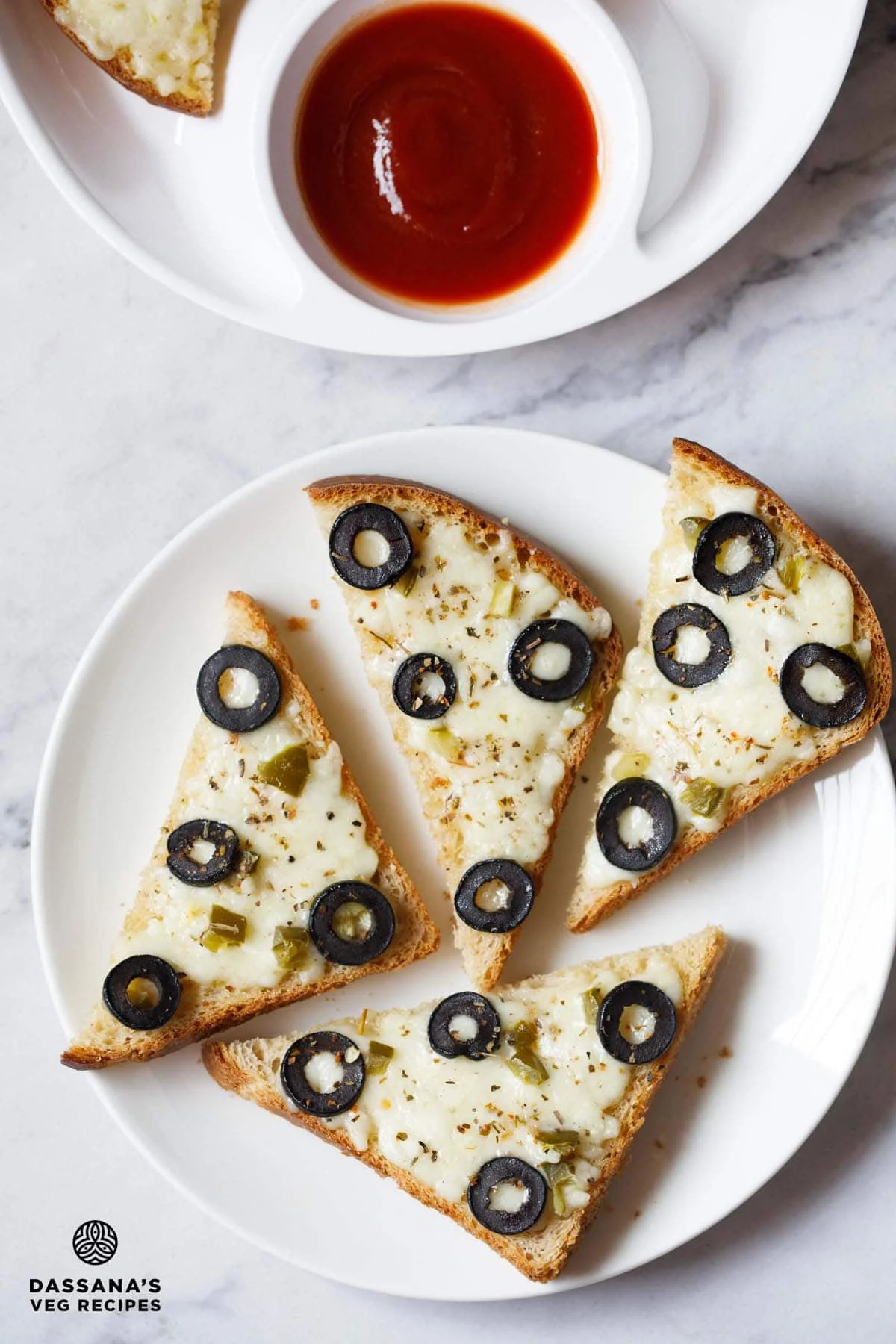
In the fast-paced landscape of contemporary urban gastronomy, few dishes bridge the gap between humble home cooking and sophisticated cafe culture as effectively as the Chilli Cheese Toast. What began as a resourceful way to utilize day-old bread has transformed into a versatile canvas for culinary expression. Combining the sharp bite of capsicum and chilies with the indulgent melt of blended cheeses, this dish has secured its position as a quintessential snack across the Indian subcontinent and beyond.
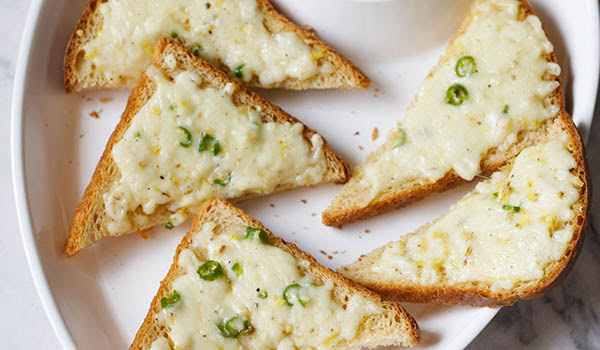
The appeal of Chilli Cheese Toast lies in its accessibility and the speed of its preparation. As a dish that demands minimal prep time yet delivers a complex profile of textures—crunchy, gooey, and spicy—it serves as a primary solution for breakfast, evening tea-time, or a light midnight meal. Recent trends in the culinary world indicate a bifurcation of the recipe: the traditional "Indian-style" which emphasizes aromatic roots like ginger, and the "Cafe-style" which leans toward Mediterranean influences such as olives and jalapeños.
Chronology: The Ancestry and Adaptation of Toasted Cheese
The lineage of cheese on toast can be traced back to the 18th-century British dish known as Welsh Rarebit, a savory sauce of melted cheese and various other ingredients served over toasted bread. However, as the concept traveled through the British Empire, it underwent significant regional adaptations.
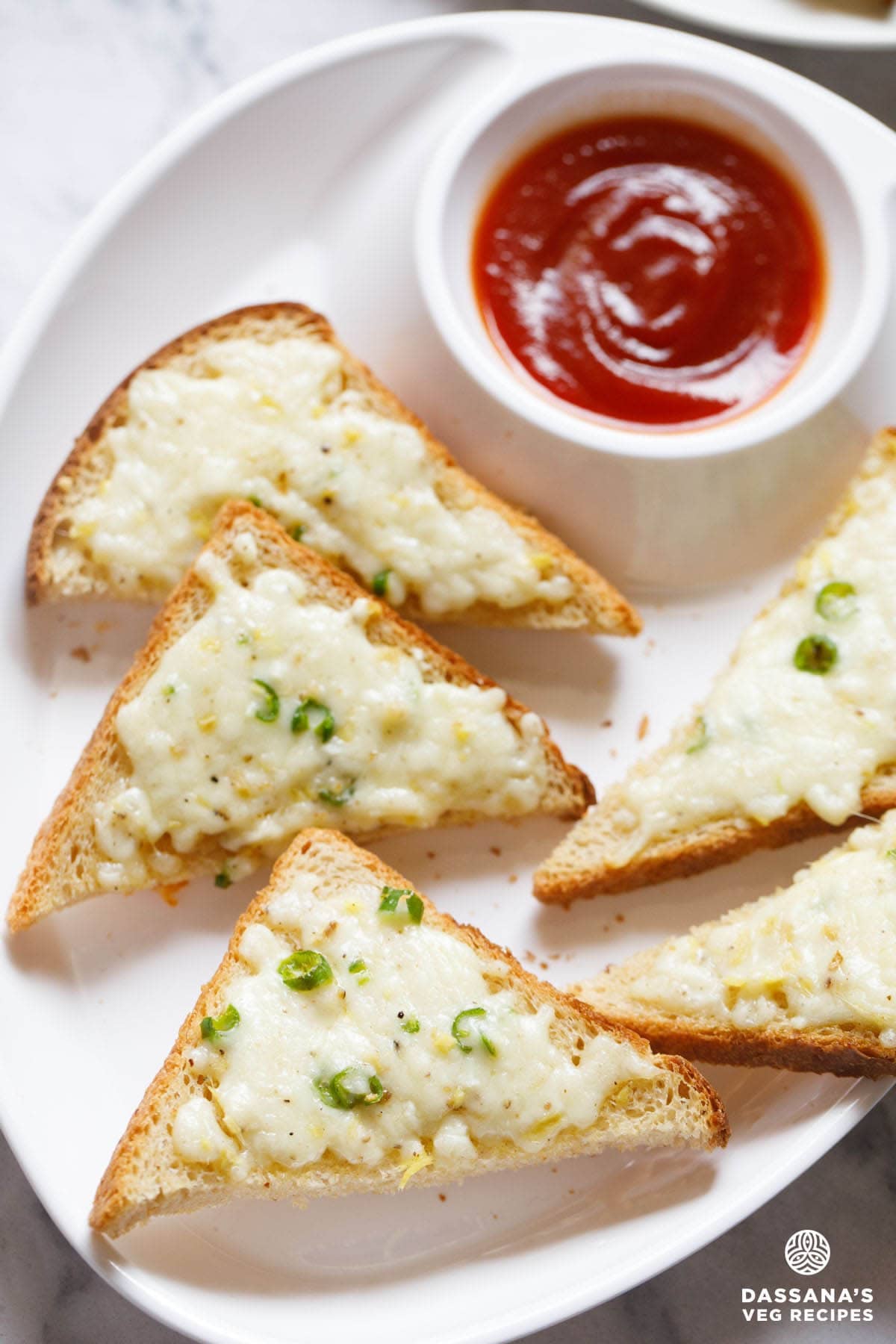
In the Indian context, the adaptation was driven by the local palate’s demand for heat and aromatics. The "Indian-style" Chilli Cheese Toast emerged in middle-class households during the late 20th century. It was during this period that the inclusion of finely chopped green chilies and, crucially, ginger, became a hallmark of the domestic version. This particular iteration was often a communal experience; it was a recipe passed between neighbors and shared over afternoon tea.
The narrative of this dish is often personal. Many culinary experts trace their affinity for the snack back to neighborhood influences. For instance, the "Auntie" archetype in Indian neighborhoods—who would generously share hot, ginger-laden cheese sandwiches—played a pivotal role in standardizing the domestic recipe. By the early 2000s, with the explosion of the "Cafe Culture" in cities like Mumbai, Bangalore, and Delhi, the dish was rebranded. It moved from the home kitchen to the commercial menu, where it was augmented with global ingredients like pickled jalapeños, dried oregano, and black olives to cater to a more cosmopolitan audience.
Supporting Data: Nutritional Profile and Technical Specifications
While often dismissed as a "junk food" snack, a technical analysis of Chilli Cheese Toast reveals a more nuanced nutritional profile. A standard serving of this dish—typically consisting of two to three slices of topped bread—contains approximately 239 calories.
Nutritional Breakdown (Per Serving):
- Proteins: 9g (primarily derived from the cheese blend).
- Total Fat: 22g (with 13g of saturated fat).
- Carbohydrates: 2g (excluding the bread base, which varies by type).
- Micronutrients: The dish is surprisingly rich in Calcium (235mg) and Vitamin A (666 IU), largely due to the use of high-quality cheddar and mozzarella.
- Sodium: At 642mg, the dish is high in salt, necessitating moderation for those on sodium-restricted diets.
The technical execution of the perfect toast requires a specific thermal environment. Culinary data suggests that preheating an oven to 230°C (445°F) is the optimal threshold. This high heat ensures that the bread undergoes the Maillard reaction—the chemical reaction between amino acids and reducing sugars that gives browned food its distinctive flavor—while simultaneously melting the cheese before the bread becomes overly desiccated.
Official Guidelines: Mastering the Two Variations
To achieve a professional-grade result, culinary experts recommend a bifurcated approach depending on the desired flavor profile. The following methodologies represent the "gold standard" for both domestic and commercial versions.
1. The Indian-Style Classic
The defining characteristic of this version is the "aromatic warmth" provided by ginger.
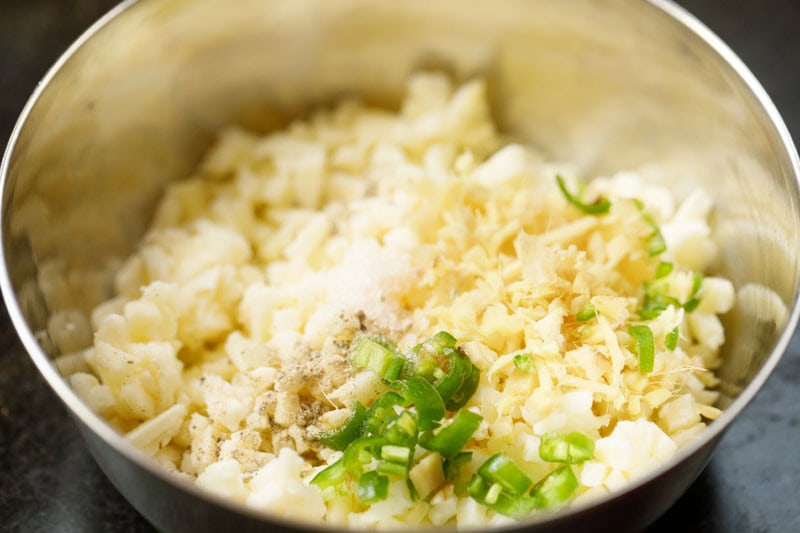
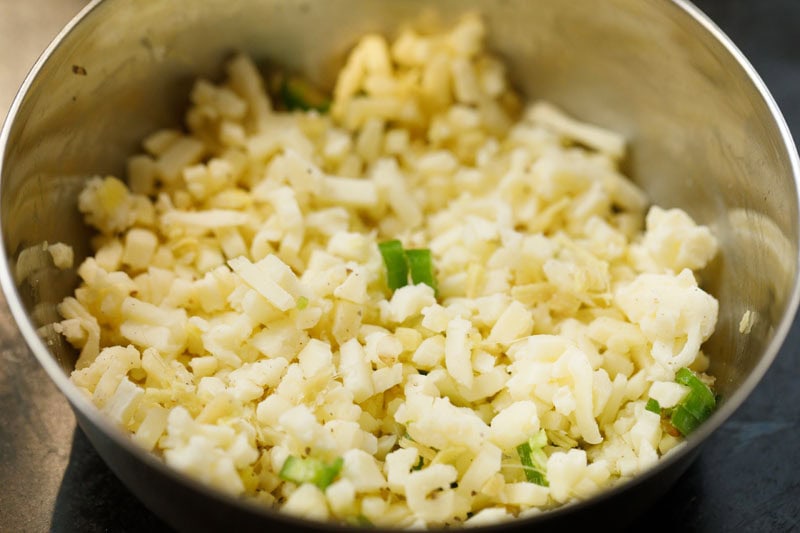
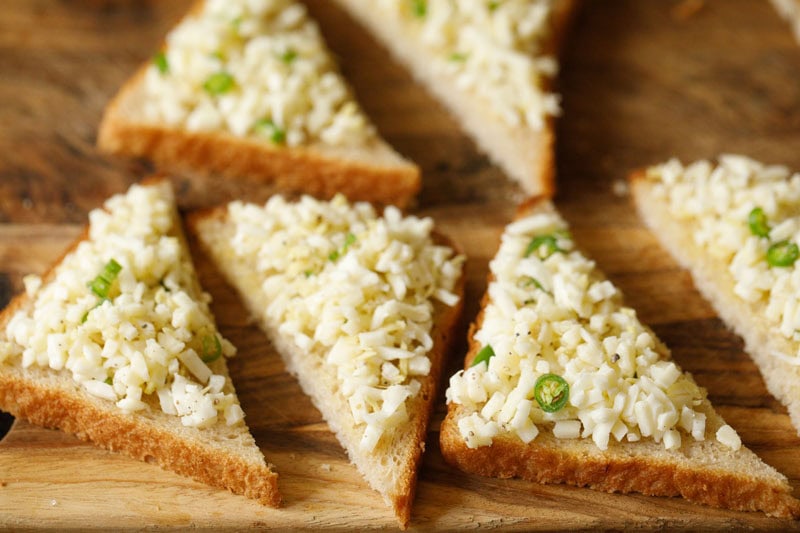
- The Blend: A 1:1 ratio of grated cheddar (for sharp flavor) and mozzarella (for elasticity).
- The Aromatics: Finely chopped green chilies provide the "front-end" heat, while minced ginger provides a "back-end" depth that cuts through the richness of the fat.
- The Seasoning: A minimalist approach using only black pepper and a pinch of salt, as the cheese itself is naturally saline.
- The Base: Whole wheat or multi-grain bread is often preferred for its structural integrity and nutty undertones.
2. The Contemporary Cafe-Style
This version prioritizes "tang and herb" over "heat and ginger."
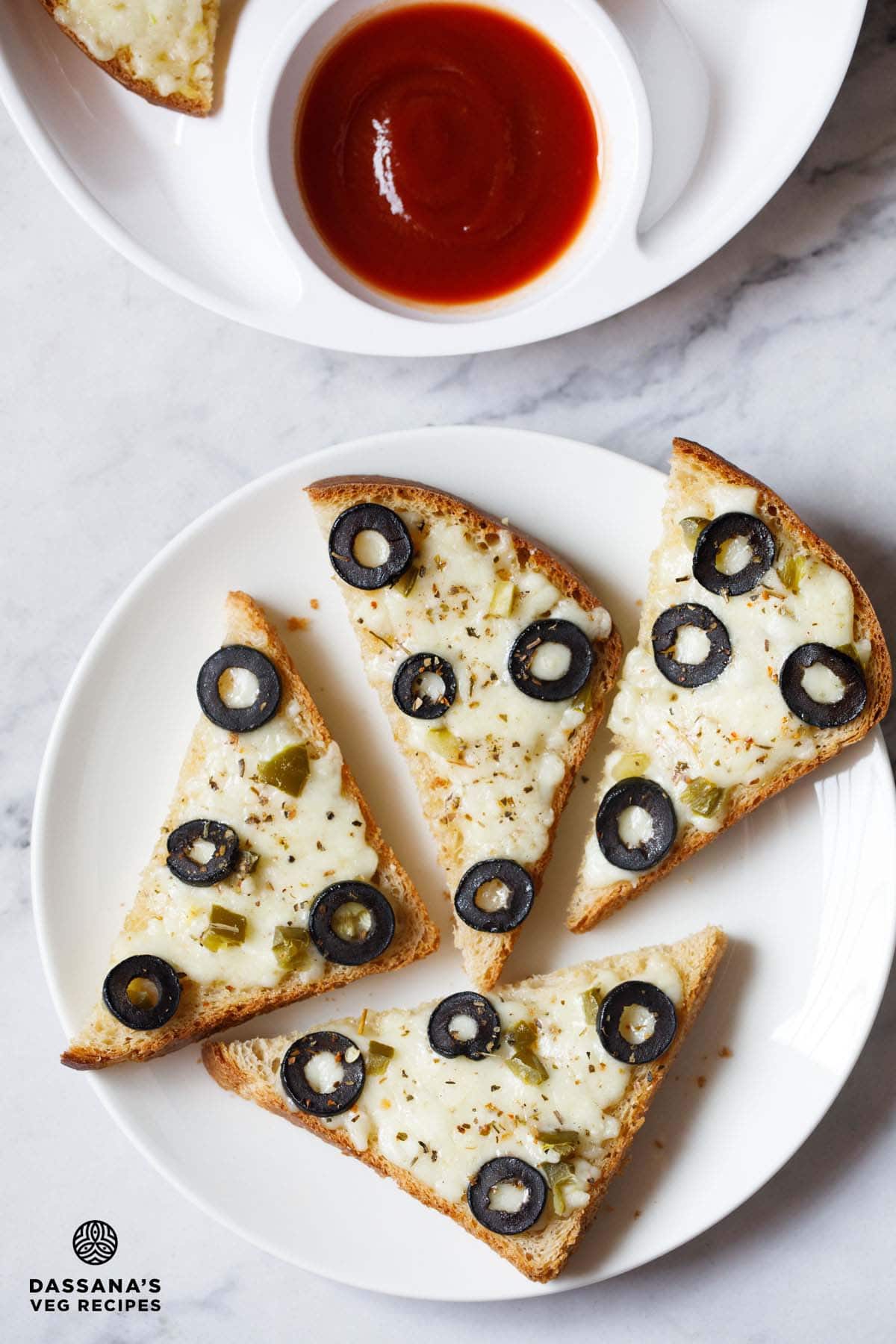
- The Toppings: Sliced black olives and pickled jalapeños offer a vinegary acidity that balances the heavy cheese.
- The Herbaceous Note: A "mixed herb" seasoning—usually a blend of dried oregano, basil, and thyme—is essential for the Mediterranean-fusion aroma associated with modern bistros.
- The Texture: Often served on thicker slices of sourdough or milk bread, this version is frequently grilled rather than baked to achieve a specific "char" on the cheese surface.
Expert Insights and Technical Tips
In the pursuit of the perfect Chilli Cheese Toast, professional chefs emphasize several critical "fail-safe" measures:
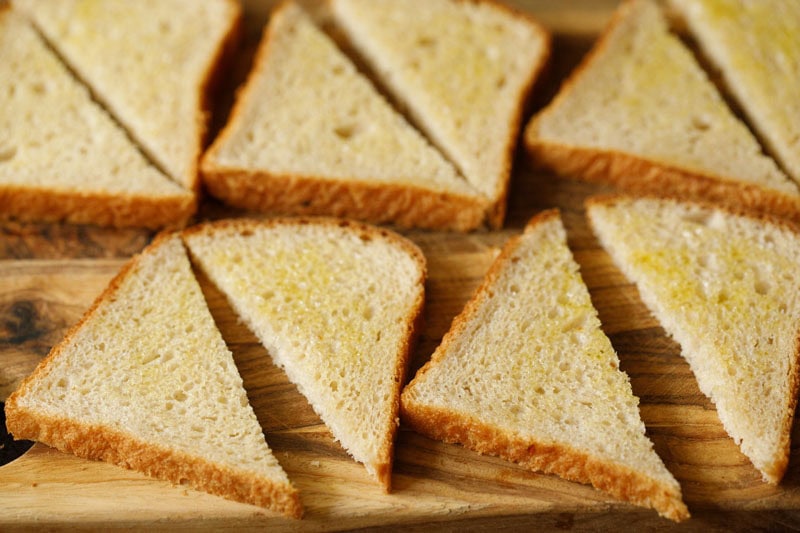
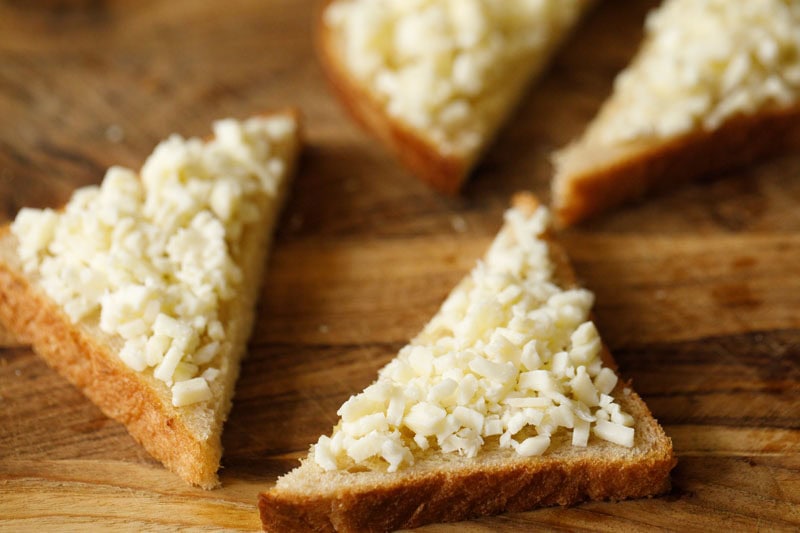
- The Moisture Barrier: Experts insist on spreading a thin layer of softened butter or olive oil on the bread slices before adding the cheese. This creates a fat-based barrier that prevents the cheese’s moisture from seeping into the bread, ensuring the final product remains crisp rather than soggy.
- Thermal Placement: When using a conventional oven, placing the tray on the lower rack initially helps the bread toast from the bottom up. In the final two minutes, moving it to the top rack or switching to a "broil" mode ensures the cheese achieves the desired golden-brown bubbles.
- Cheese Management: A common error is over-baking. If the cheese is heated for too long, the proteins tighten, resulting in a chewy, rubbery texture. The goal is to remove the toast the moment the cheese is fully melted and just beginning to brown.
- The Tawa Alternative: For those without an oven, a heavy-bottomed skillet (tawa) can be used. By covering the skillet with a lid and keeping the flame at its lowest setting, one can create a mini-convection environment that melts the cheese via trapped steam while toasting the bread on the direct heat.
Implications: The Cultural Significance of Bread Snacks
The enduring popularity of Chilli Cheese Toast reflects broader shifts in global eating habits. As urban populations face increasing time constraints, the "Bread Snack" category has expanded. Bread is no longer just a side dish; it is a primary vehicle for rapid nutrition and flavor.
Furthermore, the transition of this recipe from a private family secret (like the neighbor-auntie’s ginger cheese toast) to a public menu item highlights the "commodification of nostalgia." Cafes are increasingly looking to traditional home-cooked snacks to provide customers with a sense of comfort in an increasingly digital and disconnected world.
The Chilli Cheese Toast also serves as a prime example of "Glocal" cuisine—global in its basic components (bread and cheese) but intensely local in its seasoning (chilies and ginger). This fusion represents the future of food: a world where pantry staples from different continents reside in the same bowl, resulting in a dish that is at once familiar and exciting.
As we look toward future culinary trends, the Chilli Cheese Toast remains a resilient icon. Whether it is the sharp, ginger-infused crunch of a home-style tea snack or the herby, olive-topped indulgence of a high-end cafe, this dish continues to satisfy the universal human craving for something warm, cheesy, and just a little bit spicy. It is a testament to the fact that in the world of cooking, sometimes the simplest ideas—when executed with precision and a touch of history—are the ones that endure the longest.
