

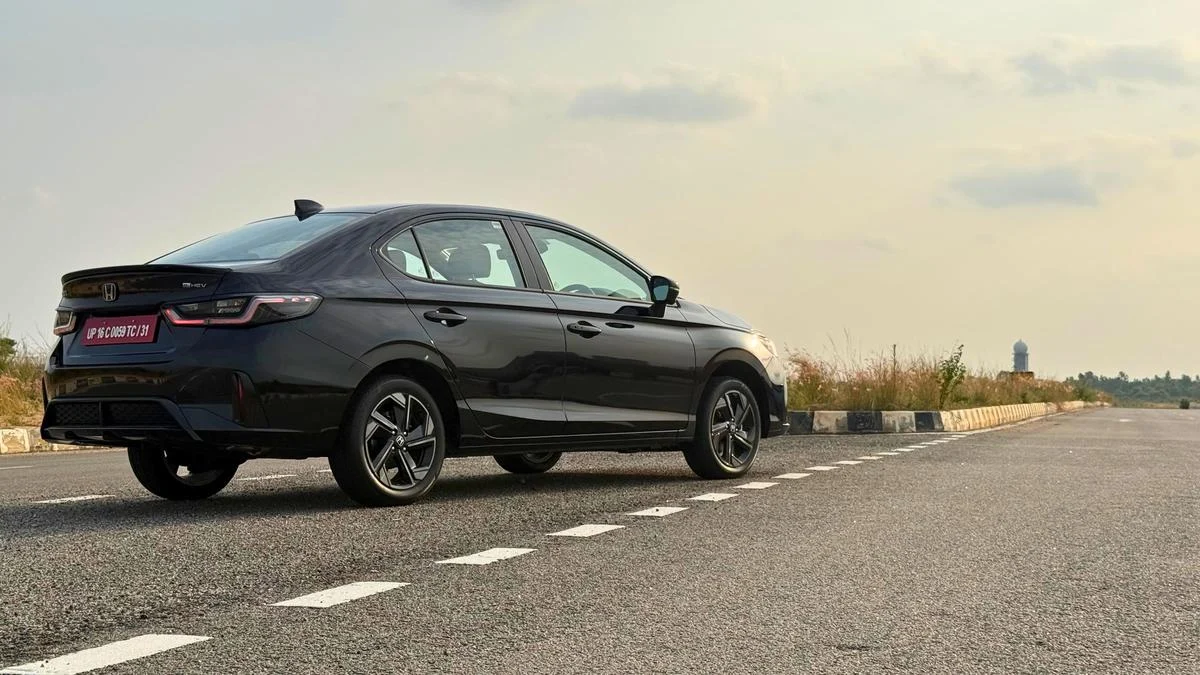
Main Facts: A Legend Reimagined for the Hybrid Era
For over two decades, the Honda City has been more than just a car in the Indian market; it has been a symbol of aspiration, reliability, and engineering finesse. However, the last few years have seen a seismic shift in the midsize sedan landscape. The conversation, once dominated by the "Big H," shifted toward the European flair of the Volkswagen Virtus and the Skoda Slavia. These turbocharged "twins" captured the enthusiast’s imagination with their explosive mid-range punch and Teutonic handling.
The 2026 Honda City, however, marks a definitive end to Honda’s period of quiet observation. This latest iteration is not merely a facelift; it is a strategic pivot. By doubling down on its "e:HEV" strong-hybrid technology, Honda is offering a proposition that its rivals currently cannot match: a seamless blend of near-instant electric torque and class-leading fuel efficiency. Priced between INR 11.99 lakh and 20 lakh (ex-showroom), the 2026 City aims to reclaim its throne not through raw aggression, but through a calculated balance of sophistication, technology, and real-world usability.
Chronology: The Evolution of an Icon
To understand the significance of the 2026 model, one must look at the City’s trajectory in the Indian subcontinent. Introduced in the late 1990s, the City became an overnight sensation for its high-revving VTEC engines. Over five generations, it evolved from a low-slung enthusiast’s dream to a premium family sedan.
In 2020, the fifth-generation City was launched, bringing with it a more mature design language and the introduction of Alexa integration—a segment first. However, as the market moved toward stricter emission norms and rising fuel costs, the demand for alternative powertrains grew. In 2022, Honda introduced the City e:HEV, marking the first time a mainstream midsize sedan in India featured a "strong" hybrid system.
The 2026 update represents the pinnacle of this journey. Honda has taken the feedback from the previous four years to refine the aesthetics and enhance the "Honda Sensing" ADAS (Advanced Driver Assistance Systems) suite. This update serves as a bridge between the internal combustion past and the inevitable electric future, positioning the City as the most "future-ready" vehicle in its current competitive set.
Supporting Data: Engineering the Hybrid Edge
The Powertrain Paradox
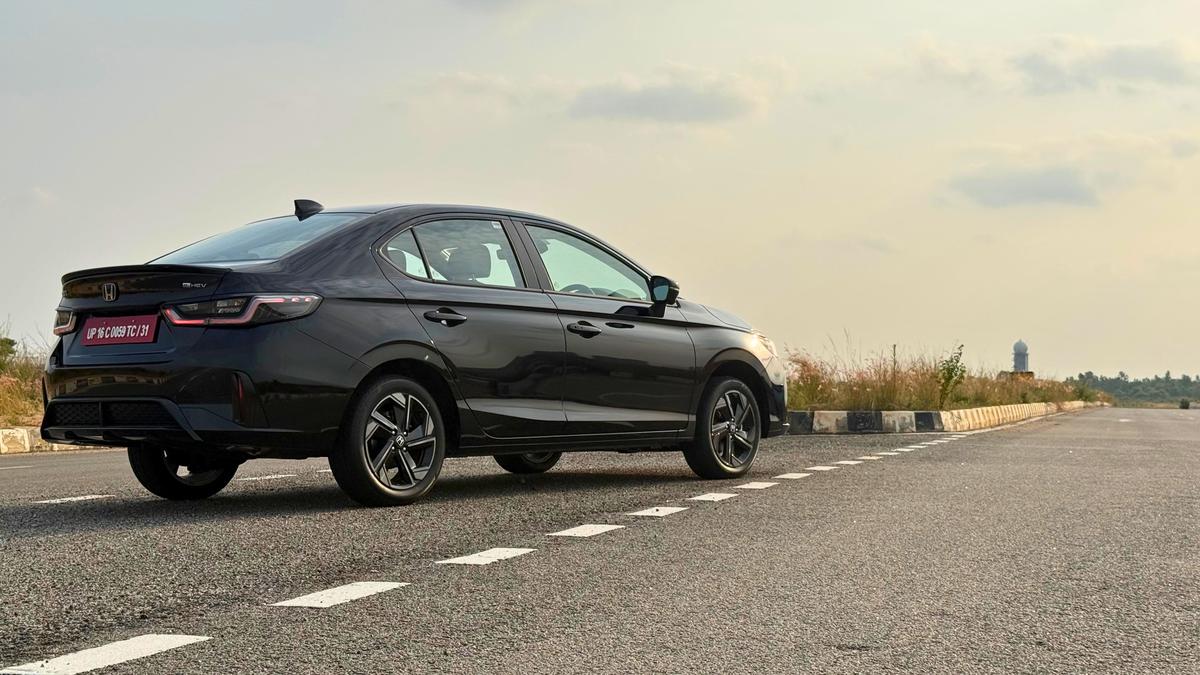
The heart of the 2026 Honda City Hybrid is its 1.5-litre Atkinson-cycle i-VTEC petrol engine, paired with a dual-motor electric system and a lithium-ion battery. On paper, the figures are respectable: a combined output of 126 PS and a substantial 253 Nm of torque. However, the data that truly matters to the modern consumer is the efficiency.
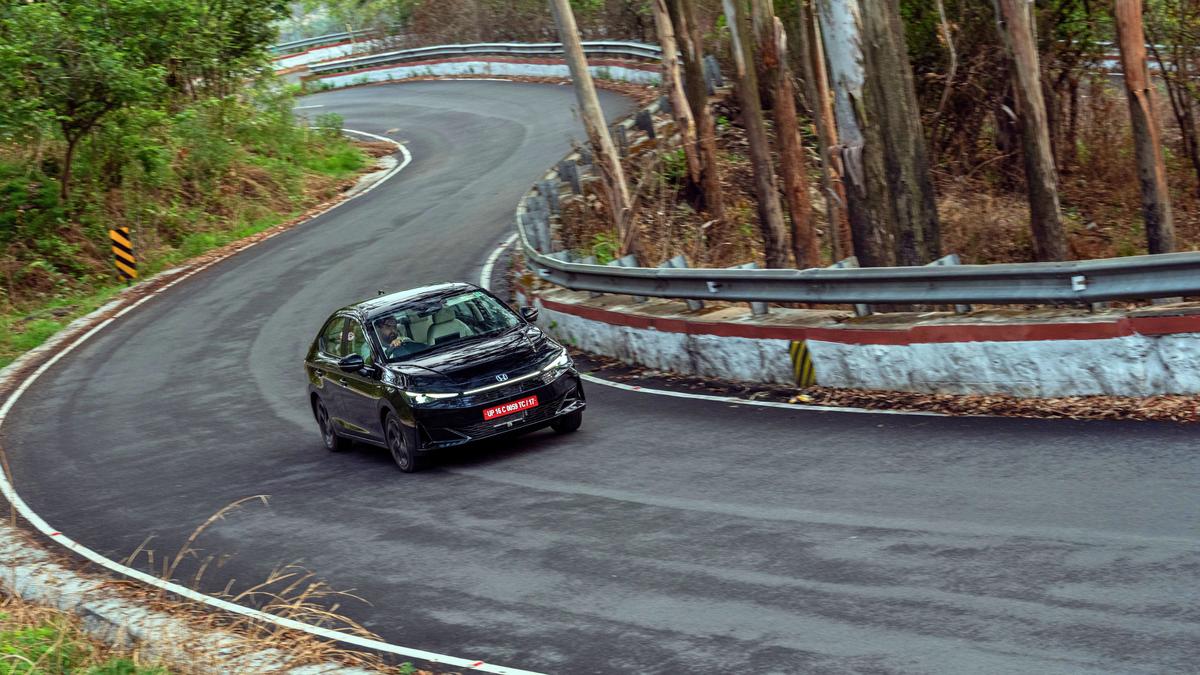
During rigorous testing across Bengaluru’s diverse terrain—ranging from congested urban corridors to the winding ascents of Nandi Hills—the City Hybrid returned a real-world fuel economy of approximately 23.5 km/l. When contrasted with the 12–14 km/l typically seen in turbocharged petrol rivals under similar conditions, the economic argument for the hybrid becomes undeniable.
Performance and Refinement
While the Volkswagen Virtus GT and Skoda Slavia 1.5 TSI are celebrated for their 0-100 km/h sprints (clocking in around 8.8 to 9 seconds), the Honda City Hybrid actually edges them out in off-the-line responsiveness. Thanks to the instant torque of the electric motor, the City Hybrid hits 100 km/h in just 7.9 seconds.
The car operates in three distinct modes:
- EV Drive Mode: The car runs entirely on battery power, ideal for silent, zero-emission low-speed crawling.
- Hybrid Drive Mode: The petrol engine acts as a generator to power the electric motor, which in turn drives the wheels.
- Engine Drive Mode: A lock-up clutch connects the petrol engine directly to the wheels for efficient high-speed cruising.
Design and Dimensions
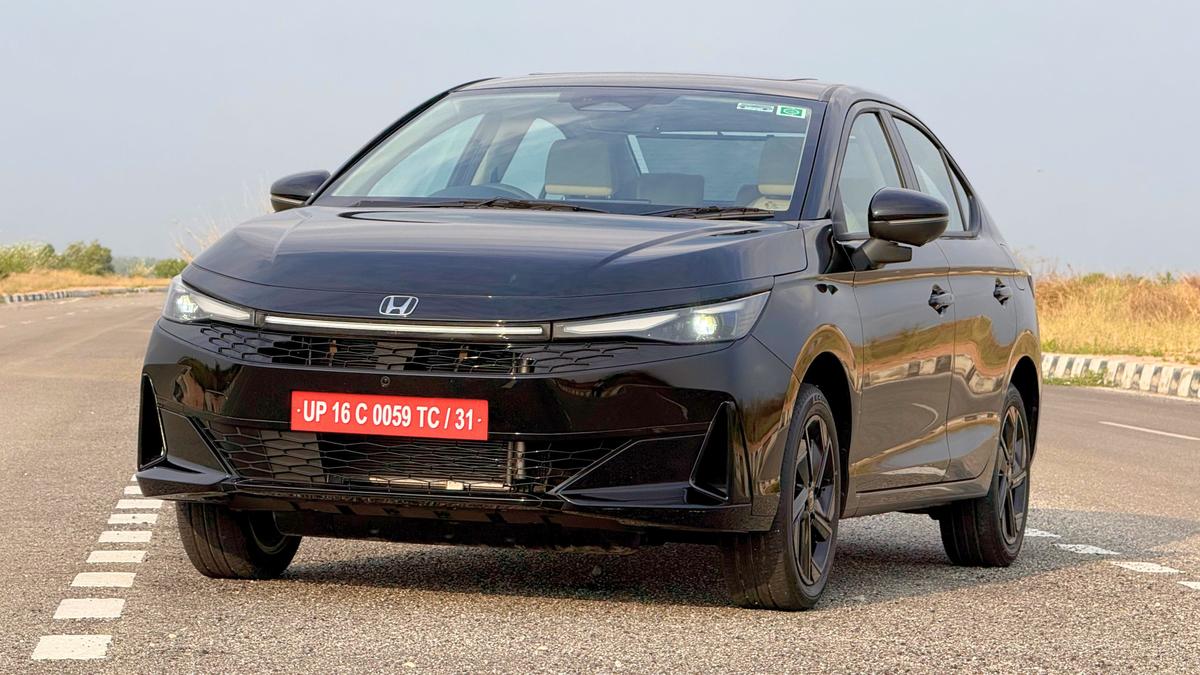
Measuring 4,594 mm in length, the City remains one of the longest cars in its segment. The 2026 refresh introduces "Blade-Eye" LED headlamps and a redesigned front grille that echoes the design language of Honda’s global flagships, like the Accord. Inside, the "Man Maximum, Machine Minimum" philosophy continues to provide a cavernous 506 litres of boot space in the petrol variants, though the hybrid’s battery reduces this slightly to accommodate the electrical architecture.
Official Stance: Honda’s Philosophy of Restraint
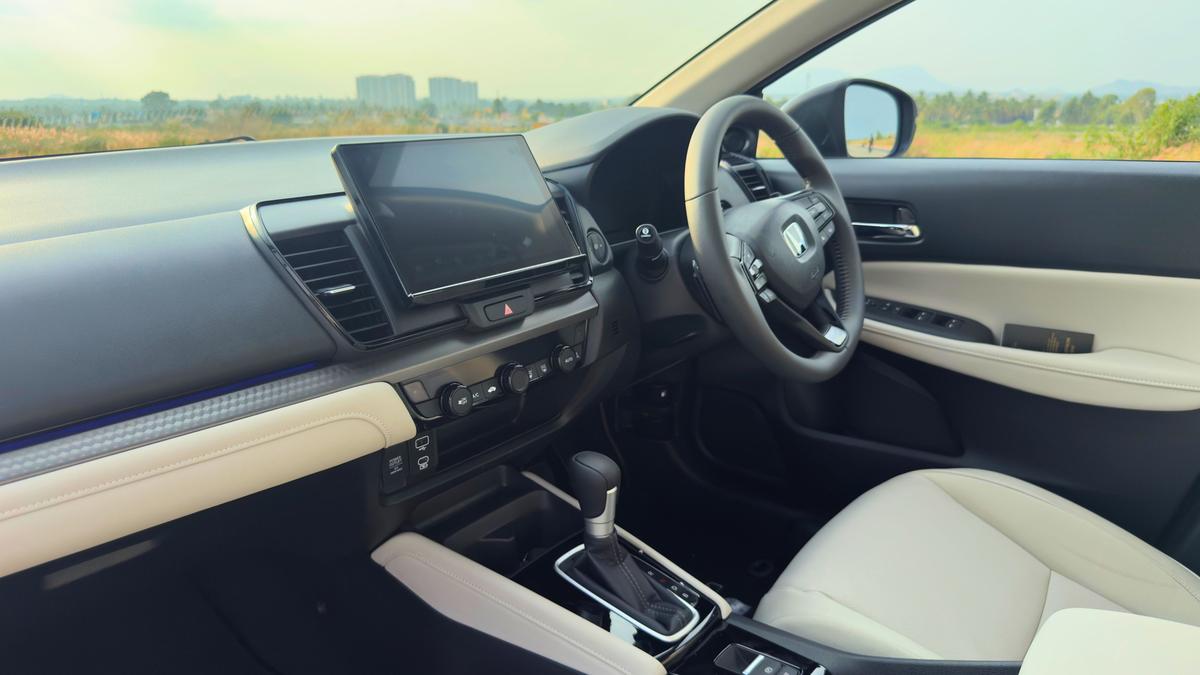
Honda’s approach to the 2026 update is characterized by what company insiders call "admirable restraint." Rather than chasing the polarising, futuristic design cues seen in the Hyundai Verna, Honda has opted for "understated sophistication."
Official communications from the brand emphasize that the City is designed for the "mature achiever"—a demographic that values longevity and refinement over fleeting trends. Honda’s engineering team focused heavily on NVH (Noise, Vibration, and Harshness) levels. The transition between the electric motor and the internal combustion engine is nearly imperceptible, a feat of calibration that Honda claims sets the City apart from "mild-hybrid" systems found in competitors, which offer little more than a glorified start-stop function.
Furthermore, Honda has made "Honda Sensing" more accessible. By standardizing six airbags across the range and offering ADAS features like Adaptive Cruise Control and Lane Keep Assist even in mid-tier trims, the company is positioning itself as a leader in automotive safety within the sub-25 lakh price bracket.
Implications: The Future of the Midsize Sedan
The arrival of the 2026 Honda City Hybrid has significant implications for the Indian automotive market and the broader transition to green mobility.
1. The Hybrid vs. EV Debate
While the industry is pushing toward full electrification, the infrastructure in India remains a challenge for many. The City Hybrid provides a "no-compromise" solution. It offers the silent, torque-rich experience of an EV without the "range anxiety" associated with charging stations. The success of the City Hybrid suggests that strong hybrids may be the most viable transition technology for the next decade.
2. The Resurgence of the Sedan
In an era where SUVs dominate sales charts, the Honda City proves that the sedan form factor still offers superior ride quality and aerodynamics. The 2026 model’s suspension tuning—which many testers have noted feels more composed than entry-level luxury cars from German marques—highlights the inherent balance of a well-engineered sedan.
3. Competitive Pressure
The City’s 23.5 km/l efficiency puts immense pressure on Volkswagen and Skoda. While the European brands have focused on "driving pleasure" through DSG gearboxes and TSI engines, they may soon need to look at hybridisation to meet tightening CAFE (Corporate Average Fuel Economy) norms and to appeal to the cost-conscious Indian buyer.
4. Consumer Sentiment
The 2026 Honda City is a "smart" purchase in a literal sense. With features like "Low-Speed Follow" in its adaptive cruise control and a 360-degree camera system, it addresses the daily pain points of urban driving. While the infotainment system’s graphics may lag behind the ultra-slick displays of the Hyundai Verna, the City’s focus on tactile quality and ergonomic comfort suggests a return to "functional luxury."
Conclusion: The Smartest Contender
The 2026 Honda City does not try to be a sports car, nor does it try to look like a spaceship. Instead, it doubles down on the virtues that made it a household name: space, comfort, and reliability, while adding a layer of high-tech efficiency that is perfectly suited for the current economic climate.
As fuel prices remain volatile and environmental concerns grow, the City’s strong-hybrid powertrain becomes its greatest weapon. The Virtus and Slavia may continue to win the hearts of those who spend their weekends on track days, but for the professional navigating the daily grind of city traffic and the occasional long-distance family trip, the Honda City is arguably the most complete package on the market today.
In the final analysis, the 2026 Honda City isn’t just a car that has "plenty of fight left in it." It is a car that has redefined the terms of the fight. It has moved the goalposts from "how fast can you go?" to "how well can you travel?" And in that particular race, Honda is currently leading the pack.
