

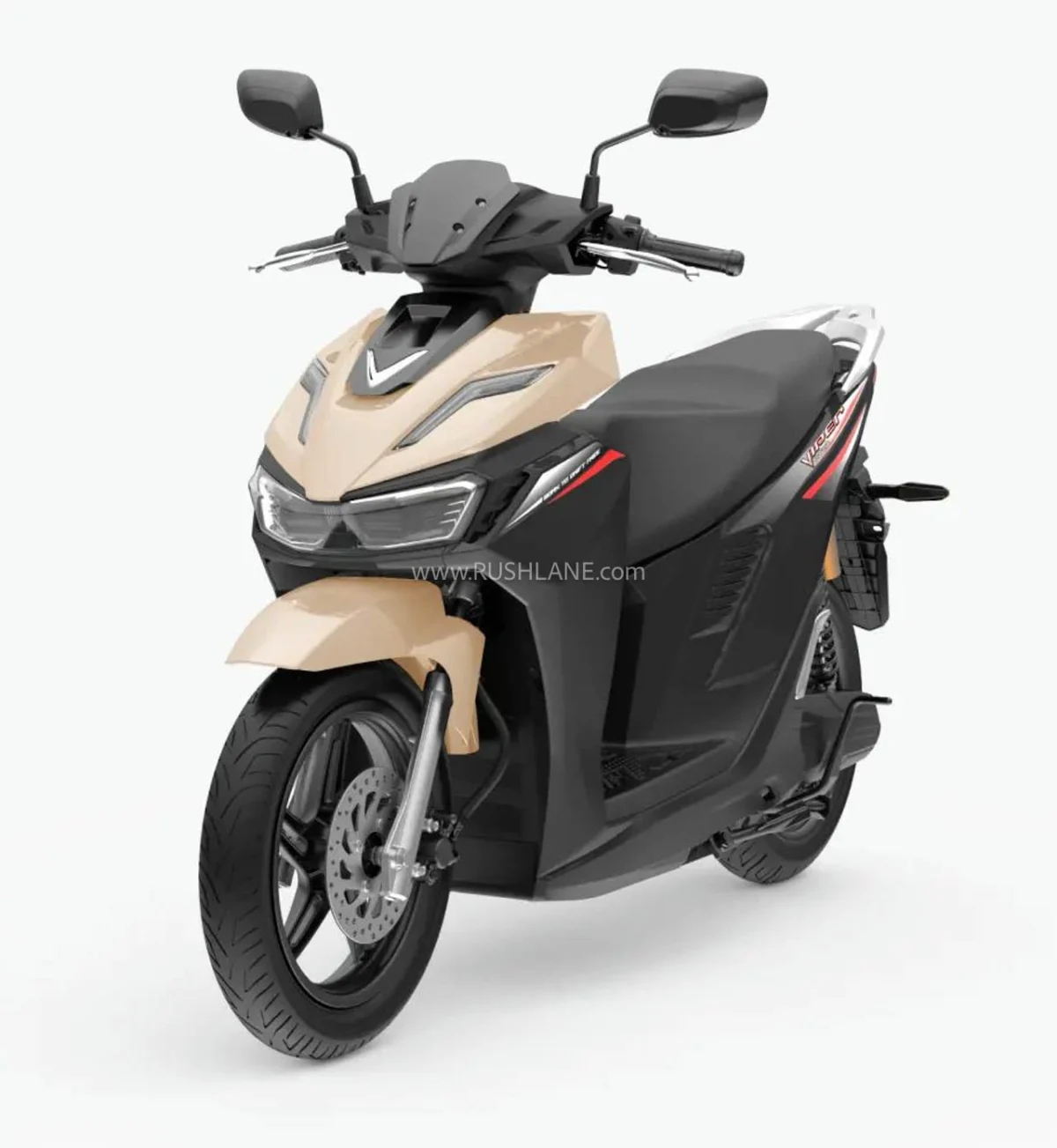
The Indian electric vehicle (EV) landscape is bracing for a significant shift as the Vietnamese electric mobility powerhouse, VinFast, moves closer to a multi-segment market entry. While the company’s primary focus has remained on its billion-dollar manufacturing facility in Tamil Nadu for electric cars, recent intellectual property filings have revealed a strategic pivot toward the lucrative two-wheeler sector. A new, previously unseen electric scooter design—widely believed to be the second-generation "Viper II"—has been patented in India, signaling VinFast’s intent to challenge domestic incumbents in the world’s largest two-wheeler market.
Main Facts: The Emergence of the "Viper II"
VinFast’s latest patent filing in India has sent ripples through the automotive industry. The design sketches depict a sleek, modern electric scooter that carries the distinct branding and design language of the Hai Phong-based manufacturer. Although VinFast has not officially launched this specific model in any global market yet, automotive analysts and enthusiasts have noted its striking resemblance to the existing VinFast Viper currently sold in Vietnam.
The patented design suggests an evolutionary leap rather than a revolutionary departure from the first-generation Viper. Referred to colloquially as the "Viper II," the scooter features a "tall-boy" silhouette, a design choice that prioritizes rider ergonomics and urban maneuverability. Key visual identifiers include a revised front fascia with an integrated LED lighting signature, a more aggressive fender, and a refined rear section.

This move follows VinFast’s established pattern of global expansion. By securing the design rights in India, the company is not only protecting its intellectual property (IP) but also laying the groundwork for a potential localized launch. Given that VinFast is already constructing a massive integrated EV facility in Thoothukudi, Tamil Nadu, the possibility of the Viper II being manufactured locally under the "Make in India" initiative is high. This would allow VinFast to benefit from various state and central government subsidies, making the scooter price-competitive against established players like Ola Electric, Ather Energy, TVS, and Bajaj.
Chronology: VinFast’s Strategic Roadmap in India
To understand the significance of the Viper II patent, one must look at the timeline of VinFast’s Indian journey:
- January 2024: VinFast and the Government of Tamil Nadu signed a Memorandum of Understanding (MoU) during the Global Investors Meet. The agreement outlined an initial investment of $500 million (part of a larger $2 billion commitment) to set up an integrated EV manufacturing plant.
- February 2024: The groundbreaking ceremony for the Thoothukudi plant took place. While the initial announcement focused on electric SUVs (such as the VF e34 and VF 5), the company hinted at a broader "mobility ecosystem" for the Indian consumer.
- Early 2024: VinFast began patenting several two-wheeler designs in India, including the Evo 200 and the Feliz-S. These models represent the company’s entry-level and mid-range offerings in Vietnam.
- June 2024: The discovery of the Viper II patent. Unlike previous filings which were for existing models, the Viper II appears to be a next-generation product, suggesting that India might be among the first markets—or even the debut market—for this specific iteration.
This timeline indicates that VinFast is moving at an accelerated pace, transitioning from a mere participant in investment summits to an active player in the IP and infrastructure space.

Supporting Data: Technical Specifications and Design Evolution
While the patent filing focuses on aesthetics, the evolution of the Viper lineage provides a clear picture of what the Indian consumer can expect. By comparing the Gen 1 Viper with the patented Gen 2 design, several key upgrades and retentions become apparent.
Aesthetic and Functional Overhaul
The Viper II features a more "mature" design language. The LED headlight assembly has been repositioned, and the integrated Daytime Running Lights (DRLs) now follow a more angular, sharp contour. The front fender has been chiseled to improve aerodynamics and visual appeal, while the fly screen above the instrument cluster has been subtly reshaped to provide better wind deflection.
At the rear, the "bat-wing" LED tail light—a signature of the original Viper—has been refined. The new design is sleeker and integrates more seamlessly into the side body panels, which have also seen a redesign to appear more streamlined and premium.

Retained Mechanicals and Expected Performance
VinFast appears to be sticking with a proven mechanical platform to ensure reliability and cost-effectiveness. The patent images show:
- Wheel and Tire Setup: 14-inch alloy wheels, which offer superior stability on varied Indian road conditions compared to the 10 or 12-inch wheels found on many budget scooters.
- Suspension and Braking: Telescopic front forks and twin gas-charged rear shock absorbers remain. Braking is handled by a front disc and a rear drum or disc setup (likely variant-dependent).
- Powertrain: The rear hub motor configuration is clearly visible. In the current-gen Viper, this motor is rated at a peak of 3000W (approximately 4 bhp), delivering a top speed of 70 km/h. It is expected that the Viper II might see a slight bump in performance to compete with the "Performance" modes of Indian rivals.
- Battery Technology: The Gen 1 Viper utilizes a 1.5 kWh fixed LFP (Lithium Iron Phosphate) battery, providing a range of about 82 km. An optional secondary 1.15 kWh battery can extend this range by another 74 km. For the Indian market, where "range anxiety" is a primary concern, VinFast may optimize the Viper II to offer a single-battery range exceeding 100-120 km.
Digital Features
The Viper II is expected to feature a full-color TFT instrument cluster with Bluetooth connectivity, turn-by-turn navigation, and a dedicated mobile app. A smart key system with keyless-go and a 10-liter front storage compartment are also evident in the design.
Official Responses and Corporate Strategy
As is standard with patent filings, VinFast has maintained a level of strategic ambiguity regarding the specific launch date of the Viper II in India. However, the company’s broader communications highlight a commitment to the Indian market.

In previous statements, VinFast leadership has emphasized that India is a "pillar" of their global expansion strategy. A spokesperson for the company recently noted that their Tamil Nadu facility is designed to be "highly flexible," capable of producing both four-wheelers and two-wheelers to meet local demand.
Industry analysts suggest that VinFast’s decision to patent a new design like the Viper II indicates a desire to avoid the "rebadging" stigma. By introducing a fresh, next-generation product, VinFast positions itself as a technology leader rather than a company offloading older international models into the Indian market. This strategy is essential for building brand equity in a market that is increasingly tech-savvy and discerning.
Implications: Challenging the Status Quo
The entry of VinFast into the Indian electric two-wheeler segment has several far-reaching implications:

1. Competitive Pricing and Market Disruption
VinFast is known for its aggressive pricing and unique battery subscription models in other markets. If they implement a similar "Battery-as-a-Service" (BaaS) model in India, the upfront cost of the Viper II could be significantly lower than that of the Ather 450X or the Ola S1 Pro, potentially disrupting the current market hierarchy.
2. Infrastructure Synergy
VinFast’s presence in India isn’t limited to manufacturing. The company’s affiliate, V-Green, focuses on global charging infrastructure. The launch of the Viper II could coincide with the rollout of a dedicated charging network, addressing one of the most significant barriers to EV adoption in India.
3. Strengthening the "Make in India" Ecosystem
By manufacturing the Viper II locally, VinFast will contribute to the local supply chain. This includes sourcing components like tires, suspension units, and plastic moldings from Indian vendors, further maturing the domestic EV ecosystem.

4. A Shift in Design Preferences
The Viper II’s "tall-boy" and "large-wheel" format challenges the traditional Indian preference for smaller, more compact scooter designs. If successful, it could pave the way for more European and Southeast Asian-style "maxi-scooters" and high-wheel scooters in the subcontinent.
Conclusion
The patenting of the VinFast Viper II design is more than just a legal formality; it is a statement of intent. As India moves toward a future where electric two-wheelers are mandated in several major cities, VinFast is positioning itself to be at the forefront of that transition. With its combination of refined Vietnamese engineering, a massive Indian manufacturing base, and a next-generation design, the Viper II could very well be the vehicle that establishes VinFast as a household name in the Indian automotive landscape. While the official launch remains on the horizon, the blueprint for a new era of urban mobility in India has clearly been drawn.
