

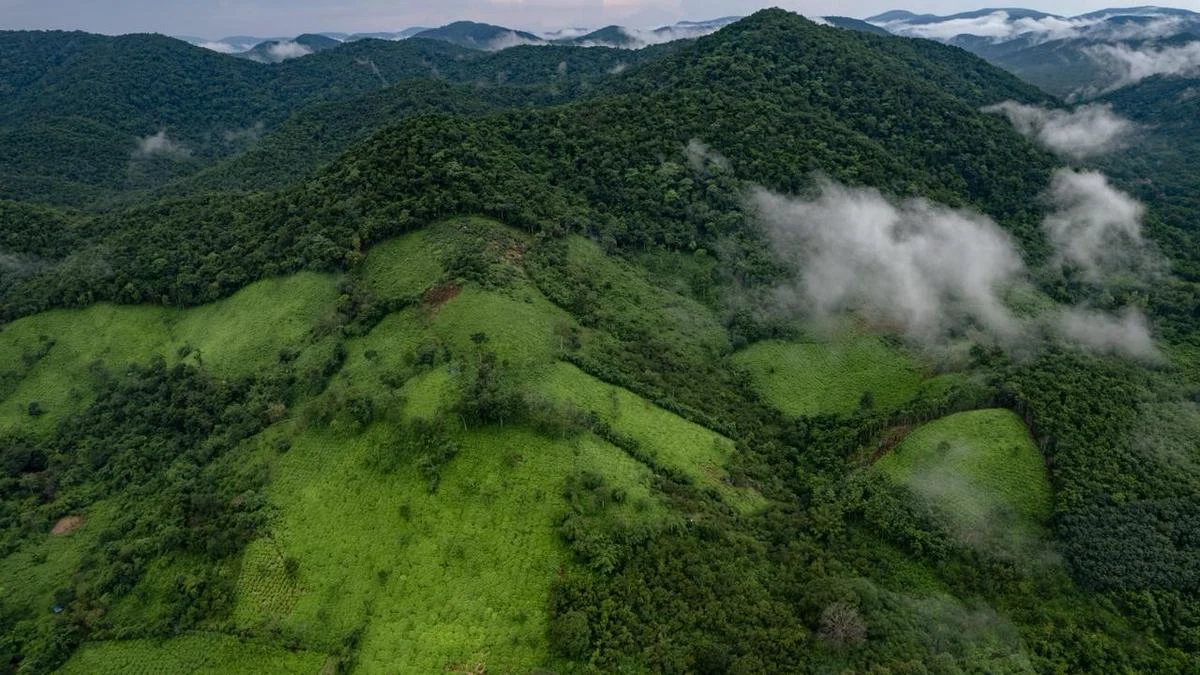
HYDERABAD — In the realm of conservation photography, there are images that capture the beauty of the wild, and then there are images that demand a reckoning. For Rukhiya Mohammed, a photographer whose lens has become a witness to the slow erasure of India’s ancient landscapes, the latter has become a life’s calling. Her evocative photo story, “Echoes from the Eastern Ghats,” was recently crowned the winner of the Portfolio category at the prestigious Nature inFocus Awards 2025.
The awards, widely regarded as India’s premier platform for wildlife and conservation photography, serve as a global stage for visual narratives that bridge the gap between art and activism. Mohammed’s winning portfolio is a haunting documentation of the Eastern Ghats—a mountain range often overshadowed by its western counterpart but one that is currently facing an unprecedented ecological crisis. Through a series of stark, primarily aerial perspectives, Mohammed has laid bare the scars of human intervention on a landscape that has stood for millennia.
Main Facts: A Portfolio of Crisis and Resilience
Rukhiya Mohammed’s "Echoes from the Eastern Ghats" is not merely a collection of photographs; it is a forensic examination of a landscape in transition. Born and raised in the coastal town of Kakinada, Andhra Pradesh, and currently based in Hyderabad, Mohammed’s connection to the Eastern Ghats is both personal and professional. Her portfolio focuses on the "mounting human pressure" that is reshaping the mountain range, highlighting a transition from pristine wilderness to industrial and urban sprawl.
The winning work was lauded by the Nature inFocus jury for its ability to convey the scale of destruction through sophisticated visual storytelling. The portfolio utilizes drone photography to provide a "larger perspective"—one that reveals the systemic nature of environmental degradation. By capturing forests bisected by highways, hills leveled for mining, and the claustrophobic encroachment of urban centers upon green corridors, Mohammed has created a visual ledger of what the region stands to lose.
The award citation emphasizes that her work documents "human actions such as deforestation, construction, mining, cultivation, and tourism," all of which are converging to destabilize the fragile mountain ecosystems of the Eastern Ghats. For Mohammed, the recognition is a bittersweet validation of a project born from "deep concern and love" for a disappearing heritage.
Chronology: From Coastal Roots to Conservation Lens
The journey that led to the 2025 Nature inFocus Award began decades ago in the fertile plains and coastal breezes of Andhra Pradesh. Rukhiya Mohammed’s upbringing in Kakinada provided her with a front-row seat to the natural wealth of the Eastern Ghats. The mountains were the backdrop of her youth, a constant presence that seemed eternal.
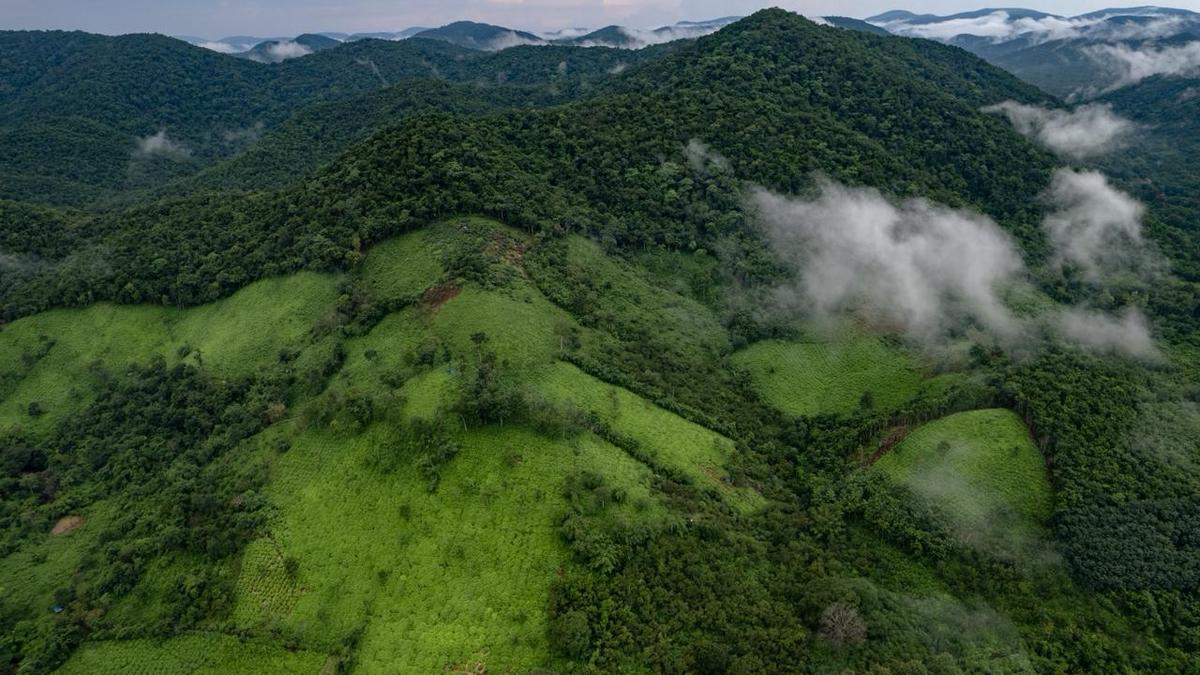
However, as Mohammed’s career evolved—transitioning from a traveler and nature enthusiast to a professional photographer and certified scuba diver—she began to notice a troubling trend. The landscapes of her childhood were changing at an accelerated pace.
"Growing up in coastal Andhra Pradesh made me closely connected to natural landscapes," Mohammed reflects. "Over the years, I realized how quickly these spaces are disappearing. The camera became my way of preserving stories and raising awareness."
The specific project, "Echoes from the Eastern Ghats," was conceived over several years of travel through the rugged terrain of Andhra Pradesh, Odisha, and Telangana. Mohammed realized that ground-level photography, while intimate, could not fully capture the "landscape-level" changes occurring. This realization led her to incorporate drone technology into her workflow. The aerial view allowed her to document the "fragmentation" of the forest—a process where large, contiguous habitats are broken into smaller, isolated patches by roads and railway tracks.
By 2024, her portfolio had become a comprehensive archive of the region’s ecological shifts. Her submission to the Nature inFocus Awards 2025 was the culmination of this years-long effort to document the "survival, loss, and resilience" of the mountains.
Supporting Data: The Ecological Importance of the Eastern Ghats
To understand the weight of Mohammed’s work, one must understand the ecological significance of the Eastern Ghats. Often described as the "neglected sibling" of the Western Ghats, this discontinuous range of mountains runs along India’s eastern coast, stretching from West Bengal through Odisha and Andhra Pradesh to Tamil Nadu.
1. Biodiversity Hotspot
The Eastern Ghats are a treasure trove of endemic flora and fauna. They are home to several species found nowhere else on Earth, including the Gooty Sapphire Ornamental Tarantula and the Golden Gecko. The region serves as a vital corridor for Asian elephants and tigers, providing a bridge between various protected areas. Mohammed’s work highlights that when these corridors are "sliced open" by railway tracks and roads, it leads to increased human-wildlife conflict and a decline in genetic diversity among species.

2. The Water Towers of the East
The mountains act as the primary catchment area for several major rivers, including the Godavari, Krishna, and Kaveri. The deforestation documented in Mohammed’s portfolio has direct implications for water security. When forests are cleared for "cultivation and mining," the soil’s ability to retain water diminishes, leading to flash floods during the monsoon and acute water scarcity during the summer months for the millions of people living in the plains below.
3. The Industrial Toll
The Eastern Ghats are rich in minerals, particularly bauxite, iron ore, and limestone. Mohammed’s images of "hills flattened for construction and mining" reflect a broader industrial reality. For instance, the bauxite mining in the Araku Valley and surrounding areas has been a point of contention for decades, pitting industrial development against the rights of indigenous forest communities and ecological preservation.
Official Responses: The Significance of the Award
The Nature inFocus Awards are not just about aesthetics; they are about the "impact" of the image. The 2025 jury noted that Mohammed’s portfolio stood out for its clarity of message and its technical execution.
In their official citation, the organizers stated:
"Rukhiya Mohammed’s work is a poignant reminder of the fragility of our mountain ecosystems. Her ability to translate complex environmental issues—such as habitat fragmentation and urban encroachment—into compelling visual narratives is what makes this portfolio exceptional. She doesn’t just show us a forest; she shows us the pressure the forest is under."
Conservationists have also weighed in on the importance of Mohammed’s win. Environmental scientists in the region have long argued that the Eastern Ghats lack the "celebrity status" of the Western Ghats, which are a UNESCO World Heritage site. They believe that Mohammed’s recognition on a national platform like Nature inFocus will bring much-needed attention to the region’s conservation needs.
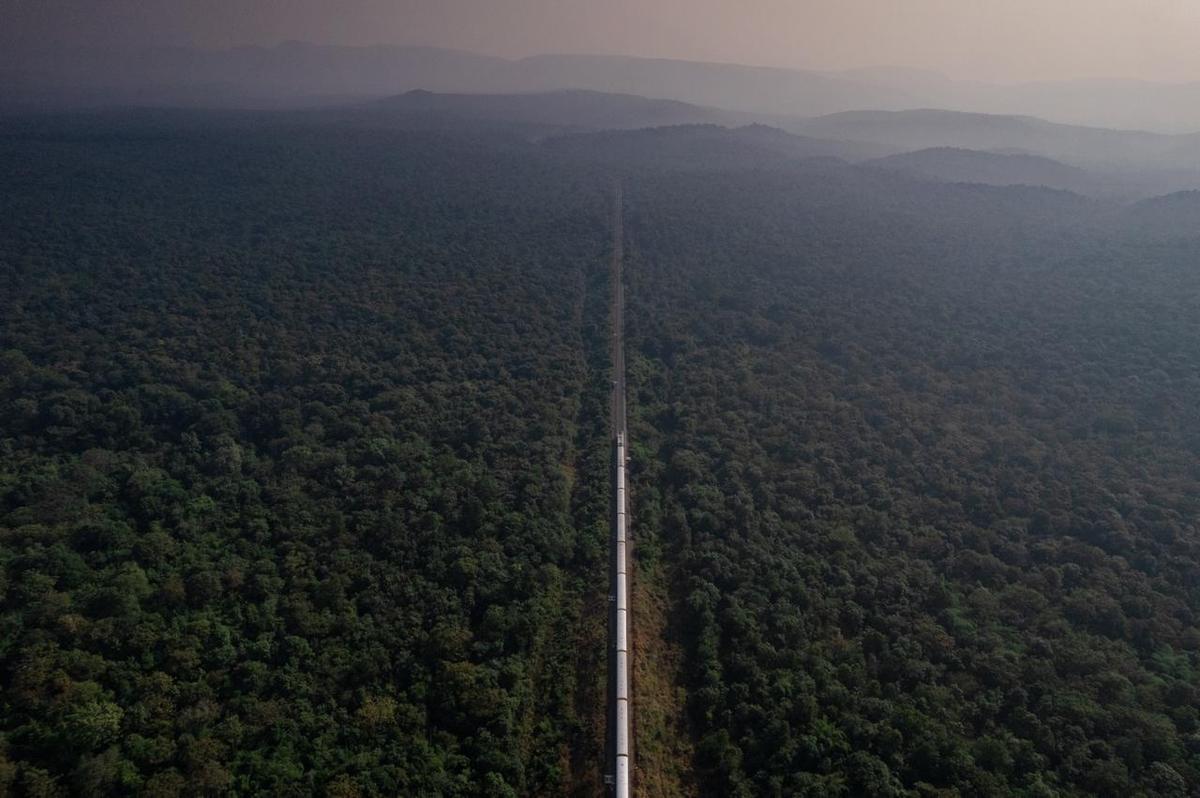
"Visual storytelling has a way of bypassing the jargon of scientific reports," says an environmental advocate based in Hyderabad. "When Rukhiya shows a railway track cutting through a pristine canopy, the viewer immediately understands the violence of that intrusion. It starts a conversation that data alone cannot."
Implications: Photography as a Tool for Change
The recognition of "Echoes from the Eastern Ghats" carries significant implications for the future of conservation in India. Rukhiya Mohammed’s success underscores a shift in wildlife photography—away from "trophy shots" of charismatic megafauna and toward "conservation photography" that addresses the systemic threats to entire ecosystems.
1. Starting the Conversation
Mohammed believes that the primary role of her work is to trigger an emotional response. "When people emotionally connect with an image, they begin to care. That connection can inspire responsibility and action," she says. Her work is intended to serve as a bridge between the remote mountain regions and the urban populations whose consumption habits often drive the demand for mining and tourism projects in the Ghats.
2. Policy and Awareness
By documenting the "gradual transformation" of the landscape, Mohammed provides a visual record that can be used by activists and policymakers. In an era of "greenwashing," where development projects are often framed as environmentally neutral, her drone shots provide an undeniable "eye in the sky" that shows the true footprint of human activity.
3. The Role of Technology
The use of drones in Mohammed’s work also highlights the evolving ethics and techniques of conservation photography. Aerial views provide a "God’s eye perspective" that can reveal patterns of destruction—such as the "creeping edge" of a mine or the "sprawl" of a new resort—that are invisible from the ground. This "larger perspective" is crucial for landscape-level conservation planning.
Conclusion: A Call to Action
As Rukhiya Mohammed continues her work in Hyderabad and across the Eastern Ghats, her message remains clear: the time to act is running out. The "echoes" she captures are not just sounds of the past, but warnings for the future.
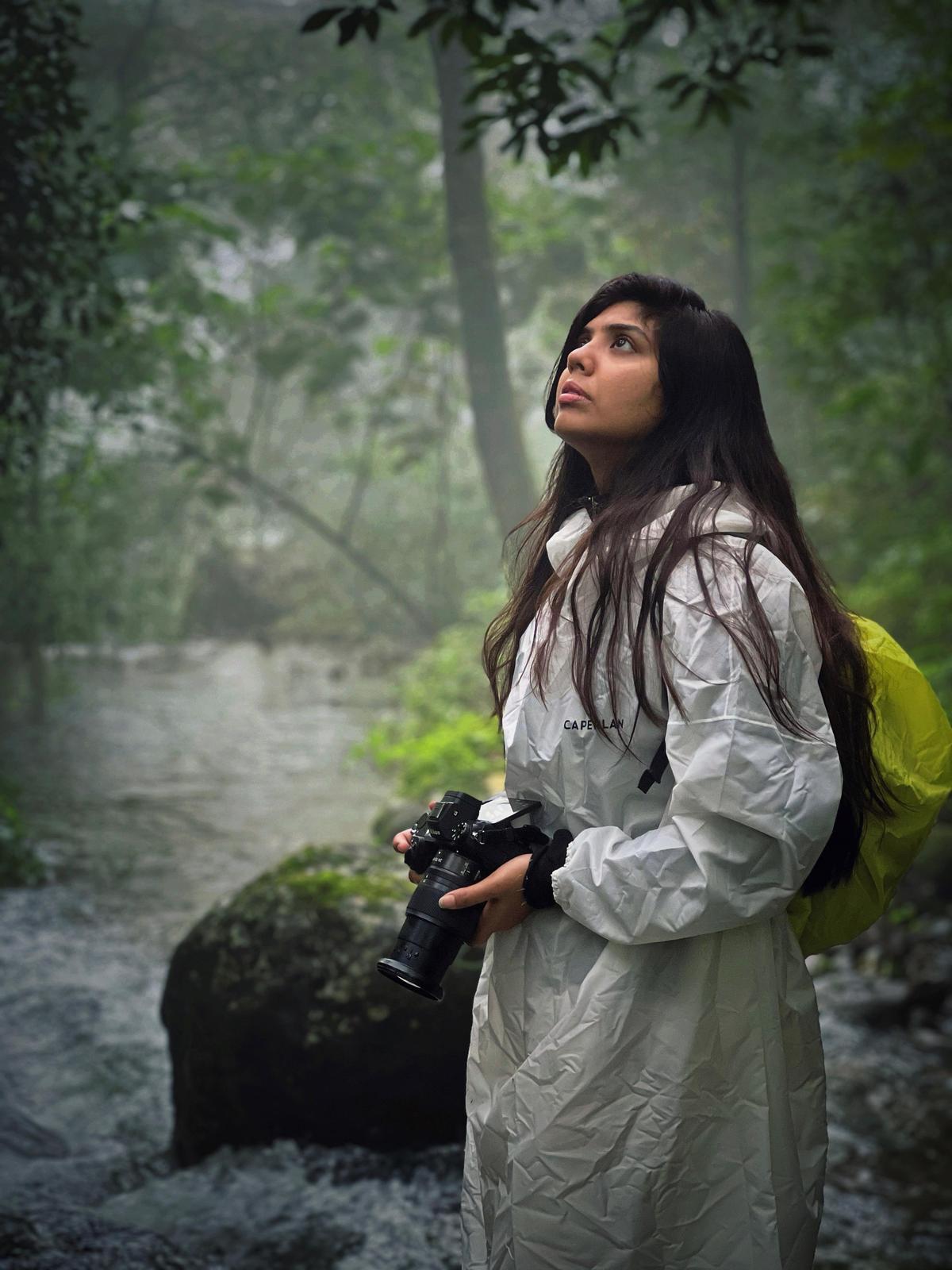
Her portfolio is a stark reminder that development and ecology are often in a tug-of-war where the natural world is losing ground. However, through her lens, there is also a glimmer of resilience. In the pockets of green that remain, and in the growing awareness sparked by her images, there is a hope that the Eastern Ghats can be preserved for future generations.
"Photography, for me, is about documenting change and starting conversations around conservation," Mohammed concludes. With her 2025 Nature inFocus Award, those conversations have now found a national audience, ensuring that the echoes from the Eastern Ghats are finally being heard.
About the Photographer: Rukhiya Mohammed is a Hyderabad-based photographer and certified scuba diver. Her work focuses on the intersection of human activity and natural landscapes. She is a vocal advocate for the protection of the Eastern Ghats and continues to document the region’s changing ecology.
