

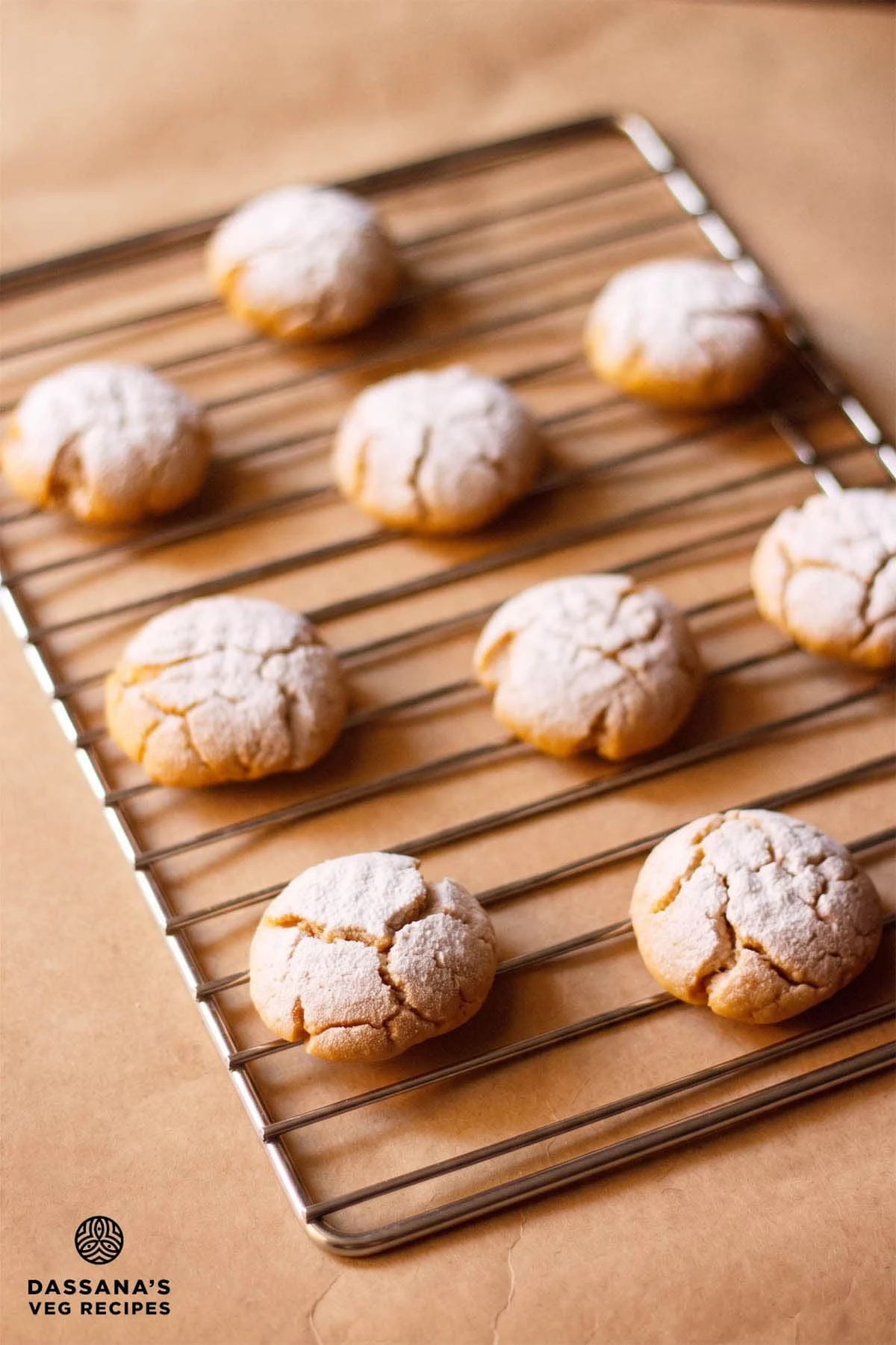
Main Facts: A Modern Twist on a Traditional Staple
In the landscape of Indian culinary traditions, the "biscuit" occupies a place of high honor. From the humble Marie to the buttery Nankhatai, these accompaniments to the ubiquitous "chai" are more than just snacks; they are cultural fixtures. However, as global health trends pivot toward plant-based diets and whole-grain alternatives, the traditional bakery-style biscuit is undergoing a significant transformation. Enter the Orange Whole Wheat Cookie—a vegan, eggless, and nutrient-dense alternative that balances the bright acidity of citrus with the earthy depth of traditional Indian flours.
This contemporary recipe represents a departure from the high-sugar, refined-flour products that dominate commercial shelves. Developed with a focus on accessibility and nutritional integrity, these cookies utilize a blend of whole wheat flour (atta) and gram flour (besan), sweetened with minimal sugar and leavened naturally through the interaction of fresh citrus acids. Unlike the brittle, dry texture of industrial biscuits, these cookies offer a soft, moist crumb, bridging the gap between a traditional cookie and a tea-cake.
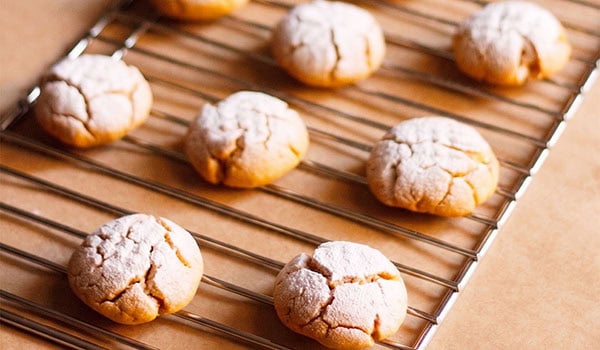
The hallmark of this culinary innovation lies in its "clean label" approach. By substituting dairy butter with sunflower oil and eliminating eggs, the recipe caters to the burgeoning vegan demographic in urban India and abroad. Furthermore, the use of fresh, seasonal orange juice and zest ensures a profile of natural aromatics that synthetic flavorings cannot replicate.
Chronology: The Artisanal Production Process
The creation of these orange biscuits is a multi-stage process that emphasizes the preservation of volatile oils and the careful management of gluten development.
Phase I: Essence Extraction
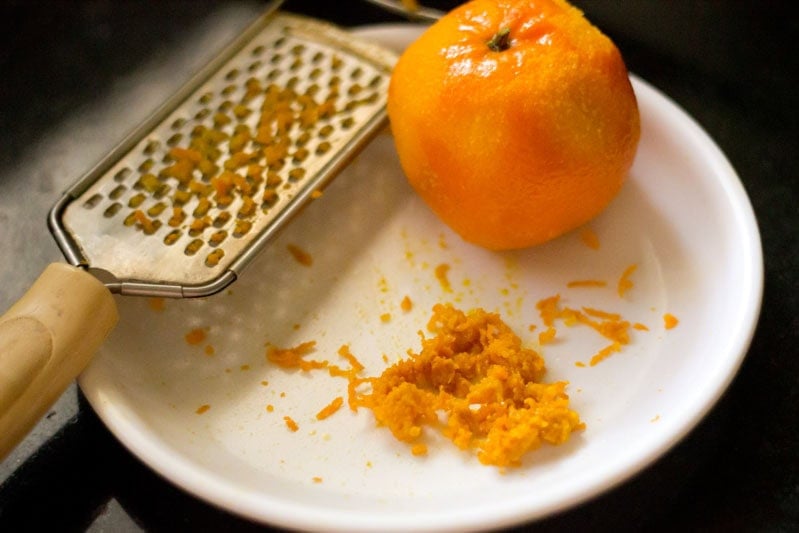
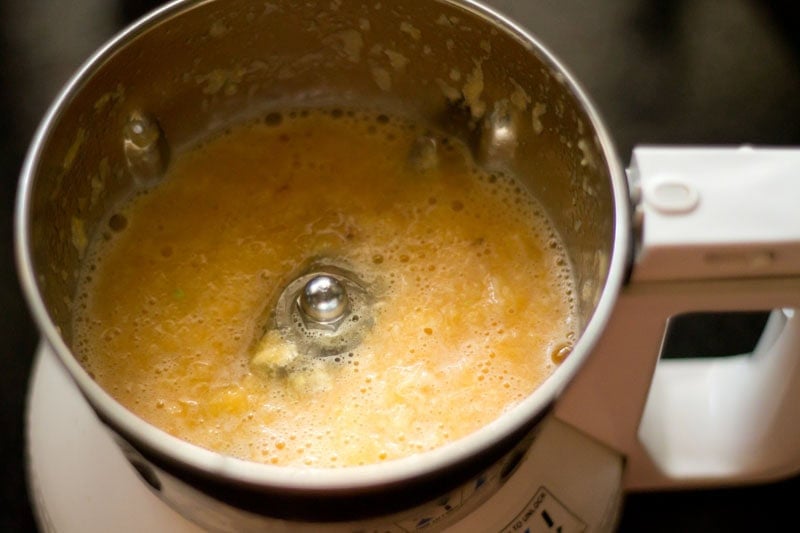
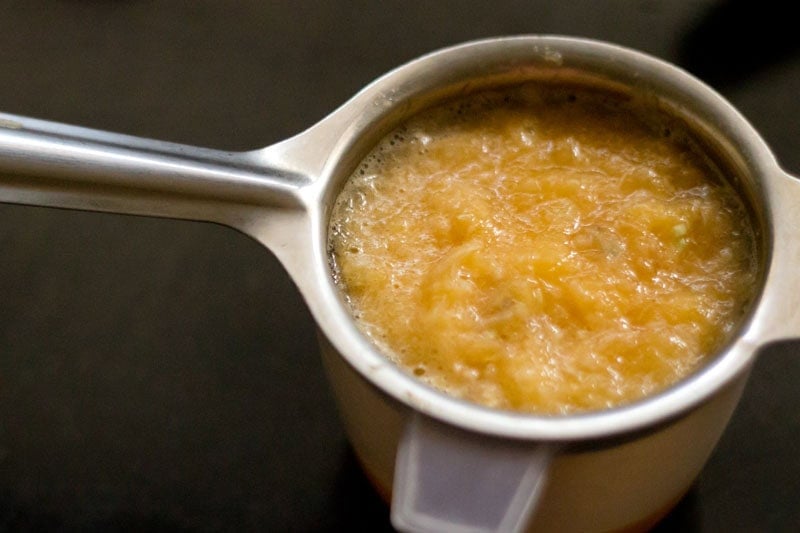
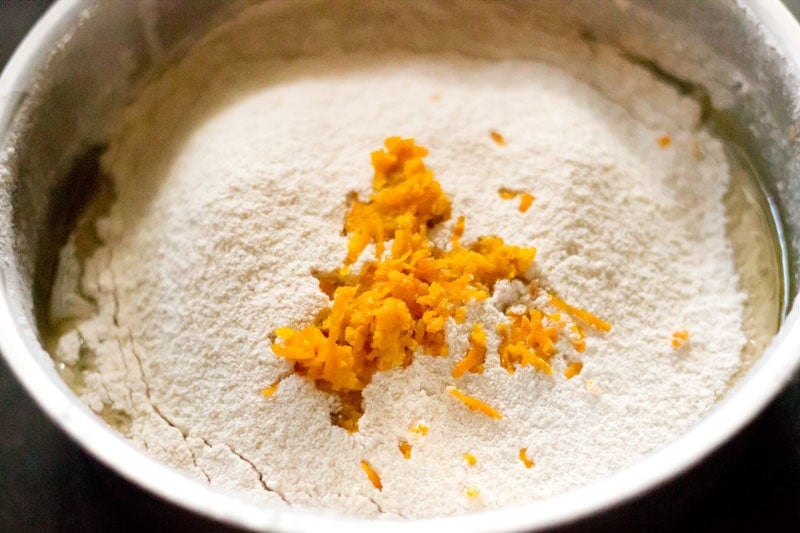
The process begins not with the dry ingredients, but with the fruit itself. To achieve a profound citrus profile, a medium-sized orange is thoroughly cleaned and zested. Journalistic culinary standards dictate a "zest-only" approach, where the micro-planing avoids the white pith—the source of bitter limonene compounds. Following zesting, the fruit is blended and strained to extract approximately 1/3 cup of pure, pulp-free juice. This liquid serves as both the primary flavoring agent and the acidic catalyst for the leavening agents.
Phase II: Emulsification and Integration
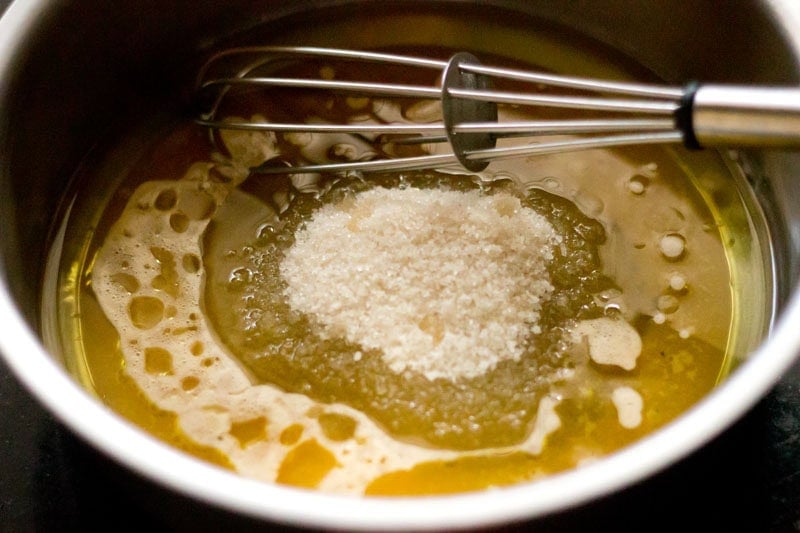
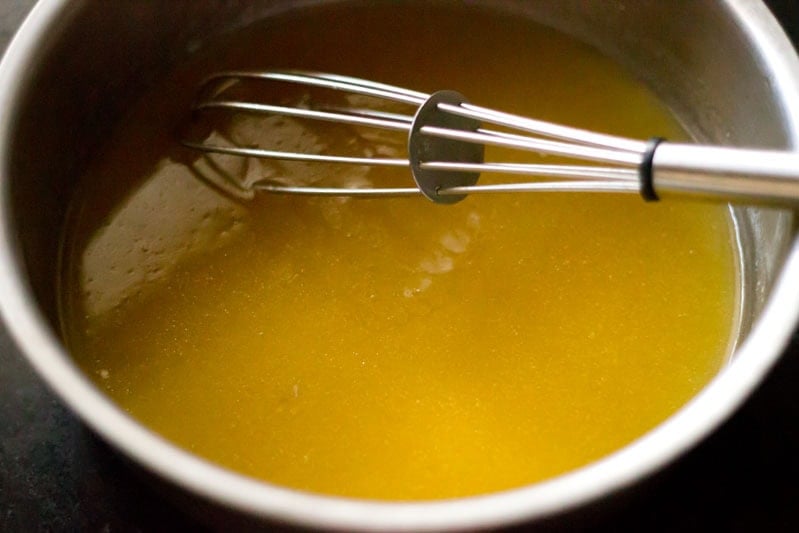
In a departure from the "creaming" method used in traditional butter-based baking, this recipe employs an oil-based emulsion. Sunflower oil—chosen for its neutral flavor and high smoke point—is whisked with sugar and the fresh orange juice. This step is critical; the sugar must be fully dissolved into the liquid phase to ensure a uniform texture and to prevent a "grainy" mouthfeel in the finished product.
Phase III: The Flour Blend and Dough Formation
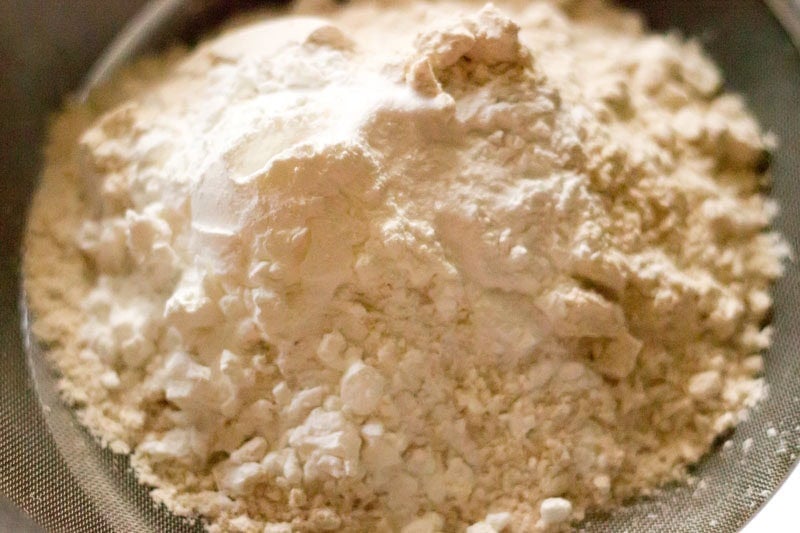
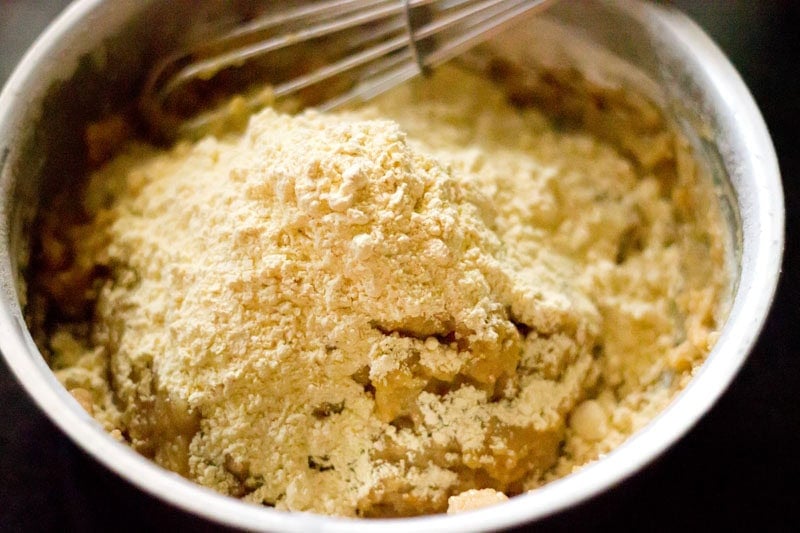
The dry components—whole wheat flour, baking powder, and baking soda—are sifted directly into the wet emulsion. This is followed by the addition of gram flour (besan). The inclusion of gram flour is a strategic culinary choice; it adds a nutty undertone and increases the protein content of the dough. The mixture is then folded gently. Professional bakers emphasize that the dough should not be kneaded, as excessive agitation would develop the gluten in the whole wheat, resulting in a tough, bread-like texture rather than a soft cookie.
Phase IV: Thermal Transformation
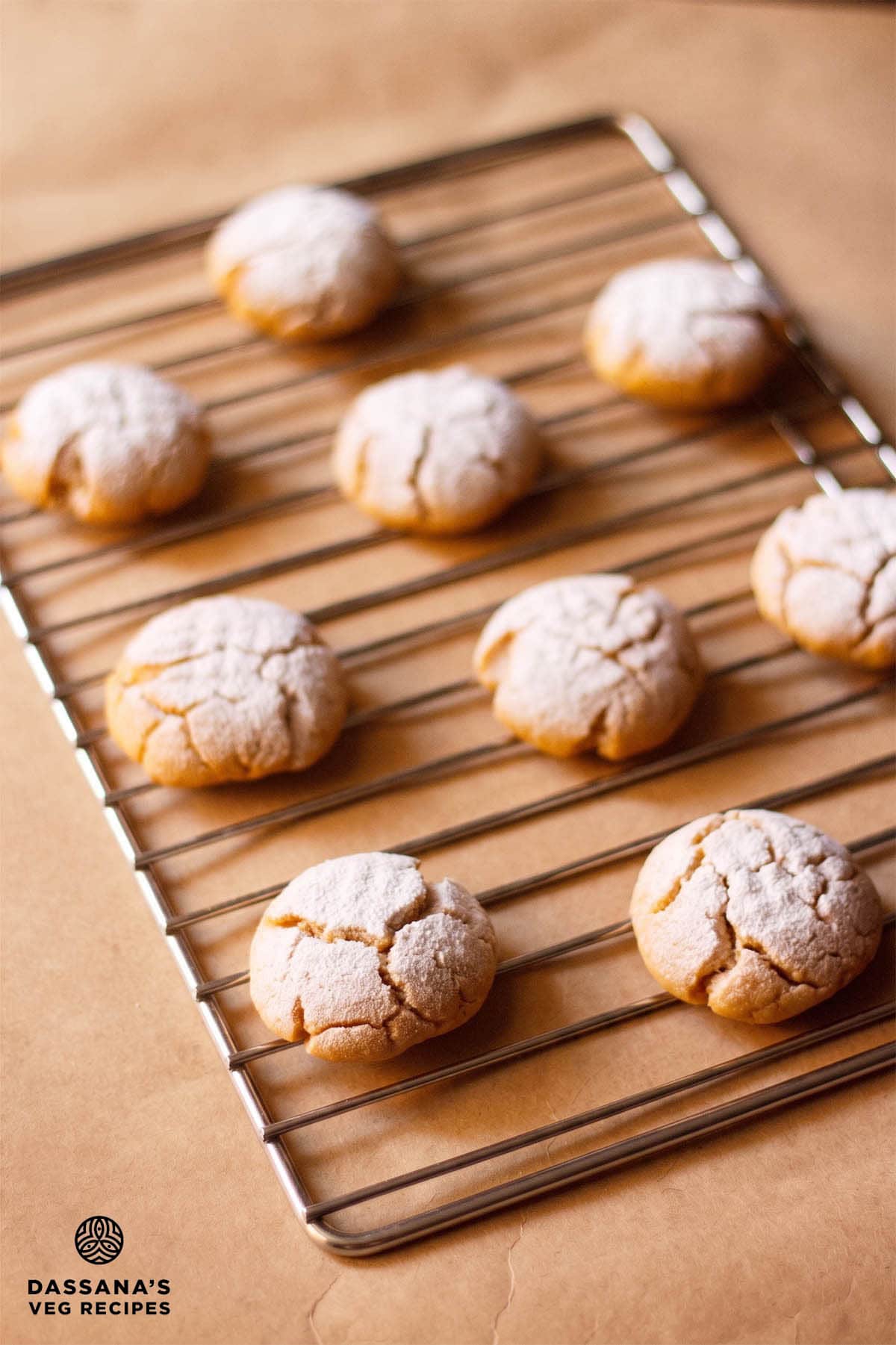
The dough is divided into 12 to 14 uniform portions, rolled into spheres, and slightly flattened. The baking occurs in a preheated oven at 200 degrees Celsius (392°F). Over a period of 20 to 25 minutes, the cookies undergo the Maillard reaction—the chemical process between amino acids and reducing sugars that gives the cookies their golden-brown hue and complex flavor. During this phase, the surface of the cookies naturally expands and cracks, creating the "crinkle" aesthetic that has become a signature of this variety.
Phase V: Finishing and Maturation
Once removed from the heat, the cookies are transferred to a wire rack. This allows air to circulate around the entire surface, preventing the bottom from becoming soggy due to residual steam. The final touch—a light dusting of icing sugar—is applied only after the cookies have reached room temperature, ensuring the sugar does not melt into the surface.
Supporting Data: Nutritional Profile and Ingredient Efficacy
A detailed analysis of the Orange Whole Wheat Cookie reveals a profile that is significantly more balanced than traditional shortbread or sugar cookies. Based on a standard yield of 13 servings, the nutritional data is as follows:
- Energy Density: Each cookie contains approximately 177 kcal, making it a substantial but controlled snack option.
- Macronutrient Breakdown:
- Carbohydrates: 22g (primarily from complex whole grains).
- Proteins: 3g (bolstered by the inclusion of gram flour).
- Fats: 9g (largely monounsaturated and polyunsaturated fats from sunflower oil).
- Fiber: 2g (contributing to a lower glycemic index compared to white-flour biscuits).
- Micronutrient Highlights:
- Vitamin C: 5mg (derived from the fresh juice).
- Folate (B9): 29µg (essential for DNA repair and cell division).
- Minerals: Significant traces of Magnesium (28mg), Phosphorus (76mg), and Potassium (125mg).
The use of Sunflower Oil (7g monounsaturated fat per serving) provides a lighter lipid profile than saturated-fat-heavy butter or hydrogenated vegetable fats found in commercial biscuits. Additionally, the Gram Flour contributes to the zinc and iron content, which are often deficient in refined-flour snacks.
Official Responses: Expert Insights and Baker Recommendations
Dassana, the culinary expert behind this formulation, provides several "Official Recommendations" to ensure the success of the recipe for home bakers. These insights serve as a guide for navigating the variables of organic ingredients.
On the Subject of Bitterness:
"The most common failure in citrus baking is the inclusion of the pith," the expert notes. "The white layer between the peel and the fruit contains high concentrations of tannins and bitter alkaloids. For a professional-grade cookie, one must use a fine grater to extract only the orange-colored zest."
On Dough Consistency:
The expert warns against the instinct to treat the mixture like bread dough. "The goal is a soft, cohesive mass. If the dough is kneaded like a chapati, the resulting biscuit will lose its characteristic softness. It is a matter of ‘bringing together’ rather than ‘working’ the dough."
On Ingredient Substitution:
While the recipe is optimized for vegan diets using oil, the expert acknowledges that melted butter can be used for those seeking a "richer, more traditional European shortcrust flavor." However, this change would alter the moisture content and potentially the "crinkle" effect on the surface.
On Storage and Longevity:
Given the absence of artificial preservatives, the official stance on storage is strict. "In temperate climates, the cookies remain stable at room temperature for 48 to 72 hours. However, in high-humidity environments—typical of many Indian regions—refrigeration in an airtight vessel is mandatory to prevent the cookies from absorbing atmospheric moisture and losing their structure."
Implications: The Future of Health-Conscious Snacking
The emergence of the Orange Whole Wheat Cookie is indicative of a larger shift in the global food industry. We are witnessing the "premiumization" of the home kitchen, where domestic bakers are increasingly looking for recipes that mirror the complexity of artisanal bakeries while maintaining a "health-first" ethos.
1. The Vegan Mainstream
The success of this eggless, dairy-free recipe highlights the normalization of veganism. No longer a niche dietary restriction, vegan baking is now seen as a sophisticated culinary challenge. The use of oil as a fat source and citrus as a flavor driver demonstrates that animal products are not a prerequisite for indulgence.
2. Seasonal and Local Sourcing
By utilizing fresh oranges, the recipe encourages a return to seasonal eating. In an era of ultra-processed foods available year-round, there is a growing movement toward "Slow Food" principles—using ingredients at their peak nutritional and flavor value.
3. The Functional Biscuit
The transition from "empty calorie" snacks to "functional" snacks is evident here. By incorporating whole wheat and gram flour, the biscuit moves from being a mere sugar delivery system to a source of fiber and plant-based protein. This has significant implications for pediatric nutrition, offering a "snack-box" friendly item that parents can provide without the guilt associated with processed confectionery.
4. Cultural Adaptation
Finally, the naming of these as "Orange Biscuits" in the Indian context shows how global cookie culture is being adapted to local terminologies. This linguistic and culinary hybridity—taking a Western "crinkle cookie" aesthetic and applying it to an Indian "biscuit" framework—represents the ongoing globalization of the palate.
In conclusion, the Orange Whole Wheat Cookie is more than just a recipe; it is a blueprint for the future of domestic baking. It proves that with a few simple, high-quality ingredients and a focus on technique, the humble tea-time snack can be elevated into a sophisticated, health-conscious, and culturally resonant experience.
