

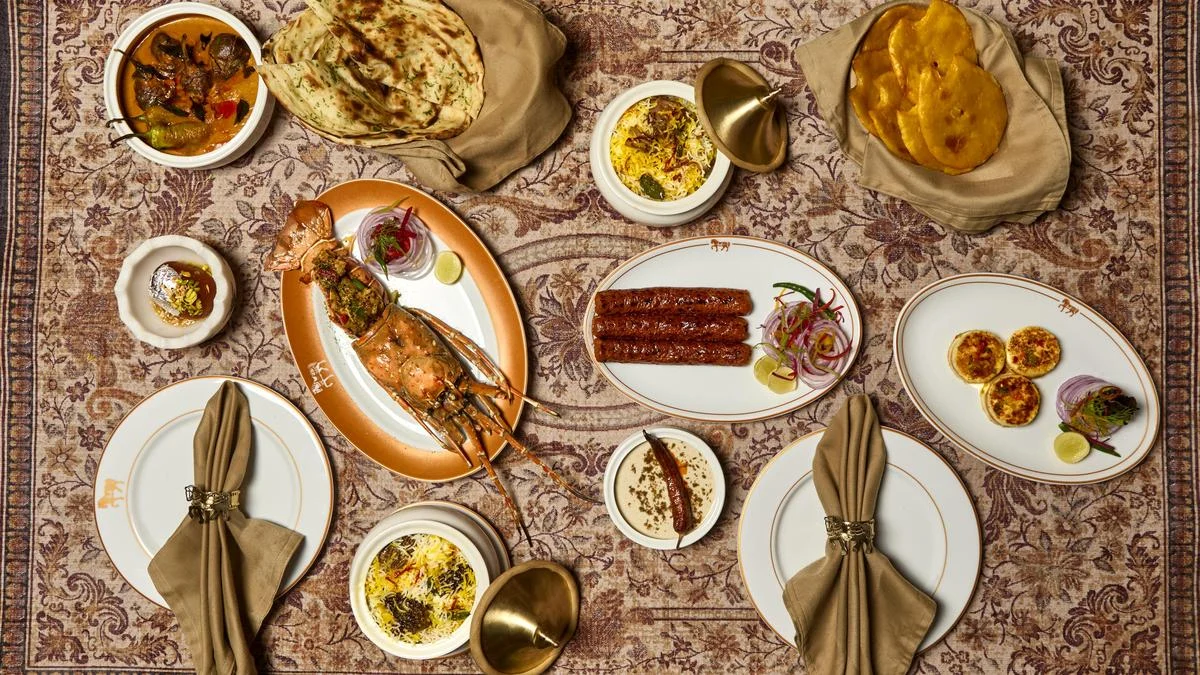
ASSAGAO, GOA – In the heart of Goa’s burgeoning culinary capital, Assagao, a new gastronomic landmark has emerged, promising to transport diners from the coastal breezes of the Arabian Sea to the regal courtyards of 19th-century Lucknow. Kesar Bagh, the latest venture by Chef Azaan Qureshi in partnership with First Fiddle F&B, represents more than just a restaurant opening; it is a high-stakes preservation of a culinary lineage that redefined Indian fine dining.
Housed in a meticulously restored 180-year-old Portuguese bungalow, Kesar Bagh serves as a canvas for the "Dum Pukht" (slow oven) style of cooking—a technique perfected by the Qureshi family over generations. As Goa continues to evolve from a seasonal retreat into a year-round epicurean destination, the arrival of authentic Awadhi cuisine marks a significant shift in the state’s diverse food landscape.
Main Facts: The Synthesis of Heritage and Location
Kesar Bagh is the flagship property of Chef Azaan Qureshi, a third-generation master of Awadhi cuisine. The restaurant’s identity is inextricably linked to the Qureshi name—a family that holds a legendary status in Indian culinary history. Azaan is the grandson of the late Padma Shri awardee Chef Imtiaz Qureshi, the visionary credited with bringing Awadhi flavors to the global stage through iconic establishments like Bukhara and Dum Pukht at ITC Maurya, Delhi.

The restaurant is spread across a lush half-acre plot in Assagao, featuring a seating capacity of 120 guests. The design philosophy, executed in collaboration with Priyank Sukhija, CEO and Managing Director of First Fiddle F&B, merges the architectural bones of a Portuguese manor with the aesthetic sensibilities of a Nawabi palace. The palette—a sophisticated blend of salmon pink and teal—serves as a backdrop for high-tiled roofs, crystal chandeliers, and contemporary Indian art, including vibrant works by the renowned Thota Vaikuntam.
The menu is a curated journey through the "Galawat" (tenderizing) and "Dum" (slow-pressure cooking) techniques. Signature offerings include the world-renowned Kakori Kebab, the saffron-infused Sheermal, and the Gucchi-Subz-e-Zar—a dish featuring Himalayan morels that highlights the family’s ability to integrate global ingredients into traditional frameworks.
Chronology: From the Imperial Kitchens to the Goan Coastline
The story of Kesar Bagh begins decades before its April launch in Goa. To understand the restaurant’s significance, one must trace the timeline of the Qureshi influence on Indian gastronomy:

- 1970s-1980s: Chef Imtiaz Qureshi revolutionizes the hotel dining experience in India. In 1978, he helps launch Bukhara, and in 1988, alongside his son Chef Ghulam Qureshi (Azaan’s father), he introduces Dum Pukht. These establishments moved Indian food away from generic "curry" into the realm of refined, technique-driven royal cuisine.
- The Formative Years: Azaan Qureshi grows up immersed in this heritage, learning the precision of spice-blending and the patience required for slow cooking from both his grandfather and father.
- The Professional Stint: Azaan spends 15 years with ITC Hotels, honing his craft within the very institutions his family helped build. This period allowed him to bridge the gap between traditional "Ustad" (master) cooking and modern hospitality management.
- The Strategic Pivot (Late 2023): Originally, the flagship Kesar Bagh was slated for Gurugram. However, upon discovering a 180-year-old heritage bungalow in Assagao, Azaan and Priyank Sukhija decided to pivot. They recognized that Goa’s discerning, well-traveled audience provided the perfect demographic for a high-concept heritage restaurant.
- April 2024: Kesar Bagh officially opens its doors in Goa, marking the first time this specific level of Awadhi expertise has been permanently stationed in the coastal state.
Supporting Data: Culinary Precision and Architectural Detail
The success of Kesar Bagh lies in the data of its preparation and the specifics of its environment.
The Science of the Kebab
The Kakori Kebab, often cited as the restaurant’s piece de resistance, is the result of what Chef Azaan describes as "30 to 50 years of perfection." The "Galawat" technique involves using a precise ratio of raw papaya, which contains the enzyme papain. This enzyme breaks down the collagen in the lamb, resulting in a texture so delicate it requires no chewing. The spice mix is a proprietary secret, often involving over 20 different aromatics, balanced to ensure that no single note overpowers the meat.
Architectural Preservation
The restaurant is divided into several distinct dining zones, each preserving elements of the original 19th-century bungalow.

- The Courtyard: Features a marble fountain strewn with rose petals, designed to evoke the sensory experience of Lucknow’s Qaiser Bagh palace.
- The Interior Rooms: Each room offers a different layout. One room features walls lined with antique mirrors to amplify the light from the chandeliers, while another showcases 100-year-old doors that have been preserved and treated to maintain their structural integrity.
- The Outdoor Bar (Kesar): A modern addition that serves seasonal cocktails, such as the Mango Kesar Spritzer and the Picante with curry leaves and elderflower, bridging the gap between traditional flavors and modern mixology.
The Menu Economics
With an average meal for two priced at approximately ₹4,000, Kesar Bagh positions itself in the "accessible luxury" segment of the Goa dining scene. This pricing strategy allows the restaurant to compete with high-end beach clubs and fine-dining European bistros while offering a labor-intensive product that requires hours of preparation for a single service.
Official Responses: The Philosophy of the "Kebabchi"
In discussing the launch, Chef Azaan Qureshi emphasizes that Kesar Bagh is not merely a commercial venture but a cultural mission.
"In Awadhi cuisine, it’s not just the masalas but the dum technique that is special," Qureshi explains. "It makes even fewer spices seem more complex through the longer process. We are using techniques that have been passed down through oral traditions. If I don’t preserve and showcase this, who will?"

Azaan notes that his grandfather’s influence is present in every dish, particularly in the integration of luxury ingredients like Gucchi (morels). "My grandfather incorporated gucchi into his Indian cooking after being inspired by French restaurants during his travels. It’s about evolution within tradition."
Priyank Sukhija, the business mind behind the expansion, highlighted the importance of the location: "When we saw this property in Goa, we knew the plan had to change. The history of the bungalow mirrors the history of the food we wanted to serve. It creates an atmosphere of reverence that you simply cannot build from scratch in a modern mall or a new-build in Gurugram."
Implications: Goa as the New Frontier for Heritage Dining
The opening of Kesar Bagh has several broader implications for the Indian F&B industry and the Goan economy:

1. The "Assagao-fication" of Fine Dining
Assagao has transitioned from a quiet residential village into a high-density culinary hub. The arrival of a heavyweight legacy brand like the Qureshis signals that Goa is no longer just a place for "holiday food" (seafood and shacks) but a serious contender for national culinary awards. This attracts a higher-spending demographic that stays longer and invests more in the local economy.
2. Preservation of Intangible Heritage
By bringing the Awadhi "Ustad" tradition to a commercial flagship, Azaan Qureshi is ensuring that the specialized terms (like Kebabchi), the specific "Takka Paisa" grilling techniques, and the complex bread-making processes (like the Doodh Garlic Naan and Hazari Naan) are documented and practiced by a new generation of chefs.
3. Diversification of the Goan Palate
While Goa has a rich culinary history of its own, the influx of authentic regional cuisines from across India—North Indian Awadhi, South Indian coastal, and Northeast tribal—is turning the state into a microcosm of the country’s vast food map. Kesar Bagh’s success suggests that tourists and locals alike are seeking "depth" and "authenticity" over generic multi-cuisine menus.

4. The Business of Legacy
The partnership between a traditional culinary family (The Qureshis) and a modern F&B powerhouse (First Fiddle) provides a blueprint for how heritage brands can scale. By combining generational knowledge with professional supply chains and marketing, traditional Indian food can compete with international luxury brands.
As the sun sets over the salmon-pink walls of Kesar Bagh, and the aroma of saffron-heavy Dum Biryani wafts through the 180-year-old rafters, it is clear that Chef Azaan Qureshi has succeeded in his goal. He has not just opened a restaurant; he has planted a flag for Awadhi culture in the red soil of Goa, ensuring that the legacy of the "Great Qureshis" continues to evolve, one perfectly tenderized kebab at a time.
