

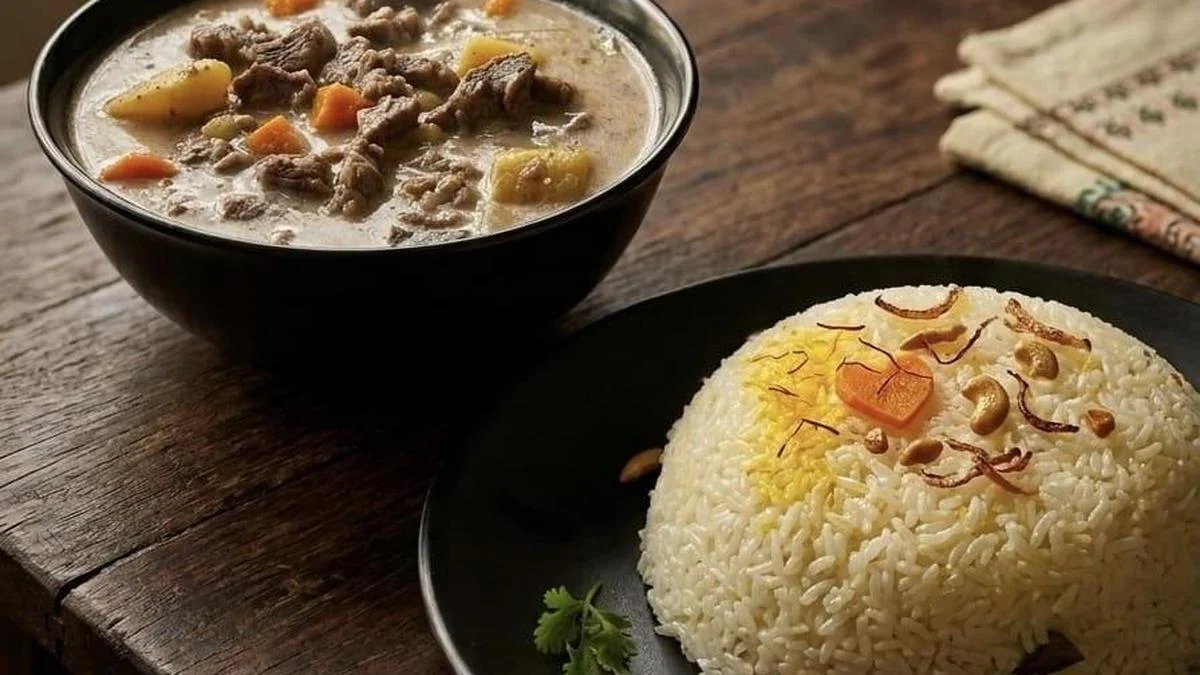
For the Malayali diaspora and residents alike, few aromas evoke the sanctuary of home quite like the subtle, spice-tinged steam rising from a bowl of Kerala stew. Known locally as ishtew or ishtoo, this ivory-hued gravy—rich with coconut milk and punctuated by the warmth of whole spices—has long been the centerpiece of festive breakfasts and Sunday mornings. However, a significant shift is occurring in the culinary landscape of Kerala’s commercial capital, Kochi. What was once a humble accompaniment to the lacy appam or steamed bread is now emerging as a standalone protagonist, fueling a new wave of dedicated restaurants, cloud kitchens, and even specialized food trucks.
This resurgence is more than a mere food trend; it is a sophisticated rebranding of nostalgia. As the city’s palate evolves, the Kerala stew is bridging the gap between colonial history and modern convenience, proving that traditional comfort food can thrive in a fast-paced, urban economy.
Main Facts: The Commercial Elevation of a Household Staple
Historically, the Kerala stew was a secondary player on the menu, often relegated to a "breakfast combo" alongside appam-egg roast or puttu-kadala. Today, however, the dish has moved to the center of the plate. The current culinary boom in Kochi is characterized by several key factors:
- Specialization over Generalization: A new breed of entrepreneurs is moving away from the "multi-cuisine" model. Instead, they are focusing on the perfection of a single dish—the stew—offering variations in protein including chicken, beef, mutton, and vegetable.
- The Bread-Stew Phenomenon: While appam remains a classic partner, there is a massive surge in the popularity of "Bread and Stew." This combination, once a staple of Anglo-Indian and Syrian Christian households, is now a viral street-food sensation.
- Innovative Thickening Agents: Moving away from commercial starches, modern "stew-preneurs" are reviving heirloom techniques, such as using cashew paste to provide body and richness to the gravy.
- All-Day Versatility: Breaking the "breakfast only" mold, these new establishments are marketing stew as a light, nutritious option for lunch and dinner, capitalizing on its reputation as a "gentle" dish that is easy on the palate.
Chronology: From Colonial Ports to Modern Food Trucks
The evolution of the Kerala stew is a timeline of cultural fusion, reflecting the state’s history as a global spice hub.
The Colonial Genesis (15th – 19th Century)
The origins of the ishtew are deeply rooted in the arrival of the Portuguese and later the British. The European concept of a "stew"—a slow-cooked broth of meat and vegetables—was adapted by local cooks. The British version typically used cornstarch as a thickener and cow’s milk as a base. However, the Malayali touch transformed the dish. Cornstarch was replaced by the creamy extract of fresh coconuts, and local aromatics like ginger, green chilies, and curry leaves were introduced to provide a "kick" that the European versions lacked.
The Community Pillar (20th Century)
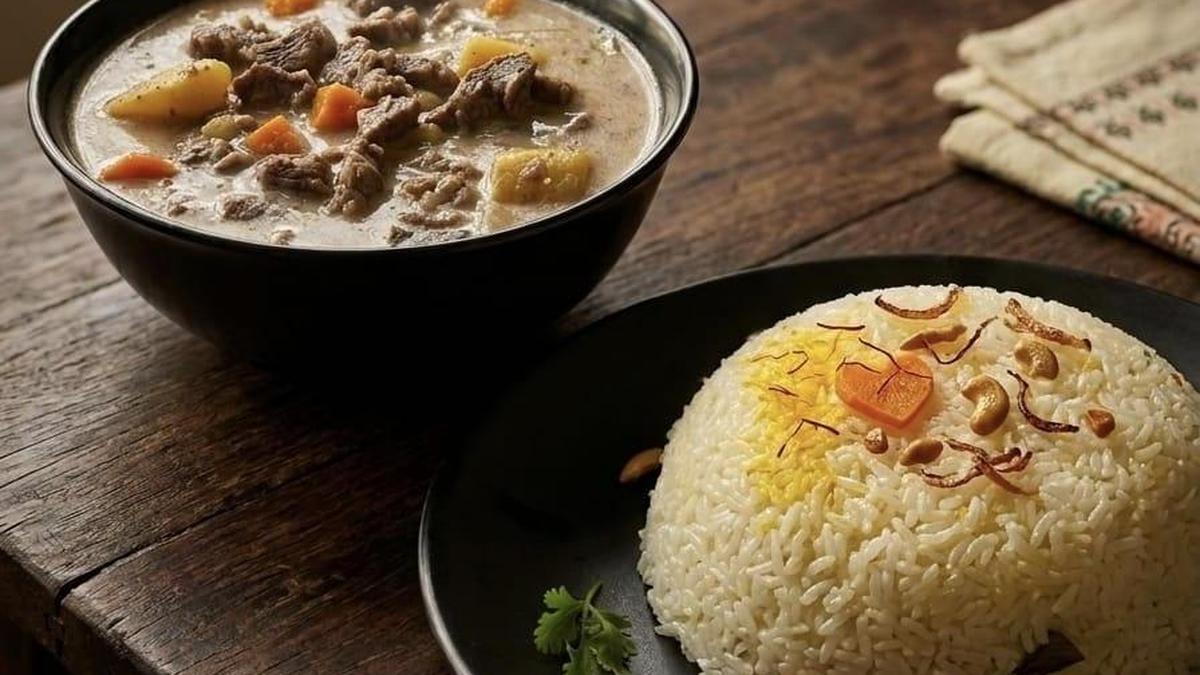
Throughout the 1900s, the stew became an identity marker for specific communities. For the Syrian Christians of Kerala, it became the mandatory Easter and Christmas breakfast. For the Anglo-Indian community in Kochi, Mutton Stew became a celebratory staple, traditionally served at weddings and formal gatherings. During this period, the recipe remained largely confined to domestic kitchens and community-specific eateries.
The Social Media Explosion (2020 – 2023)
The modern "stew craze" can be traced back to a few key influencers and small eateries. Hamza’s Kitchen on Pipeline Road became one of the first establishments to explode on social media. Videos of thick, steaming stew being served with local bakery bread began to circulate, triggering a wave of "stew-spotting" among Kochi’s youth. This digital visibility transformed a "homely" dish into a "trendy" one.
The Era of the "Stew Truck" (2024 – Present)
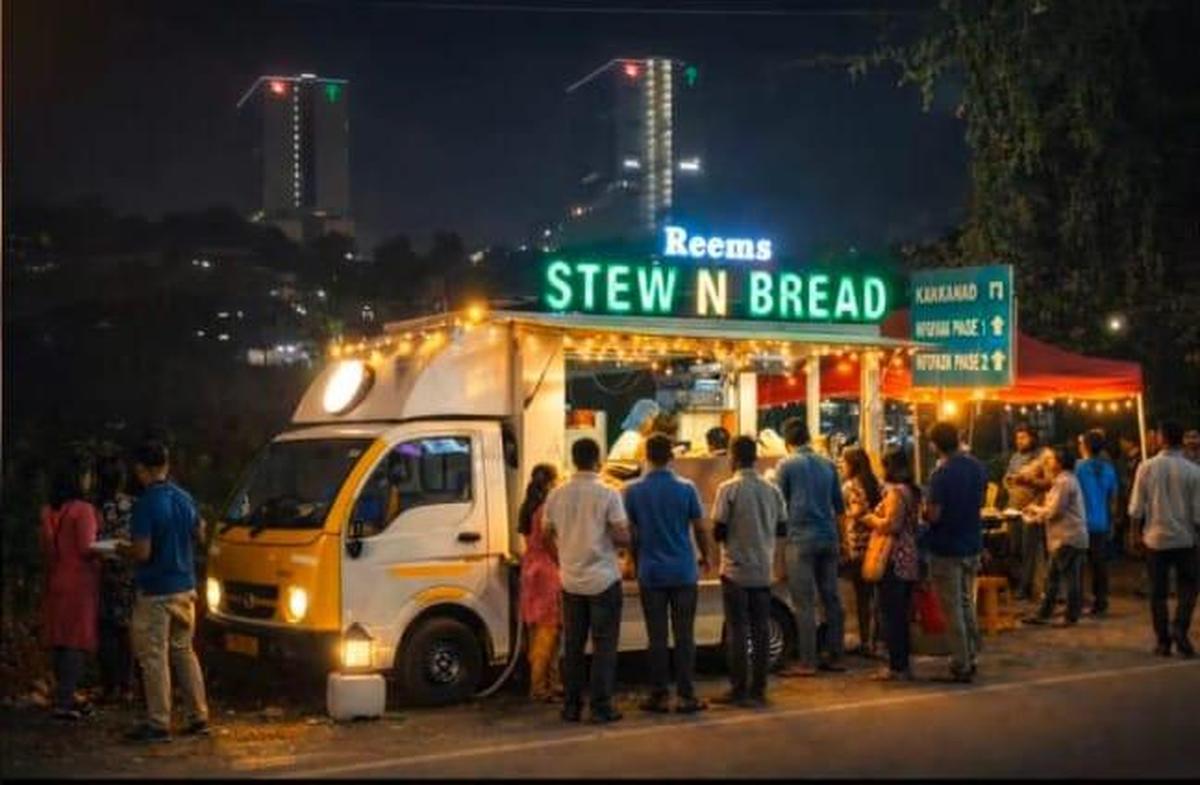
In January 2024, the arrival of "Reems Stew and Bread," a dedicated food truck, marked a turning point. By taking the stew out of the traditional restaurant setting and placing it on the streets of Kakkanad and Panampilly Nagar, the dish became accessible to the IT workforce and late-night foodies, cementing its status as a modern urban staple.
Supporting Data: Regional Nuances and Culinary Composition
The Kerala stew is not a monolithic recipe; it varies significantly based on geography and family heritage. Culinary experts categorize the dish into two primary traditions: the Malabar (Northern) style and the Kochi (Central) style.
The Malabar vs. Kochi Divide
According to Jishnu KP, founder of the cloud kitchen Stewmuch, the differences are subtle but distinct:
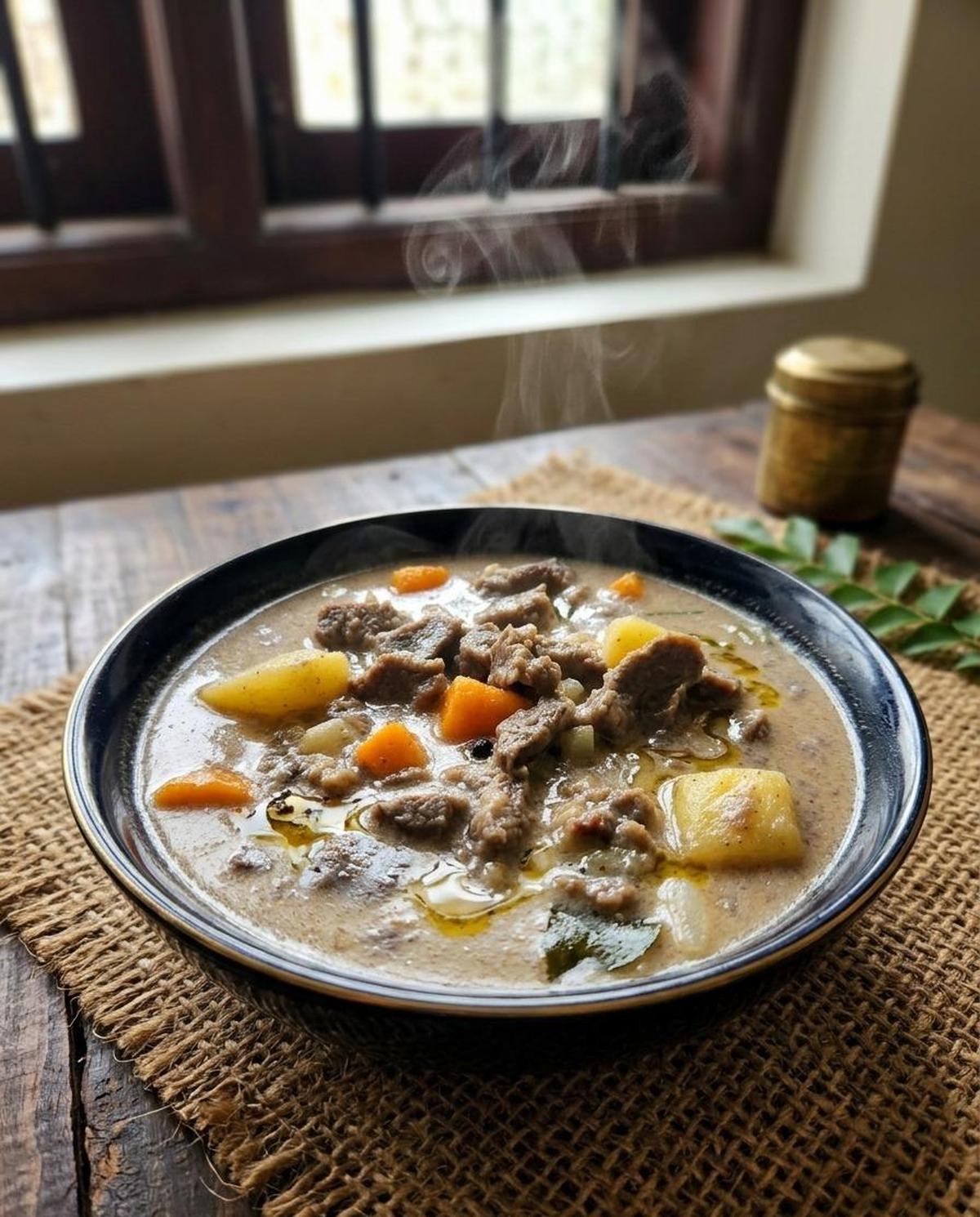
- Consistency: Malabar stew is generally thicker and more robust. Kochi stew is lighter and more fluid.
- Color Profile: The Malabar version often carries a mild yellow tone, likely from the specific way the onions are sautéed or the inclusion of certain spices. Kochi stew is prized for its pristine white, "milky" appearance.
- Flavor Notes: The northern version leans into a stronger pepper note, providing a sharper spice level. The Kochi version is milder, often carrying a slightly sweeter profile due to the heavy use of first-press coconut milk.
Nutritional and Sensory Profile
Unlike the fiery red fish curries or oil-heavy roasts of Kerala, the stew is built on "white aromatics." The flavor profile is constructed using:
- The Base: Freshly extracted coconut milk (usually added in two stages: thin milk for cooking, thick milk for finishing).
- The Aromatics: Cinnamon sticks, green cardamom, whole cloves, and bay leaves.
- The Heat: Derived exclusively from slit green chilies and crushed black peppercorns, avoiding red chili powder entirely to maintain the color.
- The Vegetables: Cubed potatoes are mandatory for their starch; carrots and onions add sweetness and texture.
Official Responses: Insights from the Pioneers
The success of the stew’s commercial revival is best explained by those at the helm of the movement.
Ajoy ET of "Reems Stew and Bread" highlights the emotional currency of the dish. "The response has been sensational," he notes. "The bread-stew combination is more than food for the Kochiite. It is part of our celebrations—Christmas and Easter. It is pure nostalgia and a taste of home." Ajoy also emphasizes the importance of authenticity, noting that his wife Reema uses a cashew paste thickening hack passed down from her grandmother, eschewing modern shortcuts like cornflour.
Jishnu KP, founder of "Stewmuch," spent three years deliberating before launching his stew-centric cloud kitchen. He views the stew as a masterclass in balance. "I chose stew because its spices and warmth are balanced. It is not a heavy dish; it feels light on the palate and comforting to eat," Jishnu explains. He is also innovating the pairing aspect, introducing "Ghee Rice and Stew"—a combination popular in Kozhikode but relatively rare in Kochi—to create a unique brand identity.
Tanya Abraham, author of Eating with History: Ancient Trade Influenced Cuisines of Kerala, provides the historical weight behind the trend. She explains that the use of coconut milk might have West Asian roots. "Coconut milk was used widely by the West Asians—the Jews—who couldn’t mix milk and meat due to Kosher laws," she says. This adaptation was then embraced by Syrian Christians, leading to the evolution of the modern recipe.
Implications: The Future of Kerala’s Culinary Heritage
The rise of dedicated stew outlets in Kochi carries several implications for the region’s food economy and cultural preservation.
1. The "Single-Dish" Business Model
The success of Reems and Stewmuch suggests that Kochi’s market is mature enough to support niche, single-dish concepts. This allows small business owners to maintain high quality and lower inventory costs while building a "specialist" reputation. We are likely to see more "micro-menus" focusing on other traditional staples like Meen Moilee or Olan.
2. Culinary Tourism
As Kochi continues to grow as a tourist hub, the branding of "Kerala Stew" as a must-try heritage dish provides a sophisticated alternative to the often-stereotyped "spicy Indian curry." Its mild flavor profile makes it highly accessible to international tourists, potentially making it a flagship dish for Kerala tourism.
3. Preserving Heirloom Techniques
By marketing "grandmother’s recipes" and traditional thickening methods (like cashew paste), these new businesses are inadvertently documenting and preserving oral culinary traditions that were at risk of being lost to industrial food processing.
4. The Gentrification of Comfort Food
While the move to food trucks and cloud kitchens makes the dish "trendy," there is a risk of the dish becoming a "premium" product. However, for now, the presence of hole-in-the-wall shops and food trucks alongside high-end restaurants ensures that the ishtew remains a democratic delight.
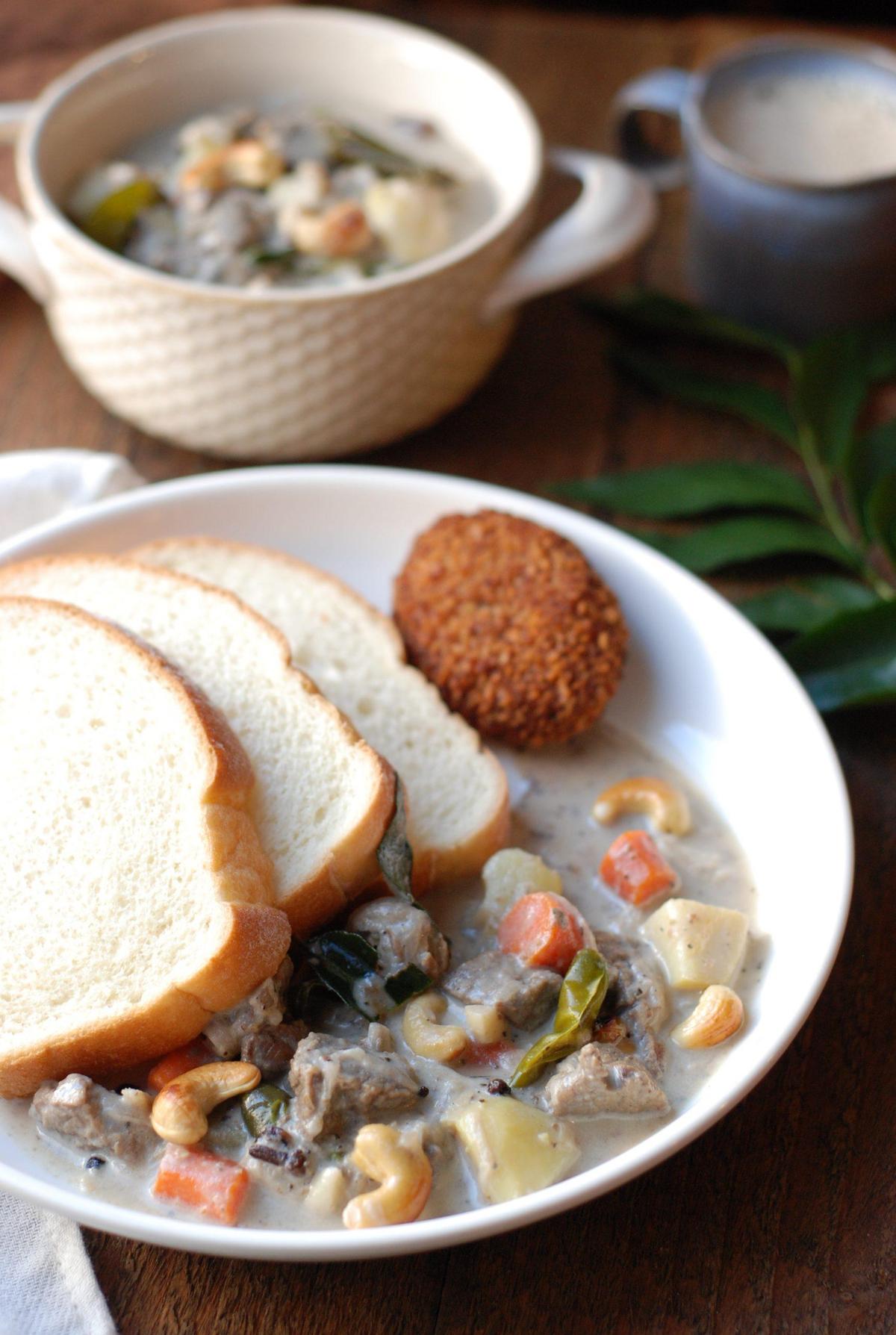
In conclusion, the Kerala stew is experiencing a profound second act. It has transitioned from the domestic hearth to the urban street-side, carrying with it centuries of colonial history and community identity. Whether served with a lacy appam in a quiet home or with a slice of custom-baked bread from a food truck in Kakkanad, the ishtew remains, as Ajoy ET puts it, "a warm hug" in a bowl—a timeless reminder that in the world of fast food, there is still a deep, visceral craving for the slow-cooked flavors of the past.
