

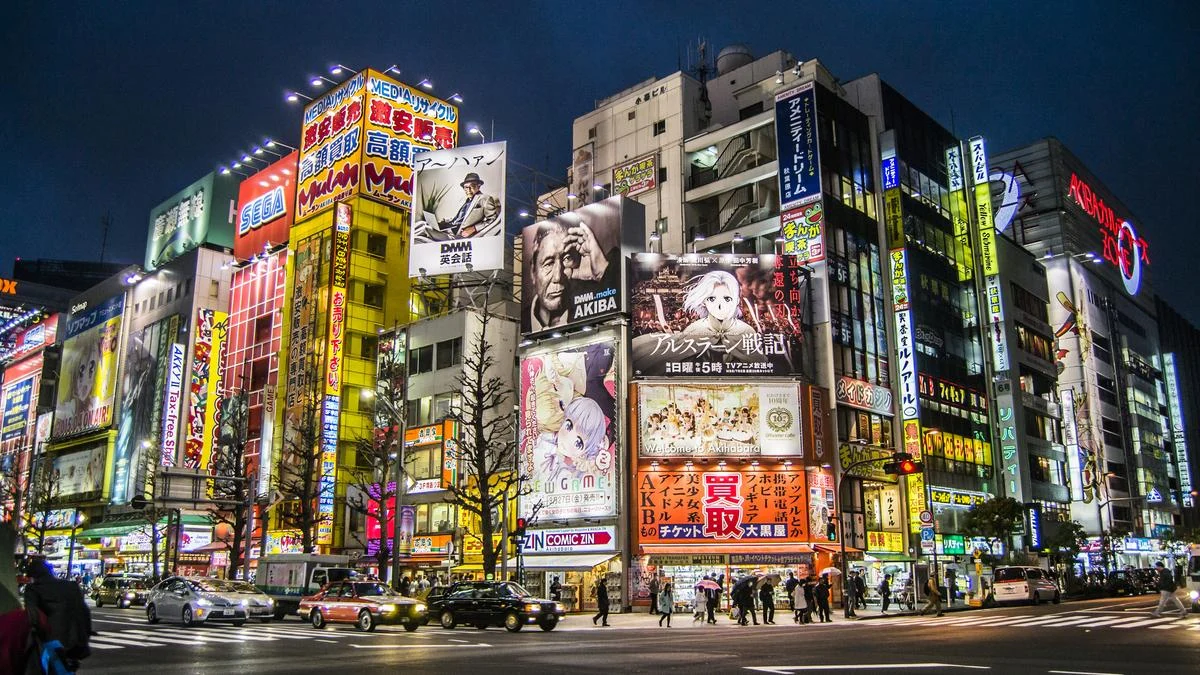
Tokyo is often described as a city of contradictions—a place where the frenetic energy of a high-speed metropolis meets the profound stillness of ancient tradition. For the time-pressed traveler, the Japanese capital offers a unique challenge: how to distill its vast, sensory-rich landscape into a mere 48 hours. From the high-altitude luxury of Otemachi to the neon-lit underpasses of Yurakucho, a two-day itinerary reveals a city that is not just seen, but felt.
Main Facts: The Anatomy of a Tokyo Blitz
The modern Tokyo experience is increasingly defined by "sensory travel"—an approach that prioritizes immersive, tactile, and culinary encounters over simple sightseeing. Key pillars of this 48-hour journey include:
- Hospitality Hubs: The emergence of Otemachi as a luxury district, anchored by properties like the Four Seasons Hotel Tokyo at Otemachi, providing a vantage point over the Imperial Palace.
- Culinary Spectrum: A range of dining that spans from "konbini" (convenience store) cult favorites to Michelin-starred French-Japanese fusion.
- Artistic Innovation: The integration of technology and nature, exemplified by the borderless digital installations at teamLab Planets.
- Retail Heritage: The evolution of Ginza from a traditional merchant district to a global center for "Nippon Made" craftsmanship and high fashion.
Chronology: Day 1 – The Sensory Immersion
09:00 – The Otemachi Awakening
The journey begins on the 39th floor of the Four Seasons Hotel Tokyo at Otemachi. In a city where space is the ultimate luxury, the floor-to-ceiling windows offer a cinematic introduction to Tokyo’s geography. To the west, the snow-capped peak of Mount Fuji—the "prima donna" of the Japanese skyline—often makes a brief appearance before the morning clouds settle in. Breakfast at Pigneto serves as a metaphor for the city itself: a global buffet where smoked salmon and French toast sit alongside traditional Japanese staples, overlooking the sprawling financial district and the Imperial Palace gardens.

11:00 – Asakusa’s Living History
Moving from the modern heights of Otemachi to the traditional lowlands of the Asakusa district, travelers encounter the soul of "Old Tokyo." The 250-meter Nakamise-dori is one of Japan’s oldest shopping streets, leading directly to the Senso-ji temple.
The street is a gauntlet of sensory delights. Traditional red lanterns hang from eaves while vendors hawk yokan (sweet bean paste), ningyo-yaki (doll-shaped cakes), and savory eel buns. This is the heart of Tokyo’s souvenir culture, where tourists and locals alike—many dressed in traditional kimonos with intricate obi sashes—navigate the crowds in a ritual of consumption and contemplation.
12:00 – The Rituals of Senso-ji
Beyond the iconic Kaminarimon (Thunder Gate), which houses a 700-kilogram chochin (lantern) replaced every decade, lies the Senso-ji temple complex. Here, the experience is defined by the scent of incense. At the large central urn, visitors perform a purification ritual, wafting grey curls of smoke over themselves. Nearby, o-mikuji stalls offer divine oracles, where a small donation and a shake of a metal box can reveal one’s fortune.

14:00 – The "Salaryman" Lunch: Tokyo Ramen Street
By mid-afternoon, the itinerary shifts to the basement of Tokyo Station. Beneath the thundering tracks of the Shinkansen (bullet trains) lies Tokyo Ramen Street, a curated collection of the city’s most formidable noodle shops. At Hirugao, the wait can exceed 40 minutes—a testament to the city’s dedication to the perfect bowl. Using a vending machine interface, diners select from varieties like chicken shio (salt) ramen, served with eggs cured in premium tare sauce. The environment is utilitarian, designed for the "slurp-and-go" pace of Tokyo life, yet the flavors are complex and deeply rooted in regional techniques.
16:00 – Botanical Respite at Kiyosumi Garden
To balance the morning’s intensity, the itinerary retreats to Kiyosumi Garden in Koto-ku. This "strolling forest" style garden is centered around a massive pond featuring "isowatari" stepping stones. It is a masterclass in Japanese landscaping, where the placement of every rock and the pruning of every gnarly tree is intentional. It offers a rare moment of "laidback bliss," where the only interaction is the silent movement of turtles sunning themselves on peripheral rocks.
19:00 – The Digital Frontier: teamLab Planets
As evening falls, the focus shifts to Toyosu for teamLab Planets. This "body immersive" art installation requires visitors to walk barefoot through various environments, including knee-deep water filled with virtual koi fish. It is a boundary-pushing blend of science, technology, and art, featuring reflective spheres, shifting light sculptures, and tactile surfaces that challenge the visitor’s sense of balance and space.

21:00 – High-Altitude Mixology at Virtu
The day concludes back in Otemachi at Virtu, currently ranked among the top 50 bars in the world. The bar specializes in a fusion of French spirits and Japanese seasonal produce. Signature cocktails, such as those blending cognac with Japanese black tea and fig, are served against a backdrop of the shimmering skyscraper lights of the financial district.
Chronology: Day 2 – Elegance and Urban Exploration
09:00 – The Konbini Culture
Day two begins with a deliberate departure from hotel luxury to experience a cornerstone of Japanese life: the konbini. Convenience stores like FamilyMart have achieved cult status for their high-quality food. The "Famichiki" (fried chicken) and creamy egg sandwiches are not merely snacks but cultural touchstones. For a more traditional start, locals favor salmon or tuna onigiri (rice balls), often paired with a jiggly souffle pudding.
11:00 – The Imperial Heart
A short walk leads to the Imperial Palace, the primary residence of the Emperor of Japan. Enclosed by massive stone walls and moats, the palace grounds are a bastion of Japanese Modernist architecture. While the inner grounds require a guided tour, the surrounding 5-kilometer perimeter is a popular route for local runners, offering a glimpse into the city’s fitness culture amidst historical grandeur.

13:30 – The Afternoon Tea Aesthetic
At The Lounge in Otemachi, the British tradition of afternoon tea is reimagined through a Japanese lens. Menus are often seasonal and themed—such as the "Orsay Impressionist Exhibition" tea. Pastry chefs like Michele Abbatemarco and Kensuke Kuze create edible tributes to Monet and Renoir, featuring savory smoked salmon dill rillettes and sweet vanilla bavarois. It is a slow, methodical experience that treats gastronomy as a fine art.
17:00 – The Evolution of Ginza
By late afternoon, the journey moves to Ginza, Tokyo’s premier shopping district. Here, the "Nippon Made" philosophy is on full display at flagship stores like Onitsuka Tiger, where limited-edition sneakers are treated with the same reverence as fine jewelry. The district is a vertical maze of consumption, from the 12-story Uniqlo flagship—complete with its own cafe and flower stall—to iconic department stores like Mitsukoshi and Matsuya, which have curated Tokyo’s fashion tastes for over a century.
19:00 – Gastronomy as Emotion: Est
Dinner is a formal affair at Est, a one-Michelin-star restaurant led by Chef Guillaume Bracaval. The name stands for Emotion, Season, and Terroir. The menu is a sophisticated dialogue between French technique and Japanese sourcing: Wagyu from Miyazaki, cheese from Hokkaido, and long pepper from Okinawa. A nine-course omakase meal here is a testament to the "Japan-first" movement in fine dining, where the chef acts as an artist interpreting the landscape.

21:00 – The Underpass Alchemy: Yurakucho Yokocho
The 48 hours conclude not in a skyscraper, but under the train tracks. Yurakucho Yokocho is an alleyway of neon-lit izakayas (traditional pubs) nestled comfortably beneath the girders of the Yamanote line. Drinking umeshu (plum liqueur) amidst the roar of passing trains and the chatter of office workers, the traveler finds the true heartbeat of Tokyo: a city that finds beauty and energy in every available pocket of space.
Supporting Data: The Logistics of the Tokyo Experience
To navigate Tokyo effectively in 48 hours, travelers rely on a highly sophisticated infrastructure:
- Transport Density: Tokyo Station handles over 450,000 passengers daily, making its "Ramen Street" one of the highest-traffic culinary hubs in the world.
- Hospitality Standards: The "Omotenashi" (wholehearted hospitality) philosophy drives the service industry, contributing to Tokyo holding more Michelin stars than any other city globally.
- Tourism Recovery: Recent data from the Japan National Tourism Organization (JNTO) indicates a surge in "experience-based" tourism, with visitors spending 30% more on local activities and dining than in the pre-2020 era.
Official Responses: The Philosophy of the Hosts
Chef Guillaume Bracaval of Est emphasizes that the success of Tokyo’s high-end dining lies in its connection to the land. "A good chef has to think like an artist," Bracaval notes, highlighting that his mission is to translate the Japanese "terroir" through a French lens.

Similarly, hospitality experts at the Four Seasons Otemachi suggest that the modern luxury traveler is no longer looking for an escape from the city, but an immersion into it. Their curated itineraries, such as the Impressionist-themed teas, are designed to bridge the gap between global luxury and local cultural movements.
Implications: The Future of the Short-Stay Traveler
The 48-hour Tokyo blitz reveals a broader trend in global travel: the shift toward "hyper-curation." As travelers become more time-poor, the demand for high-density experiences—where one can move from a 7th-century temple to a futuristic digital art lab in a single afternoon—will continue to grow.
Tokyo’s ability to maintain its cultural identity while embracing radical technological and culinary shifts makes it the blueprint for the 21st-century megacity. Whether it is the tart finish of a plum liqueur under a train track or the sight of Mount Fuji from a 39th-floor suite, the city ensures that every minute is "elevated, charged, and alive." For the visitor, 48 hours is not a limitation, but a concentrated dose of one of the world’s most vibrant heartbeats.
