

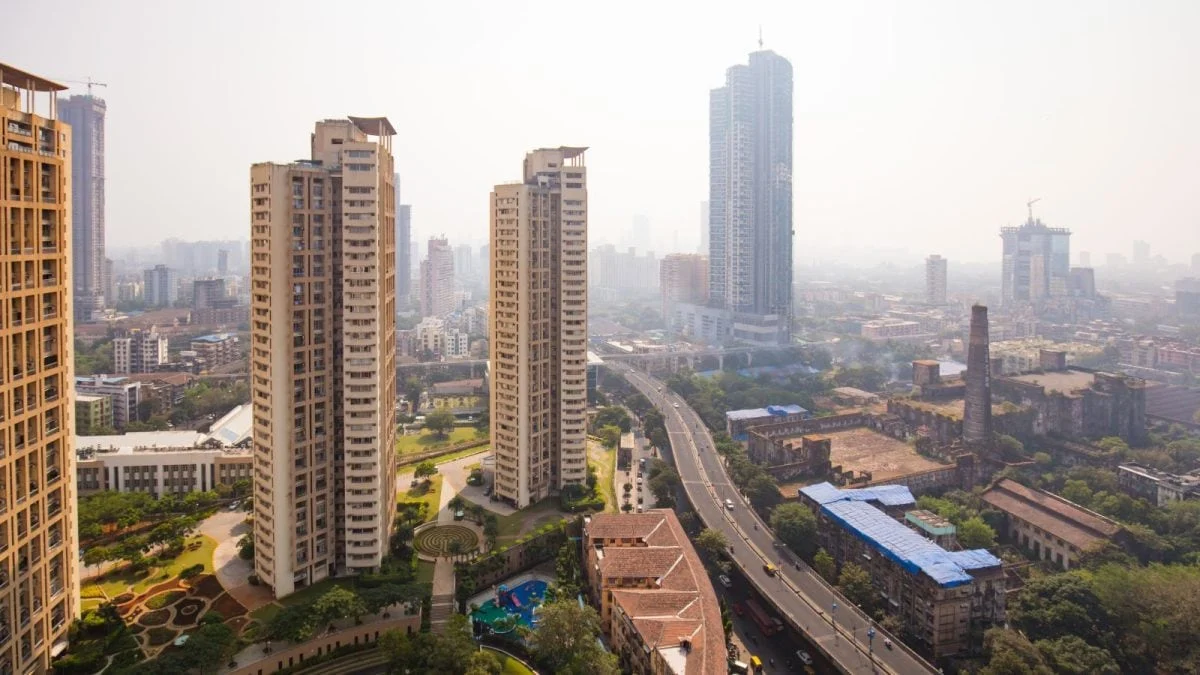
MUMBAI – In what is being described as one of the most significant regulatory crackdowns in the history of the Indian real estate sector, the Maharashtra Real Estate Regulatory Authority (MahaRERA) has issued show-cause notices to a staggering 8,212 housing projects across the state. The enforcement action comes in response to a widespread failure among developers to submit mandatory Quarterly Progress Reports (QPRs), a lapse that authorities claim undermines the very foundation of the Real Estate (Regulation and Development) Act (RERA) of 2016.
The move marks a decisive shift in the regulator’s stance from advisory to strictly punitive, signaling that the era of administrative leniency is over. As the real estate market in Maharashtra—particularly in hubs like Mumbai, Pune, and Thane—continues to see record-breaking investments, the regulator is doubling down on its mission to ensure that transparency is not sacrificed for the sake of rapid expansion.
The Core Issue: A Breakdown in Mandatory Disclosures
At the heart of this regulatory storm is the Quarterly Progress Report (QPR). Under the statutory framework of RERA, every registered project is required to upload a detailed update on the MahaRERA portal every three months. These reports are designed to provide a transparent, real-time window into the health of a project.
For the January-March 2026 quarter, the deadline for submission was April 20, 2026. However, data analysis by the regulator revealed that out of the 33,029 registered housing projects currently active in Maharashtra, more than 8,000 had failed to meet this compliance requirement.
What is a QPR and Why Does it Matter?
A QPR is not merely a bureaucratic formality; it is a vital document for consumer protection. It requires developers to disclose:
- Sales Status: How many units have been booked and how much inventory remains.
- Financial Inflows: The amount of money collected from allottees.
- Construction Progress: Physical milestones achieved on-site, often accompanied by photographs.
- Regulatory Approvals: Any changes in the building plans or new permissions obtained from municipal authorities.
- Escrow Account Status: Verification that 70% of the funds collected are being maintained in a dedicated project account.
When a developer fails to file these reports, it creates an information vacuum. Homebuyers, many of whom have invested their life savings, are left in the dark regarding whether their project is on track or if their funds are being diverted to other ventures.
Chronology of the Enforcement Drive
The current crisis did not emerge overnight. It is the result of a systematic monitoring process that MahaRERA has been refining over the last several years.
- April 20, 2026: The statutory deadline for the QPR submission for the first quarter of the year passed.
- April 21 – May 3, 2026: MahaRERA’s IT and compliance wings conducted a comprehensive audit of the portal, identifying projects that had failed to upload the necessary documentation.
- May 4, 2026: The first wave of show-cause notices was dispatched to 8,212 developers. This date marked the formal commencement of the "cleanup" drive.
- The 60-Day Window: Following the issuance of the notices, developers have been granted a 60-day grace period to rectify their defaults. This window serves as a final opportunity for compliance before the regulator moves toward more "drastic" measures.
- Future Outlook: Should developers fail to comply by July 2026, the regulator has authorized a suite of penalties including the suspension of project registrations and the freezing of bank accounts.
Supporting Data: A Regional Analysis of Non-Compliance
The scale of the default is not uniform across the state. A deep dive into the regional data reveals that the primary real estate hotspots are also the areas with the highest rates of non-compliance.
The Mumbai-Konkan Hub
The Mumbai Metropolitan Region (MMR) and the Konkan belt, which represent the most expensive and high-volume real estate markets in India, accounted for the lion’s share of the violations. A total of 4,644 projects in this region received show-cause notices. Within this belt, the Mumbai Suburban district (1,263 projects) and Thane district (1,465 projects) emerged as major areas of concern.
The Pune Corridor
The Pune region, a massive hub for both residential and IT-integrated real estate, follows closely behind. Approximately 2,311 projects in and around Pune have been flagged for failing to file their QPRs. Pune district alone accounts for 1,957 of these defaults, making it the single largest defaulting district in the state by volume.
Other Key Regions
- Nashik (Khandesh): Significant defaults were noted in North Maharashtra, particularly in the growing Nashik market.
- Nagpur (Vidarbha): The eastern part of the state also saw a spike in notices, as the regulator expanded its monitoring beyond the Tier-1 cities.
This data suggests that the problem of non-compliance is systemic, affecting both large-scale corporate developers in Mumbai and smaller, local players in emerging districts.
The Financial Safety Net: Escrow and Fund Diversion
One of the most critical aspects of the QPR is its link to the mandatory escrow mechanism. Under RERA, 70% of the money collected from homebuyers must be deposited into a separate bank account dedicated solely to the construction and land costs of that specific project.
Withdrawals from this account are strictly regulated. They can only be made in proportion to the percentage of completion of the project, and every withdrawal must be certified by:
- An Engineer (to verify physical progress).
- An Architect (to verify design compliance).
- A Chartered Accountant (to verify the financial accuracy of the withdrawal).
By failing to file QPRs, developers are effectively hiding the paper trail that proves they are following these escrow rules. MahaRERA officials have expressed concern that missing reports could be a precursor to "fund diversion"—a practice where developers use money from one project to buy land for another, often leading to delays and "stalled" projects.
Official Responses: A "Non-Negotiable" Mandate
The leadership at MahaRERA has made it clear that the current crackdown is not just about paperwork; it is about the integrity of the real estate market.
Manoj Saunik, Chairman of MahaRERA, has been vocal about the necessity of these measures. In a recent statement, Saunik emphasized that transparency is "non-negotiable." He noted that the authority’s primary mandate is to protect the interests of the homebuyer, and that cannot happen if the developer remains "invisible" to the regulator.
"The QPR is the pulse of a real estate project," a senior MahaRERA official stated. "When a developer stops reporting, the pulse stops. We cannot wait for a project to fail before we take action. We must intervene at the first sign of administrative silence."
The regulator has also warned that the penalties for ignoring these show-cause notices will be severe. Beyond a standard fine of Rs 50,000, the authority is prepared to:
- Suspend Project Registration: This would make it illegal for the developer to advertise or sell any units in the project.
- Instruct Sub-Registrars: The authority can order the government’s registration department to stop registering sale agreements for the defaulting projects, effectively halting all cash flow.
- Freeze Bank Accounts: To prevent the further depletion of project funds, MahaRERA can freeze the designated escrow accounts.
Implications for the Industry and Homebuyers
This massive enforcement drive carries significant implications for various stakeholders in the Maharashtra real estate ecosystem.
For Homebuyers: Empowered Vigilance
For the average homebuyer, this move is a welcome development. It reinforces the idea that the regulator is actively watching over their investment. Buyers are encouraged to visit the MahaRERA portal and check the "Project Progress" section. If their developer is among the 8,212 defaulters, it serves as an early warning sign to demand accountability before the situation escalates.
For Developers: A Wake-Up Call
The real estate industry, represented by bodies like CREDAI and MCHI, is now under pressure to ensure their members comply with the law. While some developers cite technical glitches or administrative overhead as reasons for the delay, the regulator’s stance suggests that these excuses will no longer be entertained. The crackdown is likely to lead to a professionalization of the "back-office" operations of many firms, as they realize that compliance is now as important as construction.
For the Market: A Flight to Quality
In the long term, such stringent enforcement is expected to lead to a "flight to quality." Investors and homebuyers will gravitate toward developers who have a clean track record of timely filings and transparent disclosures. This could lead to a consolidation in the market, where only the most disciplined and transparent players survive, eventually reducing the number of "stalled projects" that have historically plagued the Indian real estate sector.
For Regulatory Tech: Digital Transformation
The ability of MahaRERA to identify 8,212 defaulters out of 33,000 projects almost instantly highlights the success of the digital transformation of the authority. The use of automated alerts and data analytics is setting a benchmark for other state RERA authorities across India.
Conclusion: The Path Ahead
The issuance of show-cause notices to over 8,000 projects is a watershed moment for Maharashtra’s real estate sector. It serves as a stark reminder that the registration of a project with MahaRERA is not a one-time event, but a continuous commitment to transparency and accountability.
As the 60-day window begins to close, all eyes will be on the developers. Will they fall in line and provide the transparency that the law demands, or will they face the hammer of regulatory suspension? For the thousands of homebuyers waiting for the keys to their dream homes, the answer to that question could not be more critical. MahaRERA’s message is clear: the project belongs to the developer, but the data belongs to the public.
