

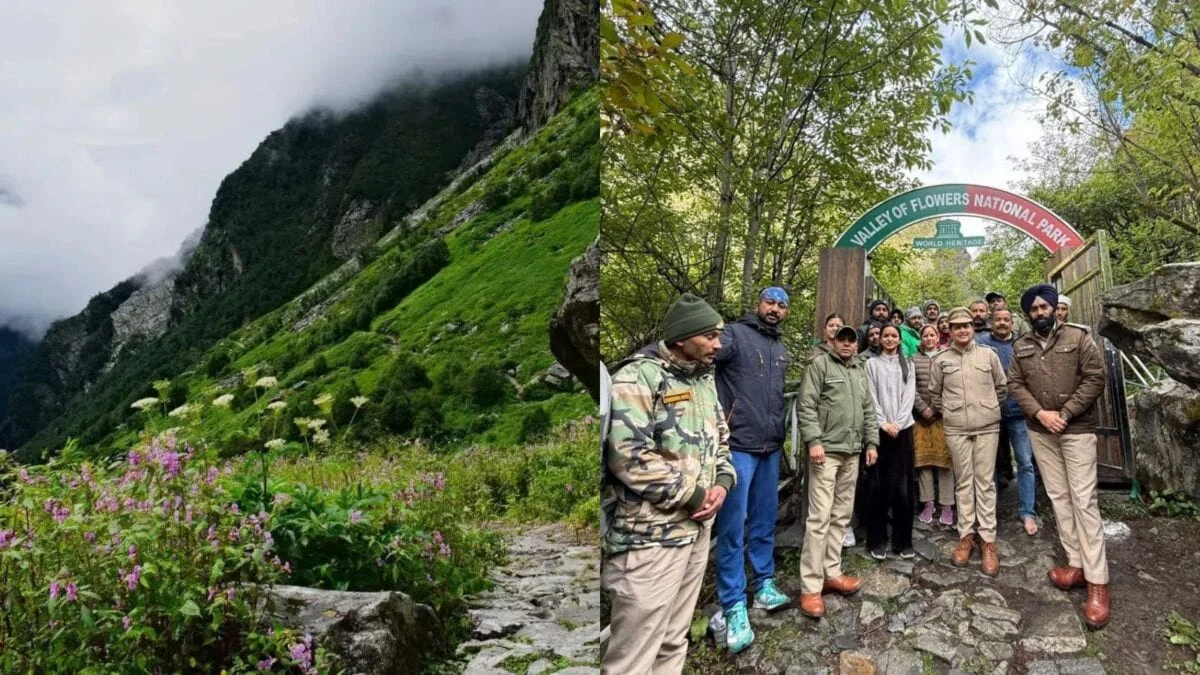
New Delhi, India – As the crisp mountain air of Uttarakhand begins to shed its winter chill, a legendary natural spectacle awakens. The Valley of Flowers, a UNESCO World Heritage Site nestled within the majestic Garhwal Himalayas, has officially reopened its gates to the world. From June 1st to October 31st, this ethereal alpine meadow, renowned for its breathtaking biodiversity and dramatic landscapes, invites nature enthusiasts, intrepid trekkers, and avid photographers to immerse themselves in its ephemeral beauty. This season promises a particularly vibrant display, with an estimated over 300 distinct species of flowers poised to paint the valley in a kaleidoscope of colors, a testament to the region’s unparalleled ecological significance.
The Valley of Flowers, a jewel in the crown of Uttarakhand’s natural heritage, is not merely a destination; it’s an experience that transcends the ordinary. For four months each year, this secluded sanctuary, located in the Chamoli district, undergoes a magical transformation. What lies dormant under a blanket of snow for the rest of the year erupts into a vibrant tapestry of life. Delicate alpine blooms, many of which are endemic to these high-altitude ecosystems, unfurl their petals, creating a breathtaking panorama against the backdrop of towering, snow-capped peaks. This annual reawakening marks the beginning of an eagerly anticipated season for those who seek solace and wonder in the embrace of nature.
Forest officials, while celebrating the reopening, have also issued a heartfelt plea to visitors. As the valley welcomes a surge of tourists, the emphasis this year is firmly on responsible tourism and the preservation of its fragile biodiversity. The delicate ecosystem of the Valley of Flowers is a testament to centuries of natural evolution, and its continued existence relies on the mindful stewardship of its admirers. Visitors are urged to tread lightly, respect the flora and fauna, and adhere to all guidelines to ensure that this natural wonder remains pristine for generations to come.
A Journey Through Time: The Seasonal Cycle of the Valley of Flowers
The story of the Valley of Flowers is intrinsically linked to the rhythm of the seasons. Its annual opening and closing are dictated by the harsh yet beautiful realities of the Himalayan climate.
The Dormant Winter (November – May): During the long winter months, the Valley of Flowers lies under a thick mantle of snow. This period of dormancy is crucial for the regeneration of the plant life. The snow cover acts as insulation, protecting the delicate roots and seeds from the extreme cold. While inaccessible to most visitors, this period is vital for the valley’s ecological health, preparing it for its grand unveiling in the summer.
The Grand Awakening (June): As the snow begins to melt with the arrival of spring and early summer, the first signs of life emerge. Small, hardy plants start to push through the thawing earth, signaling the impending bloom. June marks the beginning of the tourist season, with the initial phase characterized by emerging greenery and the promise of what’s to come.
The Peak of Bloom (July – August): This is the undisputed zenith of the Valley of Flowers’ magnificence. The meadows explode into a riot of color, as hundreds of species of flowers reach their peak blooming period. The landscape transforms into a vibrant canvas, adorned with the hues of numerous alpine blossoms. This is the prime time for photographers and nature enthusiasts to witness the valley in its full glory. The monsoon rains, while potentially making trails slippery, also play a vital role in nourishing the flora, contributing to the lushness and vibrancy of the landscape.
The Fading Splendor (September – October): As the monsoon recedes and autumn begins to set in, the intensity of the blooms gradually diminishes. However, the valley retains a distinct charm during this period. The colors may soften, but the ethereal beauty of the fading flowers against the dramatic mountain backdrop continues to captivate. This time offers a more serene experience, with fewer crowds and a sense of tranquil farewell to the blooming season.
The Return to Slumber (November): With the onset of winter, the flowers wither, and the valley prepares to be enveloped by snow once again. The gates close, marking the end of another spectacular season and the beginning of the cycle anew.
The Trekker’s Odyssey: Navigating the Path to Paradise
Reaching the Valley of Flowers is an adventure in itself, a journey that rewards the intrepid with unparalleled natural beauty. The trek is generally considered moderate, but the inclusion of a visit to the sacred Hemkund Sahib, a high-altitude Sikh pilgrimage site, can significantly increase the exertion due to its higher elevation.
The Base Camps and Trek Routes: Most trekking expeditions to the Valley of Flowers originate from designated base camps. Poolna or Pipalkoti are common starting points, depending on the trekking company chosen. Alternatively, one can reach Govindghat, a significant hub for pilgrims and trekkers, and establish a camp there.
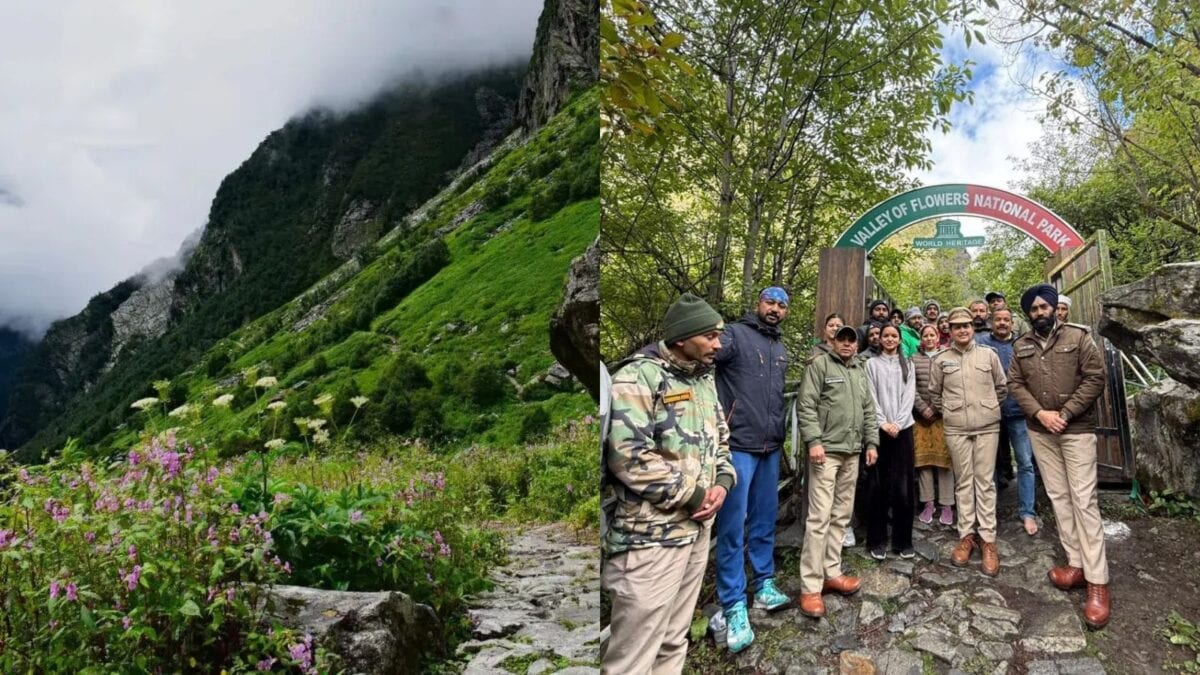
The primary route involves a trek to Ghangaria, also known as Gobind Dham. This charming settlement serves as the central point for accessing both the Valley of Flowers and Hemkund Sahib. From Ghangaria, the Valley of Flowers is approximately a 4-kilometer trek one way. It is crucial to note that overnight stays or camping are strictly prohibited within the Valley of Flowers itself. Visitors are required to return to Ghangaria by 5 PM to ensure the preservation of the delicate ecosystem and for their own safety.
The trek from Ghangaria to Hemkund Sahib is a separate, more challenging ascent, often undertaken by pilgrims. The spiritual significance of Hemkund Sahib, coupled with its breathtaking location, makes it a compelling addition for many trekkers.
Trekking Companies and Durations: Numerous trekking companies offer organized tours to the Valley of Flowers, catering to various fitness levels and time constraints. The average duration of these treks typically ranges from 4 to 6 days, allowing ample time to explore the valley, soak in the scenery, and potentially visit Hemkund Sahib. These packages often include accommodation, meals, and guide services, making the journey more accessible for those unfamiliar with the terrain.
A Symphony of Flora: The Botanical Riches of the Valley
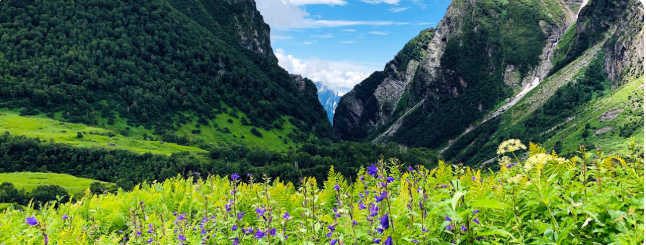
The Valley of Flowers is not just a scenic expanse; it is a living, breathing testament to the extraordinary diversity of high-altitude flora. Home to over 300 species of flowers, the valley is a botanist’s dream and a nature lover’s paradise.
Alpine Wonders: The valley’s unique microclimate and altitude foster the growth of a remarkable array of alpine plants. These hardy species have adapted to survive in challenging conditions, exhibiting vibrant colors and intricate forms. From the delicate blossoms of potentilla and saxifraga to the resilient gentians and primulas, the valley offers a spectacular display of nature’s artistry.
Rare and Endemic Species: A significant draw for the Valley of Flowers is the presence of rare and endemic species, plants found nowhere else on Earth. Among the most sought-after is the Himalayan Brahmakamal (Saussurea obvallata). This revered flower, often found at altitudes around 14,000 feet, holds cultural and medicinal significance and is considered a symbol of auspiciousness in the region. Spotting this elusive bloom is a highlight for many visitors.
The Biodiversity Hotspot: The valley’s designation as a UNESCO World Heritage Site underscores its global importance as a biodiversity hotspot. The intricate web of life, from the smallest insects to the majestic flora, creates a self-sustaining ecosystem that is both fragile and resilient. The careful preservation of this environment is paramount to safeguarding its unique biological treasures.
Planning Your Expedition: Reaching the Gateway to the Blooms
The journey to the Valley of Flowers, while requiring some effort, is well worth the endeavor. Several modes of transport can be utilized to reach the nearest access points.
By Air: The nearest airport to the Valley of Flowers is Jolly Grant Airport in Dehradun. From the airport, one can hire a taxi or take a bus to Govindghat. The road connectivity extends up to Govindghat, from where the trek to Ghangaria and subsequently the Valley of Flowers commences.
By Rail: The closest major railway station is Rishikesh. From Rishikesh, regular bus services and taxis are available to Govindghat, serving as the gateway to the trekking routes.
By Road: Well-connected by road, Govindghat can be reached from major cities in Uttarakhand and neighboring states. The drive itself offers stunning views of the Himalayan landscape, building anticipation for the natural spectacle that awaits.
Official Responses and Conservation Efforts
The reopening of the Valley of Flowers is met with enthusiastic anticipation each year, but it also brings with it the responsibility of conservation. Forest officials and local authorities are actively involved in ensuring the sustainable management of this natural wonder.
Visitor Management: Strict regulations are in place to manage the influx of tourists and minimize their impact on the environment. This includes designated trekking paths, restrictions on camping, and waste management protocols. Officials emphasize the importance of carrying back all non-biodegradable waste and avoiding the plucking of flowers.
Biodiversity Monitoring: Continuous efforts are made to monitor the health of the ecosystem and the populations of various plant and animal species within the valley. This data is crucial for understanding any ecological changes and implementing necessary conservation strategies.
Awareness Campaigns: The Forest Department and various environmental organizations often conduct awareness campaigns to educate visitors about the ecological significance of the Valley of Flowers and the importance of responsible tourism practices. These initiatives aim to foster a sense of stewardship among tourists.
Implications for Tourism and the Local Economy
The annual reopening of the Valley of Flowers has significant implications for tourism in Uttarakhand and the local economy of the Chamoli district.
Economic Boost: The influx of tourists during the season provides a substantial economic boost to the region. Local communities benefit from increased demand for accommodation, food, transportation, and guide services. This economic activity is vital for the livelihoods of many residents.
Promoting Sustainable Tourism: The popularity of the Valley of Flowers presents an opportunity to promote sustainable tourism practices. By highlighting the importance of eco-friendly travel, authorities can encourage visitors to engage with the local culture and environment in a respectful and responsible manner.
Balancing Access and Preservation: The ongoing challenge lies in striking a balance between providing access to this natural wonder for tourists and ensuring its long-term preservation. Effective management strategies, coupled with visitor cooperation, are key to achieving this delicate equilibrium.
As the Valley of Flowers unfurls its vibrant carpets once again, it stands as a powerful reminder of the Earth’s extraordinary beauty and the imperative of its conservation. For those who embark on the journey, it promises an unforgettable encounter with nature’s most exquisite artistry, a testament to the enduring magic of the Himalayas.
