

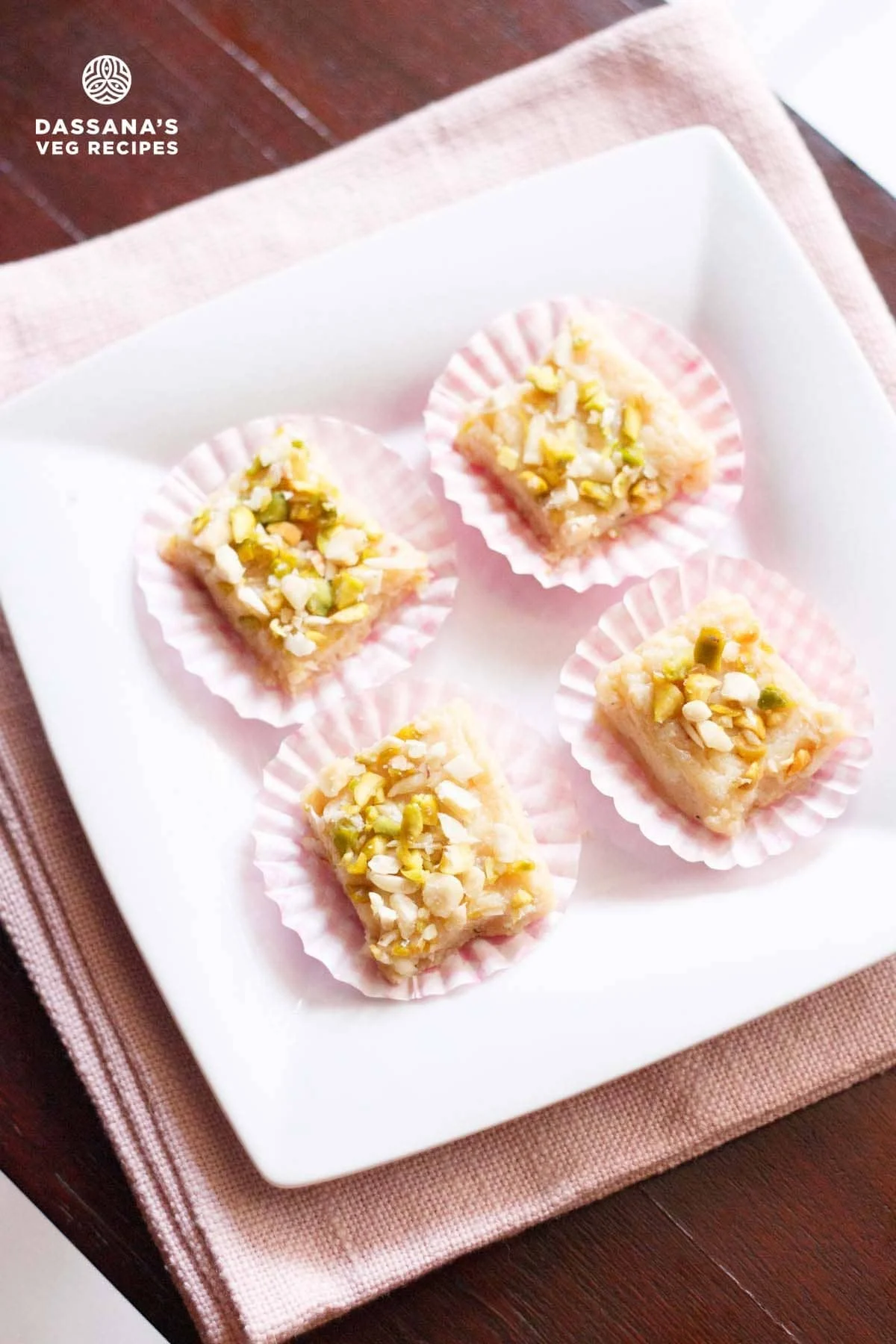
The landscape of Indian culinary traditions is undergoing a significant transformation. As modern lifestyles demand efficiency without sacrificing the soul of heritage, the "instant" revolution has reached the most sacred of grounds: the festive sweet, or mithai. At the forefront of this movement is the Instant Malai Barfi, a rich, milk-based fudge that traditionally required hours of labor but can now be perfected in just fifteen minutes. This evolution represents a broader shift in how cultural identity is preserved in a fast-paced world, blending convenience with the complex flavor profiles that define Indian gastronomy.
Main Facts: Redefining a Classic
Malai Barfi is a cornerstone of the Indian dessert repertoire, celebrated for its creamy, slightly grainy, and melt-in-the-mouth texture. The term "Malai" refers to the layer of clotted cream that forms on milk, a substance that serves as the foundation for some of the subcontinent’s most decadent treats. Historically, achieving the perfect barfi was an exercise in patience, involving the slow simmering of full-fat milk for hours until the liquid evaporated, leaving behind concentrated milk solids.
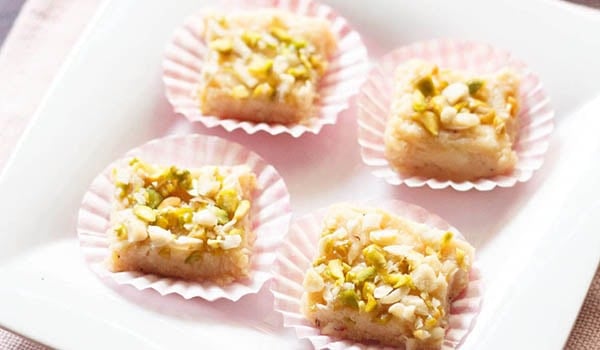
However, the modern recipe leverages three key pillars to bypass this arduous process: sweetened condensed milk, fresh cream, and paneer (Indian cottage cheese). By utilizing these pre-processed yet high-quality ingredients, the cooking time is slashed from hours to less than twenty minutes.
The Flavor Profile
Despite its "instant" label, the dish maintains a sophisticated aromatic profile. It is traditionally infused with:
- Saffron: For a golden hue and earthy undertone.
- Cardamom: To provide a floral, spicy top note.
- Rose Water: For a delicate, fragrant finish.
- Garnish: A blend of blanched pistachios and almonds that provides a necessary textural contrast to the soft fudge.
Chronology: The 15-Minute Culinary Transformation
The preparation of Malai Barfi is a study in precision and heat management. The following chronology outlines the journey from raw ingredients to a set, festive sweet.
Phase I: Preparation and Assembly (Minutes 0–3)
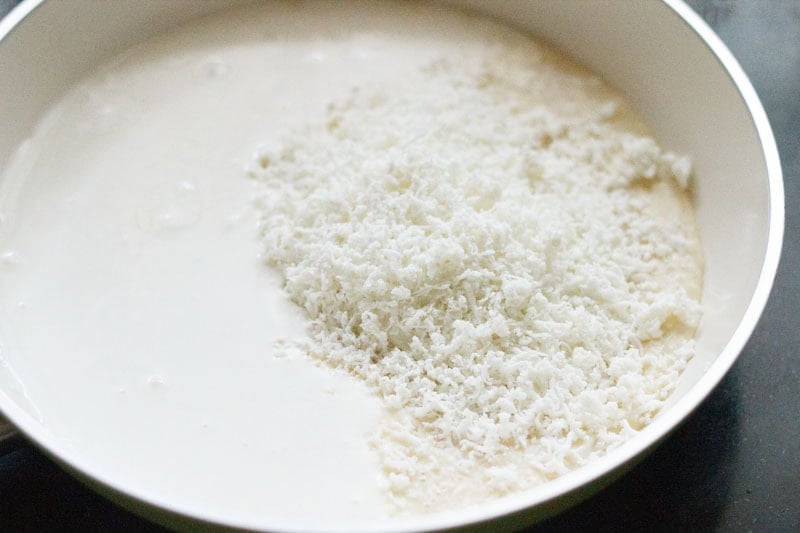
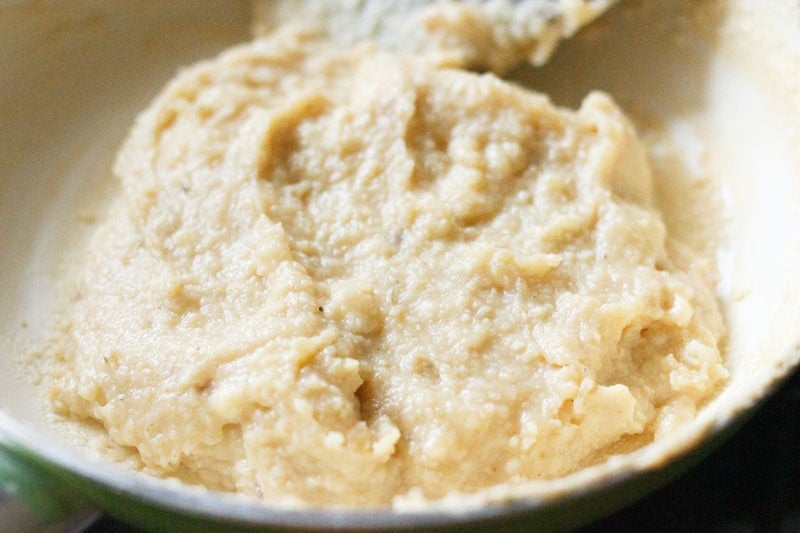
The process begins with the preparation of the setting tray. A thin layer of ghee (clarified butter) is brushed onto a plate or tray to ensure the barfi does not stick. The "trinity" of ingredients—200 grams of sweetened condensed milk, half a cup of fresh cream (ranging from 25% to 35% fat), and 100 grams of finely grated paneer—are combined in a thick-bottomed pan. This selection of cookware is vital to prevent the milk solids from scorching.
Phase II: The Thermal Reduction (Minutes 3–12)
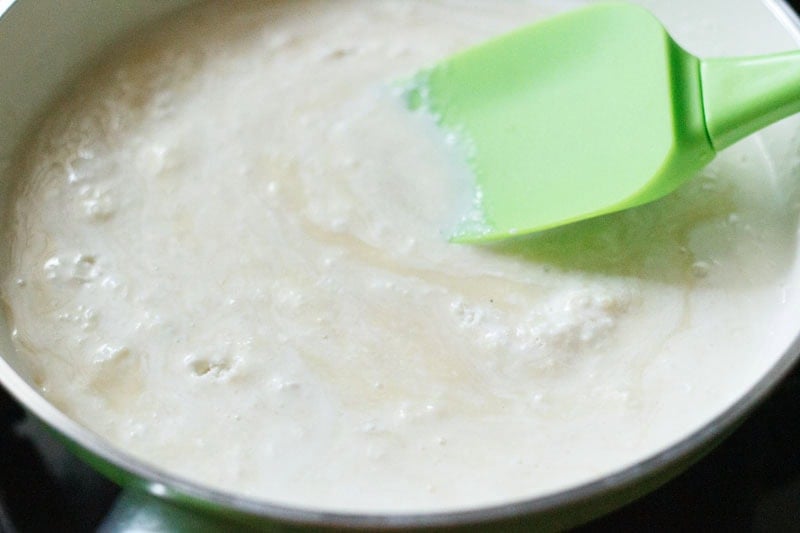
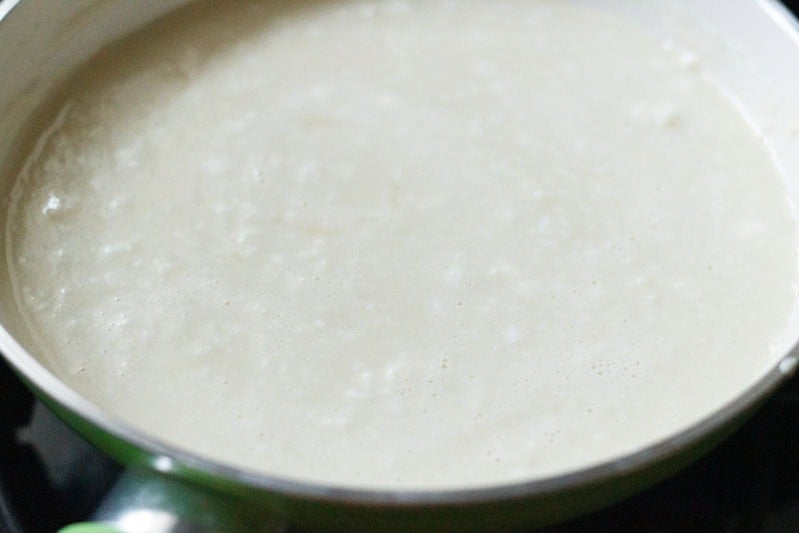
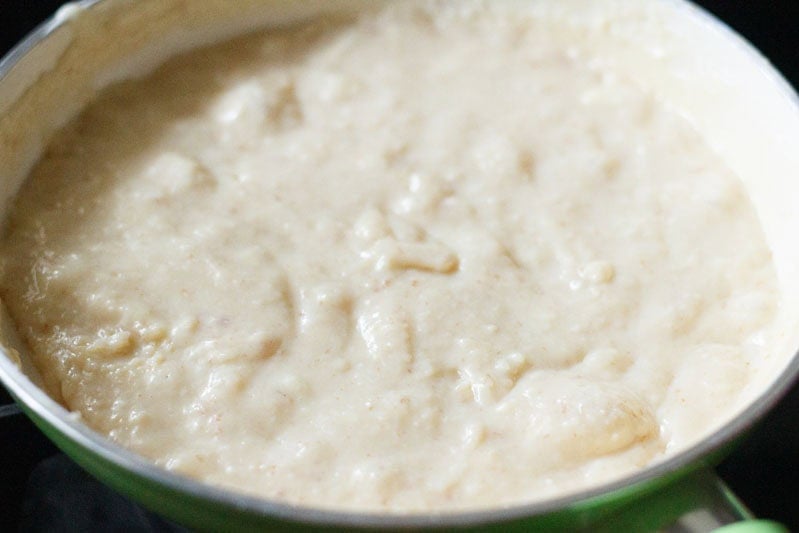
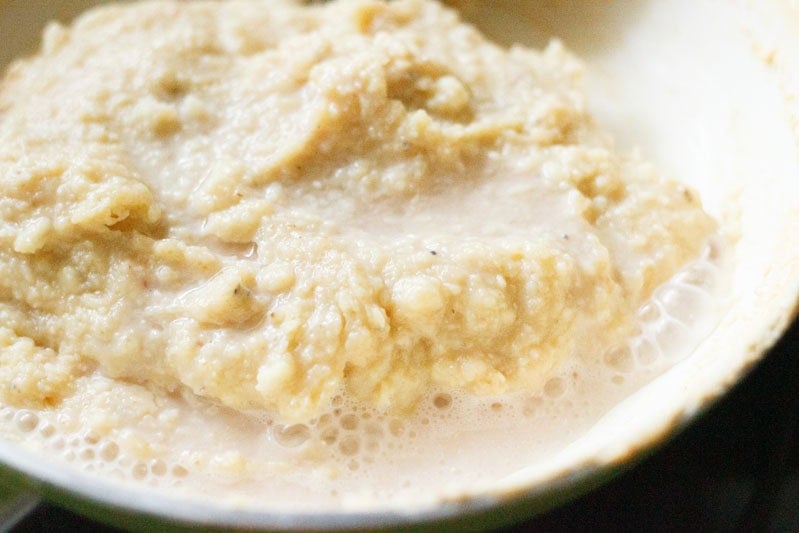
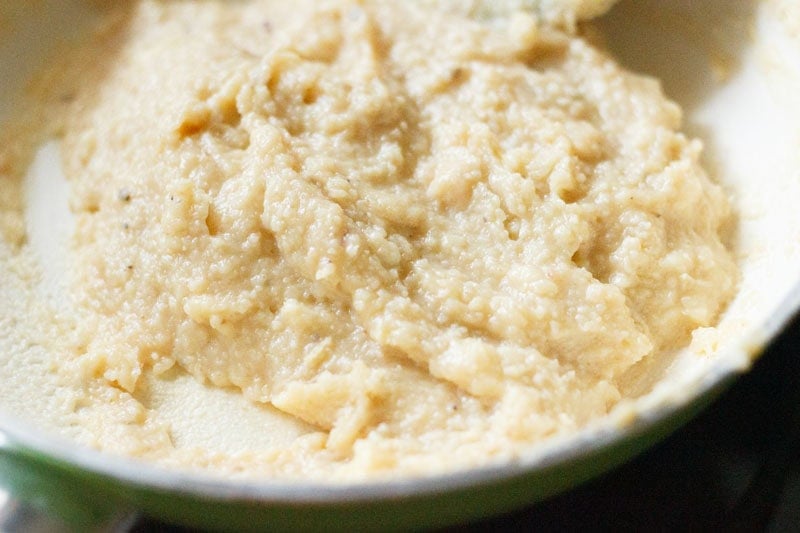
Once the mixture is placed on low heat, the cook must maintain constant motion. As the temperature rises, the proteins in the paneer and the sugars in the condensed milk begin to interact. The mixture initially thins out before gradually thickening. Around the 8-to-10-minute mark, a physical transformation occurs: the mixture begins to pull away from the sides of the pan, forming a cohesive, soft mass. This is the critical "soft-ball" stage in confectionery.
Phase III: The Aromatic Infusion (Minutes 12–15)
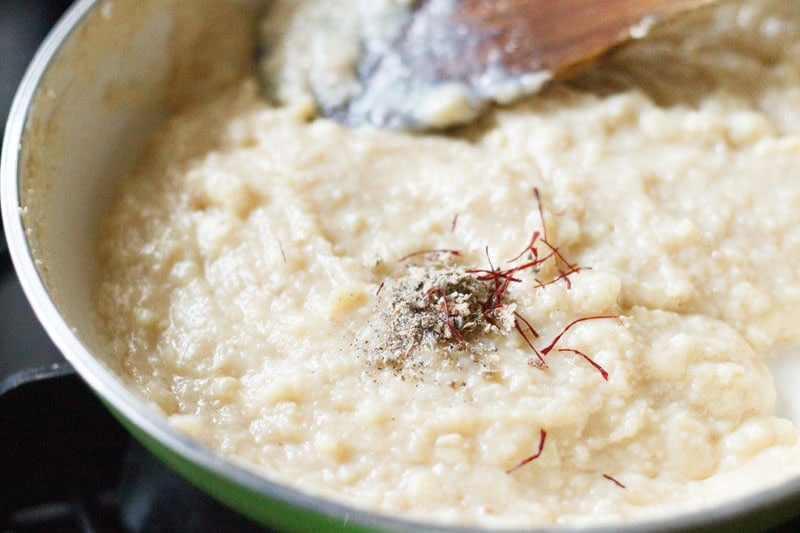
As the mass stabilizes, saffron strands and cardamom powder are introduced. This timing is essential; adding aromatics too early can cause their volatile oils to evaporate, while adding them too late prevents even distribution. The mixture is cooked for an additional 60 to 120 seconds.
Phase IV: Finishing and Setting (Post-Cooking)
The heat is extinguished before the final addition of rose water. The mixture is immediately transferred to the greased tray. The surface is smoothed with a spatula and adorned with blanched nuts. The barfi then requires a cooling period to reach its final firm consistency before being sliced into geometric shapes—typically squares or diamonds.
Supporting Data: Nutritional and Technical Specifications
To understand the appeal of the Instant Malai Barfi, one must look at the data behind the recipe. This version is designed for moderate consumption, balancing richness with portion control.
Nutritional Breakdown (Per Serving)
Based on a yield of 12 pieces, the nutritional profile is as follows:
- Calories: 93 kcal
- Total Fat: 5g (Saturated Fat: 3g)
- Carbohydrates: 10g (Sugar: 9g)
- Protein: 3g
- Minerals: Calcium (93mg), Magnesium (9mg), Phosphorus (51mg)
- Cholesterol: 12mg
Ingredient Functionality
- Sweetened Condensed Milk: Acts as a dual-purpose agent, providing both the necessary sugar and the milk solids that would traditionally take hours to reduce. It serves as the primary binding agent.
- Paneer: Provides the "danedar" or grainy texture that is the hallmark of authentic Malai Barfi. Without paneer, the fudge would be too smooth and lose its traditional character.
- Fresh Cream: Enhances the "malai" (creamy) mouthfeel and prevents the barfi from becoming overly dry or crumbly.
Official Guidance: Expert Tips for Success
Culinary experts emphasize that while the recipe is "instant," it is not "effortless." Success depends on several technical nuances.
The "Chewy" Trap
The most common failure in making Malai Barfi is overcooking. If the mixture is left on the heat for even two minutes too long, the sugars will caramelize too far, resulting in a dense, chewy, or rubbery texture rather than a soft, melt-in-the-mouth finish. Experts suggest removing the pan from the heat as soon as the mixture begins to leave the sides of the pan.
Pan Quality
The use of a heavy-based pan or a non-stick kadai is non-negotiable. Milk-based mixtures are highly susceptible to the Maillard reaction, which can quickly turn from browning to burning if the heat distribution is uneven.
Texture Customization
While the standard shape is a barfi (square), the mixture is highly versatile. If cooled slightly, it can be rolled into spheres to create Malai Ladoo or flattened into discs for Malai Peda. This versatility makes it a favorite for festive platters that require visual variety.
Storage and Longevity
Because this recipe contains fresh dairy (paneer and cream), its shelf life is shorter than flour-based sweets. It must be stored in an airtight container in the refrigerator, where it will remain fresh for up to seven days.
Implications: The Cultural Shift in Festive Gifting
The emergence of high-quality, instant recipes like Malai Barfi has profound implications for Indian social and cultural fabric, particularly during major festivals such as Diwali, Raksha Bandhan, and Holi.
The Democratization of Mithai
Traditionally, the preparation of complex sweets was the domain of professional halwais (confectioners) or elder matriarchs who could dedicate an entire day to the kitchen. The instant version democratizes this process, allowing younger generations and working professionals to participate in the "homemade" tradition. This ensures that the custom of preparing and sharing sweets remains a living tradition rather than a commercialized transaction.
The Economy of Gifting
In Indian culture, gifting store-bought sweets is common, but "ghar ki mithai" (homemade sweets) carries significantly more social capital and emotional weight. By reducing the time barrier, more households are returning to the practice of artisanal gifting. A 15-minute recipe allows a person to produce multiple batches for friends and family, fostering community ties without the exhaustion traditionally associated with festive prep.
Health and Purity Concerns
One of the driving forces behind the rise of homemade instant sweets is the concern over food adulteration in commercial markets during peak festive seasons. By using trusted brands of condensed milk and making paneer at home, consumers have total control over the purity of their ingredients, eliminating the risks of synthetic colors or substandard milk solids often found in mass-produced sweets.
Conclusion
The Instant Malai Barfi is more than just a quick dessert; it is a testament to the adaptability of Indian cuisine. It proves that the essence of a dish—its flavor, its texture, and its cultural significance—can be preserved even when the methods of production are modernized. As the world moves faster, the ability to create a "labor of love" in just fifteen minutes ensures that the sweetness of tradition is never lost to the passage of time. Whether served at a grand wedding or a quiet family tea, this rich milk fudge continues to represent the pinnacle of Indian confectionery, refined for the 21st century.
