

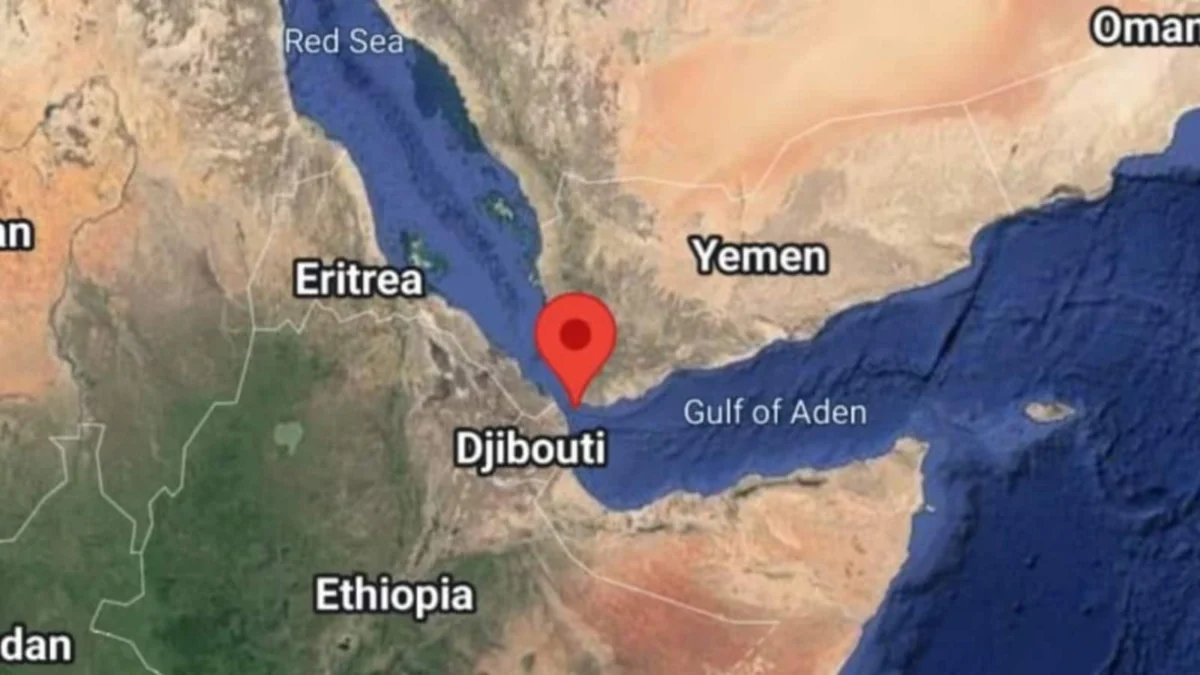
New Delhi, India – June 3, 2026 – Nestled between the rugged Arabian Peninsula and the vibrant Horn of Africa, the Bab el-Mandeb Strait, a narrow yet profoundly significant maritime passage, is once again at the epicenter of global geopolitical discourse. Translating from Arabic as the "Gate of Tears," this strait is far more than a mere geographical demarcation; it is a critical artery of international commerce, a conduit for vital energy supplies, and a focal point where converging geopolitical interests clash and coalesce. Its strategic importance, coupled with a unique blend of breathtaking natural beauty and deep historical resonance, positions the Bab el-Mandeb Strait as an underappreciated travel wonder, juxtaposed against the stark realities of modern conflict.
The recent escalation of tensions in the Middle East, particularly following Israel’s expanded military operations in Lebanon, has brought renewed focus to this vital chokepoint. Reports indicate that Iran and its allied forces are actively exploring the strategic leverage offered by maritime passages, including the potential to disrupt or control key waterways such as the Strait of Hormuz and, critically, the Bab el-Mandeb Strait. This assertion, as reported by Tasnim, underscores the volatile geopolitical landscape that defines this region and its profound implications for global trade and security.
The Strategic Nexus: Location and Unparalleled Importance
The Bab el-Mandeb Strait, a slender maritime corridor, physically separates the Arabian Peninsula, specifically Yemen, from the northeastern tip of Africa, encompassing Djibouti and Eritrea. Its geographical significance is paramount: it serves as the sole maritime link between the Red Sea and the Gulf of Aden, which in turn provides direct access to the vast expanse of the Indian Ocean. This strategic positioning is not incidental; it designates the Bab el-Mandeb Strait as the crucial gateway to the Suez Canal, one of the world’s most heavily trafficked and economically vital shipping routes.
Approximately 30 kilometers wide at its narrowest point, the strait facilitates the passage of a staggering volume of global maritime traffic. Vessels traversing between Europe and Asia, carrying everything from manufactured goods and raw materials to energy resources, routinely depend on this passage. A closure or significant disruption within the Bab el-Mandeb Strait would necessitate a drastic and costly rerouting of these global supply chains. Ships would be compelled to navigate the lengthy and perilous journey around the Cape of Good Hope at the southern tip of Africa, adding substantial transit times, escalating fuel consumption, and ultimately increasing the cost of goods for consumers worldwide.
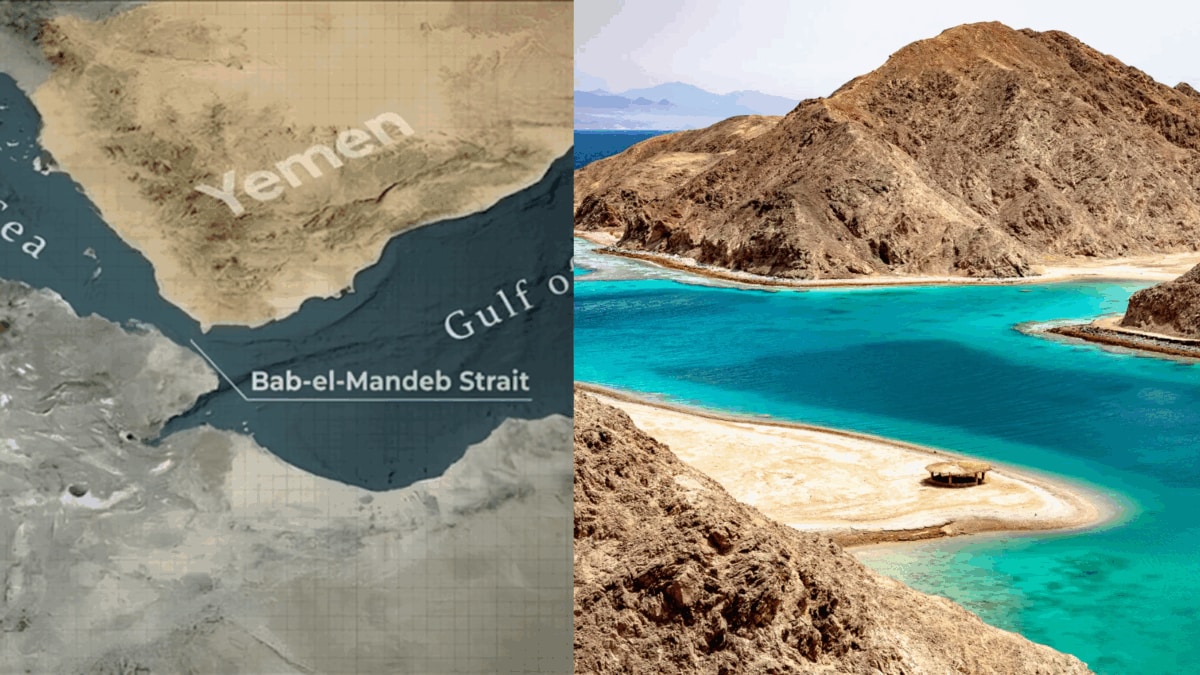
Estimates suggest that a significant percentage of global trade, including a substantial portion of the world’s oil and liquefied natural gas (LNG) shipments, transits through the Bab el-Mandeb Strait. This dependency underscores its role as a linchpin of the global economy. Any threat to its unimpeded flow of commerce carries the potential for widespread economic repercussions, impacting everything from energy prices to the availability of consumer goods across continents.
A Travel Wonder Unveiled: Nature’s Grandeur Meets Human History
Beyond its geopolitical weight, the Bab el-Mandeb Strait presents a compelling, albeit often overlooked, travel destination that offers a captivating fusion of raw natural beauty, profound historical significance, and the palpable pulse of contemporary global events. The very name, "Gate of Tears," hints at the region’s dramatic past, yet its present landscape offers an equally dramatic, and often serene, spectacle.
The Dramatic Embrace of Desert and Sea:
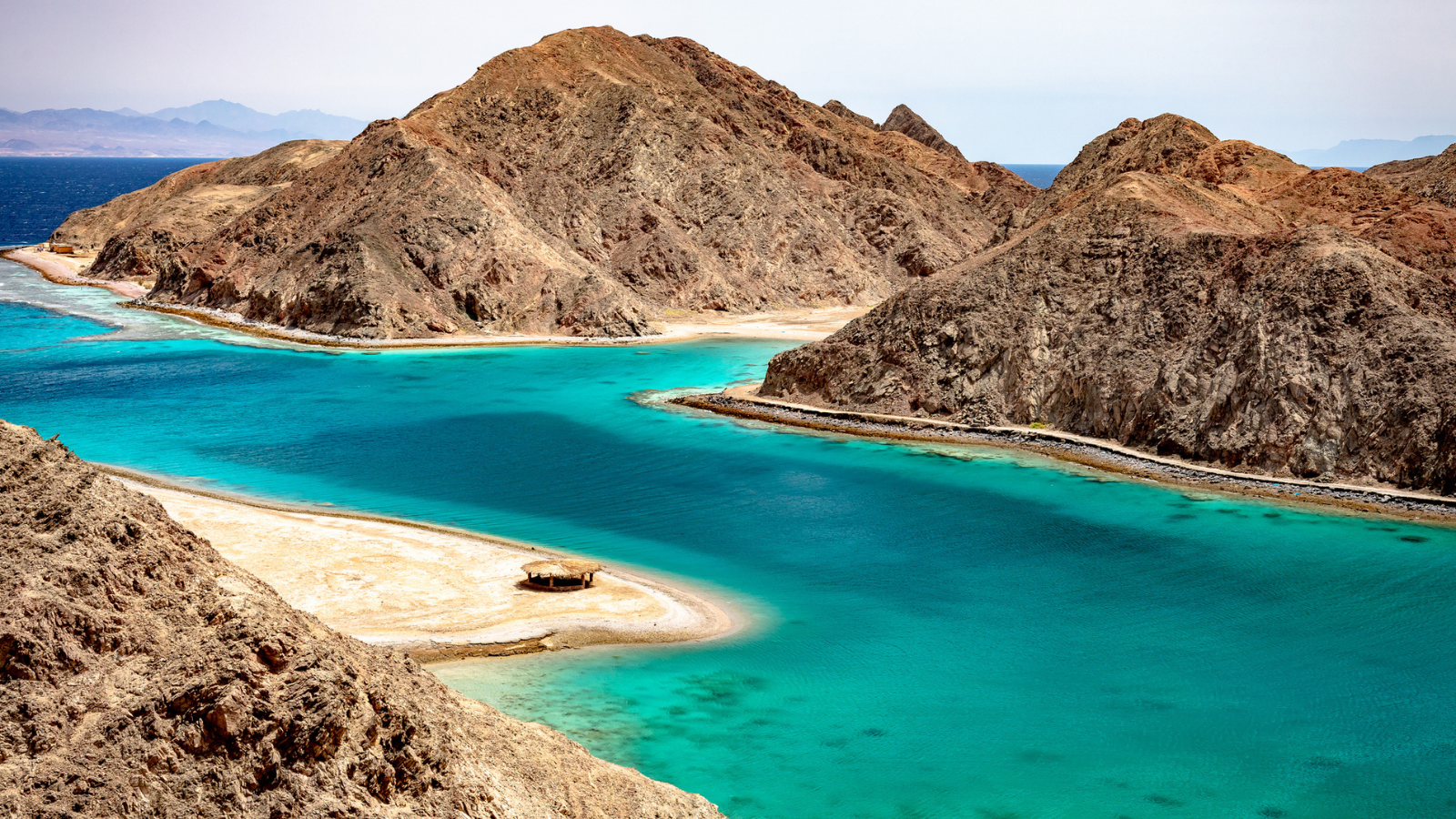
At its narrowest, the strait unfolds a breathtaking vista where arid desert landscapes dramatically meet the azure waters of the sea. Volcanic islands, sculpted by millennia of geological forces, punctuate the horizon, while rugged cliffs plunge into the turquoise depths. This stark yet beautiful scenery creates a hauntingly captivating environment, a testament to the raw power of nature.
Djibouti: Gateway to Africa’s Edge:
On the African side, the nation of Djibouti serves as a principal entry point to the strait. Its cultural tapestry is a rich mosaic, woven from African, Arab, and French influences, reflecting centuries of trade and interaction. Djibouti’s coastline, a strategic frontier on one of the world’s most closely watched waterways, also acts as a portal to some of the Horn of Africa’s most extraordinary natural wonders, often untouched by mass tourism.
Ras Siyyan: Where Geology Meets the Sea:
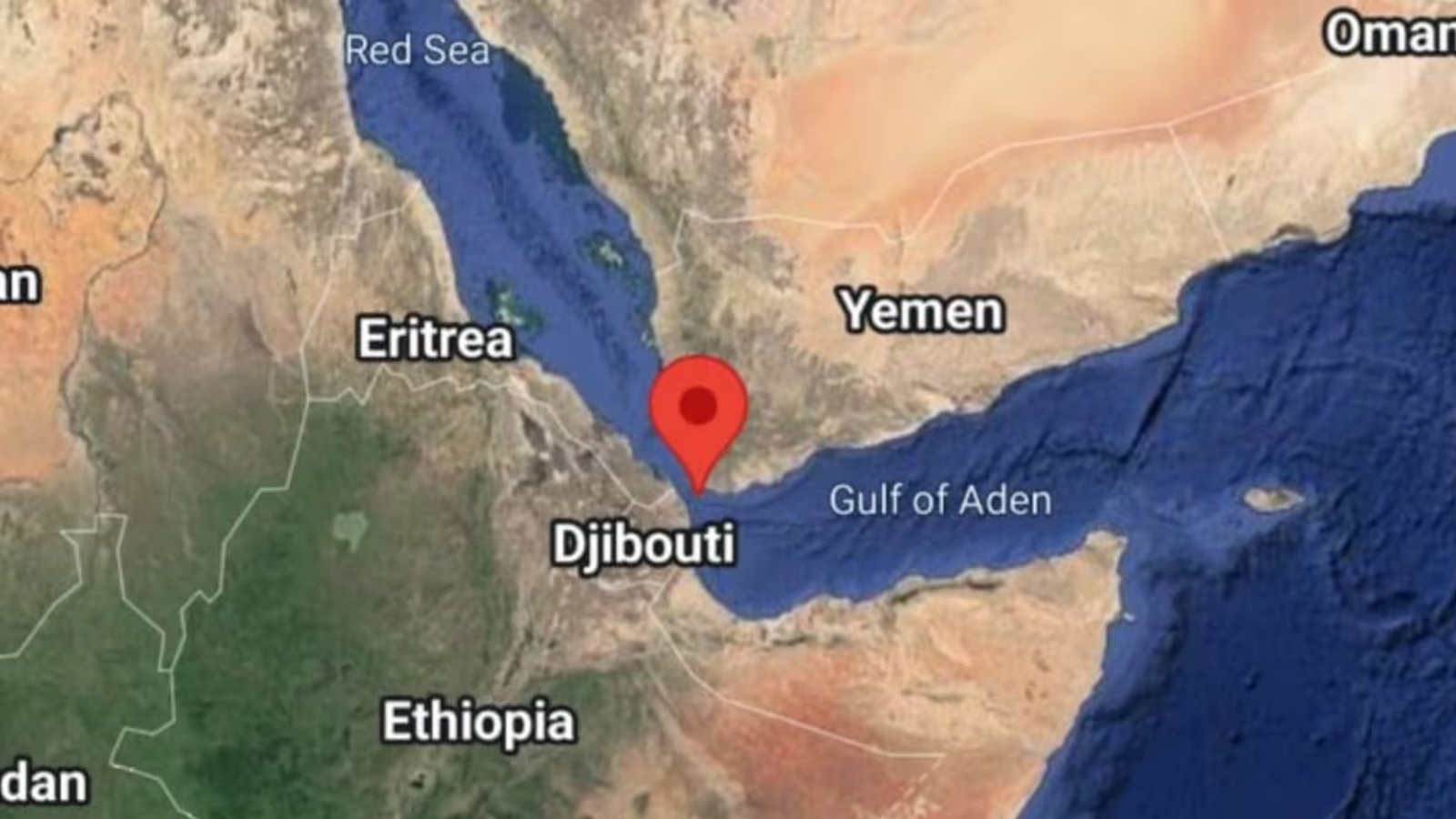
Located at the mouth of the strait, Ras Siyyan is a striking testament to the region’s volcanic origins. A dormant volcanic hill rises majestically from ancient coral reefs, creating a unique geological formation. The terrain here is characterized by its stark, captivating beauty, featuring quiet, secluded beaches and vibrant marine life, all set against a backdrop shaped by millions of years of geological upheaval. Ras Siyyan offers an initial glimpse into the dramatic and awe-inspiring coastal scenery that defines much of Djibouti’s shoreline.
The Bay of Ghoubbet: A Subaquatic Paradise:
Further along the coast, the Bay of Ghoubbet reveals a distinctly different, yet equally mesmerizing, facet of the region. This bay has become a renowned destination for divers, offering an underwater realm of vibrant coral gardens, intricate caverns, and dramatic steep underwater walls. The bay’s true magic, however, unfolds between November and January when it becomes a gathering place for majestic whale sharks. This seasonal congregation transforms the bay into one of East Africa’s most remarkable marine spectacles, highlighting the rich and diverse biodiversity that thrives beneath the surface, a stark contrast to the geopolitical currents above.
Lake Assal: Africa’s Lowest Point and Saline Wonder:
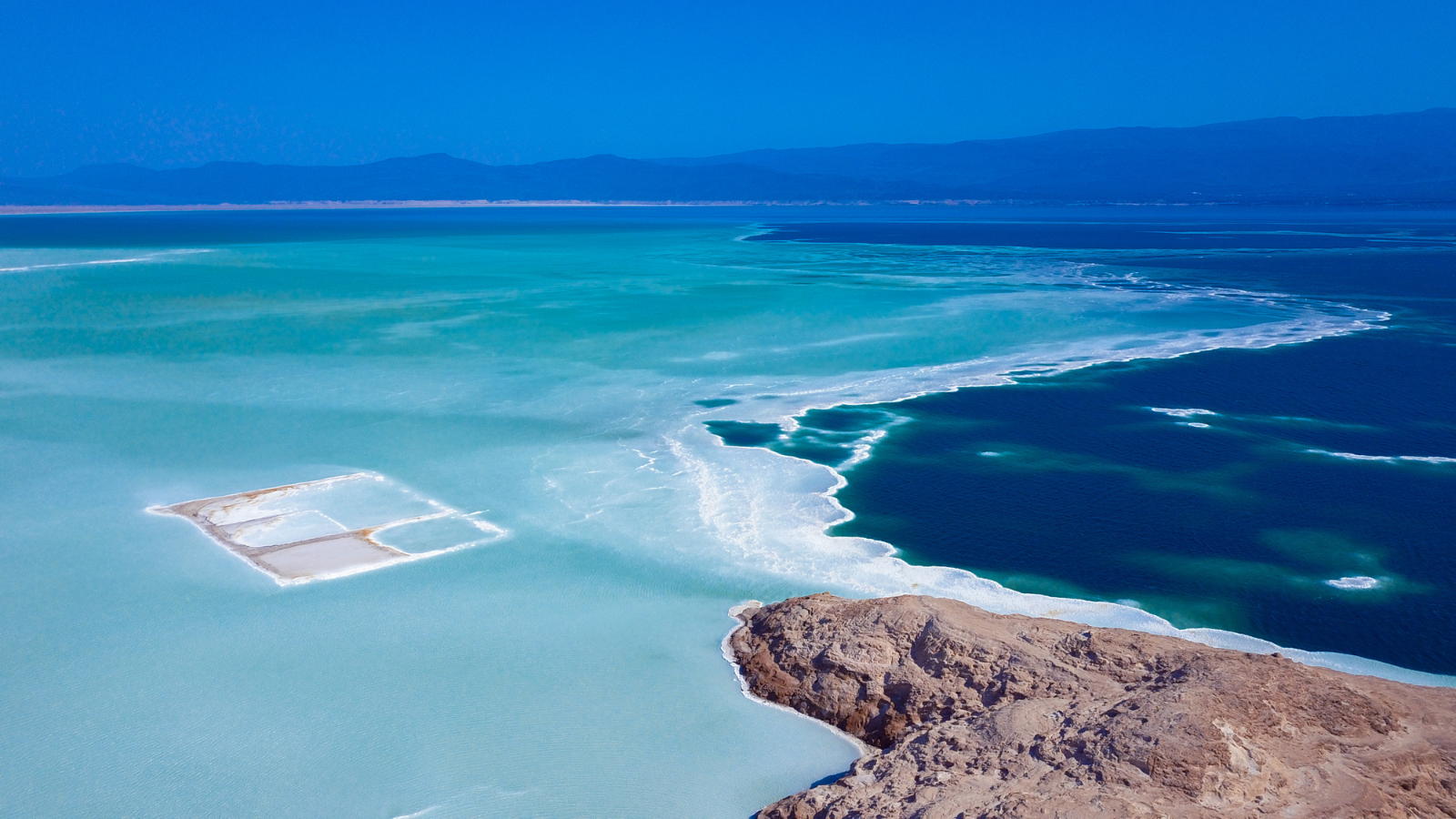
The geological marvels of the region extend inland, with Lake Assal standing as a prime example. Situated 155 meters below sea level, it holds the distinction of being the lowest point in Africa. The lake is encircled by vast, shimmering salt flats and stark black lava fields, a dramatic testament to its volcanic past. Its waters are among the saltiest on Earth, creating a surreal, almost otherworldly landscape that feels profoundly removed from the bustling maritime activity of the nearby strait. The stark beauty of Lake Assal offers a unique photographic and experiential opportunity for intrepid travelers.
Tadjoura: Echoes of a Bygone Era:
The human history interwoven with this dramatic landscape is equally fascinating. The ancient port town of Tadjoura, often referred to as the "White City," stands as a living testament to centuries of trade and cultural exchange. Its charming whitewashed houses and historic mosques whisper tales of spice merchants, camel caravans, and intrepid seafarers who once navigated these waters. Tadjoura was a vital crossroads, connecting the continents of Africa, Arabia, and Asia, and its architecture and atmosphere still evoke the spirit of that rich historical tapestry.
A Chronology of Significance and Vulnerability
The strategic importance of the Bab el-Mandeb Strait is not a recent phenomenon. For millennia, it has been a critical nexus for trade and cultural exchange. Its current geopolitical significance, however, has been amplified in the modern era by the sheer volume of global trade and energy shipments that depend on its passage.
- Ancient Times: The strait has been a vital maritime passage since antiquity, facilitating trade routes between the Mediterranean, the Red Sea, and the Indian Ocean. Its strategic location made it a hub for early civilizations and empires.
- Medieval Era: During the Islamic Golden Age, the strait remained crucial for trade and the spread of Islam. Ports along its shores, like Aden and Mocha, flourished as centers of commerce, particularly for spices and coffee.
- Colonial Period: European powers recognized the strategic value of the strait during the colonial era, vying for influence and control over maritime routes to their colonies in Asia and Africa.
- 20th Century: With the opening of the Suez Canal, the Bab el-Mandeb Strait’s importance as a gateway to Europe surged. The establishment of independent nations like Yemen, Djibouti, and Eritrea in the latter half of the 20th century introduced new geopolitical dynamics.
- 21st Century – Heightened Tensions: In recent years, the strait has become increasingly vulnerable to regional conflicts and geopolitical maneuvering. The ongoing civil war in Yemen has directly impacted the security of the strait, with Houthi forces controlling significant portions of the Yemeni coastline. This has led to numerous incidents involving commercial shipping and military vessels.
- June 2026 – Renewed Focus: The current geopolitical climate, marked by escalating tensions in the Middle East and concerns over Iran’s regional influence, has brought the Bab el-Mandeb Strait back into sharp focus. Reports of potential disruptions to maritime traffic, stemming from Iran’s strategic considerations, highlight the strait’s vulnerability and its critical role in global security calculations.
Supporting Data: The Economic Lifeline
The economic data surrounding the Bab el-Mandeb Strait paints a stark picture of its indispensable role in the global economy:
- Volume of Trade: It is estimated that approximately 30% of global container traffic and 10% of global oil shipments pass through the strait. This translates to tens of thousands of vessels annually.
- Energy Security: A significant portion of oil and LNG from the Persian Gulf destined for Europe and North America relies on this passage. Any disruption could lead to immediate spikes in global energy prices.
- Economic Impact of Disruption: A prolonged closure or significant disruption could cost the global economy billions of dollars per day in lost trade, increased shipping costs, and supply chain disruptions.
- Regional Economies: For the nations bordering the strait, like Djibouti and Yemen, the strait’s stability is crucial for their own economies, which often rely on transit fees, port services, and related industries. Djibouti, in particular, has invested heavily in its port infrastructure, recognizing its strategic importance.
Official Responses and International Concerns
The international community has long recognized the strategic significance of the Bab el-Mandeb Strait and the potential ramifications of any instability.
- Naval Presence: Several nations maintain a naval presence in and around the strait to ensure freedom of navigation and deter threats to shipping. This includes patrols by the U.S. Navy, European navies, and regional forces.
- International Maritime Organizations: Bodies like the International Maritime Organization (IMO) monitor the security situation and work with member states to address potential threats to maritime safety and security.
- Diplomatic Efforts: In times of heightened tension, diplomatic efforts are often intensified to de-escalate conflicts and ensure the unimpeded flow of commerce. This involves direct communication between concerned nations and mediation efforts by international bodies.
- Concerns over Escalation: The recent reports of Iran exploring the possibility of disrupting maritime traffic have amplified concerns among global powers. The potential for miscalculation or escalation in such a critical waterway is a significant worry, with leaders urging restraint and diplomatic solutions.
Implications: A Global Ripple Effect
The Bab el-Mandeb Strait’s confluence of strategic importance, natural beauty, and geopolitical volatility has profound implications:
- Global Economic Stability: The strait’s unimpeded flow is directly linked to global economic stability. Any disruption threatens to destabilize markets, increase inflation, and impact the availability of essential goods worldwide.
- Regional Security: Instability in the Bab el-Mandeb Strait can exacerbate existing regional conflicts and create new security challenges. The potential for proxy conflicts or direct confrontations in such a vital waterway is a grave concern.
- Humanitarian Impact: For the populations of Yemen and neighboring countries, ongoing conflict and potential blockades have severe humanitarian consequences, impacting food security, access to aid, and overall well-being.
- Tourism Potential vs. Reality: While the region possesses undeniable natural beauty and historical allure, the current geopolitical climate significantly hampers its potential as a mainstream tourist destination. The "travel wonder" aspect remains largely theoretical for most, overshadowed by the very real risks associated with the strait’s strategic importance.
- Geopolitical Leverage: The ability to control or disrupt maritime traffic through the Bab el-Mandeb Strait offers significant geopolitical leverage. This potential for coercion is a key factor in the strategic calculations of regional and global powers.
In conclusion, the Bab el-Mandeb Strait is far more than a geographical curiosity. It is a vital artery of global trade, a region of stark natural beauty, and a historical crossroads. However, its defining characteristic in the current era is its position as a flashpoint, where the currents of international commerce, geopolitical strategy, and regional conflict converge. The "Gate of Tears" continues to live up to its name, not just for the historical hardships it may have witnessed, but for the profound global anxieties it can evoke when its vital passage is threatened. The world watches, with bated breath, as the delicate balance of power and the future of global trade hinge on the stability of this narrow, yet profoundly significant, maritime strait.
