

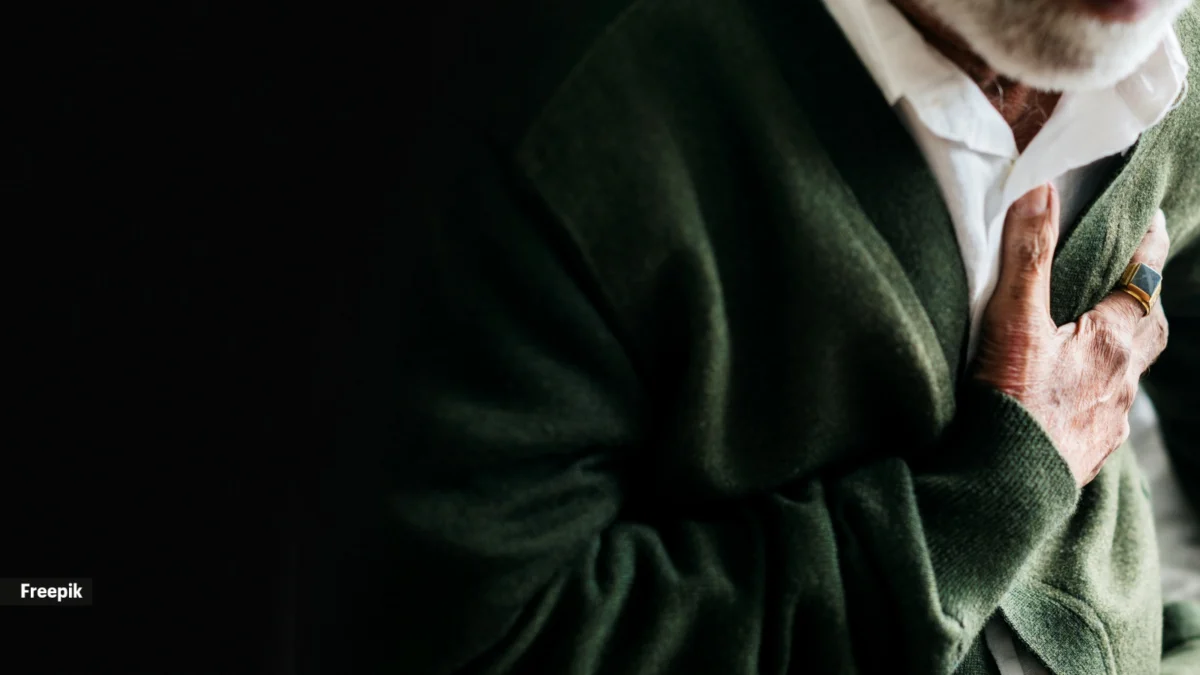
The subtle signs of aging can often mask serious cardiovascular issues in older adults. Experts urge vigilance, emphasizing that persistent changes in stamina, breathlessness, and overall well-being warrant immediate medical attention rather than being dismissed as an inevitable part of growing old.
New Delhi: For many seniors, a gradual decline in physical capabilities, such as feeling more tired, experiencing breathlessness after minimal exertion, or a general slowing down, is often accepted as an unavoidable consequence of aging. However, this seemingly benign progression can be a deceptive veil, masking underlying and potentially serious heart conditions. Experts are sounding an alarm, urging individuals and their families to look beyond the "just getting older" narrative and recognize the critical importance of distinguishing between natural aging and the early warning signs of cardiovascular disease.
Dr. Aseem Dhall, Director and Head of Cardiac Sciences at ISIC Multispeciality Hospital, highlights a common misconception: "Many heart-related symptoms in older adults develop gradually and can resemble common signs of ageing, such as tiredness, reduced stamina, breathlessness, or slower mobility." This gradual onset, he explains, often leads both patients and their family members to assume these changes are "simply a natural part of getting older." This assumption, however, can have dire consequences, delaying crucial diagnoses and treatments for conditions like heart failure, coronary artery disease, and abnormal heart rhythms.
The Elusive Nature of Cardiovascular Decline in Seniors
The heart, a vital organ responsible for pumping blood throughout the body, can experience a decline in its pumping efficiency due to various diseases. When this happens, even seemingly minor activities can become challenging. The danger lies in the insidious way these symptoms can manifest, mimicking the typical wear and tear associated with advanced age.
"It’s not every episode of tiredness or breathlessness that signals a heart problem," Dr. Dhall clarifies. "However, a new or noticeable change from an older person’s usual routine absolutely deserves attention." He provides a list of symptoms that are frequently misattributed to aging:
- Unusual or persistent tiredness: A feeling of fatigue that doesn’t dissipate with rest.
- Breathlessness during short walks: Experiencing shortness of breath after walking distances that were previously manageable.
- Swelling in the feet or ankles: Edema can be a sign of fluid buildup, often related to the heart’s inability to pump efficiently.
- Dizziness or lightheadedness: These sensations can indicate reduced blood flow to the brain.
- Decreased ability to exercise: A noticeable drop in stamina or tolerance for physical activity.
- Frequent fatigue: A recurring and pervasive sense of exhaustion.
- Unexplained weakness: A general feeling of frailty without a clear cause.
Beyond these directly physical manifestations, families may also observe subtler changes that aren’t immediately linked to cardiac health. "Some older adults may also experience disturbed sleep, loss of appetite, or difficulty carrying out routine daily activities," Dr. Dhall notes. These seemingly unrelated issues can, in fact, be early indicators of underlying cardiovascular problems such as heart failure, blocked arteries, valve disease, or other serious conditions.
Consider the example of a senior who could once comfortably walk to the market, climb a few stairs, or manage household chores without issue. If they now find themselves unusually tired or breathless performing these same tasks, it’s crucial to question the reason rather than automatically attributing it to age. Delaying medical consultation in such instances can lead to more severe complications.
The Impact of Social Factors on Healthcare Seeking
The problem is compounded by the social environment surrounding older adults. Parteep, COO of HelpAge India, points out a critical external factor: "Isolation, neglect, and inadequate family support can significantly delay healthcare-seeking behavior among older adults, particularly those who have become financially dependent." When an older individual lives alone or lacks consistent support, subtle symptoms can go unnoticed for extended periods, further exacerbating the delay in diagnosis and treatment.
When a Heart Attack Doesn’t Look Like the Movies
The stereotypical image of a heart attack often involves sudden, severe, crushing chest pain. While this is a common presentation, it is not universally experienced, especially by older adults. Dr. Dhall emphasizes this crucial difference: "Unlike younger individuals, older adults may not always experience classic crushing chest pain during a heart attack."

Instead, their symptoms can be far more varied and easily mistaken for other ailments. These can include:
- Sudden breathlessness: A rapid onset of difficulty breathing.
- Extreme fatigue: An overwhelming sense of exhaustion.
- Dizziness: Feeling unsteady or faint.
- Nausea and vomiting: Gastrointestinal distress can be a cardiac symptom.
- Unusual sweating: A cold sweat or excessive perspiration without apparent reason.
- Confusion or disorientation: A sudden change in mental clarity.
- Weakness: A generalized loss of strength.
The discomfort might also manifest in areas beyond the chest, such as the jaw, neck, back, shoulders, or arms. "Some may simply feel unwell without being able to explain why," Dr. Dhall adds. This vague feeling of malaise can be particularly easy to dismiss in an older person, especially when the hallmark symptom of chest pain is absent. However, these sudden or unexplained symptoms are a red flag and should never be ignored. Prompt medical evaluation is paramount.
The Imperative for Proactive and Accessible Healthcare
The insights from both Dr. Dhall and Parteep underscore a significant gap in elder healthcare: the need for proactive and accessible preventive measures. "This highlights the need to bring preventive healthcare closer to older adults through regular screenings, blood pressure monitoring, basic diagnostics, and timely referrals," says Parteep. This means moving beyond reactive care, where treatment is sought only after a crisis, to a more preventative model that actively monitors the health of seniors.
Identifying Urgent Red Flags: When to Seek Immediate Medical Attention
Dr. Dhall provides clear guidance on which symptoms demand immediate attention. His overarching advice is unequivocal: "Any sudden or unexplained symptom should be taken seriously in an older adult." This umbrella statement encompasses a range of specific indicators that require prompt medical evaluation:
- New-onset breathlessness: A sudden increase in difficulty breathing.
- Chest discomfort: Any sensation of pressure, tightness, or pain in the chest, even if not severe.
- Fainting (syncope): A sudden, temporary loss of consciousness.
- Severe dizziness: Persistent or intense feelings of lightheadedness.
- Rapid or irregular heartbeat (palpitations): A noticeable change in heart rhythm.
- Unexplained sweating: Profuse sweating without exertion or heat.
- Confusion or disorientation: A sudden change in mental state.
- Sudden weakness: A rapid onset of loss of strength, particularly in one limb or side of the body.
- Swelling in the legs or ankles: Significant fluid retention.
- Significant decline in physical activity: A marked reduction in the ability to perform daily tasks or engage in movement.
It’s also crucial to differentiate cardiac symptoms from potential neurological emergencies. Dr. Dhall notes, "Symptoms such as difficulty speaking, facial drooping, or weakness on one side of the body also require urgent attention." These can be indicators of a stroke, which also requires immediate medical intervention.
The Crucial Distinction: Gradual Change vs. Acute Event
The key takeaway is the distinction between a gradual, familiar change that may be associated with aging and a new, unexplained, or worsening symptom. While aging can naturally lead to some physical limitations, it should never be used as an excuse to overlook significant shifts in an individual’s health status.
If an older adult suddenly experiences breathlessness, weakness, dizziness, confusion, or finds themselves unable to perform their usual daily activities, seeking prompt medical evaluation is far safer than assuming it’s simply "old age." Early diagnosis and intervention can significantly improve outcomes, enhance quality of life, and potentially save lives.
Disclaimer: This article is based on information from the public domain and/or the experts we spoke to. Always consult your health practitioner before starting any routine or if you have concerns about your health.
