

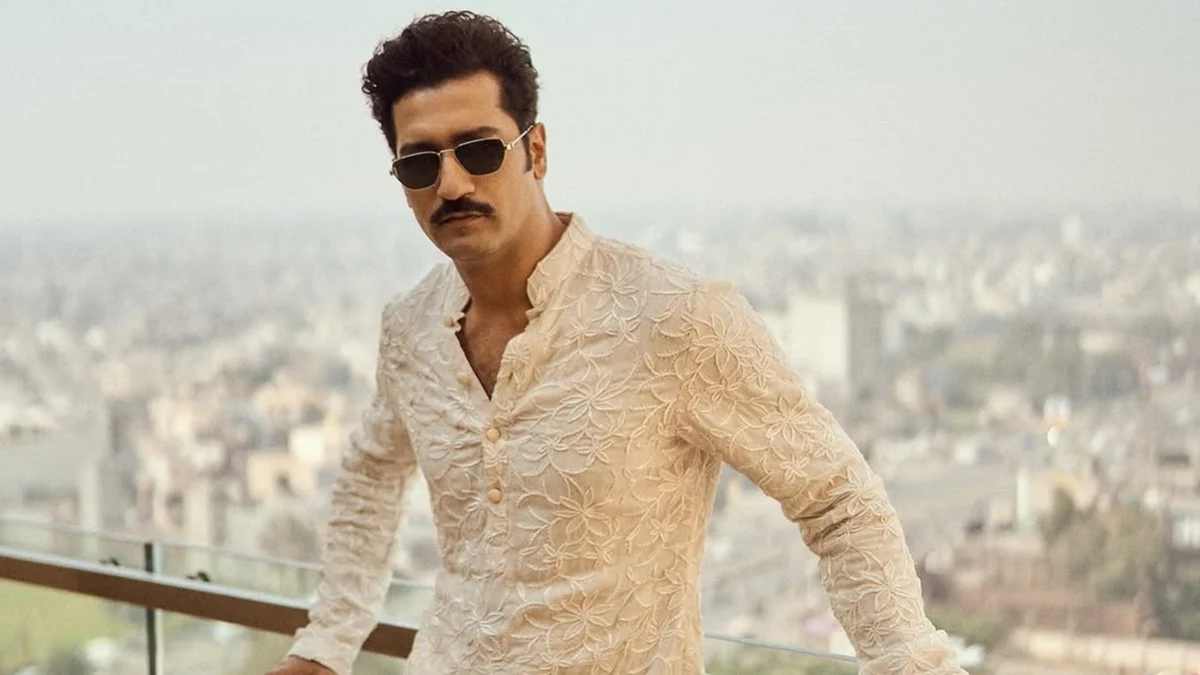
The archetype of the Indian father is undergoing a profound transformation. Once predominantly seen as the stoic provider, the modern Indian dad is embracing a more involved, emotionally attuned, and hands-on approach to fatherhood. This seismic shift is being observed across demographics, influenced by evolving societal structures, increased awareness of mental health, and the powerful ripple effect of public figures embracing vulnerability. Actor Vicky Kaushal’s recent candid reflections on embracing his "dad era" offer a compelling snapshot of this new paternal landscape.
Vicky Kaushal’s "Dad Era": A Public Figure’s Embrace of Modern Fatherhood
Vicky Kaushal, known for his versatile acting prowess, has publicly articulated his journey into fatherhood, highlighting a deliberate and thoughtful engagement with his role. In a recent interview with The Nod Mag, Kaushal shared his evolving perspective, stating, "It occurs to me at the most random moments that that [instilling the right values] is now my responsibility towards my son. He is going to learn by observing how his parents are thinking, talking, and behaving. So, I’ve realised whatever you want to see reflected in him has to come in your actions rather than words." This sentiment underscores a fundamental tenet of modern parenting: the power of parental example and the importance of embodying desired values. Kaushal’s emphasis on his direct responsibility in shaping his son Vihaan’s worldview, alongside his wife Katrina Kaif, positions him as a contemporary figure embodying the evolving ideal of an actively involved father. His candidness about the constant learning curve and the inherent responsibility resonates with many new parents navigating similar territory.
Kaushal’s personal narrative, amplified through media platforms, serves as a powerful testament to the changing face of Indian masculinity and fatherhood. It moves beyond the traditional portrayal of fathers as distant figures, highlighting a desire for connection, shared responsibility, and the conscious effort to instill values through lived experience. This is not just about being physically present, but about being emotionally attuned and actively participating in the child’s developmental journey. The actor’s willingness to discuss the intricacies of this role, particularly his focus on setting a positive example, contributes to a broader societal conversation about what it means to be a father in contemporary India.
The Structural and Social Underpinnings of the New Indian Father
The transformation in fatherhood is not solely a matter of individual choice; it is deeply rooted in significant societal and economic shifts. Dr. Sameer Bhati, a Public Health Analyst, points to a confluence of factors that are actively reshaping the paternal role. He observes that the "new Indian father is better educated, more self-aware, and increasingly comfortable with vulnerability." This enhanced self-awareness, he posits, is partly fueled by the pervasive influence of social media and public figures. These platforms, often showcasing relatable and emotionally open individuals, have played a "quiet but significant role" in normalizing conversations around vulnerability and shared parenting responsibilities.
Beyond the digital sphere, structural changes within Indian households are acting as powerful catalysts. Dr. Bhati highlights the rise of two-income households and the prevalence of nuclear families as major contributing factors. In these modern family structures, the traditional model of a singular "provider father, nurturing mother" is no longer a sustainable or practical arrangement. "When both partners are professionally engaged," Dr. Bhati explains, "the traditional model of ‘provider father, nurturing mother’ simply collapses." This economic reality necessitates a more equitable distribution of household and childcare responsibilities, pushing fathers to become active participants in all aspects of family life. The economic interdependence of partners in dual-income households inherently fosters a more collaborative approach to parenting.
Dr. Bhati further attributes the necessity of reshaping modern male identity to the pragmatic demands of contemporary living. "Men are stepping up because the modern household just cannot function without their active participation," he states. This is not merely a voluntary shift but an adaptive response to the evolving dynamics of family life. The active involvement of fathers is no longer an optional extra; it is a critical component for the smooth functioning and well-being of the family unit. This pragmatic imperative is driving a deeper reevaluation of traditional gender roles and expectations within the domestic sphere.
The Redefined Indian Dad: Emotional Intelligence and Active Engagement
Clinical psychologist Dr. Rimpa Sarkar elaborates on the depth of this transformation, emphasizing that it extends beyond mere timing of fatherhood to a fundamental alteration in the approach to it. She notes a significant shift in how men are engaging with their paternal roles. "Younger men, especially Gen Z and late millennials, are growing up in an environment where emotional awareness, vulnerability, and mental health conversations are far more normalised than before," she observes. This upbringing, characterized by a greater societal acceptance of discussing emotions and mental well-being, is directly contributing to a generation of fathers who are inherently more predisposed to emotional openness and presence.
This new generation of fathers is "more open to being emotionally present, not just financially responsible," Dr. Sarkar explains. This signifies a departure from the sole emphasis on material provision towards a holistic understanding of paternal duty that encompasses emotional support and active participation in a child’s life. This shift is crucial because developmental psychology consistently demonstrates the profound benefits of an involved father figure.
The Developmental Benefits of an Engaged Father
Dr. Sarkar draws upon extensive research in developmental psychology to underscore the significant advantages children gain from having an engaged father. An "emotionally and physically available father" plays a critical role in fostering several key developmental outcomes:
- Enhanced Emotional Regulation: Children with involved fathers tend to develop better capacities to understand and manage their emotions.
- Higher Self-Esteem: The presence of a supportive and engaged father figure contributes to a child’s sense of self-worth and confidence.
- More Secure Attachment Patterns: A father’s consistent availability and responsiveness foster secure attachment bonds, which are foundational for healthy relationships throughout life.
Furthermore, Dr. Sarkar highlights the long-term positive impacts observed in children with engaged fathers:
- Improved Social Skills: These children often exhibit better abilities in interacting with peers and adults, demonstrating greater social competence.
- Lower Behavioral Issues: Engaged fatherhood is linked to a reduction in disruptive behaviors and conduct problems.
- Greater Psychological Resilience: Children with involved fathers tend to be more adept at navigating challenges and bouncing back from adversity.
This empirical evidence provides a strong foundation for understanding why the evolving role of the Indian father is not just a social trend but a developmental imperative for the well-being of future generations.
Readiness and the Father as an Emotional Anchor
Dr. Sarkar emphasizes that the success of early parenthood, or indeed any parenthood, is not solely determined by age but by a more profound factor: readiness. "Readiness—emotional maturity, stability, and the willingness to take responsibility—is the real factor," she asserts. This readiness is cultivated through a conscious effort to prepare for the immense responsibilities that come with raising a child.
When a father embodies this readiness and actively participates, he becomes more than just a caregiver; he evolves into a "primary emotional anchor in the child’s life." This anchoring role profoundly shapes a child’s understanding of fundamental aspects of life, including:
- Trust: The father’s reliability and consistency build a child’s capacity to trust others.
- Relationships: Through observing and interacting with their father, children learn about healthy relationship dynamics and communication.
- Self-Worth: The validation and support provided by an engaged father contribute significantly to a child’s developing sense of self-esteem and inherent value.
This profound impact underscores the transformative power of an actively involved father in shaping a child’s psychological landscape from the earliest stages of development.
Fatherhood as a Transformative Journey for Men
The impact of fatherhood is not unidirectional; it also serves as a powerful catalyst for personal growth and transformation in men. Dr. Sarkar observes that "fatherhood can also be a transformative experience for men, through which many develop a stronger sense of purpose, emotional depth, and accountability." This journey of fatherhood can unlock new dimensions of emotional intelligence and a heightened sense of responsibility that extends beyond the immediate family.
However, Dr. Sarkar cautions that this transformative potential is only sustainable when "supported by awareness and resources." Without adequate support, the immense demands of modern fatherhood, coupled with evolving expectations, can unfortunately lead to "stress or burnout." This highlights the critical need for societal structures and individual coping mechanisms that acknowledge and address the challenges faced by fathers. Providing resources such as parental leave, accessible childcare support, and mental health services can help ensure that the transformative aspects of fatherhood are maximized while mitigating potential negative impacts.
Redefining Masculinity: Connection Over Distance
Ultimately, Dr. Sarkar sees Vicky Kaushal’s approach as a reflection of a broader and healthier redefinition of masculinity. This evolution is characterized by a significant departure from historical norms. "It moves away from emotional distance and toward connection," she explains. The focus is no longer exclusively on the traditional role of providing financially for a child. Instead, it encompasses a profound shift towards "being present with them."
This presence, Dr. Sarkar concludes, "psychologically, makes a profound difference." It signifies a move towards a more integrated and emotionally rich understanding of manhood, where nurturing, connection, and active participation are as valued as strength and provision. This is a paradigm shift that promises to foster healthier individuals, stronger families, and a more emotionally intelligent society. The redefined Indian dad is not just a trend; he is a vital component of a progressive and thriving future.
