

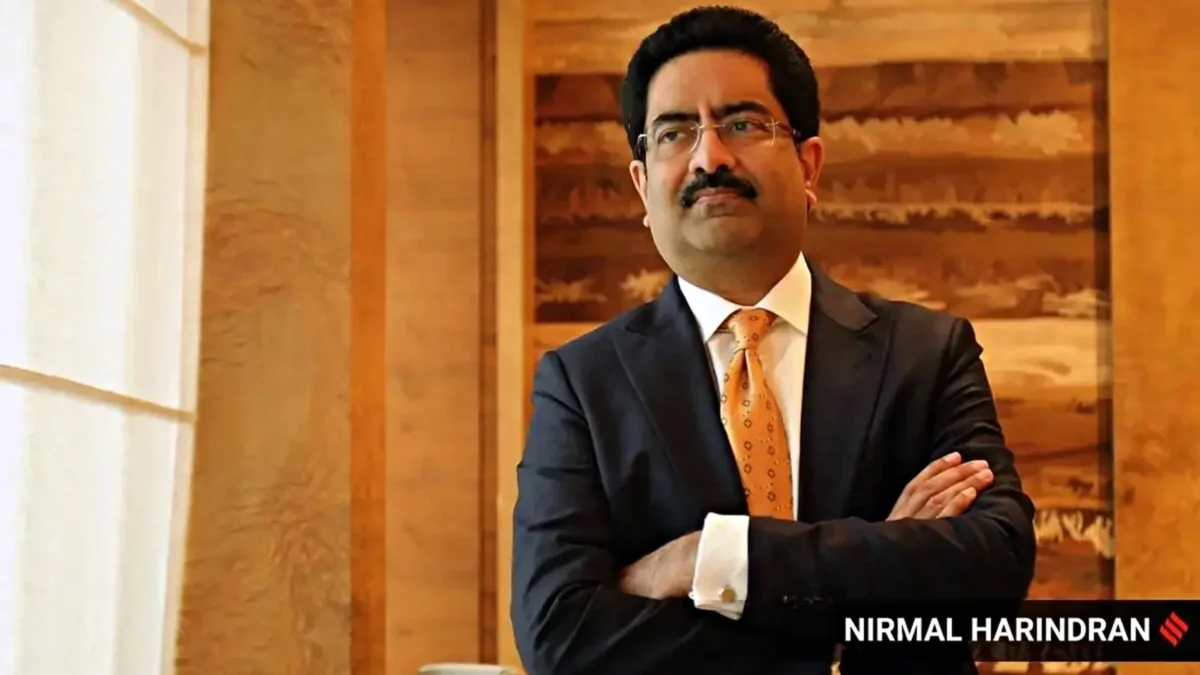
New Delhi — In an era where "biohacking" and complex dietary regimens often dominate the headlines of the ultra-wealthy, Kumar Mangalam Birla, the 58-year-old Chairman of the Aditya Birla Group, has offered a refreshing counter-narrative. During a recent appearance on entrepreneur Nikhil Kamath’s widely followed YouTube podcast, Birla peeled back the curtain on his daily routine, revealing a lifestyle defined not by the opulence one might associate with a multi-billion-dollar empire, but by a rigorous, disciplined simplicity.
Birla’s revelation that he identifies as a "frugal eater" has sparked a wider conversation among health experts and the public alike. His diet, consisting of Indian staples like bhindi (okra) and paneer (cottage cheese), suggests that the secret to sustained high performance may not lie in exotic superfoods, but in the mindful moderation of everyday nutrition.
Main Facts: The Birla Dietary Blueprint
Kumar Mangalam Birla’s approach to food is characterized by three pillars: frequency, simplicity, and a controlled indulgence of his "sweet tooth." During the podcast, he detailed a structured yet minimalist eating schedule that prioritizes energy stability over culinary excess.
The Daily Menu
- Breakfast: A two-egg omelette, providing a high-protein start to the day to support cognitive function and muscle maintenance.
- Mid-Morning: A light soup around 12:00 PM, serving as a bridge between breakfast and later meals, aiding in hydration and appetite control.
- Dinner: A focus on "simple" vegetarian staples, specifically bhindi and paneer. This combination offers a balance of dietary fiber and slow-digesting casein protein.
- The Indulgence: Despite his frugality, Birla admitted to a love for chocolate, proving that his regimen is built on sustainable moderation rather than absolute deprivation.
The Philosophy of "Small Meals"
Birla emphasized that his meals are "small and spread out through the day." This strategy, often referred to as "grazing" in nutritional circles, is designed to prevent the energy crashes associated with large, heavy lunches or dinners—a critical factor for an industrialist overseeing global operations across diverse time zones.
Chronology: The Evolution of a High-Performer’s Diet
The public’s fascination with Birla’s diet is part of a larger chronological shift in how society views the habits of successful leaders.
- The Traditional Era (Pre-2000s): For decades, the image of the successful tycoon was often associated with "power lunches" and lavish banquets. Success was signaled through abundance.
- The Rise of Executive Wellness (2010-2020): As the link between gut health and executive function became clearer, leaders began adopting stricter health regimens. We saw the rise of intermittent fasting and ketogenic diets among Silicon Valley and Mumbai’s elite.
- The Nikhil Kamath Podcast (May 2026 Context): The conversation between Birla and Kamath represents the current "post-complexity" phase. Birla’s move back to "simple food" reflects a growing realization that over-engineered diets can be as taxing as poor ones.
- The Scientific Validation: Following the podcast, clinical nutritionists and fitness experts began deconstructing Birla’s comments, validating the "frugal" approach as a viable long-term health strategy for aging gracefully while maintaining a high-stress career.
Supporting Data: The Clinical Perspective on Frugal Eating
What does "frugal eating" mean from a biological standpoint? According to Garima Goyal, a consultant dietitian and fitness expert, Birla’s habits align with several key physiological benefits.
1. Glycemic Control and Energy Regulation
Large meals trigger a significant spike in blood glucose, followed by a surge in insulin. This often results in "post-prandial somnolence," or the common "food coma." By consuming smaller portions, Birla maintains a steadier blood sugar curve.
- Data Point: Studies indicate that smaller, frequent meals can reduce the mean insulin concentration in the blood, which is beneficial for long-term metabolic health and weight management.
2. Digestion and Gut Motility
A "frugal" approach prevents the digestive system from being overwhelmed. Overloading the stomach can lead to acid reflux and bloating, which distracts from mental focus.
- The Bhindi/Paneer Factor: Bhindi is rich in mucilaginous fiber, which aids in smooth digestion and helps lower cholesterol. Paneer provides a steady release of amino acids, ensuring the body has a constant supply of "building blocks" without the heaviness of red meats.
3. Satiety and the Mind-Body Connection
Frugality in this context is synonymous with "mindful eating." By choosing simple foods, the palate is not overstimulated by artificial enhancers or excessive fats, allowing the body’s natural satiety signals (leptin) to function correctly.
Official Responses: Expert Analysis on the "Birla Method"
While Birla’s diet works for him, experts caution that nutrition is highly individualistic. Garima Goyal provided a nuanced breakdown of the industrialist’s claims.
On "Frugality" vs. "Deprivation"
"What is particularly interesting is the concept of frugality in eating, which is not about deprivation but about eating with awareness," Goyal noted. She explained that many long-lived cultures (such as those in the "Blue Zones") practice versions of Hara Hachi Bu—the Japanese practice of eating until you are 80% full. Birla’s "simple" approach mirrors this cultural wisdom.
On Meal Quality
Goyal warned that while small meals are beneficial, the composition is what matters most. "Small meals that are low in protein or fiber may still leave a person unsatisfied and prone to frequent snacking," she said. Birla’s inclusion of eggs and paneer—both high-quality protein sources—ensures that his small meals are nutrient-dense enough to provide lasting satiety.
On Metabolic Individuality
The expert emphasized that Birla’s routine might not suit everyone. "While some people feel better with smaller frequent meals, others may thrive on three larger, balanced meals. The ideal pattern depends on lifestyle, medical history, activity level, and hunger response." For a 58-year-old man with a sedentary but mentally taxing job, Birla’s routine appears optimized for cognitive clarity rather than physical bulk.
Implications: The Macro Impact of Simple Living
The ripple effects of an influential figure like Kumar Mangalam Birla advocating for "simple food" are significant.
1. Rebranding the "Status Symbol"
For years, status was defined by what you could afford to eat. Birla is part of a movement where status is defined by the discipline of what you choose not to eat. This shift promotes a more sustainable and healthy aspirational model for the youth and aspiring entrepreneurs.
2. Longevity in the Corporate Sector
As retirement ages push later and the corporate world becomes more competitive, "biological age" is becoming more important than chronological age. Birla’s diet is a form of "preventative maintenance." By avoiding the inflammatory effects of processed and excessive foods, he is effectively extending his "peak performance" years.
3. The Return to Traditional Diets
Birla’s preference for bhindi and paneer validates the nutritional value of traditional Indian home-cooked meals. In a market flooded with imported "superfoods" like kale or quinoa, the endorsement of local vegetables by one of the country’s wealthiest men reinforces the importance of indigenous nutrition.
4. Psychological Resilience
There is a psychological component to simple eating. By reducing the number of choices one has to make regarding food (decision fatigue), a leader can save their mental energy for high-stakes business decisions. Birla’s "pretty simple" breakfast and dinner routine is a form of cognitive optimization.
Conclusion: The Takeaway for the Modern Professional
Kumar Mangalam Birla’s dietary insights serve as a reminder that health is often built more through moderation than restriction. In his own words, "It’s best to keep food simple."
The takeaway for the general public is not necessarily to copy his exact menu, but to adopt his mindset of "mindful frugality." As Garima Goyal concluded, the goal is not simply to eat less, but to eat appropriately for one’s own body and lifestyle. In the high-pressure world of global industry, Birla has found that the simplest fuel is often the most effective.
DISCLAIMER: This article is based on information from the public domain and the expert insights of Garima Goyal. Nutritional needs vary significantly based on age, gender, activity level, and underlying medical conditions. Always consult your health practitioner or a registered dietitian before starting any new dietary routine.
