

Main Facts: The Ephemeral Elixir of the Cashew Season
In the coastal state of Goa, the arrival of April does not merely signal the peak of the tropical summer; it marks the commencement of a liquid ritual that has defined the region’s identity for centuries. This is the season of urrak. While the world recognizes Goa for its beaches and Portuguese-influenced architecture, for the local population, the true essence of the land is found in a cloudy, potent, and deeply aromatic spirit distilled from the cashew apple.
Urrak is the first distillate of fermented cashew juice. Unlike its more famous and more alcoholic successor, Feni, which undergoes a second distillation, urrak is a seasonal delicacy available only during a fleeting window between March and May. It is a drink that refuses to be bottled for long-term shelf life, possessing a "drink it now" urgency that creates a unique seasonal economy.

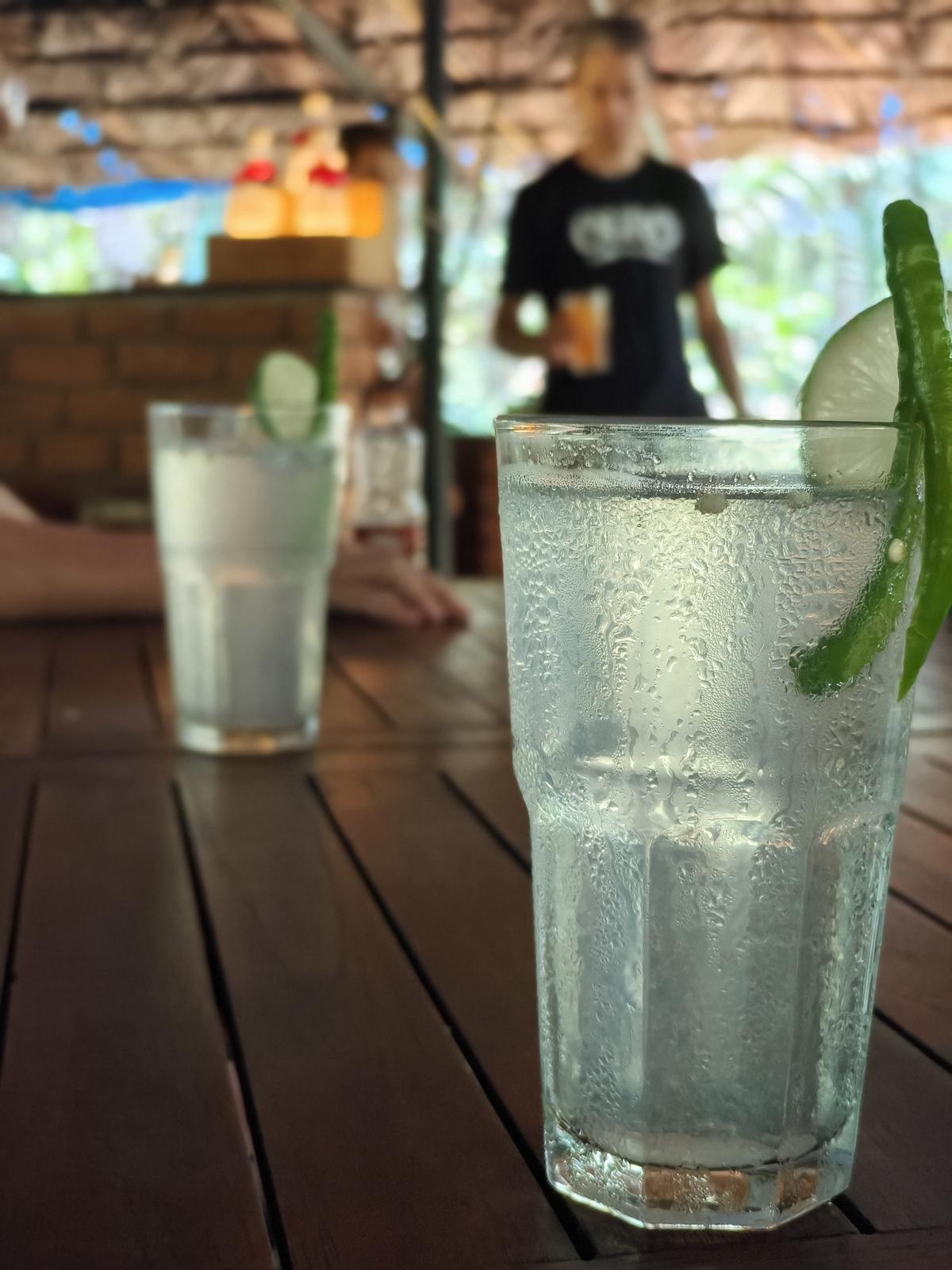
The beverage is characterized by its relatively low alcohol content (typically between 12% and 15% ABV) compared to Feni. It is traditionally enjoyed "the right way": mixed with lemonade or Limca, a pinch of salt, and a slit green chili. This combination creates a sensory profile that is simultaneously sweet, sour, spicy, and cooling—a necessary antidote to the sweltering Goan "boil."
Chronology: From Orchard to Glass
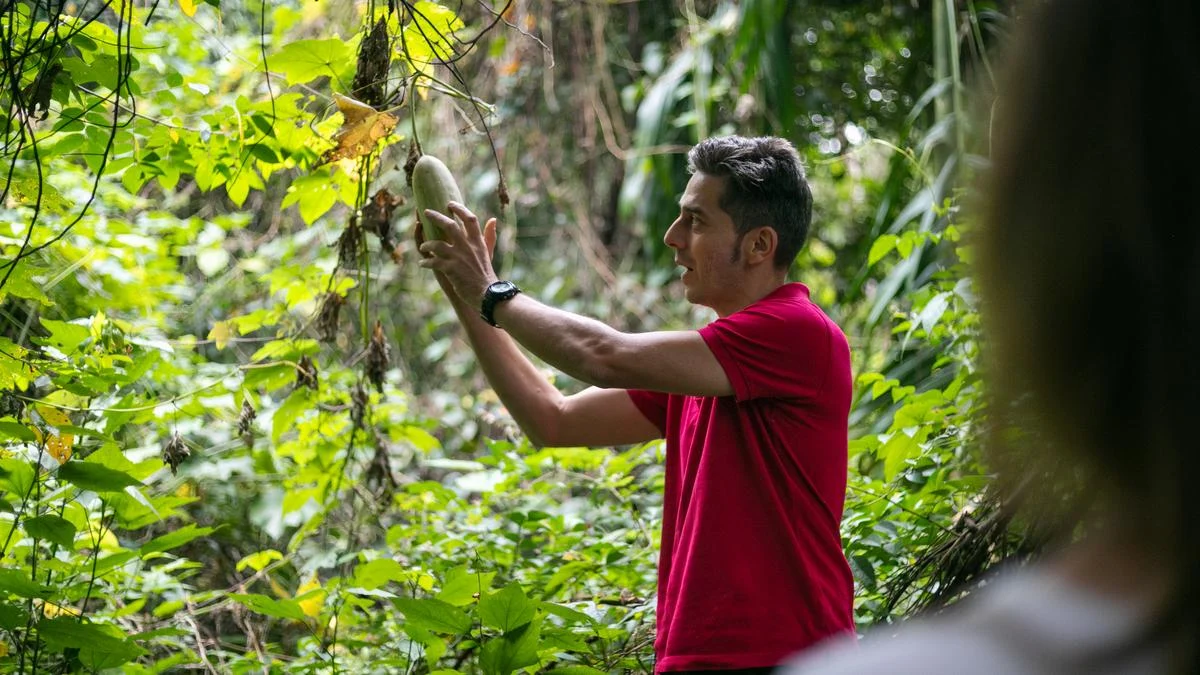
The production of urrak follows a strict chronological rhythm dictated by nature. The process begins in late February when the cashew trees (Anacardium occidentale)—introduced to India by the Portuguese in the 16th century—begin to fruit.
- The Harvest (March–April): Cashew apples are hand-picked once they are fully ripe. In traditional plantations like those in Quepem and Canacona, the separation of the nut from the apple is still a manual labor of love.
- The Crushing: Historically, the apples were crushed underfoot in stone basins called kolmbi. Today, while mechanical presses are common, many boutique and heritage distillers still prefer the traditional method to ensure the integrity of the juice.
- Fermentation: The extracted juice, known as niro, is collected in large earthen pots or fermentation vats. Over a period of two to three days, natural yeasts convert the sugars in the juice into alcohol.
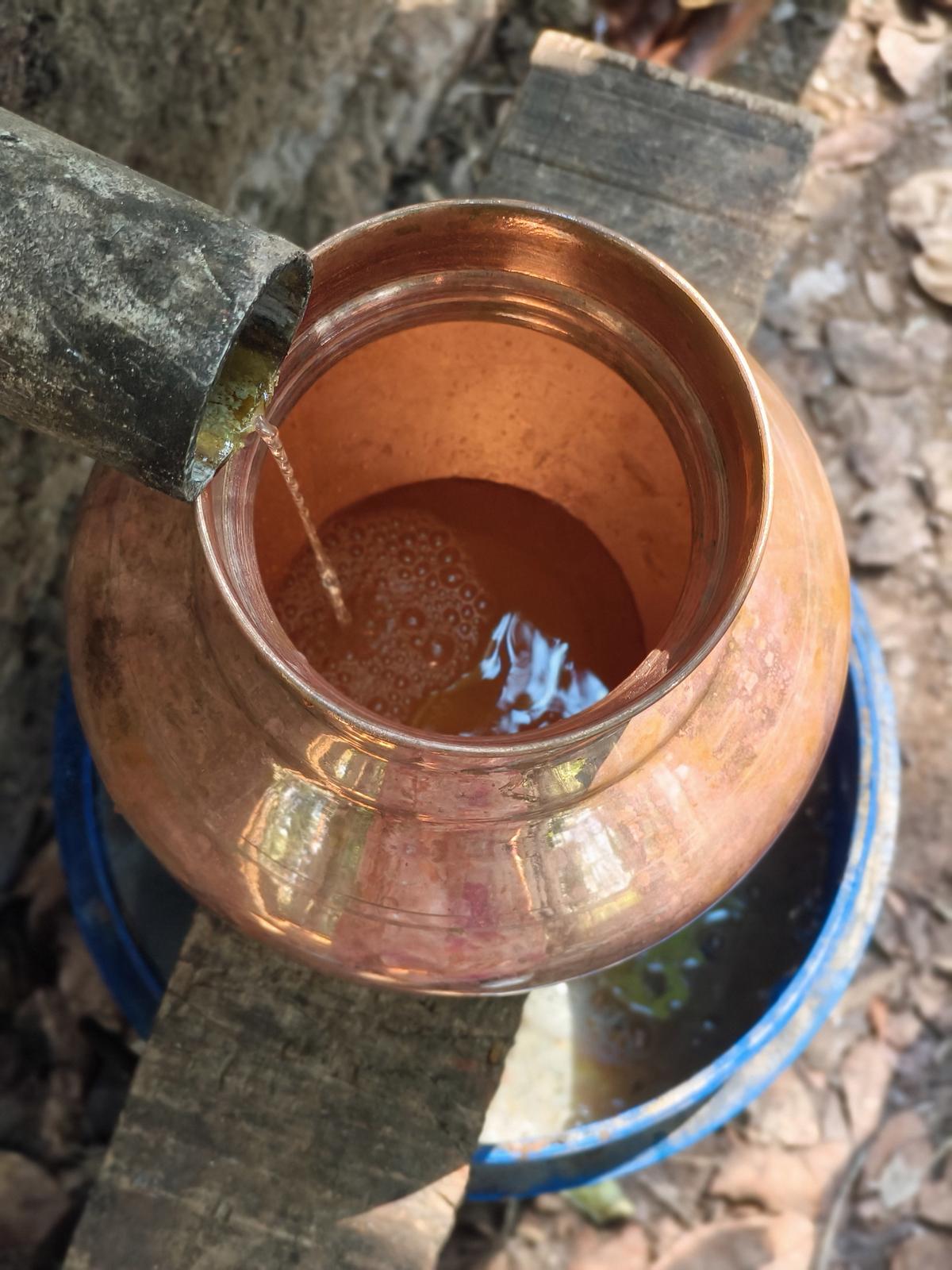
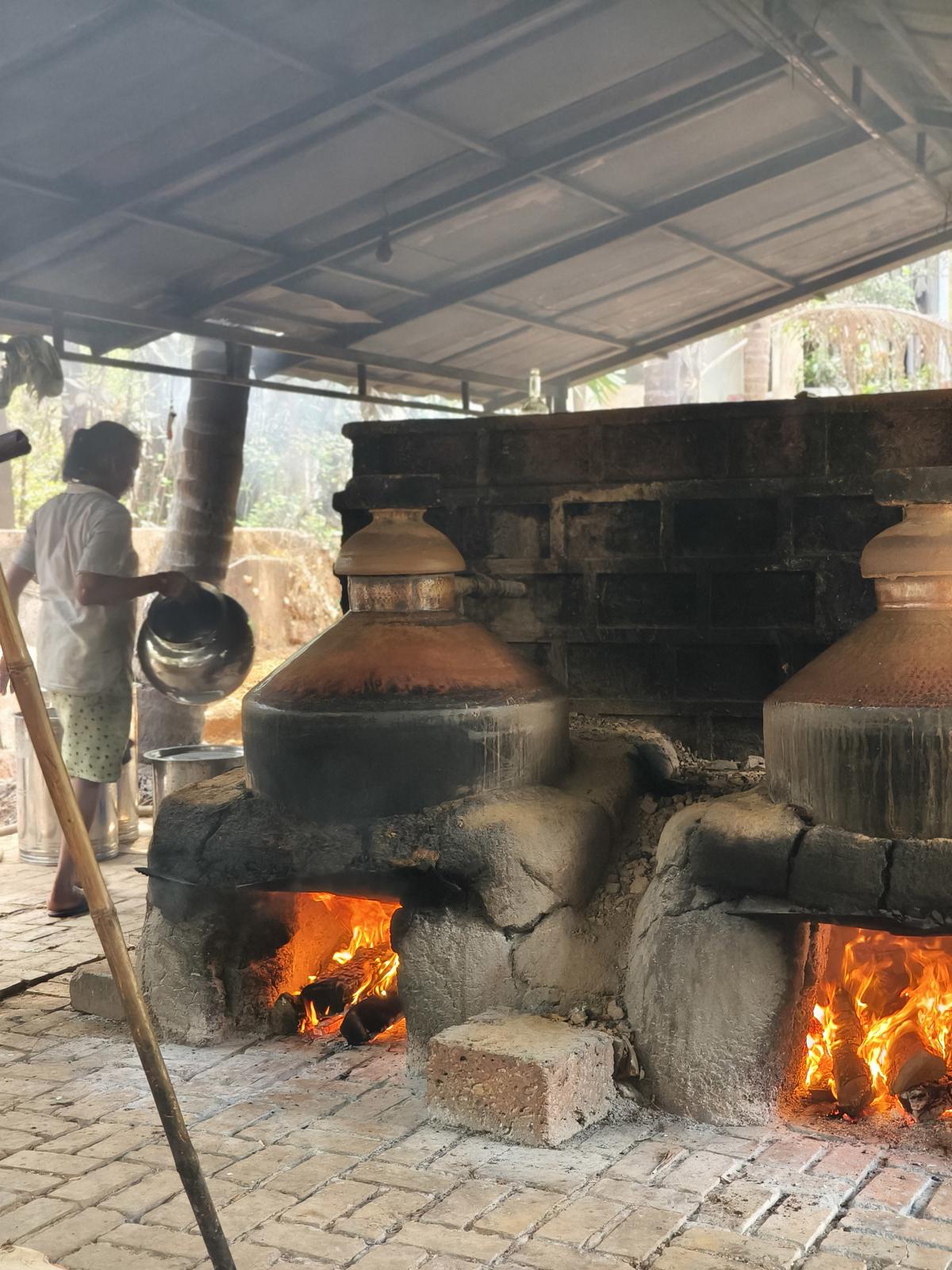
- The First Distillation (Urrak): The fermented juice is boiled in a bhaan (a traditional copper pot). The vapors are condensed through a cooling system, resulting in urrak. This stage is the focal point of Goan social life in April.
- The Second Distillation (Feni): If the urrak is mixed with more fermented juice and distilled a second time, it becomes Feni, a spirit with a much higher alcohol concentration and a significantly more pungent aroma.
This timeline is not just a manufacturing process; it is a cultural calendar. As Solomon Diniz, a fourth-generation distiller from Cotombi, notes, the Diniz family has been following this exact sequence since the late 1800s. The continuity of this process over 150 years represents one of the few unbroken culinary traditions in post-colonial India.
Supporting Data: The Economics and Geography of a Seasonal Spirit
The impact of urrak on the local market is profound. During the two months of its peak availability, the consumption patterns of spirits in Goa undergo a radical shift.
- Market Cannibalization: Solomon Diniz, the proprietor of Adinco Distilleries and the creator of Tinto Feni, observes a significant drop in the sales of premium liquors—including whiskey, gin, and even aged Feni—during April and May. "Everyone is only drinking freshly brewed urrak," Diniz explains. This seasonal monopoly is a rare example of a traditional, unaged spirit outperforming global commercial brands.
- Geographic Centers: While cashew trees grow throughout Goa, the villages of Quepem and Canacona in South Goa are regarded as the "Grand Cru" regions for urrak. The soil composition and the microclimate of the Western Ghats’ foothills contribute to a cashew apple with higher sugar content, leading to a superior distillate.
- The Agrotourism Pivot: There is a growing trend of "plantation hopping." Establishments like the Dudhsagar Plantation in Karmane village have integrated urrak production into the visitor experience. This "farm-to-glass" model has increased the value of the cashew harvest by nearly 40% compared to selling the fruit to external wholesalers.
Official Responses: Insights from the "Gatekeepers" of Heritage
The survival of urrak as a high-quality spirit depends on a handful of families and experts who view themselves as more than just manufacturers; they are the "gatekeepers" of Goan heritage.
The Traditionalist Perspective: Solomon Diniz
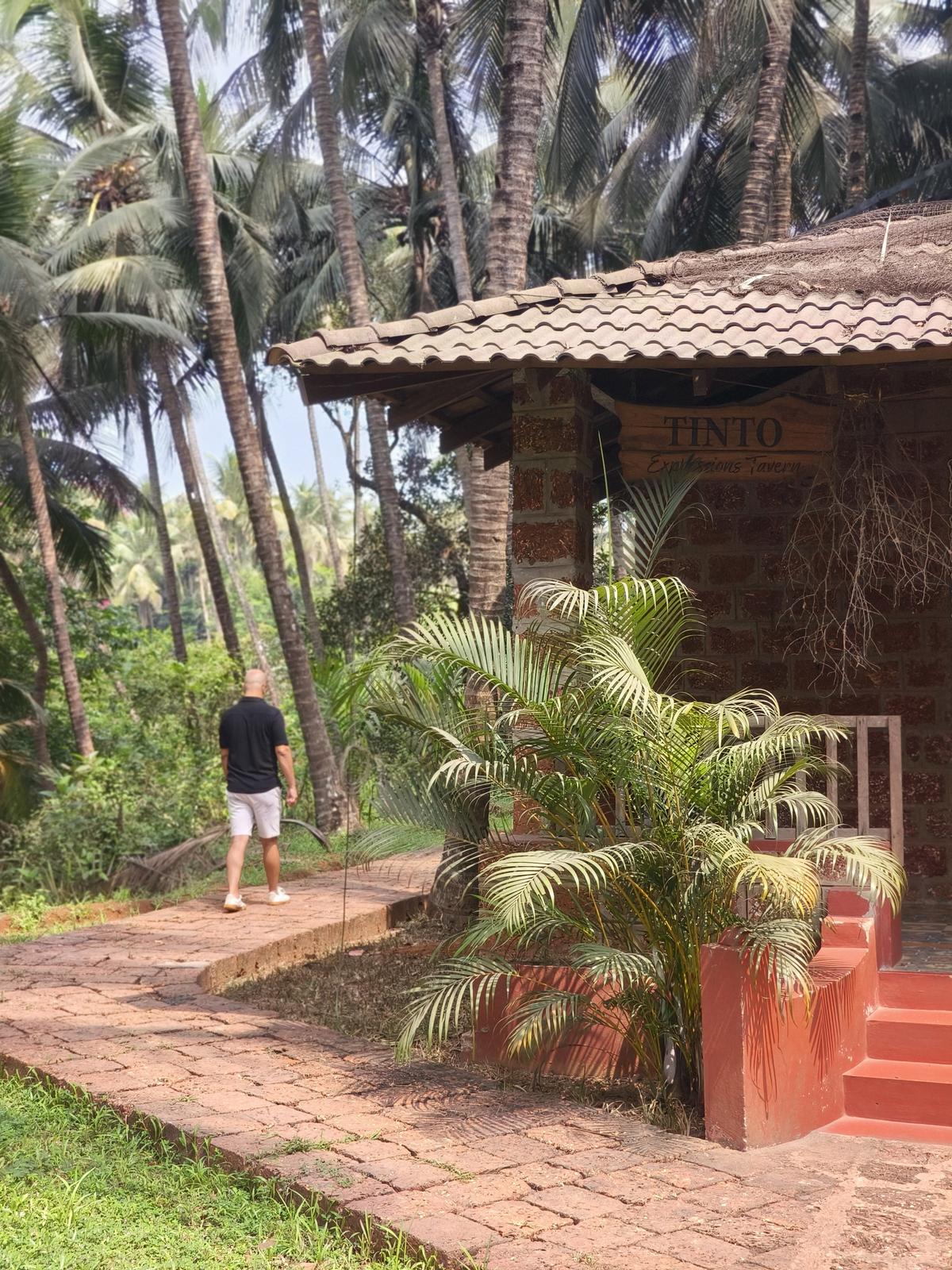
Operating out of the historic village of Cotombi, Solomon Diniz emphasizes the importance of place. At his Tinto Expressions Tavern, the urrak is served in an environment that mirrors the landscape: gold-glowing paddy fields and fruit-laden mango trees. For Diniz, the "official" way to preserve urrak is to maintain the purity of the source. By using cashew fruit from their own ancestral farm, the Diniz family ensures that the flavor profile remains unchanged across four generations.
The Philosophical Approach: The Malkarnekar Family
At the Dudhsagar Plantation, Ajit Malkarnekar and his son Ashok represent the intersection of tradition and environmental philosophy. Their 50-acre plantation on the fringe of Mollem National Park is a testament to sustainable horticulture.
"Know your trees, know your fruit, don’t rush anything," says Ashok Malkarnekar. Their "official" stance is one of "circular living," where the waste from the distillation process is returned to the soil as fertilizer. This approach addresses modern concerns about sustainability while keeping the ancient craft of the bhaan (copper pot) alive.
The Historian’s View: Hansel Vaz
Hansel Vaz, often referred to as the "Feni Dotor" (Feni Doctor), provides the academic and etymological framework for the spirit. At a recent symposium, Vaz traced the roots of the word urrak—historically documented as hurrak or urraca—to Arabic origins.
"The early references do not point to a cashew distillate at all," Vaz insists. He argues that the term originally referred to spirits derived from coconut sap (araq). However, the sheer popularity and sensory dominance of the cashew fruit in Goa eventually "hijacked" the vocabulary. Vaz’s research is crucial in positioning urrak and Feni not just as "country liquor," but as spirits with a complex global lineage.
Implications: The Future of Goa’s Liquid Heritage
The current state of urrak production in Goa has several long-term implications for the state’s cultural and economic landscape.
1. From "Country Liquor" to Premium Heritage
For decades, cashew spirits were classified as "country liquor," a term that carried a certain social stigma and restricted their sale outside of Goa. However, the recent push by distillers to standardize quality and the pursuit of Geographical Indication (GI) tags have begun to rebrand urrak and Feni as "Heritage Spirits." The implication is a potential entry into the global craft spirits market, following in the footsteps of Mexico’s Mezcal or Brazil’s Cachaça.

2. The Preservation of the Western Ghats
The production of high-quality urrak is inextricably linked to the health of the Goan ecosystem. As plantations like Dudhsagar demonstrate, the demand for traditional spirits incentivizes the preservation of biodiversity. If the market for urrak continues to grow, it provides a powerful economic argument against the conversion of cashew orchards into real estate developments.
3. The Challenge of Scalability
The very thing that makes urrak special—its freshness and seasonality—is also its greatest commercial challenge. Because it is a "living" drink that continues to evolve in the bottle, it is difficult to export. The implication is that urrak will remain a "destination drink," a reality that bolsters local tourism but limits the spirit’s reach to those willing to travel to the source.
4. Cultural Continuity in a Changing Goa
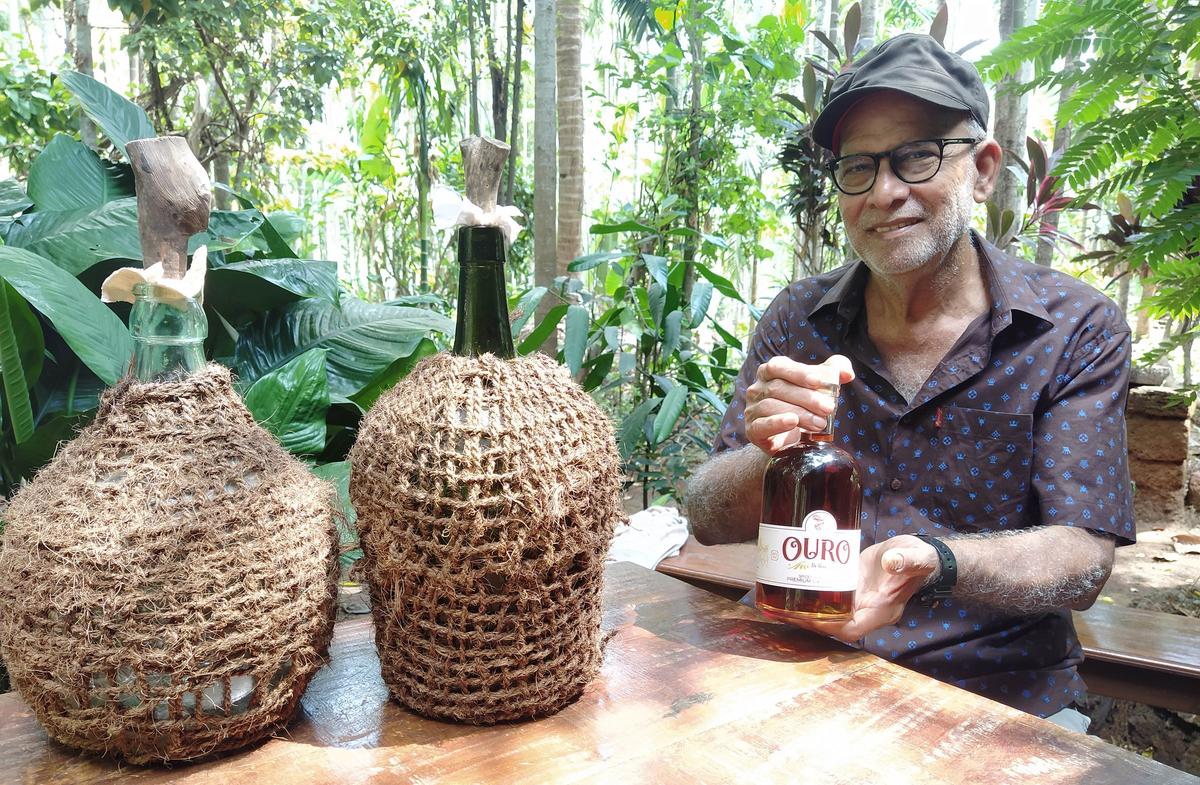
As Goa undergoes rapid urbanization and a massive influx of domestic and international tourists, the seasonal ritual of urrak serves as a cultural anchor. The barter of freshly filled bottles among locals is a social glue that persists despite the changing demographics of the state. It represents a "slow culture" that stands in stark contrast to the "instant everything" era.
In conclusion, urrak is far more than a summer beverage. It is a seasonal phenomenon that encapsulates the history, ecology, and soul of Goa. Whether it is being discussed by a "Feni Dotor" in a symposium or shared among neighbors in a reused bottle in Quepem, urrak remains the undisputed spirit of the Goan summer—a fleeting, fragrant reminder of a landscape that refuses to be rushed.
