

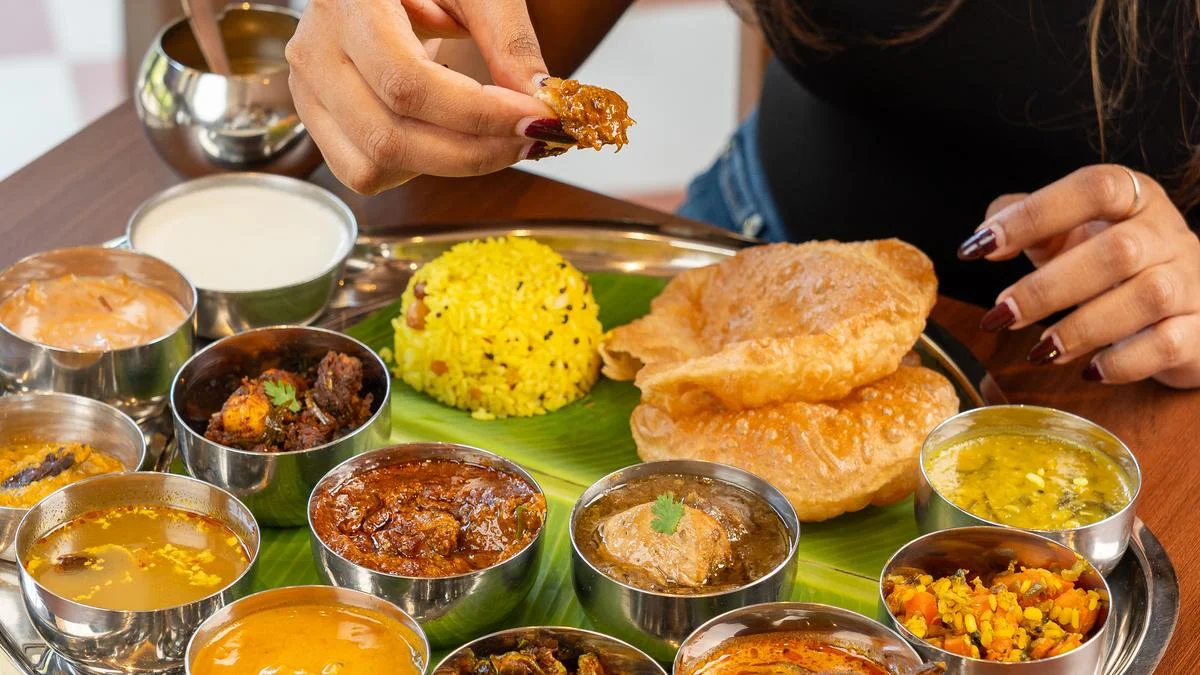
HYDERABAD – For decades, the global culinary identity of Hyderabad has been synonymous with a single, fragrant pot of rice and meat: the Dum Biryani. From the bustling lanes of Charminar to the high-tech corridors of Madhapur, the city’s reputation was built on the precision of its spice blends and the tenderness of its long-grain Basmati. However, a silent but flavorful revolution is currently reshaping the city’s dining landscape.
Hyderabad’s food scene is undergoing a profound transformation, widening its table to include a sophisticated array of regional Telugu flavors that were once confined to domestic kitchens or modest mess-style eateries. Today, the conversation has shifted. The biryani-obsessed crowd is warming up to the heat of totakura liver fry, the tang of nimmakayya guddu bonda, and the rustic depth of natu kodi pulusu. This is not merely a change in menu; it is a cultural reclamation of Telugu identity through gastronomy.
Main Facts: The Diversification of the Hyderabadi Palate
The current culinary shift is defined by a move away from "multicuisine" genericism toward "hyperlocal" specificity. For years, Hyderabad’s upscale dining was dominated by North Indian staples like Butter Chicken or international cuisines. Now, the spotlight has turned inward, highlighting the three distinct culinary pillars of the region: Telangana, Andhra, and Rayalaseema.
Key indicators of this shift include:
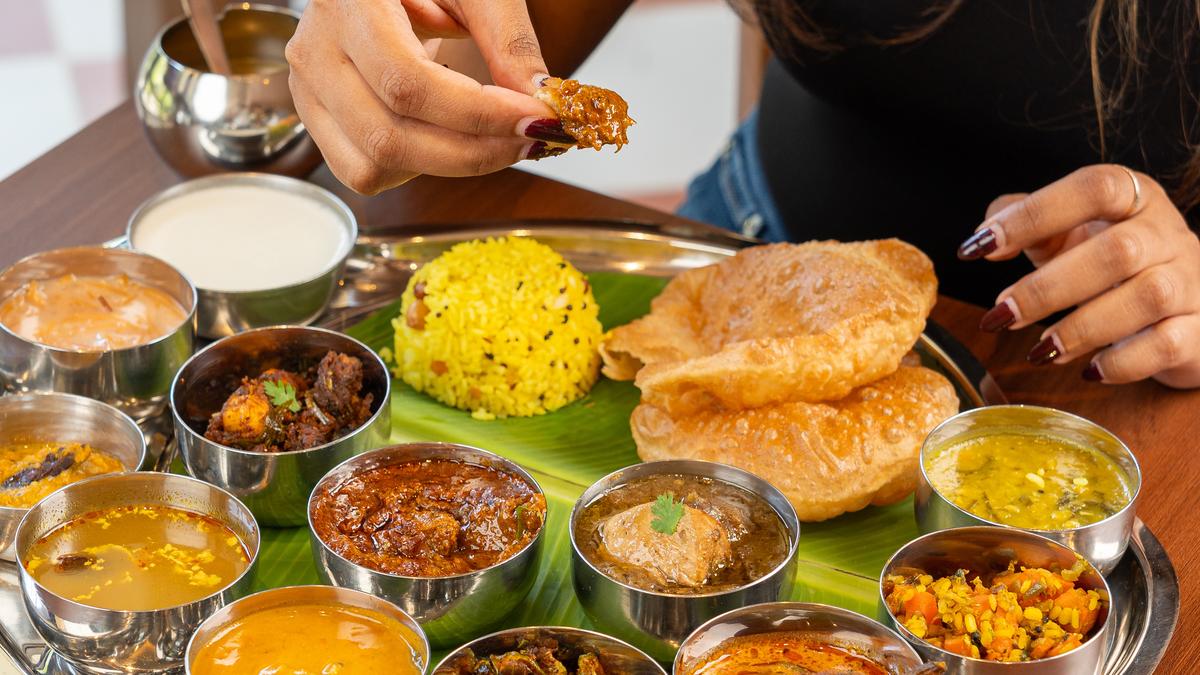
- The Rise of Regional Pulaos: While Biryani remains a staple, diners are increasingly seeking out short-grain rice preparations like Chitti Mutyalu pulaos, which offer a different textural experience.
- Elevation of Staples: Basic home foods like muddapappu avakaya annam (lentils and mango pickle rice) are being featured on fine-dining menus.
- Hyperlocal Ingredients: Ingredients like gongura (sorrel leaves), mamidikaya (raw mango), and various pappus (dals) are being celebrated for their complexity rather than being treated as side dishes.
- The Decline of the "Multicuisine" Crutch: New establishments are increasingly confident in sticking to a purely Telugu menu, eschewing the traditional safety net of serving Chinese or Continental dishes alongside local fare.
Chronology: From 1985 to the Modern Renaissance
To understand the current boom, one must look at the timeline of Hyderabad’s commercial food evolution.
The Foundation (1985–2000): In 1985, Venugopal Reddy founded Hotel Indu Deluxe. During this era, "Telugu food" in the commercial space was largely functional—catered to the working-class or travelers seeking a quick thali. The brand built its reputation on consistency and authentic flavors, but it remained a singular, iconic location for nearly four decades.
The Biryani Hegemony (2000–2015): As Hyderabad transformed into a global IT hub, the Biryani became the city’s primary export. Chains expanded rapidly, and the dish became the "default" choice for celebrations and corporate lunches. During this time, regional Telugu food was often sidelined in "fine dining" circles, perceived as too "homely" or "too spicy" for a globalized audience.
The Regional Resurgence (2016–Present): A new generation of restaurateurs and chefs began to question why Telugu cuisine—rich in variety and history—wasn’t being presented with the same prestige as French or Italian food. This led to the birth of "Neo-Telugu" kitchens. In 2024, the expansion of legacy brands like Hotel Indu Deluxe into affluent neighborhoods like Banjara Hills signals that the market for authentic, uncompromised regional food has finally matured.
Supporting Data: Mapping the Sub-Regional Flavors
The "Telugu" label is often a broad brush for a highly nuanced ecosystem of flavors. The current trend is successful because it acknowledges the micro-cuisines of the Deccan and the Coast.
1. The Telangana Influence
Characterized by its use of millets (jowar and bajra) and robust, spicy gravies, Telangana cuisine brings dishes like golichina mamsam (fried mutton) and dappalam (a vegetable stew) to the fore. Restaurants like Terrai are now archival in their approach, using traditional shorbas and ancient grains to tell the story of the region’s rugged terrain.
2. The Andhra and Godavari Belt
The coastal influence brings a love for seafood and the sophisticated use of heat. The chepala pulusu (fish tamarind gravy) from the Godavari districts is now a centerpiece at high-end restaurants, often served in traditional stone pots to maintain heat and flavor. The use of mustard powder and semi-ripe jackfruit (guna charu) from Uttar Andhra adds a layer of complexity that challenges the stereotype that South Indian food is only about "chilli heat."
3. The Rayalaseema Spice
Known for being among the spiciest in the country, Rayalaseema contributes the natu kodi (country chicken) and ragi sangati. These dishes, once considered rustic "farmer’s food," are now sought after by urban diners for their nutritional value and intense flavor profiles.

Official Responses: The Philosophy of the New Restaurateurs
The shift is being driven by a clear vision from the city’s leading culinary voices.
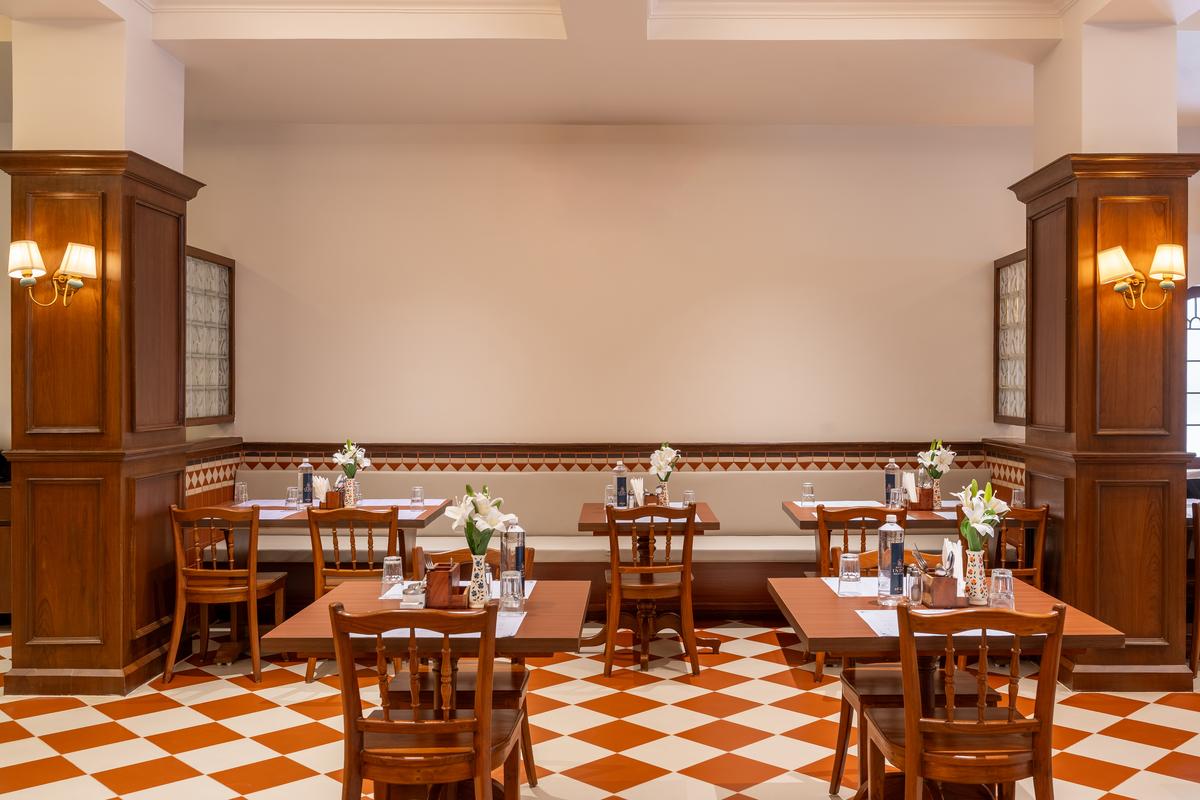
Rohit Reddy, Manager of Hotel Indu Deluxe, explains the decision to expand after 40 years: “Everyone is inquisitive about Telugu cuisine now. Our cuisine has so much to offer that we don’t need a multicuisine menu. Our cooks are from Bheemavaram, Warangal, West Godavari, and Rajahmundry. There is no need to borrow dishes from elsewhere.” This confidence in local talent over "imported" chefs marks a significant change in the industry’s labor dynamics.
Chef Vignesh Ramachandran of Coffee Sangam highlights the intersection of hygiene and nostalgia. By bringing street-side favorites like punugulu and nimmakaya guddu bonda into a café setting, he is bridging the gap between comfort and convenience. “As Indians, we return to familiar flavors for comfort. When you compare our regional cuisine with Western offerings, the variety and flavor give us an edge,” he notes.
Sampath Tummala, owner of Spicy Venue and Theta Theta Telugu, is focusing on the "celebration" aspect of the food. He argues that Telugu food has moved past the "rushed lunch thali" phase. “It’s time for individual dishes to shine. We serve chepala pulusu in a stone pot, bubbling as it reaches the table. We have also focused on pulaos, each uniquely flavored, to highlight the beauty of short-grain rice and meat.”

Gopi Bylapula of Culinary Lounge looks toward the global stage. Drawing a parallel to UNESCO’s recognition of Italian cuisine in 2025, he insists that Telugu food is a candidate for similar honors. “Showcasing regional food can drive cultural and culinary tourism while preserving intangible heritage. Telugu cuisine must aim for global recognition, given its depth and centuries-old techniques.”
Implications: A New Identity for the City of Pearls
The rise of "Telugu-forward" spaces has several long-term implications for Hyderabad and the broader Indian food industry.
1. The Death of the "Generic" South Indian Menu
The days when "South Indian" meant only Idli, Vosa, and Sambar are numbered. The current trend forces a distinction between the five southern states and their internal sub-regions. This education of the consumer palate is leading to a more demanding and appreciative diner base.
2. Economic Growth for Local Producers
As restaurants move toward traditional ingredients like short-grain rice, millets, and regional beans, they create a direct demand for local farmers. The archival movement at places like Terrai ensures that ancient crop varieties are preserved through commercial viability.
3. Culinary Tourism
Hyderabad is positioning itself as a destination where one can experience a "gastronomic journey through various Telugu cultures." This attracts domestic and international tourists who are increasingly looking for "authentic" rather than "standardized" experiences. The inclusion of whole grilled murrel fish—the city’s answer to lobster—at restaurants like Vivaha Bhojanambu and Telangana Spice Kitchen is a testament to this "premiumization" of local produce.
4. Empowerment of Home Chefs
The appetite for hyperlocality has opened doors for experts like Sowjanya Narsipuram, who specializes in the nuanced, bean-based dishes of Uttar Andhra. By bringing these obscure recipes to the mainstream, the city is preserving a "living history" that might otherwise have been lost to the homogenization of modern diets.
Conclusion
The transformation of Hyderabad’s food scene is more than a trend; it is a maturation. While the Biryani will always remain the "Crown Jewel" of the Deccan, it is no longer the only gem in the vault. By foregrounding the pappus, vepudus, and pulusus of the hinterland, Hyderabad is finally presenting a complete, honest, and sophisticated portrait of its culinary soul. As diners move from the "medium masala" of a biryani to the layered complexity of a mamsam ghee roast, they are participating in a movement that celebrates heritage over habit. Hyderabad’s table has indeed grown wider, and the world is starting to take notice.
